

Why “minor” safety updates matter more than ever for pet owners
Here’s the blunt truth: most pet emergencies start with something small. A new cleaning product, a recently stocked treat bin, a puppy chewing a new cord—then the problem grows fast.
Recent Pet and Home Safety News in 2026 keeps pointing to the same theme: homes change, products change, and pet behavior doesn’t. So even if you did everything “right” last year, you still need a quick safety check now.
X is “home safety for pets,” which means you spot risks in your house and fix them before your animal can get hurt. In real life, that usually means changing small routines—where you store things, what you plug in, and what your pet can reach.
Pet and Home Safety News update #1: Household chemicals are the top avoidable risk
In most households, cleaning stuff is still the biggest “oops” category. The recent Pet and Home Safety News coverage keeps highlighting repeat patterns: pets licking residues, stepping in sprays, or chewing bottles that look like toys.
What has changed is not just the products—it’s the way people use them. More people use scented sprays, quick-mop pads, and laundry add-ins. Those can be safe on humans but risky for pets because pets lick their paws and fur a lot.
What to do this week (simple, real-world steps)
I’ve trained people to do a “chemical reset” in about 15 minutes. You can do it too, even if you’re busy.
- Put every cleaner up high and behind a closed cabinet. A baby gate is not enough for smart cats.
- Keep caps locked if your household uses childproof latches that pets can learn to open.
- Switch to pet-safe labeling when possible. Look for products that are clearly meant for homes with pets, not just “non-toxic” claims with no details.
- Air out the room after spraying. If you can smell it strongly, your pet can too.
- Wash food and water bowls after you clean near them, even if you didn’t spray directly.
What most people get wrong
People often think “the floor looks clean, so it’s fine.” But many products leave a thin film. Pets walk on it, then groom it off later. That’s when you can see vomiting, drooling, or diarrhea.
If you’re unsure, wipe with plain water after your normal cleaning, then let it dry. That extra step costs pennies and can prevent a trip to the vet.
Pet and Home Safety News update #2: Tighter rules around anti-flea and tick products
As of 2026, the pet care world is still seeing a steady stream of accidental overdoses and mix-ups with flea and tick meds. The key issue in the latest Pet and Home Safety News is not that the products don’t work. It’s that they’re easy to use incorrectly when families have more than one pet species.
Cat and dog meds are not interchangeable. Even “natural” flea drops can be risky if the ingredients aren’t meant for cats.
How to avoid the most common mix-ups
- Use the exact product for your pet’s species and weight range. I’ve seen owners guess based on body length. Weight is what matters.
- Set a reminder the same day each month. Missing a dose often leads to “catch-up dosing,” which can be dangerous.
- Apply only where the pet can’t lick. For cats, that means part the fur and apply to the skin on the back of the head/neck area as directed.
- Do not combine products unless your vet says it’s safe. “One more because it’s not working” is a common mistake.
My quick checklist before you apply anything
This is the checklist I use when I’m helping a friend check their setup:
- Is your pet the right species? (Dog vs cat.)
- Is the product size correct for your current weight?
- Are you applying to dry skin?
- Are there other pets that could lick right after?
- Did you wash your hands and let the product fully set?
If your pet has a sensitive skin history (redness, itching, or rash), call your vet before trying a new brand.
Pet and Home Safety News update #3: More bites and burns from “harmless” home tech
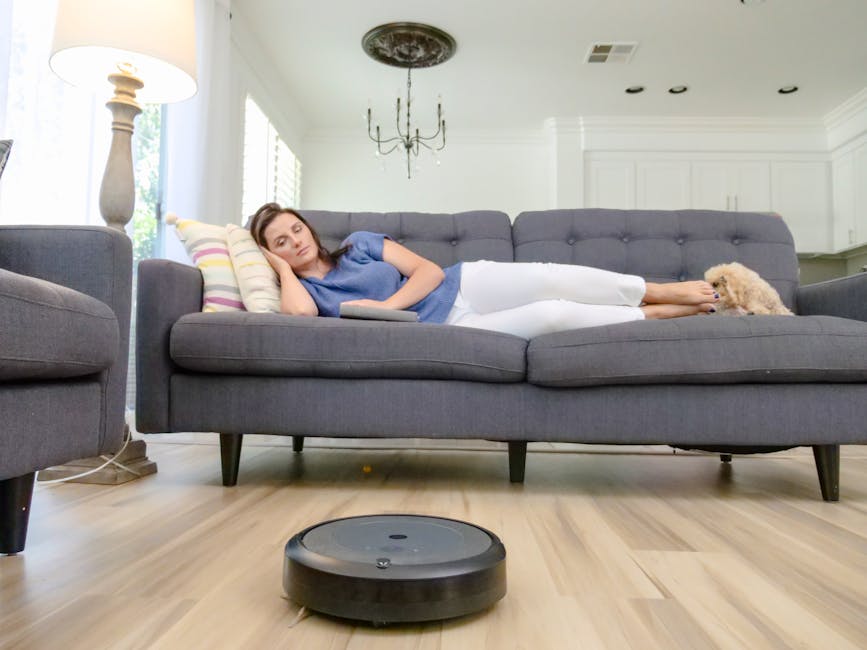
Recent Pet and Home Safety News also shows how modern homes create new risks. Smart devices are helpful, but cords, battery compartments, and hot surfaces are still common triggers for bites, burns, and choking.
In 2026, I’m seeing more owners with robot vacuums, heated blankets, and plug-in air fresheners. Your pet may think these things are toys or scents.
What to secure around your home (room-by-room)
Use this like a quick walk-through. It takes about 20–25 minutes for most families.
Kitchen and living room safety
- Hide or cover power cords. Use cord covers or run cords behind furniture.
- Check under shelves for small items: bottle caps, elastic bands, and magnets.
- Keep heated items out of reach. Heated pads and warming trays should never be accessible to pets.
Bedroom and bathroom safety
- Store small hair ties and dental items. These can become choking hazards fast.
- Use toilet lid locks. Dogs especially can drink and roll into trouble.
- Keep laundry closed. Dryers can trap pets if doors are left open.
Garages and entryways
- Lock up antifreeze and windshield washer fluid. Antifreeze is sweet and deadly for pets.
- Store fertilizers and ice melt in sealed containers.
- Keep seasonal hooks and tools away from noses. A dropped hook can injure a paw.
Pet and Home Safety News update #4: Food and treats are safer when you control access

One of the most frustrating parts of Pet and Home Safety News is that it keeps showing the same lesson: pets don’t care about “food rules.” They follow smells and movement.
In my own experience helping new pet owners, treat access is the sneakiest hazard. It’s not the treats themselves—it’s where they’re stored, how they’re dispensed, and how fast they go missing.
What to check in your pantry and treat storage
- Switch to airtight storage in cabinets your pet can’t open. Clear bins invite curiosity.
- Keep human foods out of reach, including bread dough, chips, and leftovers. Grease can cause pancreatitis in dogs.
- Double-check “new” items like protein powders, chew supplements, and holiday treats.
- Clean up crumbs immediately. A small pile becomes a daily habit for many dogs.
- Don’t use floor feeders near pet traffic. Spills turn into overeating.
Quick “what if” scenarios (and what owners should do)
Scenario 1: Your cat knocks a bag of dry food off the counter.
Pick it up right away and check if the bag is torn. If your cat swallowed a piece of packaging, call your vet for advice.
Scenario 2: Your dog ate a chew they’ve never had before.
Check the ingredient list and compare it to safe treats you already use. If there’s a risk ingredient (like xylitol), contact a vet right away.
Scenario 3: Your pet got into a household “snack” like laundry pods residue.
Do not wait and see. Contact animal poison help immediately.
People Also Ask: Pet and home safety questions owners ask all the time
These are the questions I hear from readers and friends most often. I’m answering them directly, with the best “owner action” you can take.
What should I do immediately if my pet is exposed to a cleaner?
First, remove your pet from the area and stop the exposure. Then check the label for ingredients and follow the directions for pet contact. If your pet is drooling, vomiting, struggling to breathe, or acting very different, call your vet or a pet poison hotline right away.
Don’t force vomiting unless an expert tells you to. Many cleaners and products are more dangerous going back up.
Are air fresheners and plug-ins safe for pets?
They can be risky, especially for small pets and cats. Many plug-ins release scent chemicals into the air, and cats groom their faces and paws a lot.
If you use them, place them in an area your pet can avoid, like a room with a closed door. When in doubt, switch to fragrance-free options and improve ventilation instead.
How often should I do a home safety check for pets?
Do a full check at least every season. Also do a mini check any time you change products: new detergent, new candles, new furniture, new flooring, new tech.
My rule is simple: if you brought something new into the home, scan for “where would it land if my pet pushed it or chewed it?”
What are the best pet-safe home practices for training?
Safety and training go together. Management is teaching without words—making the right behavior easier. For example, baby gates keep your dog from practicing counter-surfing.
If you want a training angle too, you can pair safety rules with what you practice daily.
Pet training for safety: teach “leave it” and manage access
Here’s my original take: most “pet proofing” fails because it’s only a lock, not a lesson. I’ve watched pets break rules in houses that had decent barriers—because the pet still learned the payoff.
Training fixes that. It turns safety from a gamble into a behavior your pet understands.
A simple “leave it” routine you can start today
- Use a treat your pet loves.
- Place it in your closed fist and let your pet sniff.
- When your pet stops trying and pulls back, say “yes” and give a different treat from your other hand.
- Repeat 8–12 times, then stop.
After a few days, start moving your hand farther from the pet. Then practice near the kitchen while you cook. Keep sessions short so it sticks.
Pair it with real home changes
- Use a baby gate to block kitchen access while you’re learning the routine.
- Store trash in a sealed bin.
- Pick up socks and small items right away.
- Put new chew toys in a “swap box” so the pet learns where to chew.
For more on behavior and routines, you may also like training steps to stop counter surfing and boundary games that build impulse control.
Home emergency readiness: build a plan before you need one
One of the strongest themes in Pet and Home Safety News is emergency preparedness. When something goes wrong, people freeze. A plan helps you act fast while your heart is racing.
As of 2026, more owners are saving veterinary numbers in their phones, but that’s not enough. You need a printed backup too.
Make a “grab-and-go” pet safety folder
Create a small folder with these items:
- Your vet clinic number and after-hours number
- Your pet’s microchip or license info
- Vaccination records if your clinic asks for them
- A photo of your pet (for quick ID)
- A list of medicines and supplements your pet takes
Keep it in the same place as your keys. If you drive to the emergency clinic, you won’t waste time hunting.
Practice a fire and evacuation route
Pets get scared in smoke and loud alarms. Pick your exit paths now and decide what you’ll do if the pet won’t move.
I recommend using a familiar carrier with a blanket inside. Practice once when everything is calm. Then your pet isn’t learning during a crisis.
Quick comparison: what’s more effective—products or habits?
People often debate between “buy more gear” and “just be careful.” My view: habits beat gadgets when it comes to safety, and gadgets help when habits slip.
Here’s a simple comparison to help you prioritize.
| Safety approach | What it does well | Where it fails | Owner fix |
|---|---|---|---|
| Storage locks and childproof cabinets | Blocks access to cleaners, meds, and small items | Pets learn shortcuts or you forget once | Do a weekly “close check” in high-risk areas |
| Training cues (like “leave it”) | Helps pets choose safer options | Doesn’t prevent the first mistake | Start training while managing access during learning |
| Floor cleanup routine | Stops crumbs, pills, and wrappers before they add up | Hard to stay perfect | Use a daily 2-minute reset after meals |
What I’d focus on first if you only have 30 minutes
If you’re short on time, don’t do everything. Do the highest-impact checks first.
- Secure chemicals and meds: move everything above reach and confirm lids are tight.
- Remove tempting small items: hair ties, dental floss, rubber bands, and any tiny toys.
- Check cords and heat sources: cover cords and block access to warm surfaces.
- Review flea/tick application steps: correct product, correct species, correct weight.
- Set up an emergency info spot: phone + printed folder.
That combo covers poisoning, choking, burns, and “I didn’t know what to do” emergencies.
Stay current: where to watch for safety news that actually matters
Not all “pet news” is useful. The safety updates that matter have clear causes and practical actions you can take.
In 2026, I suggest you track:
- Vet clinic alerts (especially for toxic substances and recalled products)
- Pet poison hotline updates and seasonal hazard warnings
- Local public health guidance for smoke, flooding, or pest outbreaks
- Manufacturer recall pages for food, treats, and supplements
If you want to connect this to animal health and prevention, our guide to signs of toxicity is a good companion read. It helps you spot problems early instead of waiting for “obvious” symptoms.
Conclusion: Make one change today, then keep it going
Recent Pet and Home Safety News in 2026 boils down to the same owner goal: prevent the first mistake. Most injuries don’t happen because people don’t care. They happen because one product was moved, one routine slipped, or one curious pet got a chance.
Pick one actionable change today—like locking cleaners, covering cords, or tightening treat storage—and do a quick follow-up check tomorrow. If you keep that habit, you’ll catch new risks early and keep your home safer for every family member, furry or not.
Featured image alt text suggestion: “Pet and home safety news checklist for owners with a dog safely away from cleaning supplies.”