

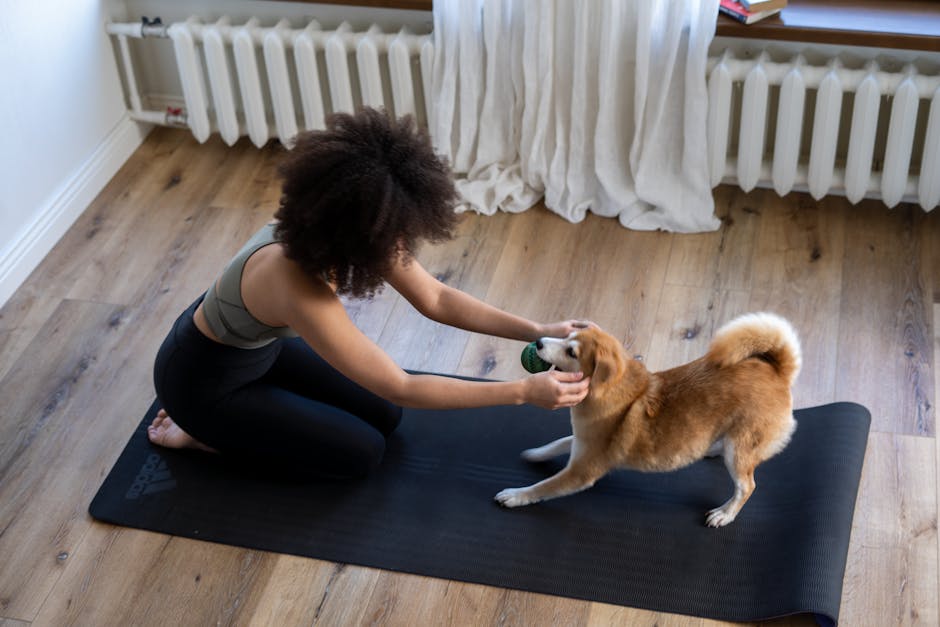
Here’s the surprising truth: a lot of “pet health” problems start at home—wrong food storage, dusty air, loud stress, or a routine that accidentally rewards bad behavior. In this Pet News Roundup for 2026, I’m pulling together the latest research and trends that matter for both animal health and everyday home life, plus what you can do right away to help your pet feel better.
To keep this useful, I’m focusing on real, practical changes: cleaner air and water, safer chew and grooming routines, smarter enrichment, and training updates that match how pets actually learn. If you’ve ever thought, “We did everything right… why is this still happening?” this roundup is for you.
Pet News Roundup takeaways: what 2026 research is saying about everyday pet health
Quick takeaway: the biggest “new” trends aren’t flashy. They’re mostly better monitoring, better prevention, and fewer harmful shortcuts.
As of 2026, vets and researchers keep pointing at the same pattern: small daily factors can drive big health outcomes. That includes stress levels, air quality, tooth care, skin health, and how we manage parasites. It also includes how we set up the home so pets feel safe enough to rest.
One lesson I learned the hard way: if you change one thing at a time, you can actually tell what helped. I used to switch food, cleaner, and routine all in the same week. That made it impossible to know which change mattered. Now I change one variable, watch for 7–14 days, and write down what I see.
Featured snippet: what should you do first after reading a pet health news story?
Choose one action that reduces risk right away—like brushing teeth more often, fixing water intake, or tightening parasite prevention. Then track results for two weeks before you add another change. That’s the simplest way to turn Pet News Roundup ideas into real outcomes.
Animal health trend #1: dental care is getting more attention (and it’s not just about bad breath)
Key takeaway: dental health shows up in the whole body, not only the mouth.
In the last year, more clinics and pet owners are treating teeth like a core health topic, not a “later” problem. Researchers and veterinary groups keep linking gum disease to inflammation that can affect other organs. Even if your pet isn’t drooling or pawing at the mouth, bacteria and plaque can still be working behind the scenes.
What I see a lot in real homes: people do one of these two extremes. Either they never brush, or they brush so hard it hurts and the pet hates it. Both paths lead to stress, and stress makes tooth routines fail.
What most people get wrong about teeth cleaning
Key takeaway: brushing isn’t only about strength—it’s about time, gentleness, and making it feel safe.
- Wrong: starting with a full mouth scrub on day one. Right: start with 10–20 seconds at the gumline and stop before your pet pulls away.
- Wrong: using human toothpaste. Right: use a pet-safe toothpaste (many are enzyme-based for plaque control).
- Wrong: waiting for signs like bleeding. Right: check gums weekly (soft pink is usually healthier than red, puffy, or shiny).
My practical 14-day plan for better dental routines
Key takeaway: tiny wins beat big promises.
- Days 1–3: touch the cheek and lift the lip for 2 seconds. Reward calm behavior.
- Days 4–7: add a soft toothbrush touch on one small spot (like two teeth). Keep it under 30 seconds.
- Days 8–10: brush only the front gumline for 20–40 seconds.
- Days 11–14: repeat the routine. Aim for 60 seconds total, still gentle.
If your pet already has heavy tartar, home brushing alone won’t fix it. In that case, talk to your vet about a professional cleaning and a home plan afterward. I’m direct here because it matters: skipping vet care when teeth are painful can turn a fixable issue into a much harder one.
Animal health trend #2: parasite prevention is moving toward smarter schedules

Key takeaway: “one-size-fits-all” parasite prevention is fading in favor of matched risk.
Flea and tick risk depends on where you live, your yard, your local wildlife, and even the way your seasons shift. In 2026, more clinics are asking questions like: Do you live near wooded areas? Do you travel with your pet? Is your pet an outdoors explorer or mostly home-based?
This trend connects to a home lifestyle issue too. Many people treat for fleas but ignore the rest of the setup—like washing bedding in hot water, vacuuming furniture, and managing yard habitat. Parasite prevention is both medical and environmental.
Home checklist: what to do between monthly treatments
Key takeaway: prevention works best when you combine meds and cleaning.
- Wash pet bedding weekly in hot water when possible.
- Vacuum carpets and upholstery at least 2–3 times per week during high-risk months.
- Wipe paws after outdoor walks (especially in spring and fall).
- Check your pet’s skin for small bumps after trips to parks or tall grass.
One mistake I’ve seen: people stop prevention because the pet “didn’t get fleas last year.” Parasite risk changes. If your climate is warmer for longer in 2026, the risk can jump even if it felt quiet before.
Home lifestyle trend #3: air quality and water habits are becoming pet health tools
Key takeaway: cleaner air and better hydration can reduce skin issues and stomach upset.
More pet owners are realizing that dust, fragrance sprays, smoke, and dry indoor air affect pets. This isn’t just a “human allergy” issue. Dogs and cats can show signs through itching, watery eyes, sneezing, coughing, or messy skin.
Hydration also matters. Some cats drink very little from a bowl, even if they’re “healthy” on paper. When cats don’t drink enough, urinary health can become a bigger concern.
What’s changing: filtration, low-odor cleaning, and water stations
Key takeaway: small home setup changes can be more effective than fancy supplements.
Here’s what I recommend in the real world, based on what I’ve seen work in homes:
- Air: use a HEPA air purifier in the room where your pet hangs out most.
- Cleaning: switch to fragrance-free cleaners and skip aerosol sprays around pets.
- Ventilation: run a fan or open windows when using any strong-smelling product.
- Water: set up water stations (not just one bowl) and keep bowls away from food.
If you want a practical product example, many people start with a HEPA purifier like the Winix 5500-2 or similar models sized for a living room. In my experience, the best choice is the one you’ll run daily, not the one with the biggest number on the box.
Quick experiment: “Is my home drying out my pet?”
Key takeaway: measure humidity once, then adjust.
Use a simple indoor hygrometer (humidity meter). In many homes, aiming for about 40–55% relative humidity makes the air feel less irritating. If humidity is often below 35%, add a humidifier and watch your pet for changes in itching, sneezing, or dry skin.
Important note: if your pet has asthma or serious breathing problems, talk to your vet first. Air quality helps, but it’s not a substitute for medical care.
Pet training trend #4: reward timing and “consistency” are being tested in new ways
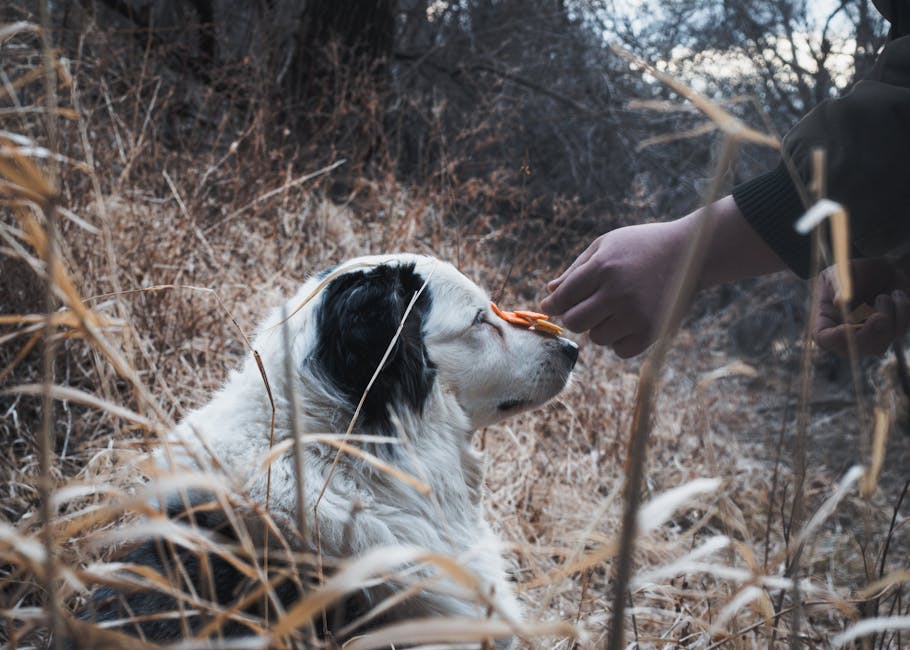
Key takeaway: training isn’t about being stricter—it’s about being clearer.
In today’s training world, you’ll hear a lot about positive reinforcement. That’s not just a slogan. Research-backed training keeps coming back to one simple idea: pets learn best when the reward happens right after the behavior, and the rule stays steady.
But here’s the twist that many people miss. Consistency isn’t only about you. It’s about the whole household. If one person allows jumping on day one and another person bans it on day two, your pet gets mixed signals.
Common home scenario: “My dog knows sit, but won’t do it outside”
Key takeaway: outside distractions are a different game.
In the house, your dog may “sit on cue” because the environment is predictable. Outside, smells, sounds, and other animals compete for attention. That’s why I teach a separate skill: sit for long enough to matter.
Try this in 5-minute chunks:
- Choose a low-distraction spot.
- Ask for sit.
- Reward within 1 second of feet landing.
- Next reps, reward after 2 seconds, then 3, then 5.
Then you level up gradually—move to a slightly busier area only after your dog can do the same timing. If you skip steps and jump to busy parks, you’re not “testing” your dog. You’re setting the stage for failure.
Training tool idea: use a clicker or marker so rewards are clear
Key takeaway: a marker word or click fixes a major timing problem.
If you can’t get rewards to your pet fast enough, you’ll see inconsistency. A clicker (or a word like “yes”) tells your pet exactly when the behavior is right. After a few sessions, your pet starts to understand that marker means “reward is coming.”
If you want more guidance on building routines, you may like our post on training routines and how to keep rewards consistent.
What’s new in pet care: grooming, skin health, and safer product choices
Key takeaway: skin problems are often “home problems,” not only “pet problems.”
In 2026, more pet owners are paying attention to how grooming products affect sensitive skin. Fragrance-heavy shampoos and harsh wipes can irritate. Over-bathing can also dry out skin and worsen itching.
I’ve had clients tell me their pet “had one bad rash” after a new shampoo. That rash usually comes from either irritation or allergy. The fix is boring but effective: pause the new product, go back to a gentle option, and check for patterns like itching after baths or after outdoor grass contact.
Grooming habits that protect skin without overdoing it
Key takeaway: less frequency + smarter technique often works better.
- Brush based on coat type. A daily brush for short-haired cats can be too much.
- Use lukewarm water and rinse well so shampoo residue doesn’t cling to skin.
- Dry thoroughly, especially paws and folds.
- Trim nails regularly to prevent pain during scratching or walking.
What most people get wrong: they treat grooming as a “cleaning chore” only. I treat it as a body check. While brushing, I look for bumps, scabs, redness, and changes in coat thickness.
When to skip DIY and call the vet
Key takeaway: some skin changes need medical care fast.
Call your vet if you see spreading redness, thick discharge from ears, open sores, rapid hair loss, or if your pet seems painful. Home care can support recovery, but it should not replace treatment.
People Also Ask: Pet News Roundup FAQs
What are the biggest pet health trends in 2026?
Direct answer: the biggest trends are proactive prevention (teeth, parasites, skin), home environment improvements (air quality and hydration), and training approaches that focus on timing and clarity rather than punishment.
People also want simpler tracking. I’m seeing more owners use calendars for tooth brushing and parasite meds, plus simple notes like “ate normally” or “itching increased.” It sounds small, but it helps you spot patterns early.
How can I use pet news without wasting money?
Direct answer: pick one evidence-based change that fits your pet’s needs, then wait and watch for results for at least 10–14 days.
Here’s my rule: if an idea asks you to buy three things at once, pause. Try the one change that makes the biggest daily difference first. Teeth brushing tools, a better water setup, and a consistent marker word cost less than most “miracle” supplements.
What should I change first for dog training at home?
Direct answer: change timing and reward placement first, then change the environment to reduce distractions.
Most training problems aren’t because your dog is stubborn. It’s because your dog isn’t being rewarded for the exact behavior you want, or the setting is too distracting for that skill level.
Are home lifestyle changes really connected to animal health?
Direct answer: yes—especially for air quality, stress, hydration, and routine.
Stress doesn’t mean your pet is “sad all the time.” It can be brief and constant—like noisy afternoons, messy feeding schedules, or a dog that’s never had a quiet safe spot. When stress stays high, it often shows up as behavior issues, skin problems, or stomach upset.
Pet News Roundup take: my home “health reset” checklist for 2026
Key takeaway: do a reset that touches health and lifestyle together, not separately.
Once a month, I do a quick review in under 30 minutes. I call it my “health reset.” It doesn’t replace vet care, but it keeps my home from accidentally making things worse.
30-minute reset you can do this week
- Water check: refill and wash bowls. If your pet drinks less than 24 hours ago, change the setup.
- Food storage: check for stale kibble or moisture. Use airtight containers.
- Air check: run your HEPA purifier 6–12 hours in the pet’s main room.
- Skin check: look at ears, paws, and coat for redness or new bumps.
- Teeth check: lift lips gently and look for gum redness.
- Training check: choose one behavior to reinforce with perfect timing for 5 minutes.
If you want a deeper approach to behavior routines, this ties into our guide to building a simple training routine that fits real life.
Comparison table: what to focus on first for common problems
Key takeaway: match your action to the root cause, not just the symptom.
| Problem you notice | Most common home cause | Best first action (today) | Track for |
|---|---|---|---|
| Bad breath | Gum inflammation and plaque | Start gentle 10–20 second daily lip lift + brush | 14 days |
| Itching or flaky skin | Irritating products or dry indoor air | Pause new shampoo + run HEPA purifier/boost humidity | 10–14 days |
| Begging or food guarding | Inconsistent feeding + attention timing | Set a feeding schedule and reward calm waiting | 2 weeks |
| Jumping on visitors | No clear rule across household | Train an alternate greeting (sit + reward) and align rules | 2–3 weeks |
| Bathroom accidents | Timing and routine mismatch | Take outside more often and reward correct timing | 7–14 days |
My honest opinion: why “new trends” sometimes fail at home
Key takeaway: trends fail when they ignore your pet’s daily reality.
I don’t dismiss new research. I do question how it gets marketed. Many trends assume you have unlimited time, perfect consistency, and a pet that’s calm enough to learn on demand. Real life isn’t like that.
So here’s my angle that I don’t see enough people talk about: you don’t need more information—you need fewer moving parts. If you try to add air filters, new treats, a new shampoo, a new supplement, and a new training style all at once, you’ll get overwhelmed and you won’t know what worked.
Instead, pick one change that affects the biggest daily stressor. For most homes, that’s routine. Then pick one health support step. Then keep going for two weeks.
Where to connect this with the rest of your pet-care plan
Key takeaway: news is only helpful when it connects to a plan you can follow.
If your focus this month is behavior, pair this Pet News Roundup with training support like our guide to stopping accidental reinforcement. If your focus is health and prevention, we also cover more home-ready ideas in our animal health home prevention checklist.
That’s how you get results: one health step, one routine step, and a simple way to track what changes.
Conclusion: your next best step after reading the Pet News Roundup
Here’s your actionable takeaway: choose one animal health improvement and one home lifestyle upgrade you can do this week—then track for 10–14 days.
For many pets, a smart first combo is: start gentle dental care (or book a check if teeth look bad), improve hydration and air quality in the main pet room, and set a consistent training rule using clear timing. Do it slowly, keep notes, and adjust based on what you actually see.
If you want fewer surprises in your home and better outcomes for your pet, this is the approach that works year after year—whether the headlines are about new research, new products, or new training ideas.
Featured image alt text suggestion: “Pet news roundup in 2026 with a dog brushing routine and home health checklist”