

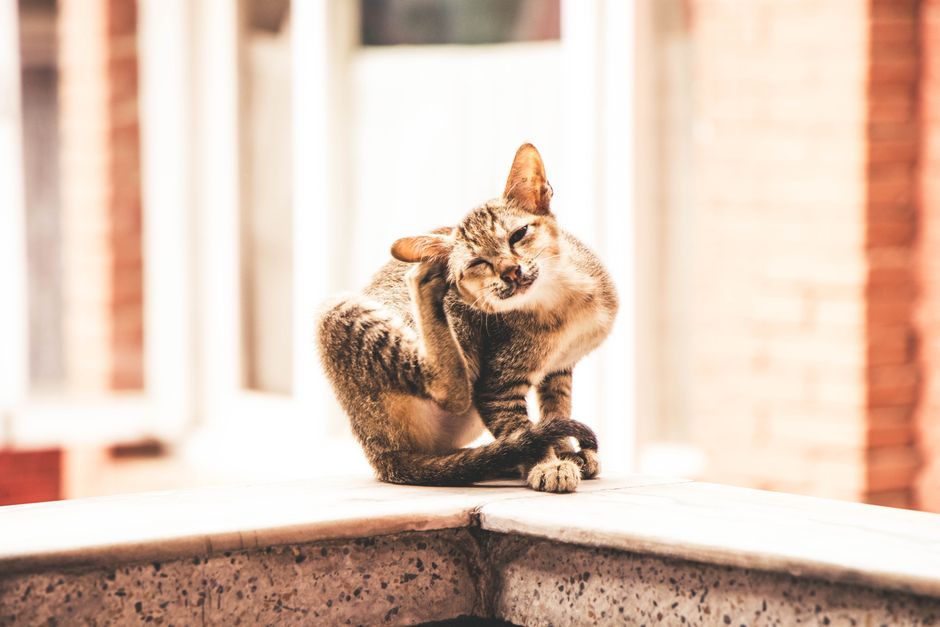
One wet-spot on the carpet can lead to a bigger problem: when a dog or cat keeps licking, scratching, and rubbing their face, their skin is telling you something. Itching, flaking, and dull fur are some of the most common “quiet” signs of skin stress. In my house, it usually starts with a tiny patch—then the whole coat looks dry and lifeless within a few weeks.
In this guide, I’ll break down pet skin and coat health in a way that helps you spot the real cause instead of just treating the symptoms. You’ll learn the common reasons for itchy skin, how to check your pet’s coat safely at home, and when it’s time to call a vet. (As of 2026, this advice matches current best practices for at-home skin checks and safe grooming.)
Pet Skin and Coat Health Basics: What “Healthy Skin” Actually Means
Healthy skin is the barrier that keeps water in and germs out. When that barrier is off, your pet feels itchy, their fur loses shine, and you often see flakes or redness.
Skin health is more than “dry skin.” It’s a mix of oils, skin cells, hydration, and a balanced skin microbiome (that’s the mix of helpful germs living on the skin). When the balance shifts, inflammation starts, and itch gets worse.
Coat shine is tied to skin too. If the skin is irritated, shedding can increase and the hair can look rough. I’ve seen this in older dogs right after winter: the skin looks chalky, but the real issue is the barrier staying healthy through humidity changes and grooming habits.
Common Causes of Itching in Pets (And Why It Keeps Coming Back)
Itching usually comes from one of a few buckets: parasites, allergies, infections, irritants, or an underlying hormone/immune problem. The tricky part is that they can look similar at first.
1) Fleas, mites, and other parasites
Parasites are the fastest way to go from “normal” to “my pet can’t stop scratching.” Fleas cause itch even when you don’t see many fleas. Mites can cause intense itch and skin thickening.
Real-world example: I once helped a friend who swore their indoor cat “never gets bugs.” The cat still had scabs behind the ears and constant head shaking. The diagnosis ended up being ear mites, and once the right treatment started, the scratching dropped within days.
What to do now:
- Check for “flea dirt” by combing with a fine flea comb over a white paper towel.
- Inspect ears and the base of the tail first.
- If you use any flea prevention, confirm it’s the right product and the right schedule for your pet’s weight.
2) Allergies (food, environment, and contact)
Allergies are a big reason for chronic itching. In dogs, the most common patterns are environmental allergies (like pollen) and food reactions. In cats, allergies often show up as skin irritation plus extra grooming.
Contact allergy is also common and gets missed. It can happen from new bedding detergent, scented sprays, carpet cleaners, or even certain shampoos. One change is enough to set off itch.
What most people get wrong: they treat with “anti-itch” products right away and keep the same shampoo, same detergent, and same bedding. That can keep the trigger active while you try to calm the symptoms.
3) Skin infections (bacteria and yeast)
Infections often show up as smell, greasy skin, or red patches that worsen quickly. Yeast infections can cause a sour odor and sticky-looking fur, especially in folds, ears, and underarms.
If your pet has skin that looks wet or smells “off,” infections are high on the list. The important part is that infections often happen after something else starts the irritation—like allergies or parasite bites.
4) Irritation from grooming mistakes
Over-bathing, harsh shampoos, and brushing too roughly can strip oils and damage the skin barrier. Even something “gentle” can be too harsh if your pet has a sensitive skin condition.
In 2026, many pet owners are trying at-home deshedding tools and “de-shed” shampoos more than before. If your pet is already itching, more friction and stripping can make it worse.
Flaking Skin: The Most Common Reasons Pets Look “Dandruffy”

Flakes happen when skin cells shed faster than normal or when the top layer gets dry and irritated. The cause matters because “dandruff” can be from dryness, allergies, yeast, or mites.
Dry skin vs. true dandruff (how to tell at home)
Dry skin usually looks like light, powdery flakes and may come with mild itch. True dandruff or skin inflammation often comes with redness, thickened patches, or greasy flakes that stick to the fur.
A quick home test: gently part the fur. If flakes sit loosely on top and the skin looks normal, dryness is more likely. If you see redness, swelling, or wet-looking skin, focus on irritation or infection and don’t just keep bathing.
Fungal issues and yeast
Some fungal or yeast problems can look like flaking, but they spread and worsen without treatment. You may notice ring-like areas, foot irritation, or hair loss in round patches.
If you suspect fungus, avoid sharing grooming tools with other pets. Wash your hands after touching the area, because some skin issues can spread between pets and people.
Dull Fur and Coated-Over Looks: Why Your Pet’s Coat Loses Shine
Dull fur is often a skin problem in disguise. When the skin barrier is irritated, hair shafts can look rough, dry, or flat.
Coat dullness from shedding cycles and matting
Sometimes dull fur is just a timing issue. Seasonal shedding can make coats look thin and uneven, especially if you don’t brush consistently. But matting is a different story: mats pull on skin and create tiny pressure spots that lead to redness and itch.
If you feel a tight “lump” under the fur, check it before brushing harder. Using a dematting tool on a mat can hurt if you don’t know where the mat ends.
Nutrition-related coat issues (and what to check first)
Food can affect skin, but it’s not always the first cause. Many people jump to “my pet needs a new food” before ruling out fleas, allergies, or infections.
That said, nutrition does matter for coat quality. If your pet’s coat became dull right after a diet change, or if they’re picky and eating inconsistently, talk with your vet. In real life, I’ve seen coat shine improve after fixing a feeding routine and ensuring the diet is balanced for the pet’s life stage.
Also check water intake. Dehydration shows up in skin too, and dry indoor air makes it worse.
| What you see | More likely cause | Common “next step” |
|---|---|---|
| Red ears + head shaking | Ear infection, mites, or yeast | Vet exam + safe ear cleaning plan |
| Dry, light powder flakes | Dry skin or mild irritation | Gentle bathing schedule + check grooming |
| Greasy flakes + strong smell | Yeast/bacterial infection | Vet visit before repeated shampoos |
| Itch after new detergent or spray | Contact allergy/irritant reaction | Stop the new product; wash bedding |
| Itch mainly at tail base or back | Fleas or environmental allergy pattern | Flea prevention audit + home checks |
Step-by-Step: How to Do a Safe Skin and Coat Check at Home
A good at-home check helps you describe the problem clearly to your vet. It also helps you spot emergencies like swelling, open sores, or sudden hair loss.
What to gather before you start
- A bright light or phone flashlight
- A fine-toothed comb
- Clean paper towels
- Gloves (optional but helpful)
- A note on your phone to record what you see
How to check (takes about 10 minutes)
- Look first: check for redness, scabs, bumps, swelling, or bald patches.
- Part the fur: flakes and irritation are easier to see when fur is separated.
- Check common hotspots: ears, neck, belly, paws, armpits, groin, and tail base.
- Comb for signs: comb and tap the comb on a white paper towel.
- Watch behavior: note if they scratch during the check or seem uncomfortable.
Write down patterns. For example: “ears are red and smell sour,” “itchy after waking up,” or “flakes are worse after baths.” Those details speed up getting a correct diagnosis.
People Also Ask: Quick Answers for Common Pet Skin and Coat Health Questions
Why is my pet itching more at night?
Night itch is often worse because your pet is more still, so you notice it more. Some issues also respond to skin warmth and pressure when they’re curled up. If your pet keeps scratching through sleep for more than 48–72 hours, don’t keep waiting—book a vet visit.
Can stress cause itching and flaking?
Yes. Stress can increase grooming and change how the immune system reacts. I’ve seen dogs start licking paws during major home changes, like a move or new routine. But stress is not the only cause, so check for parasites and skin irritation first.
Are flaky ears normal for cats and dogs?
Some mild dryness can be normal, especially in dry indoor air. But flaking combined with redness, odor, or shaking is not “normal.” Ear skin is delicate, and repeated irritation can lead to infection.
What home remedy is safe for itchy skin?
Start with the basics: cool compresses for hot, itchy areas and gentle, fragrance-free bathing if your vet agrees. Avoid heavy oils, vinegar soaks, and random essential oils. Many people mean well, but those can irritate skin further.
If you’re considering a product, look for ones made for pets and avoid anything with strong scents. If your pet has broken skin, skip home remedies and go to a vet.
When It’s Time to See a Vet (And When You Can Try Simple Changes)
Some skin problems improve with small changes, but others need testing and targeted treatment. If you treat blindly, you often end up stuck in a cycle.
Go to the vet if you see any of these
- Open sores, bleeding, or oozing
- Hair loss in patches or fast-spreading bald spots
- A strong smell from skin or ears
- Your pet seems in pain, not just itchy
- Itch lasts more than 2–3 weeks despite basic care
Simple changes you can try for a short window
If your pet is otherwise acting normal and the issue seems mild, you can try basic steps for about 7–10 days. Keep it simple so you can track what helped.
- Switch to fragrance-free detergent for bedding.
- Use a gentle pet shampoo and don’t bathe more often than needed.
- Brush regularly with a soft brush to reduce loose hair and friction.
- Run a flea prevention “audit” to confirm correct weight dose and schedule.
If there’s no improvement in 10 days, assume it’s not just dryness and get a vet check.
Treatment Paths: What a Vet May Recommend for Pet Skin and Coat Health
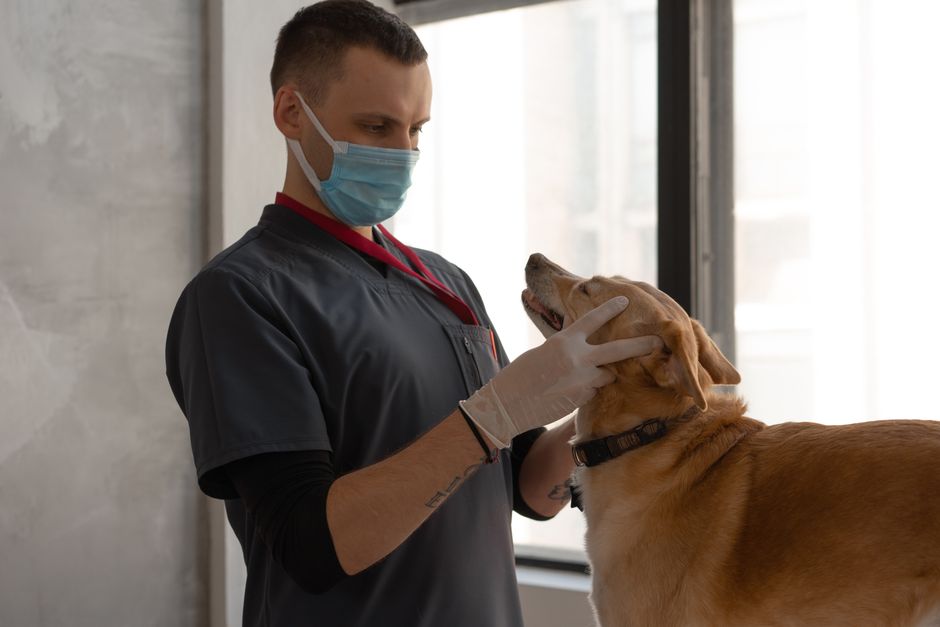
Most successful skin plans are “cause first, soothe second.” A vet may treat symptoms while also finding the trigger.
Common medical steps (so you know what to expect)
- Skin scraping or microscopic tests: to check mites or parasites.
- Ear exam: to identify yeast, infection, or ear mite signs.
- Fungal testing: when round patches or persistent flaking suggest fungus.
- Allergy testing or elimination diets: if environmental or food allergy is likely.
- Prescription shampoos or medicated wipes: when yeast or bacterial involvement is suspected.
Cost varies a lot by region, but as a rough 2026 reality check, a vet exam plus basic skin tests often starts around the price of a standard office visit, and additional testing can add up. The good news is correct diagnosis usually saves money later because you stop repeating the wrong treatments.
What to Stop Doing: Common Pet Owner Mistakes That Worsen Itching
If you’ve ever thought, “More scratching must mean it needs more bathing,” I get it. But many common mistakes keep skin irritation going.
5 mistakes I see repeatedly
- Using human lotion or essential oils: fragrances and ingredients often irritate pet skin.
- Bathing too often: stripping oils makes dryness worse.
- Ignoring flea prevention: even indoor pets can get fleas through shoes, visitors, or open doors.
- Trying three shampoos in one week: you lose the ability to tell what helped (and what didn’t).
- Trimming mats without a plan: you can pull hair from irritated skin and create bleeding.
If you want to change grooming routines, do it gradually. Skin likes consistency.
Helpful Grooming and Home Lifestyle Tips (That Actually Reduce Itch)
Grooming isn’t just for looks. It’s part of skin care. Small changes at home can reduce triggers day after day.
Brush smarter, not harder
Use the right brush for your pet’s coat type. For many dogs, a slicker brush helps pull loose hair, but it should not scrape the skin. For cats, gentler brushing reduces hairballs and helps remove dead fur without rubbing too aggressively.
Brush frequency is different for each pet. In general, mild brushing 2–4 times per week helps many coats without causing irritation.
Wash bedding regularly (and keep it simple)
Bedding holds dander, dust, and allergens. Wash it weekly if your pet has active itching. Use warm water and choose fragrance-free detergent. If your pet has allergies, consider swapping scented room sprays and strong carpet cleaners during flare-ups.
Manage indoor air
Dry air makes flaking worse, especially in winter. In 2026, many homes use small humidifiers or air filters. Aim for comfort humidity (not swampy). If you see mold or condensation, dial it back.
Try a “skin journal” for 2 weeks
This is the approach I trust most when the cause isn’t obvious. In a simple note, track: itch level (0–10), new spots, bath dates, and any food or treat changes. After 14 days, you’ll have patterns you can share with your vet.
One original insight that saved me time once: changes in itch after meals were easier to spot when the journal included “time after eating,” not just “today vs. yesterday.” That helped narrow a food-related trigger faster.
Internal Links: Related Posts You Might Find Useful
If you’re also working on behavior and routines (which matters during flare-ups), you may like these:
- Pet Training for Itching & Scratching Boundaries: Stop the Loop
- Animal Health: Fleas & Ticks Seasonal Checklist for Dogs and Cats
- Pet Care Grooming Routine: How Often Should You Bathe and Brush?
Conclusion: Your Best Next Step for Pet Skin and Coat Health
If your pet has itching, flaking, and dull fur, don’t treat it like a mystery that you have to guess. Start with a quick home skin check, confirm parasite prevention is up to date, and change one home variable at a time (like detergent and bedding). Keep it consistent for 7–10 days while you track what happens.
Then, if symptoms last more than 2–3 weeks, spread fast, or include smell, redness, or sores, get a vet exam. That’s the path that brings real relief and protects your pet’s coat and comfort.
Featured image alt text: Close-up of a dog’s coat showing pet skin and coat health flaking and mild redness before grooming