

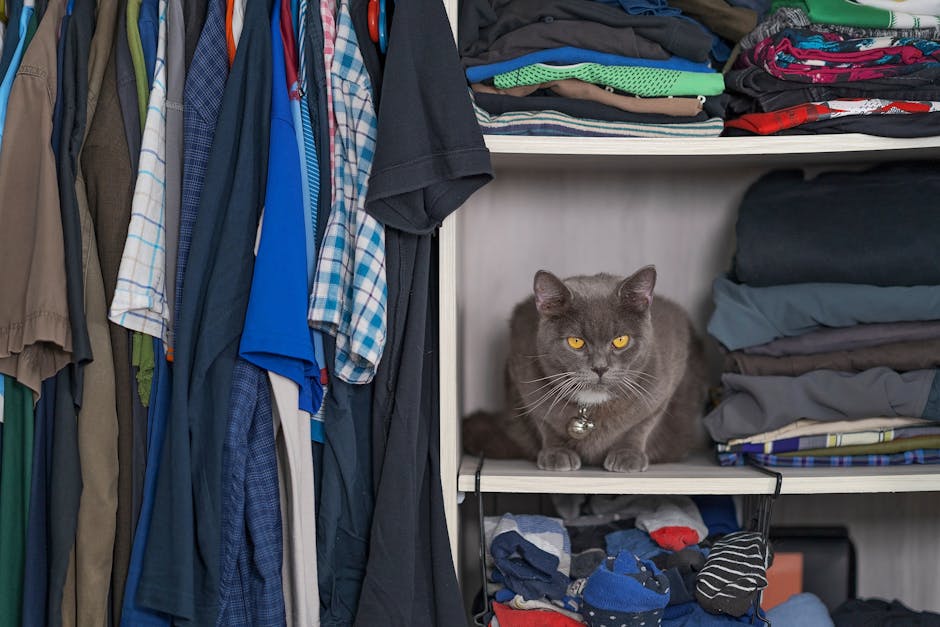
If you’ve ever stepped on a squeaky toy at 7:10 a.m., you already know the truth: home organization isn’t just for humans. When your space works for your pets too, you spend less time cleaning and more time living. In 2026, the best home organization tips that make life easier for pets and people focus on safety, routines, and “less searching” moments—like finding a leash without turning your whole house upside down.
Here are 10 practical tips I’ve used in real homes (including the kind where a dog thinks every sock is a snack). Each one is meant to be simple, budget-friendly, and easy to stick with.
1) Start with “pet-safe zones” (your house needs rules, not just storage)
Make a few clear areas where pets can be, and keep everything else just a bit more protected. A pet-safe zone is a spot where your dog, cat, or small animal can move without constantly getting into trouble.
For example, pick one “quiet” corner for a cat bed and one “busy” area for your dog’s food, water, and chew toys. Put baby gates or a room divider where you need a line. This isn’t about locking pets out forever. It’s about reducing the number of times you need to say “no.”
What most people get wrong: they store pet items anywhere convenient, then wonder why treats end up in the wrong drawer. Choose zones first, then store inside them.
Quick setup I recommend
- Dog zone: a mat near the door + water station + chew toys in one lidded bin.
- Cat zone: a small shelf for food and meds + a low toy basket + a litter setup you don’t have to step around.
- Small pets: store hay, bedding, and cleaning tools in one cabinet near the cage.
If you’re also working on animal health routines, this connects with good practices like consistent grooming and keeping supplies handy—see our post on grooming and skin care basics.
2) Use “one handle per job” storage (the leash drawer problem)
Every daily task should have one clear storage place—and one easy way to grab it. When you have to open three bins to find a leash, that’s when shortcuts happen. And shortcuts lead to forgotten meds, missed walks, or toys under the couch.
Look at your most common routines: leaving the house, feeding, cleaning up, and playtime. Then assign each routine one “handle” storage spot.
Example: leaving the house
I keep all “out the door” items together near the entryway: leash, poop bags, treats, and a spare collar. If you have a cat, it might be a travel carrier + wipes + a small lint roller.
Use a wall hook for leashes and a small caddy for bags. For deeper storage, pick a bin with a handle so you can grab it in one motion.
3) Label with purpose—use words your pets can’t misread
Labeling should help humans, not just look neat. I’m a big fan of simple labels that match how your brain works. The goal is speed. When you’re tired, your eyes need to find things fast.
In a pet home, labels should also help you avoid mistakes that affect health. “Fish food” should never share a shelf with “cleaning tablets.”
My label rules (2026 version)
- One label per item type: keep “treats,” “meds,” and “cleaners” separate.
- Include a date: for meds or supplements, write “Start: Mar 1” or “Expire: Apr 2026.”
- Use big text: I prefer labels you can read from across the room.
If you’re working on routines that help with training, labeling also supports consistency. Consistency is a big part of positive reinforcement training.
4) Create a “mess zone” (so clutter doesn’t swallow the whole house)
Give mess a home, instead of letting it spread across counters, floors, and beds. A mess zone is a small area where items can land temporarily—especially during busy days.
This is one of those tips that sounds almost too simple. But it works because it reduces decision fatigue. You don’t need to pick a perfect spot for everything every time.
Where to place it
- A basket on a chair in the living room for “stuff that will be put away.”
- A small tray by the entryway for keys, pet tags, and grooming tools.
- A bin in the laundry area for clean towels used for pets (paw wipes, drying towels).
Set one rule: if the mess zone is full, you pause and reset. That’s the discipline part—not constant reorganizing.
5) Store food and treats using a “gravity-proof” system
Pet-proof storage is the difference between “organized” and “organized until your dog gets curious.” Many homes lose control around food. Bags tip, containers slide, and treats end up under the fridge.
Here’s what I do: I store pet food and treats in sealed containers inside a cabinet that doesn’t sit right next to the counter edge. If your pet can reach it, no label will save you.
Try this simple setup
- Keep the food in its original bag if it’s hard to pour, but move it into a lidded, airtight container for easy scooping.
- Put treats in two tiers: everyday treats in a small container you can grab during training, and backup treats in a higher cabinet.
- Never keep meds next to treats. Even if you label “meds,” pets may still follow scents.
Pro tip: if you use treat jars on a shelf, consider a cabinet with a latch. In homes with strong-jawed dogs, this saves you money long-term because you don’t replace broken containers as often.
6) Build a “clean-up station” you can use in under 2 minutes
Fast cleanup is what makes organization last. If cleaning supplies are hidden in a closet you hate opening, you won’t use them. Then small messes turn into bigger messes.
Create a dedicated clean-up station near where mess happens most: entryway, near the litter box, or by the couch where your pet likes to drop toys.
What to include (pick what matches your pet)
- Poop bag roll + extra bags
- Pet-safe wipes (for paws, accidents, or quick messes)
- Lint roller (especially if your cat or dog sheds)
- Small trash can with liner
- Enzyme cleaner for pet mess (avoid harsh smells that pets can keep returning to)
I’ve found that keeping a small set out beats “waiting until Saturday to clean.” Also, for cats, placing the wipes near the litter box means fewer decisions when you’re half awake.
If you’re curious about how training affects the mess, we have a guide on house training routines that pairs well with this setup.
7) Make toy storage a play tool, not a dumping ground
Toys should go somewhere that makes play easier, not somewhere you dread opening. Most people keep toys in a big bin. The bin becomes a “mystery pile,” and your pet loses interest because you can’t grab the right toy quickly.
I like a two-step toy system: a small daily bin within reach and a larger storage bin out of reach.
My “daily bin + rotation” method
- Pick 5–10 toys for the daily bin (for a cat) or 6–12 items for a dog.
- Rotate toys every 3–7 days. Keep the rest in a covered container.
- Wash or wipe the toys on a schedule, like every 2–4 weeks depending on use.
This cuts down on the number of toys on the floor, and it also keeps toys more exciting. In my experience, pets respond faster to a small “fresh” toy set than to a giant pile that never changes.
8) Use vertical space for pet supplies (and keep the floor clear)
Clear floors reduce accidents. When you free up space, you prevent trips, you stop chewing temptations, and it’s easier to see what’s on the ground (like a dropped hair tie).
Vertical storage can be a game-changer. Shelves, hooks, and wall-mounted baskets keep small items off surfaces where pets might knock them over.
Great places to go vertical
- Wall hooks near the door for leashes, harnesses, and carriers
- Over-toilet or hallway shelving for extra grooming tools
- Closet door hooks for lint rollers, nail clippers case, and brush spares
Important limitation: don’t store fragile items near the edge. If your pet jumps, a high shelf that’s too low can still turn into a toy drop zone.
9) Follow a “meds and safety” rule: one locked place, one checklist
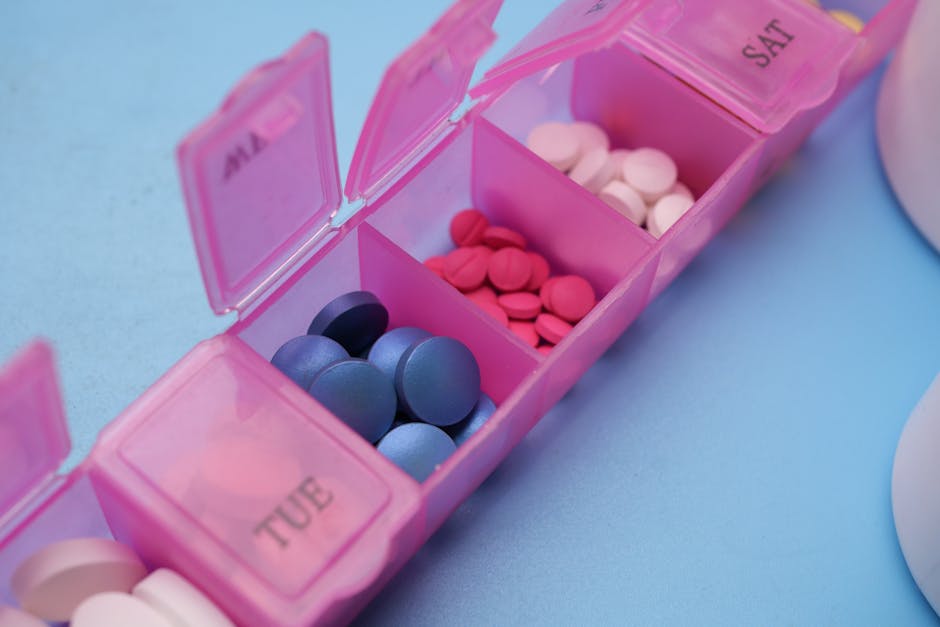
When it comes to health supplies, organization is safety. Meds, supplements, flea/tick products, and cleaning chemicals should never share the same cabinet shelf.
Meds and safety should have a simple structure: a locked container for anything pets shouldn’t access and a checklist so you don’t miss doses.
My checklist template (easy to copy)
- Pet name
- Medication/supplement
- Dose amount (write it exactly)
- Schedule (AM / PM / with food)
- Last given date
- Refill date (I write “refill by: Aug 10” so it doesn’t sneak up)
Use a locking box or a cabinet with a latch. If you have kids, this is even more important.
For deeper health routines, pairing organization with training can help pets tolerate handling. A big part of grooming desensitization is having the right supplies ready and stored safely.
10) Organize by “handling speed,” not by what looks pretty
The best home organization tips for pets and people are the ones that work during real moments: the 8 a.m. rush, the late-night accident, the “we’re out of treats” surprise.
Instead of organizing by category only (like “brushes” or “cleaners”), organize by how fast you need to grab things. If you need it daily, it should be within arm’s reach. If it’s weekly, it can live higher up. If it’s monthly or only for emergencies, keep it in a less-used area.
A simple handling-speed rule
| Frequency | Where it goes | Example |
|---|---|---|
| Daily | Counter/inside reachable drawer | Food scoop, treat container, paw wipes |
| Weekly | Top shelf or labeled bin | Extra brushes, grooming spray |
| Monthly | Cabinet or closet | New bedding pack, flea comb |
| Emergency only | Locked, clearly marked place | Pet first-aid kit |
This is where my opinion comes in: pretty storage isn’t helpful if it costs you time. A small, ugly setup you can use in 10 seconds wins every time.
People Also Ask: Quick answers about pet-friendly organization
How do I organize my home if my pet is still learning boundaries?
Use barriers and “temporary zones” instead of perfect cabinets. In the early training stage, focus on safe storage and controlled access. For dogs, a baby gate near the kitchen or laundry stops most trouble fast. For cats, keep tempting items off counters and use enclosed litter area setups that don’t spill.
If you’re also teaching boundaries, connect organization to training. For example, when your dog is working on “leave it,” store toys and shoes in the same “safe zone” every day so the cue matches the environment.
What’s the safest way to store pet medications at home?
Store meds in a locked container, with a checklist and clear labeling. Keep medication away from treats, and never store human medicine where pets can smell it. In many homes, the biggest mistake is putting pills in an “easy-to-reach” drawer during a stressful day.
As of 2026, many owners are also using phone alarms for dose times. I recommend both: alarms for reminders and a written checklist for accuracy.
How can I reduce pet hair and still keep things organized?
Put hair tools where you use them. Keep a lint roller in the same spot as your keys or near the sofa. For laundry, use a covered hamper and keep pet blankets in a separate bag until wash day.
Also, don’t overstuff closets with extra blankets. If you can’t see what you have, you end up washing too late or grabbing the wrong item.
Should I use bins or open shelves for pet supplies?
Choose bins for messy or tempting items, and open shelves only for items your pet can’t reach. Lidded bins are great for toys, leashes, and cleaning supplies. Open shelves are okay for bulky items if they’re high and stable.
One common mistake: open bins at pet eye-level. Dogs will learn what’s there fast, and cats will knock it down to “check.”
Can organization improve pet training results?
Yes—because your environment supports your cues. Training works better when the same objects show up in the same places. When you reduce access to distractions (like shoes or food containers), it’s easier for your pet to focus.
For practical guidance on building routines, the tips above pair well with our posts on positive reinforcement training and house training routines.
Conclusion: Pick one change today and make it stick
If you want life to feel easier for both pets and people, don’t try to reorganize everything in one weekend. Choose one system that affects daily routines right away: a pet-safe zone, a clean-up station under 2 minutes, or a “one handle per job” storage spot.
My best advice is this: organize for the moment you actually live in. Put the right items where you can grab them fast, keep unsafe stuff locked away, and store toys like tools for play—not like clutter you’re hiding. Do that, and you’ll feel the difference in just a few days.