

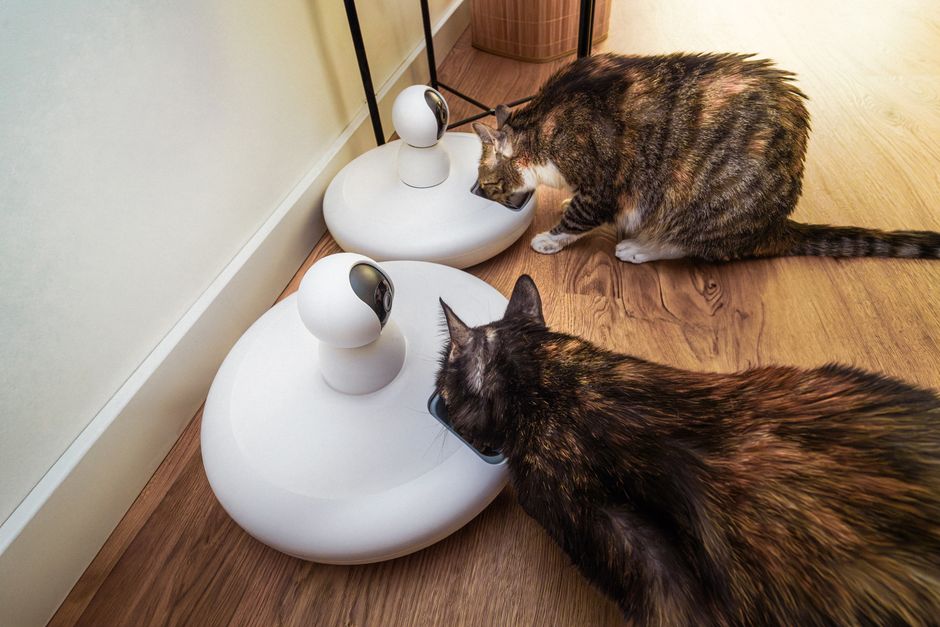
If you’ve ever walked into your kitchen and thought, “Wait… is that safe for my dog?” you’re not alone. The biggest shift in pet care in 2026 isn’t just new vaccines or new kibble—it’s how pets and smart homes are starting to mix. More owners are using cameras, auto-feeders, air-quality sensors, and even pet-safe automation, and the safety rules are changing right along with it.
In this Pet News Roundup, I’ll break down the recent trends I’m seeing in animal health, safety, and smart home living. You’ll get practical, home-ready steps you can use today—not vague tips.
Pet News Roundup takeaway: Smart home pet tech is growing fast—so safety settings matter more than ever
Smart home devices for pets are everywhere right now. As of 2026, more households are using Wi-Fi cameras, smart doorbells, automatic feeders, and air monitors that track things like smoke and harmful particles. The best part is peace of mind. The risky part is assuming “smart” means “safe.”
Here’s the rule I follow: if a device can move, dispense, heat, lock, or spray, it needs a fail-safe plan. I learned this the hard way when a family friend’s smart feeder started dropping extra food after a power glitch. The dog didn’t get hurt, but the mess was a wake-up call. Food problems can become health problems quickly.
What’s changing in pet safety systems right now
Two big trends are showing up:
- More sensors (air quality, humidity, motion, door open/close) to catch problems early.
- More automation (auto-lock doors, timed feeding, smart gates, voice alerts) that reacts to those signals.
As a result, owners are also watching for new risks. A camera can mean privacy worries. A smart lock can mean a pet gets stuck outside. A “pet mode” can mean less supervision when you assume everything is handled.
Quick safety checklist for smart pet homes (do this in 20 minutes)
- Test power loss: unplug your feeder/camera for 60 seconds, then plug back in. See what it does.
- Check permissions: look at who can view feeds and who can change feeding schedules.
- Set alerts: phone notifications for “offline,” “motion detected,” and “device needs attention.”
- Use a physical backup: a regular bowl for a feeding fallback, not just a smart feeder.
- Lock away chemicals: even “smart” kitchens should still have latches for cleaners and soaps.
If you want more home-focused tips, you might like our post on pet-proofing every room—it pairs well with smart devices because it covers the things sensors can’t detect.
Pet News Roundup takeaway: Air quality and allergy care are getting more attention (and smart sensors are part of it)

A big animal health trend in 2026 is treating the home environment like part of health care. More owners are tracking pet allergies, dry skin, wheezing, and seasonal flare-ups. Then they add home sensors to help them spot triggers sooner.
Air quality monitoring is becoming more common, but here’s what most people get wrong: they buy a number (like “PM2.5: good”) and stop there. A pet’s body can react even when the display looks fine, especially if something changes during the day (cooking, candles, cleaning sprays, dust).
Actionable steps for pet-safe indoor air
I recommend this simple approach because it works even if you don’t buy new tech.
- Use fragrance-free cleaners around pets.
- Ventilate: run a fan during cooking and after using sprays.
- Vacuum with a HEPA filter if your pet sheds a lot. Hair and dander build up fast.
- Wash bedding weekly in warm water when you can.
- Track flare-ups: write down the day and time symptoms show up.
Where smart sensors help most
Air sensors are best for catching patterns, like:
- Smoke spikes after grilling or using a stovetop.
- Dust spikes after sweeping, especially with pets underfoot.
- Humidity drops that worsen dry skin.
One original tip I swear by: add a “pet symptom log” that you can compare with sensor history. For example, if your cat’s sneezing starts every evening, check what changes around that time (litter box scooping, laundry room activity, or HVAC cycle). It turns guesswork into a timeline.
If your pet’s symptoms are skin-related, our guide to itching and common skin problems is a helpful companion read.
Pet News Roundup takeaway: Veterinary care is moving toward earlier detection, not just treatment
One of the biggest health trends I’m seeing in 2026 is earlier catching of problems. It’s not only about vaccines. It’s also about risk scoring, lab screening, and using data from routine visits.
Many clinics now do more “baseline” work like blood and urine tests at recommended intervals, especially for older pets or pets with known risk factors. Baseline tests are like taking a snapshot. If something changes later, you’re not starting from zero.
What “early detection” looks like in real life
Here are examples from common scenarios:
- Senior dogs: more clinics recommend kidney and liver checks when symptoms aren’t obvious yet.
- Overweight pets: vets track body condition and use lab results to guide safe weight loss plans.
- Chronic itch or stomach upset: labs can rule out common causes before you bounce between diets.
People Also Ask: Do I need bloodwork every year?
Direct answer: Many pets benefit from periodic bloodwork, but the exact schedule depends on age, breed risk, and current health.
In my experience, annual bloodwork is often helpful for older pets (especially 7+ for many dogs, and a similar “senior” point for cats). For younger pets, some vets suggest less frequent testing unless there are symptoms or risk factors. The key is to ask your vet what the bloodwork is trying to catch and how it changes the plan if results are off.
Pet News Roundup takeaway: Pet injury prevention is expanding beyond “watch your pet”—it’s about guarding the whole home
Safety trends in 2026 are moving from general advice (“be careful”) to specific prevention. Pet parents are thinking about slip risks, toxin risks, burn risks, and even the dangers of small items that hide under furniture.
I’m also seeing more owners switch to safer materials and safer setups, like cord covers, chew-proof anchors, and locking cabinets. That’s not just for “bad days.” It’s for everyday moments, like when you set down a package tape spool or leave a bottle cap within reach.
Top 6 home hazards to check this month
- Toxic plants: double-check holiday plants and common houseplants.
- Cleaning products: keep them in a locked spot, not just “high.”
- Cords and chargers: chew + electricity is a nasty mix.
- Small objects: kids’ toys, sock bits, and bottle caps.
- Hot surfaces: space heaters, stovetops, and curling irons.
- Medications: even “left for a second” can become a disaster.
Smart home safety detail people miss
Smart home safety isn’t only about pets getting into things. It’s also about automation creating new dangers. For example, a robot vacuum can bump a shy cat repeatedly, then the cat hides under a bed. That’s stressful, and stress can trigger health issues.
So I suggest you set “no-go zones” and schedules. Keep the vacuum out of areas where your pet sleeps, eats, or uses the litter box. If you can’t do zones, at least start on a schedule when you’re home for supervision.
Pet News Roundup takeaway: Training trends are leaning toward kinder, faster feedback loops
Training is changing too. More owners are focusing on quick feedback, clearer cues, and less “correction.” This is especially true for leash skills, recall basics, and reducing reactivity around other animals.
As of 2026, I’m also seeing more people use training tools that track behavior patterns—like smart collars or door sensors that log when a pet barks. But tech should support training, not replace it.
Training approach that’s working: short sessions + timing
My go-to plan is simple:
- 2 to 5 minutes per session
- no more than 3 sessions per day at first
- reward within 1 second of the behavior you want
Most training mistakes are timing mistakes. People praise after a pet finishes the action, not while they’re doing it. That can teach the wrong behavior.
People Also Ask: Can I train my dog with a smart camera?
Direct answer: Yes, but only if you use it to improve timing and your understanding of patterns—not to “scold” your dog.
I’ve watched owners do this the wrong way. They see barking and start talking through the speaker, then blame the dog for being “untrainable.” In reality, the dog is confused. If you’re using a camera, use it to identify what triggers the behavior (door sounds, delivery knocks, neighbors, shadows). Then adjust the environment and training plan.
If you want a training-focused companion, check out leash reactivity steps—it’s built for real-life situations, not perfect practice runs.
Pet News Roundup takeaway: Smart home living for pets includes “sound and light management,” not just devices
Smart homes change how sounds travel and how light hits floors and walls. In 2026, pet-friendly home setups increasingly include “behavior-friendly” lighting and calmer sound patterns.
Some pets react to motion lights, automatic night lights, or sudden camera alerts. Even small changes—like a new Wi-Fi router placed near a favorite window—can affect routine. Pets notice patterns more than we do.
Simple upgrades that calm pets
- Use soft lamps instead of bright motion lights near pet resting areas.
- Turn off unnecessary chimes from devices (especially at night).
- Create a “safe zone” with a closed door and familiar bedding.
- Keep feeding and potty routines consistent even if the rest of the home is automated.
What most people get wrong about smart pet routines
People assume scheduled feeding solves everything. It helps, but routine isn’t only meals. It’s the full rhythm: potty timing, quiet time, play breaks, and when you come home.
In my own home, I learned that if I leave at a weird time and my dog gets one less potty break, the “smart feeder” doesn’t matter. The issue is stress and physical needs, not the food schedule. Fix the basics first.
Pet News Roundup takeaway: Pet-safe technology choices are changing—here’s how to pick smart devices the right way
New pet tech appears constantly, and it’s tempting to buy the latest thing. But the most useful trend in 2026 is actually smarter buying: fewer devices, better settings, and better safety checks.
I look for three things before I recommend a device in a pet home:
- Clear safety controls (manual override, offline behavior, and easy disable).
- Reliable power plan (battery backup or a plan for what happens during outages).
- Pet-friendly design (materials that are safe for chewable items, not just “for pets.”)
Quick comparison: smart pet devices by risk level
| Device type | Main benefit | Top safety risk | What to check |
|---|---|---|---|
| Auto-feeder | Regular meals | Overfeeding after glitches | Offline behavior + portion settings |
| Smart camera | Watch when you’re gone | Privacy and stressful alerts | Privacy controls + notification rules |
| Robot vacuum | Less hair and mess | Stress or falls | No-go zones + schedule timing |
| Air monitor | Early trigger spotting | False sense of safety | Use it with symptom tracking |
This table is meant to help you think. It’s not a brand review, and I’m not pretending one device is perfect for every home. Your pet’s habits matter more than the marketing.
Pet News Roundup takeaway: Emergency readiness is trending—because delays cost time

Another big change in 2026 is more people setting up emergency plans before something happens. You’ll see it in online communities, vet reminders, and even smart home checklists.
Emergency readiness doesn’t mean panicking. It means you’re ready to move quickly.
Make a simple emergency card (and put it where you’ll find it)
Write this on a card and put it by your phone or on the fridge:
- Vet name and address
- Emergency vet phone number
- Your pet’s weight (estimate is fine)
- Allergies/medical conditions
- Medication list
- Any recent test results (if you have them)
Then add one more line: “Favorite treats for transport.” Sounds silly, but it helps keep your pet calm in the car.
People Also Ask: What should I do first in a poisoning situation?
Direct answer: Call a poison help line or your vet right away, and follow their instructions. Don’t guess.
If you suspect poisoning, speed matters. Try to identify the substance if it’s safe to do so (label, photo, package). Then contact professionals. I’m keeping this general because the right step depends on what was eaten or contacted.
My take: The best pet homes in 2026 are “boringly consistent,” not overly automated
Here’s my honest opinion after watching a lot of pet households: the smartest homes aren’t the most tech-heavy. They’re the ones with consistent routines, clear safety rules, and owners who understand what their devices do during mistakes.
Smart home tech is great for spotting issues early and reducing daily friction. But it can’t replace supervision when it counts, like when you’re introducing a new chew, changing a cleaning product, or training with distractions.
If you do one thing today, do this: pick one part of your home that feels “hard” for your pet (kitchen counters, cords, litter area, stairs). Then make it safer in a measurable way. That’s how the trends turn into real health wins.
Action plan: Your Pet News Roundup next steps (save this)
Use this quick plan to put the 2026 trends to work in your own home.
- Run a smart device safety test (unplug/reboot and check feeding behavior).
- Do a 10-minute hazard sweep (cords, cleaners, meds, small objects).
- Start a symptom log for 7 days (itching, sneezing, barking triggers, stomach issues).
- Schedule training in short bursts (2–5 minutes, reward timing within 1 second).
- Prepare an emergency card and keep it visible.
That’s it. Not a huge remodel. Not a huge shopping list. Just clear steps that protect your pet and make your home feel safer for both of you.
Featured image alt text suggestion: “Pet News Roundup smart home safety setup for dogs and cats with camera and air sensor”