

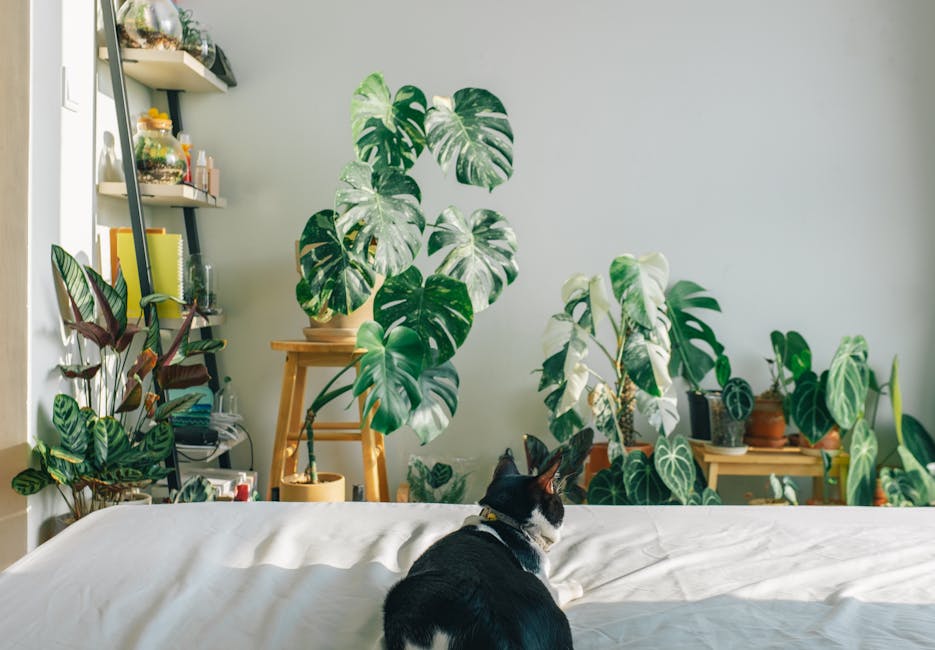
If you’ve ever watched your dog steal a nibble from a plant pot, you already know how fast “cute home decor” can turn into an emergency. The good news? In 2026, creating a pet-safe space is still easy—if you know what’s dangerous and what isn’t.
Pet-safe plants and home decor means choosing items that won’t harm your pet if they chew, lick, or investigate with their nose. That includes obvious houseplants, but also common decor like dried floral arrangements, wreaths, and even certain “air freshener” scents that cling to leaves.
In this guide, I’ll compare toxic vs. safe choices, show you how to spot risk quickly, and help you set up your home so your pet can roam without you hovering every second.
Pet-Safe Plants and Home Decor: The simple rule that prevents most problems
Most “plant poisoning” calls happen because people guess wrong about what’s in their home. Here’s the rule I use when I’m decorating with pets in mind: assume any plant that’s not clearly identified is unsafe, and treat anything your pet can chew as a potential problem.
Plant safety isn’t just about “will it kill my pet?” It’s also about irritation, vomiting, diarrhea, drooling, and mouth pain. Even non-lethal reactions can mean vet visits and stress for everyone.
Pet-safe home decor includes more than greenery. It also covers the pot, the soil, and what’s around it—like fertilizers, mulch, and decorative stones that can be swallowed.
What “toxic” vs. “safe” really means for pets
Toxic means the plant or decor can cause harmful effects when a pet chews, licks, or ingests it. Safe doesn’t mean “tastes good to pets,” it means “isn’t known to cause harmful reactions” in normal household contact.
For dogs and cats, the biggest risks are mouth and stomach upset first, then organ issues in certain plants. Cats are especially likely to get into plants because they groom a lot and they jump.
Toxic plants often cause one of these reactions
- Mouth irritation (drooling, pawing at the mouth, lip smacking)
- GI upset (vomiting, diarrhea, loss of appetite)
- Heart or nervous system signs in a few plant types (this is an emergency)
When I help friends plan a pet-friendly living room, I tell them to watch for drooling, repeated vomiting, and hiding. Those are “don’t wait” signs—call your vet or a pet poison hotline right away.
Common toxic vs. safe plants: quick comparison you can actually use
Below is a practical comparison of plants people buy all the time. I’m listing what many pet owners run into, plus what I recommend instead.
| Plant / Decor Item (Common Name) | Typical Pet Risk | Safer Swap for a Pet-Friendly Home |
|---|---|---|
| Pothos (Devil’s ivy) | Toxic if chewed; mouth irritation and stomach upset are common | Areca palm (in many homes it’s better tolerated, but still supervise chewing) |
| Philodendron | Often toxic; causes drooling and vomiting when ingested | Spider plant (easy to care for and commonly used in pet homes) |
| Peace lily | Leaves can irritate; drooling and GI signs possible | Boston fern or bamboo-style safe options (choose based on your pet’s interest) |
| Snake plant (some “succulent” sections too) | Many sources list it as toxic-ish; symptoms can include vomiting | Jade plant is debated—many vets advise avoiding it; I prefer spider plant or safe herbs you can place high |
| Amaryllis | Bulb can be very dangerous if chewed | Ornaments made from non-leaf materials, or pet-safe faux plants placed out of reach |
| Christmas plants (like holly) | Holiday greens can cause vomiting and drooling | Pet-safe holiday decor (see seasonal section below) |
My honest note: “Safe” lists can vary by source, and individual pets react differently. If you want the highest confidence, look for plants labeled as non-toxic by a reliable local nursery, then keep them somewhere your pet can’t reach.
What most people get wrong about “safe plants”
- They forget the potting mix. Some soils include fertilizers or wetting agents that upset the stomach.
- They think “it’s pet-safe” means “it’s chew-proof.” Many safe plants still cause stomach upset if a pet eats a lot of leaves.
- They buy based on photos. Labels matter. If the plant has no tag, it’s a guessing game.
Pet-safe home decor isn’t just plants: the hidden toxic traps
One of the most common surprises for new pet parents: the danger is often around the plants, not in them. As of 2026, more people are using “decorative” soils and new air-care products, and pets interact with those too.
Check these decor items in your home
- Fertilizers and plant food: even slow-release types can be harmful if a pet digs and eats clumps. Store all bags and bottles behind a closed door.
- Mulch and cocoa-based products: cocoa mulch can be a problem for dogs. Use pet-safe alternatives like pine-based mulch and keep it covered.
- Wreaths and dried arrangements: dried flowers can still irritate or carry mold. If your pet chews, swap to fabric or faux decor that stays out of reach.
- Essential oils and scent sprays: some pets get tummy upset or breathing irritation. I keep diffusers off when I know a pet is actively exploring.
- Small decorative stones: pets swallow them. This is less about toxicity and more about choking and gut blockage.
Experience tip from my own “oops” moment
I once helped a friend place a “safe” tabletop plant right next to a couch where their kitten liked to jump. The plant wasn’t toxic, but the soil bag had a crumbly top layer that the kitten kept pawing. We didn’t have a poisoning situation—we had repeated GI upset. We fixed it by switching to a sealed pot top (no access to soil) and moving it higher.
That’s the angle I want you to remember: a safe plant can still cause problems if your pet is digging, chewing, or swallowing soil.
How to create a pet-safe layout in 60 minutes (room-by-room)

If you want results fast, do a mini audit instead of relying on memory. Here’s a simple 60-minute setup plan I use for living rooms, kitchens, and entryways.
Step 1: Pick “safe zones” and “no-chew zones”
Choose one area where your pet can relax without jumping onto decor. Then decide where plants go: either behind a barrier or high enough that chewing isn’t realistic.
- For cats: use a tall shelf with a solid backing and place plants 6+ feet from the floor if your cat is a jumper.
- For dogs: use a baby gate or a closed-door room if your dog steals things.
Step 2: Use barriers that look good
You don’t need ugly plastic in every corner. Try decorative plant stands with a wide base, or use a cabinet-style plant shelf with doors you can keep shut when you’re away.
For floor planters, use a ring of rocks? I’m cautious—small stones can be swallowed. Better option: use a cover or stable planter designed to stop digging.
Step 3: Replace “mystery plants” immediately
If you don’t have the plant name, treat it as toxic until proven safe. I’ve seen too many situations where an Etsy seller used generic descriptions or the plant label fell off.
As of 2026, the easiest move is: keep the tag, take a clear photo of the label, and store it in your phone album.
Step 4: Remove risky add-ons
- Move fertilizers and plant food out of reach
- Swap cocoa mulch for pine or other pet-friendlier options
- Keep pot saucers clean so water doesn’t pool with soil crumbs
Step 5: Add one training support (this reduces risk fast)
Plants are easier to keep safe when your pet learns boundaries. If your dog is the plant-nibbling type, I recommend combining the setup above with training cues like “leave it.”
You can pair this article with our guide on teaching “leave it” for plant distractions so the behavior part supports the safety part.
People Also Ask: pet-safe plants and toxic home decor questions
Are fake plants safe for pets?
Fake plants can be safer than live plants for toxicity, but they’re not automatically safe for chewing. If your pet chews, they may swallow parts, stringy materials, or loose leaves.
My suggestion: use high-quality faux plants that don’t shed and place them where chewing isn’t likely. Also check that any glue, paint, or decorations aren’t flaking.
What should I do if my pet eats a plant?
Don’t wait for symptoms if you know or strongly suspect a toxic plant. First, remove remaining plant pieces from your pet’s mouth. Then call your vet or a pet poison hotline with the plant name and a photo.
If you don’t know the name, take a clear photo now and preserve any label. Time matters because some plants cause symptoms quickly.
Are lilies toxic to cats?
Yes—many lilies are extremely dangerous to cats. Even small exposures can cause serious illness, and it’s one of the first things I check when friends ask about pet-safe arrangements.
If you have cats, avoid lilies and keep floral bouquets out of reach. In my home, any “cat-safe” claim doesn’t override that rule.
Can a pet-safe plant still cause problems?
Yes. Safe usually means “not known to be poisonous,” but pets can still get upset stomachs from eating leaves or from soil, fertilizer, or bugs that live on plants.
That’s why a physical barrier and basic training go a long way.
Best pet-safe plant picks for a healthier home (and how to place them)
Here are plant choices that are commonly recommended in pet homes. I’m also adding placement tips because “where you put it” matters as much as the plant itself.
Low-risk, beginner-friendly options
- Spider plant: hardy and popular in homes with pets. Hang it or put it on a shelf to reduce chewing.
- Boston fern: looks great and adds softness to decor. Keep soil covered to reduce digging.
- Areca palm: often recommended as a safer pick. Place where your pet can admire it but not reach it.
- Herbs (like certain basil types): if your pet nibbles, it’s usually less risky than many ornamentals. Still supervise and keep fertilizer away.
Placement rule: Put any plant within “reach” into the category of “maybe gets chewed.” Even safe plants should be treated that way.
My “calm corner” setup for multi-pet homes
In 2026, I see more households with both cats and dogs, and the conflict is real: the dog wants to investigate, and the cat wants to perch. My favorite fix is a calm corner with a tall shelf, a closed room option, and a single plant that’s protected.
I use a three-step routine: keep the room door closed when unsupervised, reward “settle” on cue, and keep the plant out of the jump path. If you want behavior help, our calm home routine for cats and dogs post has a simple daily schedule you can copy.
Seasonal decor: toxic traps during holidays and springtime
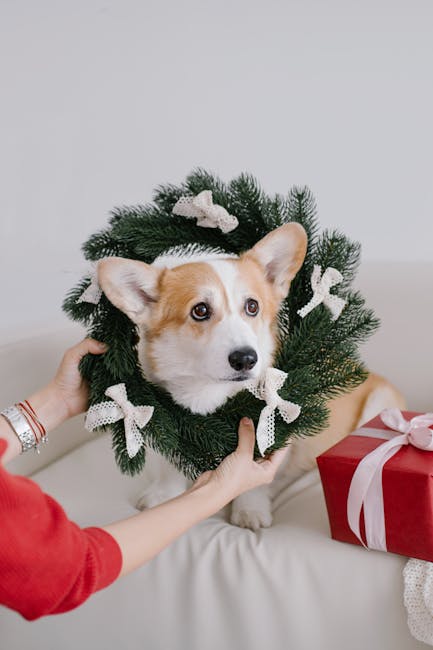
Every year, holiday decor becomes a repeat safety problem. People bring home decorations fast, then discover too late that pets treat them like edible toys.
Holiday and winter: what to avoid
- Fruit garlands with unknown additives
- Holiday plants like holly and certain lilies
- Potpourri or decorative scent mixes with oils
If you want that seasonal look, choose pet-friendly alternatives like felt garlands, LED candles, and wreaths placed behind a barrier.
Spring and summer: yard-to-home hazards
When spring hits, pets bring in grass, weeds, and pollen. If you bring flowers indoors, check the arrangement for bulbs and leaves. I also advise rinsing any cut stems before bringing them in.
This is also where training helps. Our post on dog-proofing your home from everyday hazards breaks down how to reduce scavenging habits without constant yelling.
Cost and time: what changes are worth it (and what isn’t)
You don’t need to replace your whole home. I’m big on smart swaps that give the best safety per dollar.
Worth the money
- Baby gates / barriers: usually under $50 to $150 and solve a lot of risk.
- Better planters with secure lids: great for stopping soil digging.
- Plant stand placement: sometimes free if you just move shelves.
- Training support: short sessions beat long scolding. Even 5 minutes a day helps.
Not worth the money
- “Deterrent sprays” that smell strong. Many can bother pets’ stomachs or noses.
- Cheap faux plants that shed fibers. That’s an ingestion risk.
My opinion: spend on barriers and setup first. Then train. That combo keeps your life calm.
A direct toxic vs. safe checklist (print this mentally)
If you want a quick way to decide in the store or at home, use this checklist. It’s built for real-life moments when you’re juggling pets and shopping bags.
Before you bring it home
- Is the plant name on the tag? If not, assume unsafe.
- Will your pet reach it and chew it? If yes, treat it like it’s unsafe.
- Are there small parts, soil, bulbs, or seeds that could be swallowed?
- Is there any strong scent or oil-based product attached to the decor?
After you set it up
- Watch for drooling, pawing at the mouth, vomiting, or hiding.
- If your pet digs: fix the planter access immediately.
- Reward “leave it” or “settle” around the plant to reduce repeat chewing.
Final takeaway: make safety the default, not the emergency
Pet-safe plants and home decor works best when you stop relying on guesswork. Choose safe plant types, but also control access—through placement, barriers, and simple training—so “chew time” doesn’t turn into a vet visit.
My actionable move for today: pick one room, move or remove anything you can’t confidently identify, and add one protective step (a barrier, a covered planter, or a high shelf). When your home is set up this way, you’ll spend less time worrying and more time enjoying your pets.
Featured image alt text suggestion: Pet-safe plants and home decor comparison of toxic vs safe houseplants in a living room