

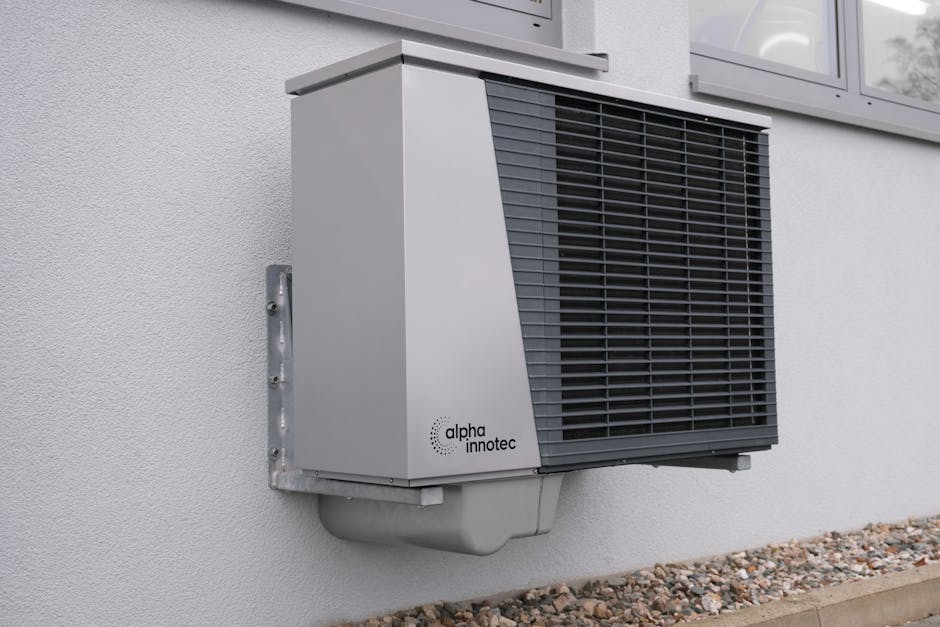
Monoblock heat pumps can be great for pet households because they usually bring comfort with less indoor noise and fewer messy indoor units. The tricky part isn’t the tech—it’s choosing the right setup so your dog or cat doesn’t feel stressed by heat cycles, airflow drafts, or strange sounds.
In my home, the “pet test” was more important than the brochure. The first week I ran a monoblock system, my older dog stopped sleeping by the door because the room stayed steadier. That’s the real win: fewer temperature swings and a calmer routine.
This guide breaks down what a monoblock heat pump is, how it heats (and sometimes cools), what to check for safety, and what most people get wrong when pets are involved.
Monoblock Heat Pumps Explained (Simple Definition)
A monoblock heat pump is a heating system where the main components sit in one outdoor unit. “Monoblock” means you don’t have to place the big noisy parts indoors, and that changes the whole experience for households with pets.
In plain terms, the system pulls heat from outside air, even when it’s cold, then moves that heat inside. Some models also switch to cooling, so you get two jobs from one system.
For families with animals, the key difference is usually this: the indoor living space often feels less “technically loud.” Instead of a separate indoor unit running, pets hear and sense mostly the outdoor unit’s sound at a lower level indoors.
How a Monoblock Heat Pump Works With Real Home Temperatures
A monoblock heat pump works by moving energy, not by creating heat out of nothing. It’s powered by electricity, but it “moves” heat from the outside into your home using refrigerant and a compressor.
Here’s what happens day-to-day in a typical 2026 setup:
- Heat mode: The outdoor unit absorbs heat from the air.
- Compressor: It compresses the refrigerant so the heat can be delivered at a higher temperature.
- Indoor heating: Heat goes to your radiators or floor heating system (depending on what you have).
- Control: The thermostat and controller keep the temperature stable.
If your pet gets anxious when rooms are stuffy or cold, the stability matters. Systems with outdoor temperature sensors and good control tend to avoid big swings. When you set a steady target temperature, pets usually settle faster.
Quick real-world example: If you set your living room to 21°C and your old system jumped between 19°C and 23°C, a dog might pace more. With monoblock heat pumps that run more smoothly, that pacing often drops because the air feels more even.
Why Monoblock Models Can Be Pet-Friendlier Than Split Setups
Monoblock heat pumps often feel more pet-friendly because the indoor air is handled more simply. Many split systems have indoor components that can run visible fans or create drafts, depending on the configuration.
That doesn’t mean every monoblock is perfect, but it does change what you can control.
What most people get wrong about pet comfort
People often focus only on the “temperature number.” Pets respond to the feel of air, the sound pattern, and where the heat shows up.
- Mistake #1: Running too hot to “heat fast.” If you crank it up, some homes get warmer near the heating pipes first, then cooler again. That push-pull can bother cats that like predictable spots.
- Mistake #2: Ignoring noise at night. Even if a unit is quiet most of the day, it may sound different during defrost cycles in cold weather.
- Mistake #3: Not thinking about airflow. Even heating by radiators or floor systems can change air movement. If you have forced-air ducts, check drafts carefully.
My “pet rule” is simple: aim for steady comfort, not fast spikes. In my house, that meant adjusting the target temperature slowly over a few days instead of making big changes in one evening.
Pet Safety Checklist for Monoblock Heat Pump Setups
Pet safety is mostly about placement, temperatures, and preventing accidental contact. Heat pumps are not “dangerous” in the way an open fireplace is, but pets are curious, and accidents usually come from small mistakes.
Outdoor unit placement (so pets can’t investigate it)
Outdoor units should have proper clearance around them and be mounted where pets can’t reach the base. Cats love to climb and dogs love to sniff low corners—so keep the area boring.
- Keep a clear zone around the unit for airflow and service.
- Use a secure fence or cover if your dog jumps or your cat climbs.
- Make sure cables are protected so chewing doesn’t happen.
My experience: I once had to reposition a cable cover because my beagle learned that thick rubber is chew-friendly. The heat pump worked fine, but the cable damage would have been a bigger problem than the noise.
Indoor comfort settings (avoid “too hot” for pets)
There’s no single perfect temperature for every pet. But many households do best in the 19–23°C range depending on your animal and insulation.
- For most cats and small dogs: keep it comfortable and steady. Sudden jumps cause stress.
- For warm-climate pets or thick-fur pets: avoid going too hot in winter.
- Watch older pets: they may feel cold faster but also get overheated if you crank it up.
If you’re unsure, pick a stable setpoint and watch for signs like panting, hiding, restlessness, or them moving away from their usual spot.
Humans set the thermostat, but pets feel the result
Use the “behavior check” for 3–5 days. If your cat stops using their favorite sunny chair, the room might be too hot or the air feels different near that spot. If your dog sleeps farther away from the radiator, the warmth pattern might not match their comfort preference.
That’s not a failure. It’s normal. Just adjust gently, the way you’d teach a new routine in pet training.
Noise, Defrost Cycles, and How to Prevent Nighttime Stress
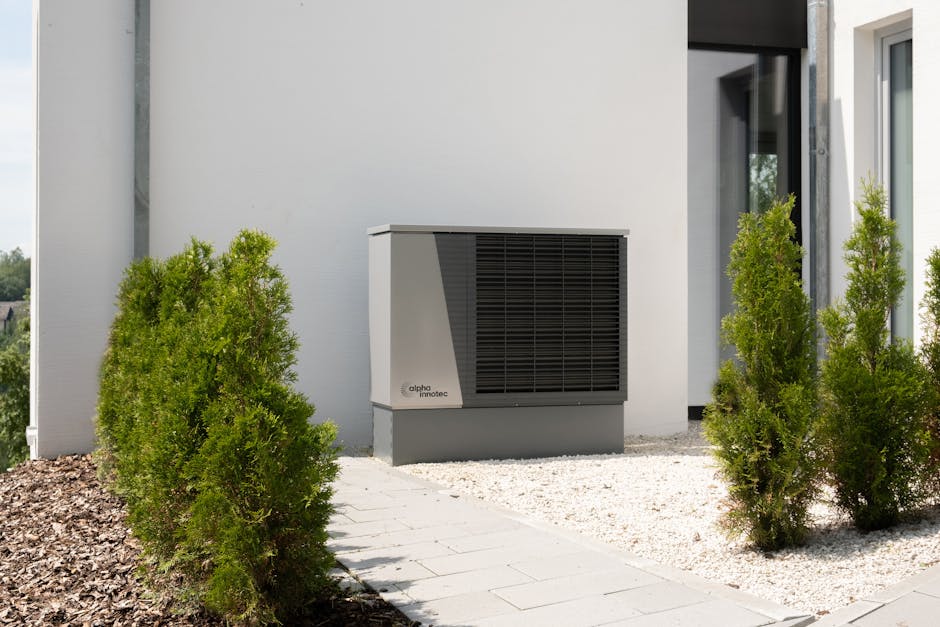
Many pet problems with heat pumps come from noise changes, not from the heating itself. With monoblock heat pumps, the outdoor unit can make different sounds when it runs normal heating vs. when it defrosts.
Defrost cycles refer to moments when the system clears ice from the outdoor heat exchanger. During very cold or wet weather, it may briefly reverse flow to melt ice. This can create a different noise pattern than your daily running sound.
How to spot if noise is the issue
Do a simple home test:
- Pick one night when it’s cold outside.
- Turn off other distractions (TV at low volume, fans).
- Listen for a repeating sound that starts after the unit has been running.
- Watch your pet’s behavior right then.
If your pet wakes or paces during that moment, you need a comfort strategy, not just a tech setting.
Practical ways to reduce the “pet stress” factor
- Change the unit location if possible: closer to a wall can reflect sound indoors. A slightly different mounting angle can help.
- Add sound-absorbing measures carefully: don’t block airflow. Pet safety comes first.
- Use sleep-room targets: set bedrooms slightly cooler but comfortable, so your pet isn’t forced to tolerate loud cycles at peak heat demand.
I’m careful here: I don’t recommend wrapping or blocking anything around the outdoor unit. In 2026, installers still insist on proper airflow clearance for safe operation, and you don’t want to mess with that.
Monoblock Heat Pumps for Pet Homes: Step-by-Step Setup
A good setup makes the heat feel calm and predictable. Here’s a step-by-step plan you can follow the week you install or start using a monoblock heat pump.
Week 1: Dial in comfort gently
- Start at a moderate setpoint: choose something close to what you used before.
- Keep the schedule simple: if you use time schedules, keep daytime and nighttime setpoints within 1–2°C.
- Track pet behavior: where do they sleep, how often do they change spots, and do they avoid vents or radiators?
Week 2: Fine-tune heating zones
If you have multiple rooms, don’t try to micromanage everything at once. Choose one comfort “anchor room” for your pet (like the living room) and keep it steady.
- If your pet sleeps near a radiator: check if it gets warm then cool too fast.
- If you have floor heating: make sure the floor isn’t overly hot in one spot.
- If you have portable fans: keep them gentle to avoid drafts that upset cats.
Week 3: Review settings based on real cold/wet nights
Cold weather tests show you what the system does under stress. Pay attention to defrost behavior and heating response time.
If defrost sounds bother your pet, consider small schedule changes. For example, you can slightly reduce the night setpoint and keep the living area comfortable, so the system isn’t working at maximum output all night.
Monoblock vs. Other Heat Pump Types: Which One Fits Pet Owners?
Not all heat pumps feel the same in a home. The “best” choice depends on how your home heats today (radiators vs. floor heating), your noise tolerance, and how your pets react to changes.
| Type | Where the main unit sits | Pet impact (typical) | Best for |
|---|---|---|---|
| Monoblock heat pump | Outdoor unit (main components) | Often steadier indoor feel, less indoor unit noise | Homes where you want simpler indoor setup |
| Split system | Outdoor + indoor units | More indoor components to hear/feel | Homes where indoor placement is carefully managed |
| Air-to-water system (varies) | Outdoor heat + water distribution | Comfort depends on control and water loop behavior | Radiator or floor heating compatibility |
My opinion from living with this: if your pets are noise-sensitive, monoblock usually gives you fewer “surprises indoors.” But if your home has airflow drafts (like ducts with fast fan cycles), you still need to fix that problem regardless of heat pump type.
Recommended Temperatures and Habits for Dogs and Cats
Pets don’t read thermometers. They read the environment. If your heating system creates a steady rhythm, animals do better.
Dogs: watch their resting spots
If your dog changes where they rest every few hours, that’s often a sign the environment is shifting. Try one adjustment at a time: keep setpoint steady first, then check draft areas, then check noise moments.
Also, remember older dogs and puppies can feel temperature changes faster. In winter, a warm blanket near (not on) the radiator can help them feel safe without overheating the whole room.
Cats: comfort zones beat one perfect temperature
Cats like choosing. Instead of forcing one warm area, give them a few choices: a cozy bed, a slightly warm corner, and a quiet room away from the outdoor unit sound.
If your cat avoids the “warm corner” after you start the heat pump, check whether the warm area now has different airflow or a different surface warmth pattern.
People Also Ask: Monoblock Heat Pumps and Pets
Are monoblock heat pumps safe for pets?
Yes, monoblock heat pumps are safe for pets when the outdoor unit is installed correctly and cables are protected. The main risks in real homes are usually contact (chewing or climbing), drafts, or discomfort from sudden temperature swings—not the heat pump itself.
Follow the installation clearance rules so the unit can breathe. Then set a steady temperature and observe your pet for 3–5 days.
Will a monoblock heat pump make my dog anxious?
It can, especially during defrost cycles or if the unit placement reflects sound indoors. The way to fix this is not “turn it off” right away—it’s to match the system’s rhythm with your pet’s sleep and comfort pattern.
Try a slightly lower night setpoint, add a calm resting area, and use gradual schedule tweaks over a week.
Do monoblock heat pumps dry the air like some heaters?
Monoblock heat pumps generally don’t dry air the same way old-style heaters can, but air comfort still changes. If you notice dry noses, dusty eyes, or pets itching, improve humidity with safe methods (like a humidifier) and ensure good ventilation.
In homes with very dry winter air, I’ve seen better pet comfort when humidity sits in a comfortable range for humans too.
How much power does a monoblock heat pump use in winter?
Energy use depends on your home insulation, outside temperature, and how you control the system. The good news is that pet-friendly setups usually aim for steady temperatures, which often avoid large spikes in heating demand.
As a practical check in 2026, track your electricity bill for the first 2–4 weeks after starting and compare it to last winter (if you can). If costs jump, the usual fix is not the heat pump—it’s setpoints, schedules, or radiator/floor heating balancing.
Choosing a Monoblock Heat Pump: What to Look For in 2026
In 2026, the best results come from choosing the right size and controls, not chasing the highest “cooling power” number. For pet households, choose features that help with steady comfort and quiet operation.
Size and output: don’t guess
Get a proper sizing calculation based on your home heat loss. If the system is too small, it runs longer and harder. If it’s too big, it may start and stop more often, which can be less comfortable.
Noise rating: check real numbers
Look for sound level specs in decibels (dB). Then think about your unit location. A unit that sounds fine in a showroom might be louder in your backyard corner with a wall reflecting sound.
Controls and sensors: steady wins for pets
Good controllers use outside temperature and sometimes inside temperature to adjust heat output smoothly. That reduces big swings, which pets feel immediately.
If you already have a smart thermostat, confirm it’s compatible with your heat pump model. If it isn’t, you might end up fighting the system’s control logic.
Where to Find Reliable Monoblock Options (and a brand example)
When I help friends choose, I tell them to shop where they can get real support, not only a “best price.” Having someone explain installation and settings matters a lot for pet homes.
If you’re looking specifically at a brand lineup, you can browse options like samsung monoblokas r290. An R290 refrigerant is propane, and modern systems use it with safety standards in mind, but you should still confirm installation details with the seller or installer for your home setup.
As of 2026, the best approach is to match the model to your heating type (radiators vs. floor heating) and your comfort needs—especially if you have pets that are sensitive to sound changes.
Extra Home Tips That Help Pets Adapt Faster
Heat comfort isn’t only the heat pump. Small home habits make the biggest difference in the first 1–2 weeks.
Do a “settling routine” when you start the system
During the first days, keep your pet’s routine the same. Feed at the usual time, walk when you usually do, and let them choose where to rest.
Then, if your cat is hiding more than usual, don’t scold. Give them a calm space away from the outdoor unit sound and let them explore the home at their pace.
Clean vents and keep airflow gentle
If you have any vents, register covers, or filters connected to your heating setup, keep them clean. Dusty airflow irritates pets more than you think, and it can look like “heat pump stress” when it’s really air quality.
Internal Links (Related Pet Care and Home Comfort Reads)
If you’re working on comfort for animals, you may also like our guide on pet care tips—it covers daily routines that help pets stay calmer during home changes. For behavior-focused advice, check pet training posts too, especially if your dog reacts to new sounds or moving equipment.
And if you’re curious about the bigger home-lifestyle picture—like how to keep a steady indoor environment for animals—visit our Pets & Home Lifestyle section. It ties together comfort, routine, and what pets actually notice day to day.
Clear Takeaway: Make It Steady, Not Sudden
A monoblock heat pump is usually a great match for pet households because the indoor experience is often quieter and more stable. The main thing is how you set it up: choose steady temperatures, protect your pets from easy access to outdoor parts, and pay attention to defrost noise patterns.
If you do one thing today, do this: set a comfortable target for your pet’s main rest room and keep it consistent for 3–5 days. Then adjust slowly based on your animal’s behavior, and your home will feel like “home” again—not like a new machine.
Featured image alt text: Monoblock heat pump outdoors for pet-friendly home comfort in winter, showing safe clearance and quiet operation.