

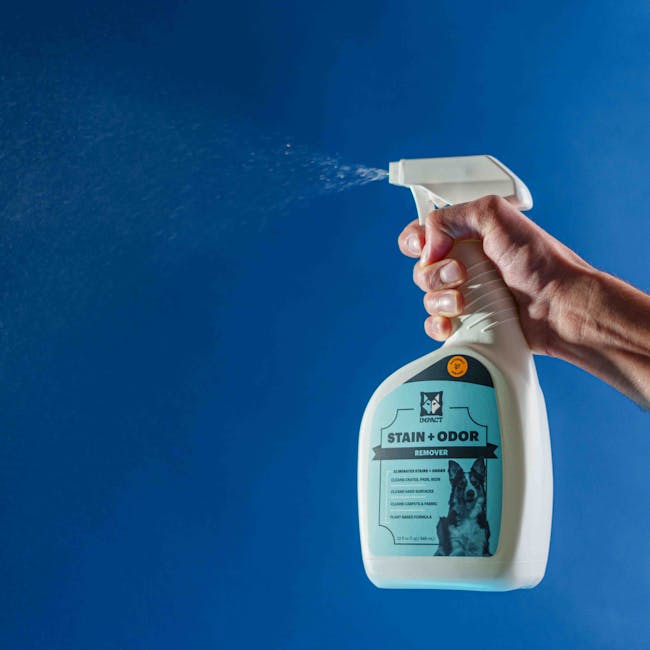
If you’ve ever cleaned your floors and then watched your dog pace like something smells “off,” you’re not imagining it. Many common cleaners leave fumes or residue that can irritate pets’ noses, skin, and lungs. The good news: you can clean a home that’s fresh and safer by picking products based on ingredients, not marketing claims.
In this ingredient guide, I’ll show you how I choose the best pet-friendly cleaning products, what each ingredient does, and which ones I avoid. I’ll also share real-life use cases (like muddy paw prints and puppy accidents) so you can pick products you’ll actually use.
Best Pet-Friendly Cleaning Products: start with the ingredient rules (not the label)
Pet-friendly cleaning is mostly about reducing harsh fumes and leaving less residue behind. In plain terms: you want cleaners that clean well without adding extra irritants to your home air.
Here’s my rule of thumb for 2026: if a product is strong enough to remove grease, it can also be strong enough to bother a pet—so you check the ingredients and use the right dilution. A safer choice isn’t “totally chemical-free.” It’s “less irritating, less toxic when used correctly.”
What “pet-friendly” really means in ingredient terms
Pet-friendly means the product is designed to be safer around animals when used exactly as directed. That usually means fewer harsh solvents, fewer strong acids or bases, and clearer directions for ventilation and rinsing.
When I’m buying, I look for three things on the label: the active ingredients, the directions (especially dilution), and whether it says to rinse or wipe after use.
Ingredient guide: what’s safer, what’s risky, and why
Different ingredients behave differently on pet skin and in pet breathing. Dogs and cats can be more sensitive than humans because their noses are closer to the floor and they groom often.
Safer ingredients I look for in pet-friendly cleaners
These ingredients are common in many effective, gentler products. They still need correct use, but they’re often easier on pets than harsh chemical mixes.
- Plant-based surfactants (like decyl glucoside, sodium lauroyl sarcosinate): These help lift dirt and grease. I like them for general wiping and floor cleaning.
- Enzymes (protease, amylase, lipase): Enzymes break down food, urine, and other organic mess. If you deal with accidents, enzymes are the gold standard.
- Hydrogen peroxide (lower concentrations, often 3%): This is an oxidizer that can kill germs without the same “chemical smell” as some bleach products. Always follow the label.
- Citric acid: It’s a mild acid for soap scum and hard water stains. It’s not for every surface, but it’s usually gentler than strong acids.
- Sodium carbonate or baking soda (for scrubbing): These help with odor and grime without strong fumes.
- Alcohols in small amounts (like ethanol): These can help with quick-drying sanitizing, but I still use them with ventilation and keep pets out until dry.
Ingredients I avoid or use only with extra caution
Not all “bad” ingredients are equally dangerous. Some are mainly an irritant; others are a true poisoning risk. Either way, I treat these with respect.
- Chlorine bleach (sodium hypochlorite): Great for killing germs, harsh for airways. If your pet breathes in fumes, it can cause coughing and irritation. I use it rarely and only with strong ventilation.
- Ammonia: It can be very irritating to pets’ lungs. Never mix with bleach (that can make toxic gas).
- Strong phenols: Some disinfectant wipes and older products include phenol compounds. They can be risky for cats and dogs.
- Quaternary ammonium compounds (“quats” like benzalkonium chloride): Many are used in disinfectants. They can leave residue that pets may lick. I use them only on items that can be rinsed or wiped well.
- Strong solvents (like some industrial-grade degreasers): These can be risky if pets chew rags or get residue on paws.
- Fragrance-heavy blends: “Fragrance” can hide many chemicals. If your product smells very strong, your pet may react even if it’s “low toxicity.”
My personal take: I’d rather use an enzyme cleaner for accidents and a mild detergent for daily mess than rely on a disinfectant for everything. Disinfectants are tools, not everyday cleaners.
Best pet-friendly cleaning products by job: floors, stains, bedding, and litter areas
When people ask about the best pet-friendly cleaning products, they usually mean “What should I use for this mess?” That’s the right way to shop.
Below are my go-to categories and what to look for in the ingredients. I also include how I use them so pets stay safe.
1) For floors and everyday grime: enzyme-free vs enzyme cleaners
For routine floor cleaning, you don’t need enzymes. You need something that lifts dirt and lets you rinse or wipe if the label asks for it.
Look for: plant-based surfactants, clear dilution instructions, and a product that doesn’t require heavy fumes. If you have a dog that tracks grass in, you still want good grease-cutting—just avoid bleach or ammonia-based cleaners.
How I use it: I mop with diluted cleaner, then I go back with a clean damp mop if the product doesn’t mention residue. It takes 2 extra minutes and saves me from “mystery smell” days.
2) For pet accidents on carpet and rugs: enzymes first, always
If you only remember one thing from this guide, remember this: for urine, vomit, and other organic stains, enzyme cleaners are the most consistent option.
What to look for: words like “enzymatic,” “protease,” or “odor eliminating” with enzymes listed in the active ingredients. Avoid relying on “masking” sprays that just cover odors.
My real-world setup: I keep a spray bottle of enzyme cleaner in the same bin as paper towels and a small scrub brush. When a puppy has an accident, I blot first, then spray until the area is evenly damp. I keep pets off the spot until it’s dry.
Time matters: Most enzyme products need 10–30 minutes of wet contact time. Check your label, then let it finish. If you blot too soon, you often get repeat odors days later.
3) For bedding, blankets, and washable pet items
For bedding and blankets, I focus on gentle laundry formulas and thorough rinsing. Pets spend a lot of time in contact with fabric.
Look for: dye-free, fragrance-light detergents if your pet has sensitive skin. If you use stain removers, check the label for enzyme versions rather than harsh oxidizers.
Simple method I trust: Wash in warm water when the fabric allows. Add an extra rinse cycle for peace of mind. This is especially helpful if your pet likes to lick beds.
4) For dishes and bowls: hot water beats “strong chemicals”
Bowls are easy to overthink. The safest “cleaner” for food dishes is hot water and proper washing.
What to use: mild dish soap and a scrub brush. For extra safety, sanitize by running bowls through the dishwasher heat cycle (if your bowls are dishwasher safe).
Avoid: leaving strong disinfectant residue on anything pets eat from. If a product says it’s not for food contact surfaces, don’t use it here.
5) For litter boxes and odor control: ingredients that don’t punish lungs
Litter boxes can be smelly because of ammonia-like odors. But the fix isn’t always a harsh disinfectant.
What I look for: mild cleaners with deodorizing ingredients (like baking soda or mild hydrogen peroxide) and formulas that call for rinsing/wiping. Some “deodorizing disinfectants” are fragrance-heavy, and those smells can irritate pets.
What most people get wrong: they scrub with a strong disinfectant, then don’t rinse well. If your cleaner leaves residue, your cat can smell it and refuse the box.
Ingredient-based comparisons: where products tend to differ
Not all “green” products are equal, and not all “disinfectants” are automatically unsafe. The key difference is what active ingredients do and whether residue or fumes linger.
Here’s a simple comparison that’s helped me choose faster at the store.
| Product type | Common ingredients | Pet safety concerns | Best use |
|---|---|---|---|
| All-purpose spray | Plant-based surfactants, mild acids | Fragrance irritation if very strong | Counters, sealed surfaces, daily mess |
| Enzyme cleaner | Protease/amylase/lipase | Usually low fumes; still keep pets away until dry | Urine, vomit, food stains, odors |
| Disinfectant spray | Quats or hydrogen peroxide blends | Residue/respiratory irritation if used wrong | High-risk situations (label-only) |
| Bleach cleaner | Sodium hypochlorite | Strong fumes; can irritate airways | Rare deep disinfection with ventilation and rinse |
| Toilet bowl cleaner | Acids (citric/sulfamic) or strong bases | Spill hazards and strong vapors | Toilet only, with careful ventilation |
My “store aisle” shortcut: ask three questions
When I’m standing in the aisle, I don’t read every line. I check three things that matter most for pets:
- What’s the active ingredient? I want enzymes for stains, mild surfactants for daily cleaning, and I’m cautious with bleach/ammonia.
- Does it say rinse or wipe after use? If it does, residue matters. If it doesn’t, I’m extra careful with ventilation and drying.
- Does it give dilution instructions? Using it too strong is how people make “pet-friendly” products unsafe.
How to use pet-friendly cleaners safely (the step most people skip)

Even the best pet-friendly cleaning products can be a problem if you rush. Safety is 70% use, not just ingredients.
My standard “pet safety” routine (takes 5–10 minutes)
- Move pets out while you spray. For wipes, I still open windows and wait until it’s dry.
- Ventilate for at least 10 minutes. Ceiling fans and open windows help a lot.
- Use the right amount (follow dilution). Too much cleaner creates more residue and more smell.
- Rinse when the label says to, especially for food areas and surfaces pets lick.
- Let surfaces dry fully before pets return. Wet residue is the main “lick and taste” risk.
What about “natural” cleaners?
Natural doesn’t automatically mean safe. Vinegar and essential oils can irritate pets in strong smells or if they’re used incorrectly.
For example, vinegar is diluted acetic acid. It can damage some surfaces and doesn’t work as a germ killer. Essential oils are a bigger concern because pets can be very sensitive to airborne compounds.
If you want to use a DIY approach, stick to simple, label-safe ingredients like baking soda or mild dish soap—and avoid diffusers in pet rooms.
People Also Ask: pet-friendly cleaning products questions
Are pet-friendly cleaning products actually safer for cats and dogs?
They’re safer when you use them correctly. I’ve found the biggest difference is fewer harsh fumes and less lingering residue, but “safer” still means you keep pets away while cleaning and let surfaces dry.
Also, cats are often more sensitive to strong smells. If you’re cleaning near a litter box, go gentle and rinse well.
What ingredients are most dangerous in household cleaners for pets?
The most concerning ones are chlorine bleach, ammonia, and strong phenol-based disinfectants. Those can irritate airways fast or create a poisoning risk if swallowed.
Quats and heavy fragrances are also common “irritant problems,” especially when residue remains on floors and furniture.
Can I use hydrogen peroxide cleaners around pets?
Yes, in many cases hydrogen peroxide is one of the more manageable disinfecting ingredients. I still keep pets out until it’s dry and I follow the label for dilution and contact time.
Be careful with dyed fabrics and certain finishes—hydrogen peroxide can lighten materials.
What’s the best cleaner for cat urine odor?
Enzyme cleaners are the most reliable option for cat urine odor. You have to fully wet the area and give the enzymes time to work.
One extra trick: after cleaning, blot and let it dry completely before you place anything back on the spot. If you trap moisture, odors come back.
Is vinegar safe as a pet-friendly cleaner?
Vinegar is often used in DIY cleaning, and it can be okay for some surfaces in proper dilution. But it doesn’t replace enzyme cleaners for urine stains, and it can be too strong on some materials.
My opinion: vinegar is fine for light daily chores, but for accidents and strong odors, enzymes win.
Real-life scenarios: what I use in common pet mess situations
This is where ingredient knowledge turns into real results. Here are four situations I deal with often, plus what I choose.
Scenario 1: muddy paw prints and grass stains on tile
I use an all-purpose cleaner with plant-based surfactants and a mop. If the grass stain is still there, I pre-treat with a mild spot cleaner (not bleach) and scrub with a brush.
Then I do a quick damp rinse pass. Pets don’t need “disinfected” tile every day, but they do need clean floors without sticky residue.
Scenario 2: puppy chewing and leaving sanitizer-smell on a rug
This happened after I used a strong disinfectant wipe and tossed it aside too close to the rug. I learned to keep wipes out of reach and to wait for full drying before letting the puppy back in.
Now I use enzyme cleaner for accidents and mild detergent for general rug cleanups.
Scenario 3: vomiting on carpet after a car ride
I blot first, then apply an enzyme cleaner. If the spot is still wet, I cover it loosely with a towel to keep the area damp long enough for enzymes to work.
I don’t try to “fix it fast” with heavy disinfectants. The enzymes handle the smell at the source.
Scenario 4: litter box refresh that doesn’t make my cat mad
I avoid overly fragrant sprays. I clean the box, rinse thoroughly, and let it dry. If I add deodorizer, I choose mild options that don’t leave a strong scent behind.
When cats refuse the box, it’s often because they smell chemical residue. Better cleaning + rinse wins.
Costs and trade-offs: what you gain (and what you may pay)
Pet-friendly cleaning can cost a bit more, especially for enzyme products. But the savings come from fewer repeat cleanings and fewer “why does it still smell?” moments.
In my experience, an enzyme cleaner bottle usually replaces multiple products: stain remover, odor neutralizer, and sometimes even a disinfectant.
A quick budgeting way that works
- Buy enzymes for accidents and odor-prone areas.
- Use mild all-purpose cleaners for daily mess.
- Save disinfectants for real needs (like illness situations) and follow label contact times.
If you’re cleaning for health reasons, disinfectants do matter. The goal is using them on purpose, not as your default.
Choosing “the best” product: a simple checklist you can use today
When you’re ready to pick the best pet-friendly cleaning products for your home, use this checklist at checkout.
- Active ingredient matches the job: enzymes for organic stains, mild surfactants for daily dirt, peroxide for targeted disinfecting (label-only).
- No ammonia or bleach-based formula for regular cleaning: save those for rare, ventilated deep cleans.
- Fragrance level is reasonable: avoid very strong perfumes if your pet is sensitive.
- Directions include dilution and contact time: follow them exactly. Stronger isn’t better.
- Rinse or wipe guidance is clear: if pets may lick floors or furniture, rinse steps matter.
- Label mentions keeping pets away until dry: follow it. It’s there for a reason.
If you want more pet-safety routines that connect cleaning to animal health, you might also like our guide on safe cleanup after pet accidents and our article on why pets sneeze after cleaning. For training-friendly home routines, see how to stop messes in the house.
Conclusion: your safest home is built by ingredient choices + calm routines
The best pet-friendly cleaning products aren’t the ones with the prettiest bottle. They’re the ones with ingredients that match the job, clear directions for correct use, and the least lingering fumes or residue.
Start small: choose enzyme cleaners for accidents, mild surfactants for daily cleaning, and ventilate every time. Then set one habit—keep pets out until surfaces are fully dry. Do that in 2026, and you’ll notice fewer skin issues, fewer mystery sneezing fits, and a home that smells clean without worrying your pets.
Featured-image alt text: Best pet-friendly cleaning products ingredient guide showing enzyme cleaner and safe label reading