

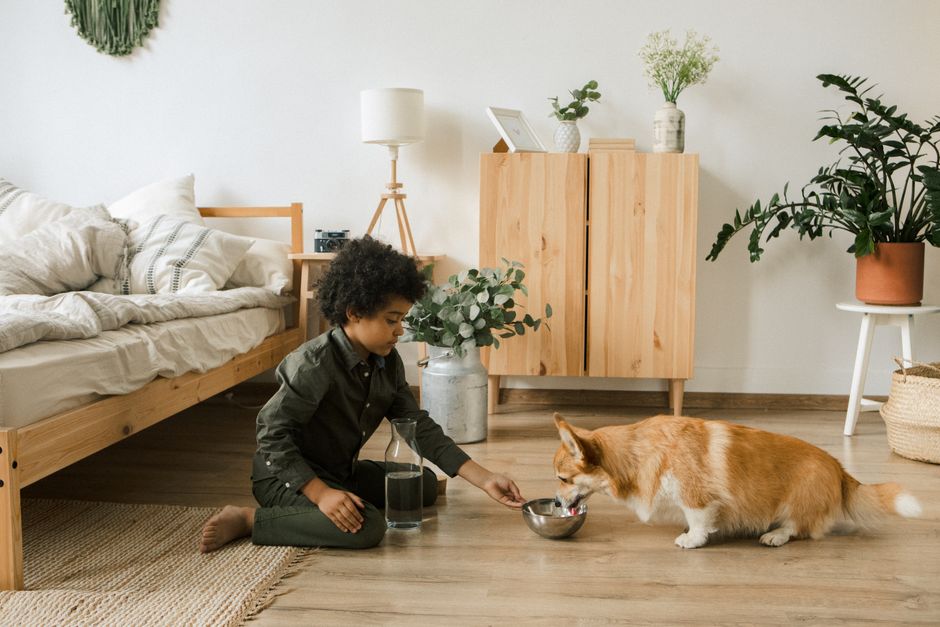
Pet News Roundup: The latest trends in animal health, behavior science, and home lifestyle innovations are changing how we care for pets in 2026. The biggest shift I’m seeing isn’t just new gadgets—it’s better choices at home, based on what science shows and what real households actually do day to day.
Here’s the simple truth: most “pet problems” start as small health or stress issues. When you catch those early, training gets easier, vet visits get smoother, and your home becomes calmer for everyone.
In this roundup, I’m pulling together the updates I’m watching right now—plus what they mean for your dog, cat, and daily routine.
Animal Health Trends: What’s Changing in 2026 (and How It Impacts Your Pet)
The big animal health trend in 2026 is earlier detection, not just reacting when things look bad. More clinics are using more detailed screening during routine visits, and more owners are asking for prevention plans instead of waiting for symptoms.
Animal health is also getting more “home connected.” People are sharing results from wearable activity trackers, more vets are talking about weight trends over time, and at-home observation matters more than it used to.
Trend #1: Prevention-first checkups (small changes, big payoff)
In my own household, the “no big deal” things added up: a slight change in appetite, a few extra minutes of resting, and later, a weight jump. That’s exactly why prevention-first care is so important. “Normal” can shift slowly, and pets don’t tell us with words.
What to do this month:
- Track weight at home if your vet allows it. Use the same scale, same time of day, and write it down monthly.
- Ask your vet what they want to screen for based on age and breed mix.
- Bring a quick note to your appointment: energy level, water intake, stool changes, and any new habits.
One common mistake: people only report what’s “really bad.” Vets need the timeline. Even “a little less playful for two weeks” is helpful.
Trend #2: Dental care stays at the top of the list
Dental health isn’t just “bad breath.” Gum problems can affect overall health, and it shows up early in many pets. I’m seeing more clinics push dental checkups sooner and more clearly explain what they find.
If your pet hates tooth brushing, you’re not alone. Start with a 30-second routine instead of giving up. You’re teaching your pet that teeth time is safe, not forcing a full scrub on day one.
Trend #3: Flea/tick prevention is getting more customized
In 2026, owners are moving away from one-size-fits-all. Your flea/tick risk changes based on your area, your yard, your travel, and even who else lives near you. If you’ve ever found a single tick and then stopped caring, this is where that changes.
What I recommend: keep prevention consistent all year if your vet says your region needs it. Then add “spot checks” after walks—especially during warm months.
Behavior Science News: Why Training Works Better When You Think Like a Nervous System

Behavior science is getting more practical in 2026. The key takeaway from recent training talk and real-life results is this: you don’t train “bad behavior.” You change the conditions that cause stress.
Behavior training is also shifting toward clearer signals, shorter sessions, and more focus on fear and frustration—not just “disobedience.”
Trend #1: More focus on fear-free handling and low-stress vet visits
Low-stress handling isn’t fancy. It means your pet spends less time bracing, fighting, or panicking. When you do that, you get better health outcomes and you reduce the chance of future fear.
Try this at home:
- Practice “touch cues” for 3 minutes a day. Touch the shoulder or side of the body for one second, then reward.
- Practice calm restraint for 10 seconds. Think “steady hold,” not “pin down.”
- Reward after you release. Release matters—dogs and cats learn fast from what happens after the hard moment.
If your pet becomes truly scared, stop and work with a trainer. Some pets need a step-by-step plan based on their history.
Trend #2: Shorter training bursts beat long “practice marathons”
This is one of those things I see people get wrong. They try to fix a problem with one long session. Instead, you’ll usually get better results with many short repeats.
Use this simple plan:
- 2–5 minutes per session
- 3–4 sessions per day for a week (not all in one hour)
- Stop while your pet still wants to work
When I do this with clients, the biggest win isn’t just obedience. The home feels less tense because the pet learns they can predict what will happen.
Trend #3: “Triggers” are being mapped more clearly
Behavior science now treats triggers like a real thing you can track: door knocks, the sound of a vacuum, the sight of a leash, the presence of a neighbor’s cat. You can lower reactivity by adjusting distance and timing.
What most people miss: they go too close too fast. If your dog barks at the window every time a person walks by, start by practicing farther away, when your dog notices but doesn’t fully react.
Pet Training Updates: Real-World Skills You Can Start This Week
If you want the most practical “news” from 2026, it’s this: the best training tools are simple and repeatable. You don’t need a complicated system to see change.
Below are training updates that fit real schedules—especially for busy workdays.
Skill #1: Settle training for calmer homes
Settle training is one of the strongest skills for both dogs and multi-pet households. “Settle” is not just lying down. It’s choosing rest even when life keeps happening around them.
How to start:
- Pick a spot (bed or mat) near you.
- Give one treat when your pet lies down.
- Count to 2 or 3 in your head, then reward again if they stay calm.
- Work up to 30–60 seconds.
Quick correction: don’t reward jumping or pacing. Reward the calm you want to see.
If you’ve got a cat, use a smaller mat and reward for staying there while you move around the room.
Skill #2: Leash reactivity “distance ladder” (no hero runs)
A distance ladder is a step-by-step plan that helps your dog learn they can see a trigger without exploding. You build it slowly using distance as your “volume knob.”
Use this ladder:
- Find the farthest place where your dog notices the trigger but stays mostly calm.
- Practice passing by for one minute.
- Go a little closer only if your dog stays under threshold (not barking, lunging, or freezing).
- If your dog crosses the line, increase distance next time and start again.
This is how you avoid the “we tried once and it failed” cycle.
Skill #3: House-training and “accident-proofing” with better routines
House accidents usually mean timing is off, not that your pet is “trying to be bad.” In 2026, many trainers are pushing more consistent routines, especially right after meals, naps, play, or excitement.
If accidents happen, check three things:
- Feeding times (too random = harder to predict)
- Outings right after key moments (like 10–15 minutes after eating)
- How quickly you clean with an enzymatic cleaner (regular cleaners often leave scent behind)
For a deeper guide, you might like our post on building a house-training routine that fits real schedules.
Home Lifestyle Innovations: Smarter, Calmer Spaces for Pets

Home lifestyle innovations in 2026 are mostly about two things: reducing stress and making routines easier. If a device makes you work harder or creates more noise, it’s not actually helping.
I’m big on “quiet wins.” Here are the ones that show up again and again.
Innovation #1: Air quality and allergen control with practical setups
Pets can trigger sneezes for people, and they also shed dander and hair that builds up. The trend right now is better ventilation, smart air purifiers, and using washable covers in high-traffic spots.
How to choose a purifier without getting tricked by marketing:
- Look for HEPA filtration (HEPA is a type of filter that traps tiny particles).
- Match the purifier to your room size. If it’s too small, it won’t keep up.
- Run it during high-shed times and when you’re away from the home.
My home rule: if the purifier is too loud to run, don’t buy it. Quiet matters for real use.
Innovation #2: Automatic feeders and portion control (when timing matters)
Automatic feeders have gotten better, and I like them for one reason: predictable feeding helps stomach health and training routines. For dogs, it can also prevent begging by keeping meal times consistent.
Simple approach:
- Use timed meals rather than “always-on” free feeding.
- Set the feeder to match your vet’s recommended daily amount.
- Pair feeding with calm cues like “settle” or “place.”
What most people get wrong: they use an automatic feeder but still feed random extras. If you add treats all day, your pet’s total intake can jump fast.
Innovation #3: Enrichment tech that doesn’t replace real play
In 2026, puzzle toys, interactive feeders, and camera-based check-ins are popular. They’re helpful, but they shouldn’t replace the basics: walks, play, and human interaction.
A good enrichment plan is “mix and match.” For example:
- Morning: 10–20 minutes of sniff-focused walk
- Midday: puzzle feeder or short game
- Evening: play plus training short session
If your pet is getting enrichment but still seems tense, your home setup may be missing a stress reducer like more resting space, better litter placement, or fewer sudden changes.
What People Ask: Pet News Roundup Questions (Answered)
Here are the questions I hear a lot from readers and from people who message me after seeing the latest trends online.
Is my pet’s behavior change health-related?
Yes, it often is. When behavior changes suddenly—like hiding, peeing outside the box, refusing food, or becoming aggressive—health issues are a top suspect. Pain is one of the most common reasons pets act “out of character,” and it’s easy to overlook early signs.
If you notice a change lasting more than 48–72 hours, or if it’s paired with limping, vomiting, diarrhea, weight loss, or unusual bathroom habits, call your vet. Don’t wait for “the next checkup” if the change is clear.
How do I tell stress vs. “bad behavior” in my dog or cat?
Look at the pattern and the body language. Stress often shows up as tight posture, lip licking, yawning when there’s no sleep, hiding, sudden fixations, or repeated panting. “Bad behavior” usually happens without fear cues and often happens because of attention, access, or habit.
My practical test is this: remove the trigger and compare. If the behavior drops fast when the environment changes, stress is more likely than pure disobedience.
Do home air purifiers help with pet allergies?
They help most when you combine them with cleaning routines. A HEPA air purifier can lower airborne particles, but it won’t fix dander that’s stuck in bedding, carpets, and curtains. The winning combo is purifier + washable covers + regular vacuuming with the right filter.
If you’re dealing with strong allergies, talk to your doctor too. Pets aren’t the only cause of symptoms.
What’s the best first training step if my pet is reactive?
Lower the intensity and protect your pet from practicing the reaction. Start with distance where your pet can notice the trigger without losing control. Then reward calm attention immediately.
If your pet has a history of biting, or if you can’t keep distance safely, hire a qualified trainer or behavior consultant. Safety comes first.
Mini Case Study: How One “Home Fix” Improved Training Results
This is the story I keep coming back to when clients say, “We tried training and it didn’t stick.”
A friend of mine had a small dog that barked at the window all day. The family trained “quiet,” rewarded calm, and tried redirection. It helped for about 20 minutes, then barking returned.
The real change came from the home setup. They added a second resting area away from the window, used thicker curtains to reduce visual triggers, and switched to a calmer schedule in the morning. Within a week, training finally worked better because the dog had fewer stress moments throughout the day.
Here’s my lesson for 2026: behavior is often the result of repeated stress exposure. If you reduce the stress, your training can actually land.
Step-by-Step: Your 30-Minute Pet Health + Home Reset
If you want one concrete action after reading this roundup, do this reset today. It’s designed to take 30 minutes, not half your day.
- Pick one pet. Choose the one showing the most issues: behavior, bathroom changes, or stress signals.
- Write a 5-bullet “timeline.” Note when you first saw the change and what happened right before it.
- Check one home factor. For dogs: window sightlines, hallway traffic, or loud appliances. For cats: litter location and access to safe hide spots.
- Do a 5-minute training session. Use a simple cue like “sit” or “place,” then end on success.
- Plan the next step. If symptoms point to health trouble, schedule a vet visit. If it’s stress or reactivity, schedule one trainer session or set up a distance ladder.
This is how you turn pet news into real progress.
Where This Fits on Our Site: Related Topics to Read Next
If you want to go deeper into the skills mentioned above, these posts connect well with this Pet News Roundup:
- Animal Health prevention checklist you can use at home
- Pet dental routine: steps that make tooth care easier
- Distance ladder plan for leash reactivity
- Enrichment ideas that fit busy days
Conclusion: Turn 2026 Pet News Into One Better Routine
The latest trends in animal health, behavior science, and home lifestyle innovations all point to the same goal: fewer stress spikes and earlier problem spotting. In real life, that means prevention care, stress-aware training, and home tweaks that reduce triggers.
Your clear takeaway for this week: pick one area—health tracking, training structure, or home comfort—and make a small change that you can repeat. Small, consistent wins are what actually change your pet’s day.
Featured image alt text: Pet News Roundup for 2026 showing a dog and cat with health and behavior tools at home