

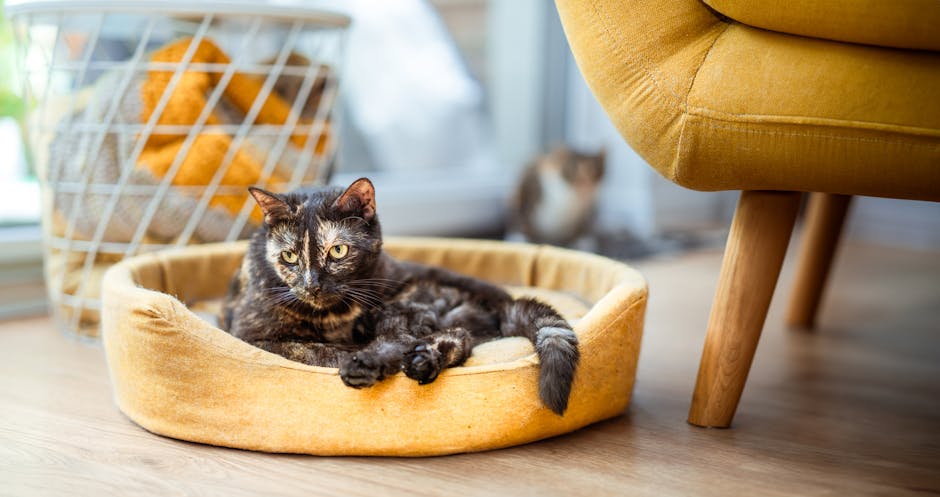
If your pet’s health plan, your rental rules, or even your daily home routine feels like it changes every few months, you’re not imagining it. In 2026, the pet world is shifting fast—new health care trends, smarter home safety setups, and housing rules that affect real families (like yours). The latest pet and home news right now is really about one thing: making life easier and safer for animals and the people who live with them.
Here’s the direct answer: the biggest changes you’ll feel in 2026 are faster, earlier health checks (including more at-home monitoring), more attention to indoor air and bite/skin safety in homes, and pet-friendly housing expectations that are clearer—but stricter too. I’ll walk you through what’s changing, what to do next, and where most people mess up.
1) Animal health in 2026: more prevention, more data, fewer “wait and see” calls
Key takeaway: The newest animal health trend is prevention you can measure, not just prevention you hope for.
More vets and pet parents are treating health like a pattern, not a surprise. Instead of waiting for a rash, a cough, or a limp to show up, many families are tracking small signs early. That can mean body weight checks, stool changes, activity level notes, and at-home temperature checks for specific pets when a vet asks for them.
In my own house, the biggest change wasn’t a new supplement or a “miracle” food. It was setting a simple weekly routine. Every Sunday night, I do a 3-minute check: ears, teeth look, belly skin, paws, and I glance at how they’re moving. I also write down their weight. It sounds basic, but it helps you catch changes faster than you think.
What’s changing in the vet visit itself (and why it matters)
Key takeaway: Vet visits in 2026 are getting more structured, which makes them faster and more useful.
Many clinics are using tighter intake checklists. For example, they’ll ask about appetite, water intake, stool texture, sleep, itching, and how often your pet gets outside. Some are also using more standardized bloodwork schedules for certain breeds and ages.
Also, more clinics are offering phone follow-ups or quick video rechecks. When your pet is itchy, sore, or off food, that quick check can save money and stress by preventing a bigger problem later.
The at-home monitoring trend: popular, but don’t buy blindly
Key takeaway: At-home tools help most when you match the tool to the problem.
You’ll see more wearable trackers and smart bowls in 2026. Here’s the truth from real life: they can be helpful, but only if you use them correctly. Many people buy a gadget, get a bunch of data, and then don’t know what changes mean.
As of 2026, the best rule is to start with what your vet already wants. If your vet asks you to track weight or appetite, focus there first. If they ask about coughing or breathing, get a plan for what to watch. Then pick tools that match.
What most people get wrong: They treat “average” numbers as truth. Animals don’t behave like robots. A cat that sleeps more one day because the weather is rainy may still be totally fine. Your job is to notice a trend, not a single spike.
2) New animal health focus areas: teeth, skin, heart risk, and gut health
Key takeaway: The hot topics in animal health in 2026 are not random—they’re connected to long-term comfort.
These areas are getting more attention because they affect quality of life fast. A dental problem can make eating painful. Itchy skin can mess with sleep. Gut issues can cause recurring tummy upset. Heart risk shows up slowly, so early monitoring matters.
Teeth: more families are doing “dental home care” before problems start
Key takeaway: Small daily habits do more than people expect.
Dental care is a big deal in 2026, especially for small dogs. Plaque turns into tartar. Tartar turns into gum inflammation. That inflammation becomes pain and infection risk.
If you’re starting dental care, keep it realistic. Brush with vet-safe toothpaste and a soft toothbrush. Start with 20 to 40 seconds a day at first. Even that small amount helps. If your pet hates brushing, use a dental wipe or gel your vet recommends and build up slowly.
I learned this the hard way when my neighbor bragged about never needing dog dental work. His dog had a bad smell for months. The first time he got examined, the vet said they were past “easy cleaning” and needed more treatment. Now he’s the guy who does a 30-second wipe daily. It’s not flashy, but it works.
Skin and allergies: the new best practice is “identify the trigger,” not just stop the itch
Key takeaway: Itch relief is good, but finding the cause prevents repeat flare-ups.
In 2026, many vets talk about triggers more than just symptom meds. That can mean food change trials (done the right way), flea prevention consistency, and checking for contact irritation from detergents, carpets, or bedding.
Important: don’t do random food swaps. If you want a food trial to work, it needs a clear plan and a full time window your vet sets. Otherwise you can’t tell if the food helped.
Gut health: more attention on fiber, hydration, and “timing,” not just supplements
Key takeaway: Gut health is often about routine.
People ask me about probiotics a lot. My approach is simple: start with consistent feeding times, correct portions, and fresh water. Then talk to your vet about supplements only when they fit the situation.
Hydration matters. Dry food can be fine, but some pets need more water. You can add water to kibble, offer wet food on days when stools change, or use a water fountain if your pet prefers running water.
Also, watch the timing. If a pet gets treats right before meals or right after, it can change digestion and stool consistency.
3) Housing changes: pet-friendly rules are clearer, but the bar is higher
Key takeaway: 2026 housing expectations are moving toward “verified care,” not just “good vibes.”
If you rent, you’ve probably noticed more pet screening details. Landlords and property managers want fewer surprises. That means clearer documents, deposit rules, and sometimes limits on noise, breed policies, or the size of pets allowed.
In a lot of places, “pet-friendly” now comes with rules about cleaning schedules, proof of vaccinations, and sometimes pest-control plans. It’s not always fair, but it is more common.
What you should do before you sign a lease (saves you money later)
Key takeaway: Get clarity in writing on day one.
- Ask about the pet addendum: what fees apply, and are they refundable?
- Confirm the size/number limits: some buildings allow “one dog” but limit weight or height.
- Clarify damage rules: what counts as wear and tear vs. pet damage?
- Ask about odor and cleaning standards: some places require carpet cleaning if there’s an accident.
- Get the emergency contact process: if your pet escapes or needs urgent care, you want the right steps.
I’ve seen people lose deposits over “pet odor” claims that were really from a spilled drink or old carpet smell. Taking photos the day you move in—plus a simple checklist—can protect you.
Indoor air and ventilation: the new home standard for many pet parents
Key takeaway: Better air quality is now part of pet care.
More families are thinking about dust, dander, and smells as an indoor air issue, not just a nuisance. In 2026, you’ll find more guidance on filters, humidity control, and cleaning routines that don’t wreck your lungs or your pet’s nose.
If you have allergies, consider a HEPA air purifier in the room where your pet sleeps. Change filters on schedule. Also, use a vacuum with a good filter and clean it regularly so you’re not just blowing dust around.
Pro tip: Wash pet bedding in warm water when the fabric allows. Air dry can work too, but check how well it removes smells and pollen.
4) Lifestyle changes: training, enrichment, and “safer routines” for real homes

Key takeaway: In 2026, the lifestyle win is building routines your pet can predict.
Most behavior problems aren’t “random bad behavior.” They’re usually boredom, fear, or a routine mismatch. The latest pet and home news overlaps a lot with pet training because home life is where habits are built.
If you want an easy starting point, focus on enrichment first. Enrichment is anything that helps your pet use their brain and burn off energy in a healthy way.
Enrichment ideas that work in apartments
Key takeaway: You don’t need a yard to help your pet feel calm and confident.
- Food puzzles: start with the easiest level so your pet learns it’s rewarding.
- Sniff walks: 10 minutes of calm sniffing counts more than a fast sprint.
- Rotate toys weekly: swap 2 out of 5 so they don’t get bored.
- Short training bursts: 2–3 minutes, 2 times a day.
- Window watch (with supervision): many pets love safe bird watching.
If you’re building a training plan, you’ll also want consistency with commands and rewards. For deeper routines, you might like our guide on house training essentials and daily routines (it’s written for busy schedules).
What’s changing in pet training: fewer “punishment-only” plans
Key takeaway: Modern training uses clearer cues, management, and positive reinforcement more than fear.
As of 2026, more trainers stress safety first. If your dog is lunging at other dogs, you don’t fix it by “making it tough.” You fix it by managing distance and teaching an alternative behavior.
In real life, that often looks like this: you walk where it’s calmer, reward your dog for noticing triggers without reacting, and gradually shorten the distance as your dog improves.
Common mistake: People use treats as bribery. Bribery is when you only reward when the pet is already doing the wrong behavior. You want to reward the early step—the moment your pet chooses the better option.
5) People Also Ask: quick answers to the questions pet and home owners ask most

Key takeaway: These short answers give you a place to start right now.
What are the latest pet health check trends in 2026?
In 2026, many pet owners and vets focus on earlier prevention and more structured checkups. You’ll see more discussion of teeth, skin, gut patterns, and heart risk, plus more at-home monitoring goals like weight tracking and symptom logs.
How do I make my rental safer for my pet in 2026?
Start with a written pet addendum review, take move-in photos, and set a cleaning routine you can prove. Use washable covers for furniture, keep a spare stain cleaner that’s safe for your flooring, and ask what the building requires after accidents.
Are smart pet devices worth it?
They’re worth it when they match a specific goal your vet or trainer agrees on. A tracker for a dog recovering from illness can help with activity trends, but a fancy app won’t fix a leash-reactivity issue. If you don’t have a plan, skip the gadget and start with routine and training first.
What’s the best first step if my pet seems itchy or loses interest in food?
Stop random changes and start tracking. Write down when it started, how often it happens, and any new food, treats, bedding, or cleaning products used. Then call your vet and ask if you need an exam sooner rather than later.
How can I reduce pet odors without harming my home?
Use the right cleaning products and fix the source, not just the smell. Wash bedding regularly, clean accidents quickly with enzyme-based cleaners (if your surface allows it), and improve ventilation. Don’t cover smells with strong sprays—you can make allergies worse.
6) A practical 7-day action plan from the latest pet and home news
Key takeaway: You’ll get better results from small steps done this week than a big change next month.
I use a “minimum viable routine” approach. It means you pick a few actions that are easy to repeat, and you stick with them long enough to notice change.
Day 1: set up a simple pet health log
Create a notes page on your phone. Track weight (or just “same / up / down”), appetite, stool, itching/scratching, and energy. If your pet has a known condition, add one line for the symptom you’re watching most.
Day 2: do a 3-minute home safety check
Look for the top risks: loose wires, accessible trash, small items on the floor, and anything a curious pet can chew. If you have plants, confirm they’re not toxic to pets.
If you need a checklist style guide, our pet home safety and chew-proofing checklist is a good match.
Day 3: improve indoor air in one room
Choose one “pet zone” room. Vacuum (with a good filter), wash bedding if it’s dirty, and run a HEPA filter if you have one. Don’t try to fix your whole home at once.
Day 4: start teeth or skin care basics
If your pet tolerates it, do a short dental step (wipe or brush for under a minute). If they’re itchy, avoid new products and talk to your vet about a proper plan.
Day 5: enrichment for 15 minutes
Pick one: a food puzzle, a new safe chew, or a sniff walk. Keep it calm. If your pet gets overstimulated, shorten the session and try again later.
Day 6: training burst with one goal
Pick one behavior to teach: sit, “touch,” or calm mat behavior. Train for 2–3 minutes, then stop while your pet is still doing well. End on success.
Day 7: review what changed (and adjust)
Look at your log. Did appetite change? Did itching flare? Did your pet seem calmer? Then pick the next one step for next week.
My honest take: the “latest pet and home news” is really about control you can feel
Key takeaway: The best changes in 2026 are the ones that make everyday life calmer.
I’ll say something that might not sound exciting, but it’s true: most pet parents don’t need more products. They need clearer routines and smarter timing. When you know what to watch, when to clean, and how to respond early, your home stops feeling chaotic.
That’s why I like the direction of the latest pet and home news. It points toward prevention, better monitoring, and housing rules that (in the best cases) push people toward safer homes for everyone.
Conclusion: choose one change, make it repeatable, and watch what improves
The fastest way to benefit from the latest pet and home news in 2026 is to pick one area you can control: a simple health log, a safer indoor air routine, or a training/enrichment habit that reduces stress. Do it for a full week, then adjust based on what your pet actually shows you.
If you want a strong starting point right now, my recommendation is this: set up your pet health check (3 minutes weekly) and add one home improvement step for air and safety. Those two changes touch animal health and your everyday lifestyle at the same time—and that’s where the biggest wins usually show up.
Featured image alt text suggestion: “Pet health monitoring at home in 2026 with a checklist and indoor air purifier for pet care”