

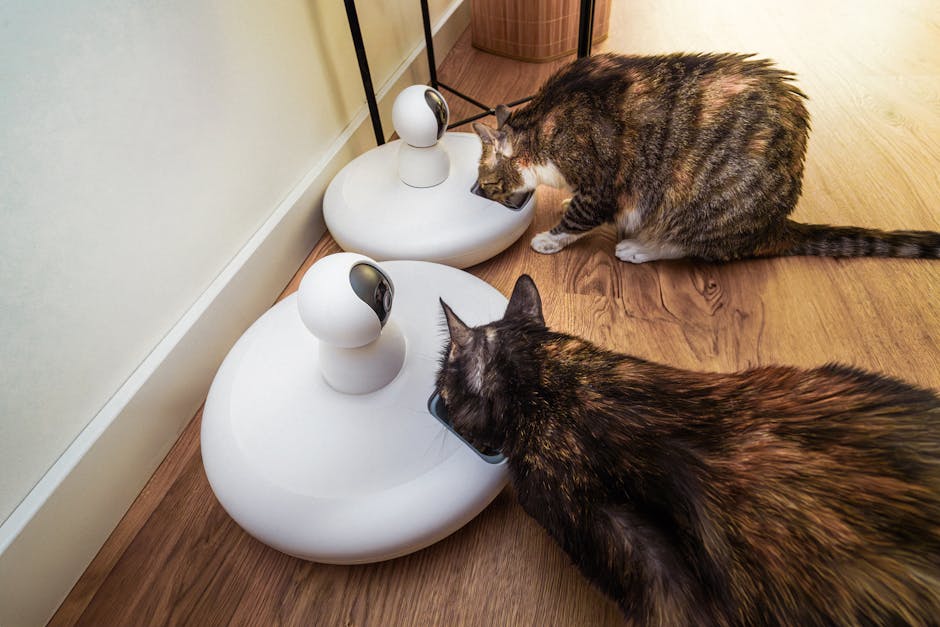
Last year I watched a friend’s new puppy figure out the easiest route out of the “pet-safe” room in under two minutes. The door latch looked fine. The gate was in place. The real problem was that the smart lock app had a “guest access” schedule set up for deliveries. The puppy didn’t break anything—he just followed the plan humans forgot existed.
That’s why I’m paying close attention to new pet-proofing trends for 2026. This year, safety doesn’t just mean blocking off cords and hiding cleaners. It also means tuning smart home features, alarms, and daily routines so they don’t accidentally give pets a way to get hurt.
In the sections below, I’ll share what I’m seeing work right now in 2026, plus practical steps you can do today. You’ll also find quick answers to common questions like, “Do smart pet doors really help?” and “How do I protect my cat from a robotic vacuum?”
What counts as “pet-proofing” in 2026? It’s more than baby gates
Pet-proofing in 2026 is risk control across your home and your devices. That means you check the obvious hazards (like chewable cords and toxic plants) but also how tech changes your home’s daily rules.
In plain terms, a “pet-safe home” is one where your pet can’t reach danger during their normal routines: eating, sleeping, playing, using the litter box, and waiting for you to come home.
One mistake I see a lot: people treat safety like a one-time project. They rearrange furniture, buy a gate, and call it done. Pets grow fast. Habits change. And smart devices update settings without asking you every time.
My rule for real safety: do a “threat walk” twice a month. It takes 10 minutes and saves you from surprises.
My 10-minute “threat walk” checklist (works for dogs and cats)
- Floor level first: look at cords, cabinet gaps, loose baseboards, and anything small enough to swallow.
- Counter height: check if food, vitamins, laundry pods, and grooming tools are reachable.
- Door and entry points: test gates, pet doors, and locks. Watch how your pet “reads” the room.
- Wet zones: check trash cans, toilet lids, and bathroom cabinets. Pets love water curiosity.
- Tech moments: note when your robot vacuum runs, when the smart lights turn off, and when deliveries happen.
If you don’t want to do this in your own house yet, try it in one room first. Start with the room where your pet spends the most time.
Smart locks and cameras: safer access for delivery days and visitors
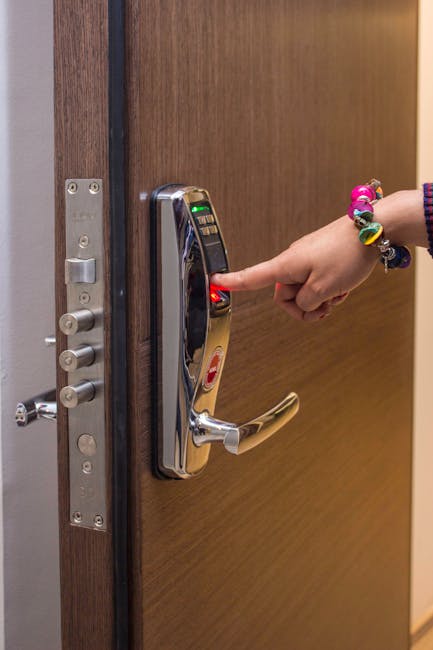
The safest smart home setup is one where your pet can’t “inherit” human schedules. In 2026, more people use delivery access, remote unlocking, and camera alerts—great features, but they need pet-safe settings.
I use cameras and locks at home, but I set them like I’m managing a toddler: strict, simple, and predictable. If your device can open a door through an app, it can also open a door during the wrong moment.
3 settings to review right now (especially if you use smart locks)
- Guest access schedules: turn off time windows you don’t need. If a “delivery window” exists, your pet learns it fast.
- Auto-unlock and geofencing: these features can trigger when you’re near home. Test it with your pet in the room where they could escape.
- Notifications vs. actions: choose alerts you can respond to, rather than automatic actions when you’re away.
Real-life example: a neighbor’s dog kept getting loose right when package delivery happened. The delivery driver used a temporary code tied to a schedule. The dog didn’t break anything—he just got into the hallway while the lock was “open for guests.” Fixing the schedule solved it in one afternoon.
If you’re not sure how to change these settings, check your lock’s app “Access” or “Users” area. Look for guest codes, one-time codes, and door “modes” like Home/Away.
Camera alerts that actually help
Not all camera alerts are useful. If you get 20 alerts a day, you’ll ignore them. Instead, set alerts for motion in key zones: the front door area, the hallway exit, and the room where you keep pet supplies.
Also, test “motion zones” so the camera doesn’t trigger on moving curtains or ceiling fans. You want fewer alerts and better timing.
Smart pet doors, RFID collars, and “micro-chip access” systems
Pet door tech in 2026 is getting more reliable, and it can reduce escape attempts. But the best system is the one that matches your pet’s size, behavior, and training level.
Most people focus on the hardware. I focus on the pet’s brain: will they try the door again and again when they’re bored or excited?
Microchip pet doors: what they get right (and what they miss)
A microchip pet door is a door with a reader that only opens for your pet. That lowers the chance of other animals entering, and it can help you stop door-dashing.
Here’s what it misses: pets still learn patterns. If your pet wants out badly enough, they may scratch the frame, chew the edge, or wait for you to open it manually.
To make it safer, add a clear routine. For example, take your dog out at the same times each day for a week. After that, let the pet door handle the “in-between” needs.
Quick comparison: smart pet doors vs. gates and training
| Option | Best for | What can go wrong | Time cost |
|---|---|---|---|
| Smart pet door (RFID/microchip) | Outdoor access needs, multi-hour gaps | Frame chewing, manual “oops” openings | Low to set up, medium to train |
| Gates + scheduled potty breaks | New puppies, escape-prone cats | Accidents if schedule slips | Medium to set schedule |
| Training-only (no tech) | Pets with strong recall and calm habits | Harder during guests/delivery days | High if your pet tests boundaries |
Robot vacuums and smart mops: the hidden hazard is the “bait trail”
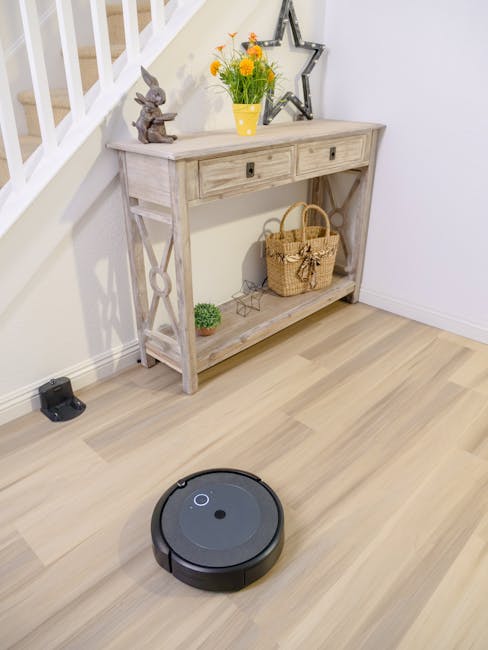
Robot vacuums are great until they turn into a scavenger hunt. In 2026, smarter robots map your home and move on schedules. That means your pet learns those patterns too—and that’s where the danger lives.
I’ve seen two big problems: pets get curious about the spinning brush, and pets knock over items that were safe before the robot bumped them.
How to keep pets safe around robot vacuums (step-by-step)
- Start with a “no-pet” run window: run it when your pet is out of the room (or safely crated) for the first 3 to 5 days.
- Create virtual no-go zones: block off areas near cat litter, small toys, and water bowls.
- Pick up the “bait”: remove hair ties, socks, kids’ small toys, and anything under 1 inch (2.5 cm).
- Watch the edge cases: if your cat can slip under furniture, confirm the robot isn’t getting them cornered.
- Use pet-friendly mode: many robots have quieter or lower-power settings. Lower noise reduces “chase” behavior.
A practical note: if you use a robot mop, keep floors dry and check for slippery cleaners. Cats especially dislike wet feet when they’re unsure what’s happening.
What most people get wrong
People assume “it’s low-power, so it’s safe.” Wrong. Robots can still move fast, snag a string, and pull a cable into reach. If your pet loves to mouth things, treat the robot like a new moving toy until you prove it won’t get tangled.
Air quality sensors, smart thermostats, and the “invisible toxins” problem
Air quality tech is improving in 2026, but it doesn’t replace basic pet safety. It helps you notice issues sooner, like smoke, strong fumes, or poor ventilation.
Air sensors are helpful for you, but pets are smaller and breathe faster. That means they can react earlier than you notice symptoms.
Set up sensors for pet-safe results, not just comfort
- Choose the right alerts: focus on VOC or air quality alerts if your sensor supports them. VOCs are “volatile chemicals” from things like sprays, candles, and some cleaners.
- Ventilate on a schedule: if you use any sprays or odor removers, open windows for 30 to 60 minutes and run the bathroom fan.
- Mind the thermostat timing: some smart thermostats run fans automatically. Check if that spreads dust from vents where pets sleep.
I learned this the hard way when I used a scented plugin “for one day.” My dog didn’t cough, but my cat started hiding near the closet that was closest to the scent source. It wasn’t an emergency, but it was a clear stress signal. I stopped using it and used unscented cleaning instead.
Lifestyle updates that make pet-proofing last: schedules, enrichment, and “safe boredom”
Here’s the honest truth: a bored pet causes most accidents. Smart tech can help, but it can’t fix boredom. In 2026, pet-proofing trends are leaning harder into lifestyle changes that prevent the “why” behind trouble.
When pets have things to do, they spend less time chewing cords, testing doors, or knocking over trash.
3 lifestyle upgrades I recommend for 2026
- Make enrichment a routine: feed puzzles, rotate chew toys weekly, and add 5-minute training sessions. Do it at the same times so your pet expects structure.
- Build a “safe boredom” space: a corner with a bed, a water bowl, and a chew can reduce wandering. I like using a playpen area for dogs and a high perch + hiding spot for cats.
- Keep a “no-go list” for yourself: laundry pods, essential oils, string, and certain plants should never be left within reach—even for a quick moment.
If you want training ideas, pair these updates with proven routines. Our site has a guide on pet training basics and a separate article on daily pet care checklists that match the same “small, repeatable steps” style.
Case study: reducing trash raids without building a bunker
A client I worked with had a dog that raided the kitchen trash every evening. The trash itself wasn’t the only issue. The dog’s schedule was off: long empty hours, then high-energy evenings.
We changed two things: we started a 20-minute “sniff walk” right before dinner (not a long sprint), and we switched to a lidded bin with a simple lock. After a week, the dog stopped checking the bin. He still had access, but the urge dropped because his day felt complete.
People Also Ask: Smart home + pet safety questions
Do smart pet cameras prevent escapes?
They can help, but they don’t prevent escapes by themselves. Cameras are a “see it fast” tool. The prevention comes from settings (locks/gates), a safe routine, and stopping gaps during delivery days.
If you rely only on alerts, you’re one slow moment away from trouble. Use cameras with action plans: decide in advance who responds and what you do when you see motion at the door.
How do I protect my cat from a robotic vacuum?
Start by separating them during the robot’s first week of use. Then add no-go zones near litter boxes, cat trees, and hiding spots. Cats often see a robot as an intruder, so patience and clear boundaries matter.
Also watch for cables and dangling edges under furniture. Robotic brushes can catch on loose strings and lead to panic.
Are smart air fresheners safe for pets?
Most scented air fresheners are risky because of strong fragrance chemicals. If you use them at all, choose fragrance-free options or unscented cleaning and improve ventilation. I’d rather be boring than accidentally irritate lungs or trigger sneezing.
For pets with asthma or chronic breathing issues, skip scented products entirely and talk with a vet if you’re unsure.
Can a smart lock still be “pet-unsafe”?
Yes. Smart locks can be pet-unsafe if they open automatically during guest access windows, delivery schedules, or geofencing “home” modes. Test those settings with your pet in the area where they could escape.
As a rule, if your lock can open without you physically touching it, you must treat it like a hazard until proven safe.
Pet-proofing in 2026: a simple setup plan for one week
If you’re overwhelmed, don’t do everything at once. This is the plan I’d use if I moved into a new place today with a dog and a curious cat.
Day 1: identify escape routes and access risks
- Walk the home like your pet is 2 to 10 inches tall.
- Check doors, gates, and any app-based access features (guest codes, auto unlock).
Day 2: set up tech “no-go” rules
- Program your robot vacuum to start when pets are not in the main route it cleans.
- Set camera motion zones for doorways and hall exits.
Day 3: remove common toxins and chewing bait
- Put cleaners, meds, and laundry pods in locked cabinets.
- Move small items off the floor and out of low baskets.
Day 4: upgrade one routine (not ten)
- Add a 10 to 20 minute enrichment session before your pet’s highest-temptation time (often late afternoon).
Day 5: run a “safe test” with supervision
- Leave pets in their usual space while you test one smart feature at a time (like vacuum start or door notifications).
Day 6: train one behavior that prevents accidents
- Pick one cue like “place” or “leave it.”
- Practice for 3 minutes, two times that day.
Day 7: write a one-page “pet safety rules” note
- Where keys are.
- When robot devices run.
- Who responds to alerts.
- What not to do (like scented sprays).
This one-page note helps guests too. It also makes it easier for you to stay consistent when life gets busy.
When to involve a vet or trainer (because not every issue is “DIY”)
Some pet safety problems are behavior or health issues, not just home setup. If your pet is suddenly chewing more, hiding more, or acting restless around tech changes, check in with a vet.
For example, if a new air quality smell or scent triggers coughing, sneezing, or watery eyes, don’t “wait it out.” Call your vet and remove the trigger immediately.
If escape attempts are linked to fear, separation anxiety, or high energy, a trainer can help you pick the right plan. Training works best when it matches the root cause, not just the symptoms.
We also cover training approaches in our pet training category, including routines for impulse control and safer introductions to new home areas.
Conclusion: the best pet-proofing trend in 2026 is consistency across tech and routine
The biggest shift in new pet-proofing trends for 2026 isn’t a single gadget. It’s the idea that safety has to include both your home and your settings—your locks, your alerts, your robot schedules, and your daily routines.
If you do just two things, make them these: run your “threat walk” twice a month at floor level, and set your smart home so it never opens, runs, or sprays on autopilot during times your pet is free to roam.
Start small this week. Fix one device schedule. Remove one “bait” item from the floor. Then watch what changes in your pet’s behavior. That feedback is the fastest way to build a safer home you can actually maintain.
Featured image alt text (for your upload): New pet-proofing trends for 2026 with smart home features protecting pets from door access and robot vacuums