

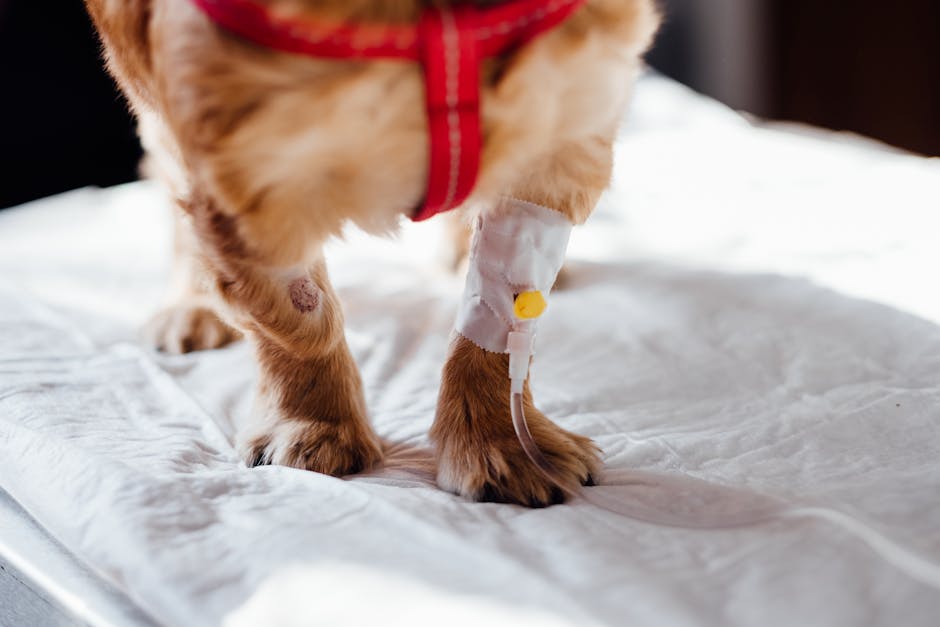
One of the worst feelings in pet care is hearing a weird sound from another room and realizing your pet is hurt. In real life, the first few minutes matter. Your job at home isn’t to “fix” the injury—it’s to keep your pet safe, reduce pain when you can, stop dangerous bleeding, and avoid making things worse while you get to the vet.
Emergency at home for common pet injuries means: assess fast, stop life-threatening issues first (breathing, bleeding, poisoning), then keep your pet calm and warm on the way.
Start with a quick “triage” check for an emergency at home
Triage is just a fancy word for “check what’s most dangerous first.” In an emergency at home, you want to know within seconds whether your pet needs immediate help with breathing, bleeding, or exposure to a toxin.
I keep a small first aid kit in a bin by the door. When something happens, I don’t hunt for supplies—I already know where they are. If you haven’t done this yet, make a habit today. It saves time when you’re stressed.
The 30-second scan: breathing, bleeding, alertness
Here’s the quick order I use:
- Breathing: Watch the chest rise and fall. Is your pet struggling, making gurgling sounds, or not breathing normally?
- Bleeding: Look for blood that’s pooling or spurting. A steady drip is still serious, but spurting is urgent.
- Alertness: Is your pet responsive? Can they stand, or are they weak, collapsed, or unusually sleepy?
- Shock signs: Pale gums, cold body, shaking, fast breathing, or very slow breathing.
If your pet has trouble breathing or heavy bleeding, you don’t wait. Call your vet or an emergency clinic while you start first aid.
Call the vet while you stabilize: what to say and what to do
When you call, you’ll help your vet prepare for arrival. Your job is to give clear info without overthinking it.
In 2026, most clinics can do a quick phone triage, and some will tell you exactly what to do while you drive in. That’s better than waiting until you’re in the parking lot.
Use this simple script on the phone
- Your pet’s species, age, and weight (or rough size).
- What happened (hit by car, fall, ate something, chemical exposure).
- When it happened (minutes vs hours matters a lot).
- Main symptoms right now (bleeding, limping, vomiting, seizures, trouble breathing).
- What you already did (cleaned wound, applied pressure, removed collar if it was tight).
What you should avoid while you’re driving
These are the mistakes I’ve seen most often from well-meaning people:
- Not restraining a hurt pet. A scared dog or cat may bite even if they’ve never bitten before.
- Giving human medicine. Many pain relievers are unsafe for pets. Even aspirin can cause stomach bleeding and organ damage in some cases.
- Forcing food or water if your pet is vomiting, has a belly injury, or swallowed something unknown.
Bleeding and wounds: how to stop it and when to cover it
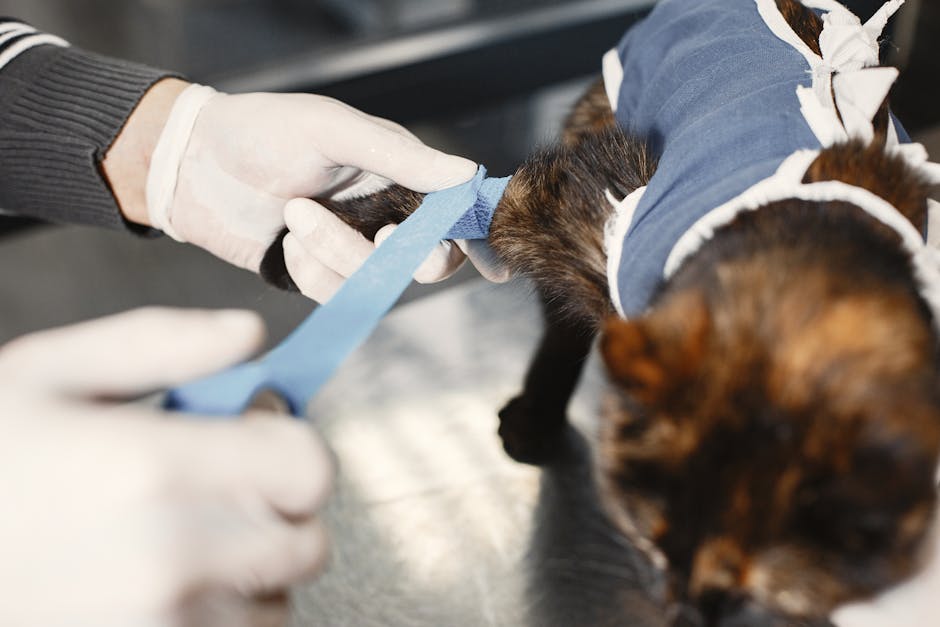
Stopping bleeding fast is one of the most useful things you can do during an emergency at home. Most serious bleeding can be controlled with direct pressure.
In my home, I use clean gauze or even a clean cloth. If you don’t have gauze, a clean T-shirt works in the moment. The key is pressure, not fancy materials.
How to apply direct pressure (step-by-step)
- Put on gloves if you have them.
- Gently lift the fur away from the wound if you can do it without pain spikes.
- Place gauze or a cloth directly on the bleeding spot.
- Press firmly with your hand and hold steady for 3–5 minutes without “peeking.”
- If blood soaks through, add more layers on top. Don’t remove the first layer.
If the wound is on a limb and bleeding is heavy, you can also keep your pet as still as possible. Don’t wrap tightly like a tourniquet unless a vet instructs you. Tight wrapping done wrong can cut off circulation.
When to rinse vs when to skip rinsing
For small scrapes, a gentle rinse with clean running water can help. For deep punctures, heavy bleeding, or wounds that look contaminated (dirt, glass, animal bites), don’t scrub. Rinsing lightly is fine, but don’t dig around.
What most people get wrong: they flood the wound repeatedly. Too much pressure and too much handling can worsen bleeding or push debris deeper.
Animal bites and puncture wounds are always urgent
If your pet was bitten—especially by another animal—treat it like an urgent injury. Even if the skin looks okay, bites can carry bacteria under the skin and get worse quickly. A vet may need to clean deeply and start antibiotics.
Fractures, falls, and limping: keeping the injury from getting worse
In an emergency at home, limping can be more serious than it looks. Bones and joints can be injured even when there’s no obvious swelling.
Falls are a big one. I’ve had clients tell me they “think it’s just a sprain” after a short drop from a couch. In real life, small falls can still cause fractures, especially in small dogs and older pets.
Do this if your pet won’t put weight on a leg
- Keep them still in a small room or crate.
- Prevent jumping onto furniture for the next day or two.
- Check for swelling and watch for pain when you touch the foot and toes gently.
If you suspect a fracture, avoid homemade splints unless you know what you’re doing. Poorly made splints can increase pain or cut off circulation. Instead, focus on safe movement and quick vet care.
Original insight: the “toe check” for circulation
Here’s a small trick I teach people because it helps you notice danger early. Look at the paw pads and toe color. If toes look pale, blue, or very cold compared to the other paw, that can mean circulation problems. That’s a good reason to head to the vet faster rather than waiting to “see how it goes.”
Head/neck injuries after a fall
If your pet hit their head, neck, or spine, don’t lift them by their legs. Keep their body supported. If they seem wobbly, treat them as spine-injured and get emergency help right away.
Choking, breathing trouble, and foreign objects
Breathing emergencies are time-sensitive. If your pet can’t breathe well, your next step is to get help while you check for an object you can safely remove.
Choking looks different in pets than in humans. Dogs may gag, cough, paw at the mouth, or make repeated choking sounds. Cats may hiss, stretch their neck, or breathe with open-mouth effort.
Can you see the object in the mouth?
If you can clearly see something stuck and it’s easy to grasp without pushing it farther back, you can try gentle removal. If you can’t see it, don’t blindly reach. That often pushes the object deeper.
If your pet is actively struggling to breathe, call the vet immediately and follow their instructions. Keep your pet as calm as possible because panic makes breathing worse.
When it’s not choking
Sometimes people think “choking” when it’s actually a different emergency, like an allergic reaction or heart problem. If you notice face swelling, hives, or repeated vomiting, treat it as urgent even if you don’t see a foreign object.
Poisoning and chemical exposure: what to do before you panic

Poisoning is one of those emergencies where speed matters more than most other injuries. In an emergency at home, the first job is to stop further exposure.
If you can, identify what was involved. Look for the bottle, the food wrapper, or the plant. Don’t waste time playing detective if your pet is in severe distress—call first.
Immediate steps for common toxins
- Ingested substances: Remove any remaining product from reach. Don’t induce vomiting unless a professional tells you to.
- Skin contact: Rinse the area with cool running water for 15 minutes to remove residue.
- Eye exposure: Flush eyes with cool water or saline while you call for guidance.
- Gas/fumes: Move your pet to fresh air right away.
Never assume “it was just a little”
In 2026, the biggest mistake I hear is people thinking small amounts are harmless. With pets, dose matters. Even one chew can be dangerous if the product is concentrated.
If your pet ate something like chocolate, xylitol (often in sugar-free gum and candy), grapes/raisins, or rat poison, assume it’s an emergency and contact the vet.
Helpful info to keep in your phone
Save your vet’s number and an emergency clinic number. Also keep notes like:
- Pet weight (approximate)
- Existing health conditions (kidney disease, diabetes, seizures)
- What they ingested and when
Seizures and sudden collapse: keep them safe, not handled
Seizures are scary. But most of what you do during a seizure is about preventing injury while your pet waits for the episode to pass.
Definition: A seizure is a sudden burst of abnormal brain activity that can cause shaking, stiffening, drooling, or paddling movements.
During the seizure
- Clear the area around your pet. Move chairs, pillows, and anything they can hit.
- Don’t put your hands in your pet’s mouth. They can’t swallow their tongue.
- Turn off loud noise and dim lights if you can do it quickly.
- Time the seizure with your phone stopwatch.
If a seizure lasts longer than 3–5 minutes, or seizures happen back-to-back without normal recovery in between, it’s emergency territory.
After the seizure (the “recovery” stage)
Afterward, many pets are confused and unsteady. Keep them in a safe space. Offer water only if they can swallow normally and aren’t vomiting. Call your vet for guidance right away, especially if it’s the first seizure.
Vomiting, diarrhea, and stomach pain: when to treat as urgent
GI problems are common. But some patterns are dangerous, especially if your pet can’t keep water down or if pain looks severe.
In home care, you want to recognize red flags fast.
Go to the vet urgently if you see these signs
- Repeated vomiting with little to no food/water staying down
- Bloody vomit or black/tarry stool
- Belly looks tight or your pet is “praying” or hunched
- Heavy drooling plus swallowing trouble
- Weakness, pale gums, or collapse
What most people get wrong: waiting 24 hours for vomiting that keeps coming. In many cases, the right move is same-day vet care, especially for small dogs.
At-home steps that are usually safe (only when your pet is stable)
- Pause food for a short period if your pet is actively vomiting (follow vet advice if you can reach them).
- Small sips of water if they can keep it down.
- Keep the room calm and warm.
If your pet has severe pain or keeps vomiting, don’t experiment with home remedies. Get help.
Heat stroke and overheating: cool down safely
Overheating can turn deadly fast. If your pet is panting hard, has bright red gums, vomits, or seems confused, treat it as an emergency at home and cool immediately.
Quick definition: Heat stroke happens when a pet’s body temperature rises too high and the body can’t cool itself.
How to cool your pet on the way to the vet
- Move to shade or an air-conditioned area.
- Use cool (not icy) water on the belly, armpits, and groin.
- Offer small sips of water only if fully alert.
- Stop and reassess every few minutes. You want cooling, not shivering.
I’ll be direct here: ice baths are a bad idea. They can cause a sudden blood vessel change and may make things harder for the body to regulate.
Prevent it next time
In warm weather, I recommend you plan walks early morning or evenings. Avoid asphalt in the hottest months. If the pavement is too hot for your hand, it’s too hot for their paws.
Eye injuries: flush for irritation, cover for trauma
Eye emergencies are surprisingly common—especially from scratches, debris, or fights. Your first step is to protect the eye from more damage.
If there’s dirt or irritation
Use sterile saline or clean eye wash if you have it. Flush gently. Don’t press hard on the eyeball.
If the eye looks injured or protruding
Cover with a clean, soft cloth and keep your pet from rubbing. Avoid any drops unless your vet tells you. Get to the vet fast because certain injuries need treatment within hours.
Burns and scalds: cool, remove the heat source, don’t pop blisters
For burns, the best first aid is cooling right away. Heat keeps damaging tissue for a bit after the contact ends.
What to do immediately
- Move your pet away from the heat source.
- Cool the area with cool running water for about 10–15 minutes.
- Remove collars, harnesses, or anything tight near the burn before swelling starts.
Do not pop blisters. Don’t apply butter, oils, or random home remedies. If you have a clean non-stick dressing, you can cover loosely.
Car accidents and major trauma: treat as serious even if they “seem okay”
After a hit by a car, pets can look calm while internal injuries happen. This is why I tell people: when trauma is involved, the safe move is a vet check.
Signs of internal injury
- Weakness, fainting, or pale gums
- Vomiting, bloating, or a tense belly
- Unusual breathing effort
- Stiffness, pain, or reluctance to move
Keep your pet warm and still. Use a blanket as a support if you need to move them. Don’t let them walk off “just to see.”
First aid for cuts and scrapes vs. when you need stitches
Not every wound needs stitches, but it’s easy to miss the ones that do. A rough rule I use: if the wound edges won’t stay together or it looks deep, contact a vet.
Stitches often work best within a short window after injury because closing a wound too late can trap bacteria. Your vet will decide based on how it looks and how long it’s been.
Quick stitch-check questions
- Is the cut longer than about 1 inch (2.5 cm)?
- Is there gaping or visible fat?
- Is it from a bite or puncture?
- Is it on the face, near an eye, or on a joint?
People Also Ask: quick answers for common emergency questions
What should I do first if my dog is bleeding?
Apply direct pressure with clean gauze or a cloth for 3–5 minutes without lifting to check. If bleeding soaks through, add more on top. Call your vet or emergency clinic if bleeding is heavy, spurting, or won’t slow down.
Can I give my pet human pain meds in an emergency?
No. Many common human pain relievers are unsafe for pets. If your vet recommends something, follow their dose instructions. Until then, focus on wound care, calming your pet, and getting to the clinic.
How do I know if a limp is serious?
If your pet won’t put weight on a leg, cries when you touch near a joint, or seems painful after a fall/trauma, treat it as serious. Sudden limping after an impact is a stronger reason to go in right away than a slow-onset limp.
What if my cat was in a fight and has wounds?
Cat bites and scratches can look small but get infected fast. Clean gently if you can see the injury, but don’t delay getting veterinary care. Also keep your cat separated so they don’t reopen wounds by hiding and struggling.
Should I induce vomiting if my pet ate something?
Only if a vet or poison hotline tells you to. Inducing vomiting can make things worse for certain toxins and can increase the risk of choking.
Home prep that makes emergencies easier: make a “grab bag”
The best emergency at home plan is the one you already built before you need it. I’m not talking about stocking a full pharmacy. I’m talking about having the right basics so you can act in stress.
Your grab bag essentials (simple and practical)
- Clean gauze pads and non-stick pads
- Roll tape or stretchy wrap for light holding (not tight bandaging unless instructed)
- Antiseptic wipes labeled for pets (check with your vet for what they prefer)
- Saline or sterile wound rinse
- Digital thermometer (optional but helpful)
- Disposable gloves
- Small flashlight and your pet’s medical info
Include a printed note with your pet’s weight, vaccine status (if relevant), and the clinic you’re going to. When people panic, they forget details.
Use the right barrier to stop bites
If your pet is in pain, they can bite. Instead of forcing handling, use a towel “wrap” for dogs that are small enough to safely restrain, and keep your face away. For cats, a carrier is your friend. If you have one ready, you’ll move faster.
How to transport an injured pet safely
Transport is part of emergency care. A bad ride can turn a manageable injury into a worse one.
Transport tips I recommend
- Keep dogs on a blanket or in a carrier if possible.
- For cats, the carrier should stay closed and secured.
- If there’s bleeding, keep pressure on and avoid jostling.
- Bring extra towels and wet wipes.
If your pet seems woozy, don’t let them roam in the car. Buckle carriers into place or seat-belt the carrier where allowed by your car setup.
When to delay and when to go now
Some injuries can wait for a normal appointment. Others should be treated as urgent. When you’re unsure, call the vet. It’s worth it.
Go now if you see these “red flag” patterns
- Breathing trouble
- Heavy bleeding or blood that won’t slow
- Seizures or sudden collapse
- Suspected poisoning
- Trauma (car hit, fall from height)
- Severe eye injury
If your pet is stable, alert, and the injury is minor, you may monitor briefly while you arrange care. But if symptoms are getting worse, don’t wait.
Related reading on your site (and why it matters)
If you want to build safer routines at home, these topics connect directly to emergency prep:
- How to Create a Safe Home for Pets (reduces the most common injury causes like falls and chewed hazards)
- Signs Your Pet Needs to See the Vet (helps you spot red flags before things get worse)
- How to Calm Your Dog for Vet Visits (useful because panic makes emergencies harder)
Bottom line: your job is safety, speed, and calm
For an emergency at home, you don’t need to be perfect. You need to be fast about what’s most dangerous: breathing, bleeding, and toxins. Apply direct pressure for bleeding, cool overheating safely, keep pets still after trauma, and call your vet while you start first aid.
If you take one action today, make a grab bag and save your vet’s emergency number. The next time something happens, you’ll already know where the supplies are—and that confidence makes a huge difference for your pet.
Image SEO note: Featured image alt text suggestion: Emergency at home for pet injuries—applying direct pressure to a bleeding cut before reaching the vet