

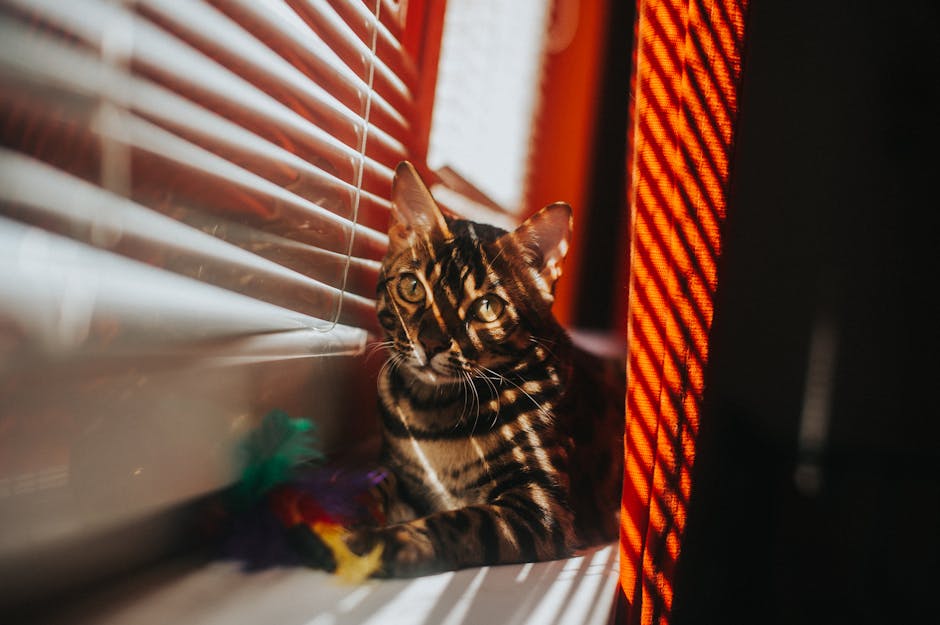
One thing I’ve learned from living with both dogs and cats is this: pet anxiety often isn’t caused by one big scary event. It’s built from lots of small, daily friction—loud sounds, sudden changes, weird smells, too much waiting, or a home routine that never quite stays the same. When you fix the small stuff, you can see real calm show up at home.
These 10 everyday home habits that quietly reduce pet anxiety don’t require expensive gear or a brand-new training plan. Most are simple changes you can start today. In the first 7–14 days, many pets show noticeable improvement when the home becomes more predictable and less overstimulating.
1) Keep the same “anchor routine” for meals and walks
An anchor routine is a few daily moments your pet can count on, like breakfast, dinner, and a walk or play session. Predictability lowers stress because your pet doesn’t have to guess what happens next.
In my home, I treat meals like a clock. If breakfast is at 7:30 a.m. most days, I don’t move it around by hours just because my schedule changes. Even a shift of 1–2 hours can matter for anxious pets. For cats, I pick two set feeding times and stick to them as much as possible.
What to do this week:
- Pick 2–3 daily anchor times (meals, a potty break, a play session, wind-down).
- Set reminders on your phone so you don’t “forget” on busy days.
- If you must shift times, move gradually (15–30 minutes every few days) instead of all at once.
This habit is a great match if you’re also working on house training routines, because the same structure reduces uncertainty for your pet.
2) Lower the volume and chaos during “transition times”
Transition times are when your household switches gears—morning rush, school drop-off, cooking dinner, or evening TV. For anxious pets, those moments can feel like a storm you can’t predict.
I started doing something simple after noticing my dog would pace and stare at the hallway every time I came home. The pattern wasn’t the door itself. It was the quick, loud changes right after I walked in: shoes, keys, talking loudly, and lots of movement all at once.
Try a calmer entry routine:
- Walk in and take off your shoes quietly.
- Wait 60–90 seconds before greeting your pet.
- Put their leash or toy away slowly (no tossing it on a table).
- Then do one calm interaction: gentle petting or a short treat “find it” game.
For cats, transition chaos often shows up around vacuuming or laundry. If your cat gets jumpy, do those chores when your pet is in a different room with a safe bed and a water bowl.
3) Create a “safe zone” that never turns into a punishment area
A safe zone is a specific spot in your home where your pet can relax without fear. It might be a crate, a bed in a quiet corner, or a room with a baby gate.
The mistake I see most often: people place the crate or bed somewhere loud, then move it only when they need to “handle” the pet. That teaches the pet, “This area = something bad is about to happen.”
Make it truly safe:
- Pick a spot away from main traffic and loud windows (not right next to the front door).
- Add the same items every day: a blanket, a familiar chew, or a toy that only shows up there.
- Never use the safe zone for punishment. If you need to correct behavior, do it outside the safe space.
Where you place the safe zone matters a lot. If it’s too close to the TV or the kitchen, your anxious pet won’t feel restful. In 2026, this is still the best “low-effort, high-impact” trick I know for reducing anxiety.
4) Swap “open-loop waiting” for structured enrichment
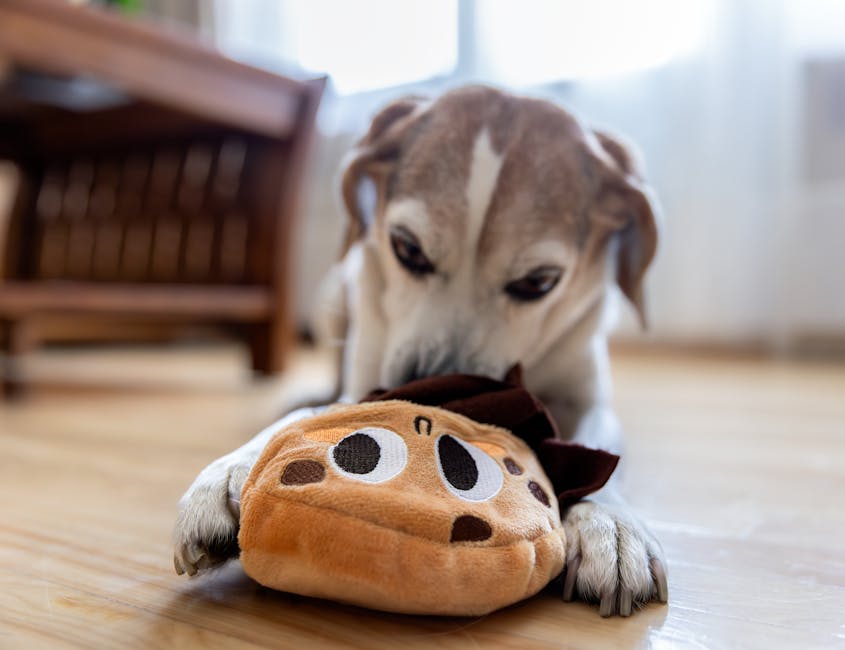
Open-loop waiting is when your pet has nothing to do, but life keeps happening around them—so they fill the gap with worry. For dogs, this can look like whining, barking, or pacing. For cats, it can be hiding too much or sudden zoomies that come out of stress.
Structured enrichment is planned mental and sensory work you do at set times, not random scrambling. I usually think in two categories: predictable food and predictable play.
Easy options for anxious pets:
- Food puzzle (start simple): put kibble in a slow feeder or a basic puzzle toy.
- Scent game: hide 6–10 treats around a room for 3–5 minutes.
- Tug/feather routine for cats: short sessions (5 minutes) then rest.
- Chew rotation: offer one safe chew per day, then take it away after 15–20 minutes.
Pros: enrichment gives your pet a job, so they don’t “invent” scary jobs (like guarding the window or barking at nothing). Cons: enrichment can backfire if you use it during intense panic. Start when your pet is in a calmer state.
5) Manage smells and “new stuff” like it’s part of training
Smell is information. When your home has a lot of fresh scents—new cleaners, new furniture, strong air fresheners—an anxious pet often feels overwhelmed.
I used to love scented sprays until I realized my dog would sniff the air nonstop right after I used them. That kind of constant sniffing is often stress behavior, not curiosity.
What most people get wrong: they treat home scent changes as harmless. For some pets, they’re huge. If your pet is already anxious, stick to mild, unscented cleaners and keep scent changes slow.
Practical steps:
- Switch to fragrance-free or pet-safe cleaners, especially in areas your pet sleeps.
- When you introduce something new (bed, blanket, harness), bring it in and leave it out for a day before using.
- Wash new items first so the packaging smell doesn’t hit all at once.
If you’re trying to cover odors (like pet accidents), use an enzymatic cleaner instead of strong bleach smells. Bleach can feel “sharp” to pets and keep them on alert.
6) Use consistent handling rules (especially around fear)
Handling rules are how your household interacts with your pet day to day—where you touch, how you pick them up, and what happens when they seem scared.
This is one of my favorite habits because it’s easy, but people skip it when they’re busy. If one person grabs the pet when they hide, and another person calmly lets the pet be, your pet never learns what safe looks like.
Try this “fear-friendly” rule set:
- If your pet retreats, don’t chase. Let them choose distance.
- Give a low-pressure option: a treat on the floor near you, not held in your hand.
- Short interactions only. Stop while your pet still looks relaxed.
- Teach the whole family the same steps so the pet isn’t confused.
If you need a behavior plan for fear or reactivity, pairing this with reactivity basics can make a big difference. Even small rule changes create a more predictable world.
7) Make the floor “easy” during stressful moments
Some anxiety is physical. Slippery floors can make pets feel unsafe, especially older dogs and cats that slip when they walk.
I noticed this with my older dog when the hallway rug got moved. He started hesitating at the same spot every day, then laying down and staring toward the safe area. When I put down a runner rug with non-slip backing, his movement smoothed out and the staring stopped.
Quick home checks:
- Watch your pet walk during normal times, not just when they’re already stressed.
- If they slip, slide, or cling to furniture, add a runner rug or non-slip mat.
- For cats, keep litter boxes on stable footing and avoid placing them on slick tile.
This helps anxiety because safety reduces fear. It’s also a simple win for comfort, joints, and confidence.
8) Avoid “surprise rewards” during loud events
Here’s a truth I wish more people heard: reacting loudly can teach anxious pets that the scary thing is important. It’s not that your pet is “manipulative.” It’s that your reactions change what they expect.
During fireworks, thunderstorms, or construction noise, people often do two things: they comfort the pet loudly and they talk to them as if it’s a crisis. Your voice and attention matter.
What to do instead:
- Keep your body calm and your voice low.
- Offer comfort quietly by dropping a treat near them rather than hugging.
- Use a white noise sound (fan, sound machine, or a steady track) at a low volume.
- Block visual triggers if possible: close curtains over the most active window.
My practical setup: I run a steady fan in the room where my pets stay during storms. It doesn’t erase sound, but it makes the spikes less noticeable. That reduces the “boom and stare” cycle.
9) Keep litter boxes, water, and bedding boring (in the best way)
Anxiety drops when basics stay reliable. If a litter box is dirty, if water tastes off, or if bedding smells “wrong,” your pet may feel unsettled.
For cats, I follow a simple rule: scoop twice daily if your cat is anxious. For normal cats, once daily is often okay, but anxious cats usually do better with more regular cleaning.
Daily checklist (takes 5–7 minutes):
- Litter: scoop + quick check for any clumps or missed areas.
- Water: refresh if it’s sitting more than a day (especially in summer).
- Bedding: remove hair and wash or rotate weekly, using mild detergent.
- Dog pee spots: clean up fully and neutralize odors so your pet doesn’t “re-mark.”
Why this matters for anxiety: pets rely on routine and scent. When basics shift, the pet spends time investigating instead of resting.
10) Track triggers like a detective—not like a judge
This is the habit that turns random efforts into real results. Instead of guessing, you observe patterns and make one change at a time.
I keep a small note on my phone. It’s not fancy. Just date, time, what happened right before the anxiety, and what my pet did after. After a week, patterns pop out.
Example tracking entries:
- “3:10 p.m. vacuum started. Dog started pacing within 30 seconds.”
- “Evening. Doorbell rang. Cat hid for 2 hours, then stopped eating.”
- “After dinner delay (45 minutes). Dog whined and barked at window.”
Then you adjust. If vacuuming triggers pacing, try vacuuming when your pet is secured in the safe zone with white noise. If doorbells freeze your cat, set up a barrier and reward calm behavior for 3–5 minutes after the sound.
People Also Ask: Quick answers about pet anxiety at home
How long does it take for home changes to reduce pet anxiety?
For many pets, you’ll see signs of improvement in 1–2 weeks when routines become steady and triggers get managed. Some pets take longer, especially if they’ve had years of stress or if pain is part of the problem.
If nothing improves after 3–4 weeks of consistent changes, it’s time to check other factors like health, fear history, or a need for professional guidance.
Should I comfort my pet during anxious moments?
Comfort is good, but keep it calm and low-drama. Speak softly, avoid big reactions, and offer an option like a treat, a toy, or quiet closeness.
If your pet expects comfort and you only comfort them sometimes, that inconsistency can keep them stuck in “alert mode.” Your goal is to make calm interactions predictable.
Do calming treats or supplements help with anxiety?
Some calming products can help, especially when paired with routines and trigger management. Common examples include vet-recommended calming aids and calming chews designed for stress.
Still, supplements aren’t a replacement for a good home plan. Also, I recommend talking to your vet before starting anything if your pet has medical issues, is on other meds, or has shown sudden behavior changes.
Can I use scent or pheromones instead of changing my routine?
Scent tools can support relaxation, but routine changes usually do more for long-term calm. In 2026, many pet owners find pheromone options and calming scents help, but they work best when your day-to-day schedule stays predictable.
Think of scent tools as “background support,” not the whole solution.
What’s the biggest mistake people make with anxious pets?
The biggest mistake is changing everything at once. When you swap diets, rearrange furniture, start loud cleaning, and introduce new people—all in the same week—your pet gets more confused, not calmer.
Make one change for 3–7 days, then watch what happens. That’s how you learn what actually helps.
A simple 7-day starter plan (if you want quick momentum)
If your home feels like it’s always “almost the right setup,” start small. This plan focuses on predictability and low stimulation, which are usually the fastest wins.
Day 1–2: Set anchor times for meals and a short enrichment session (3–5 minutes). Put a safe zone in place if you don’t have one yet.
Day 3: Identify one trigger and plan a safer routine around it (vacuuming, door sounds, car rides, guests).
Day 4: Switch to fragrance-free cleaning products in your pet sleeping area.
Day 5: Do a quick floor safety check (slips, rugs, stairs) and add a non-slip runner where needed.
Day 6: Adjust handling rules for fear—no chasing into hiding; treat calm near you.
Day 7: Track what improved. Keep the change you liked and remove what didn’t.
When to involve your vet or a trainer
Home habits are powerful, but they don’t replace medical care. If your pet suddenly becomes anxious, stops eating, shows pain signs (limping, hiding more than usual), or has stomach issues, call your vet.
If your pet’s anxiety involves aggression, nonstop panic, or it keeps escalating even with consistent routines, a qualified trainer or behavior professional can help you build a safer plan. Training works best when it matches your pet’s specific triggers and body language.
My takeaway: calm is built in the details
Reducing pet anxiety isn’t about finding one magic trick. It’s about making your home feel stable, safe, and easy to understand. When you keep routines steady, manage transitions, and set up a safe zone your pet can rely on, anxiety usually drops—quietly—day by day.
If you try only one thing today, pick one anchor routine (meals or walk times) and pair it with one safe zone. Then watch how your pet behaves during the next busy part of your day. That’s where the biggest changes show up first.
Image SEO note: Featured image alt text suggestion: “Pet anxiety calm down routine at home with safe bed and quiet habits”
Internal linking suggestions: For more pet care and home lifestyle support, pair these habits with stress signs in dogs and cat-friendly home setup. If your anxiety shows up during specific moments, the desensitization for busy homes guide can help you plan those moments more safely.