

If your dog begs for treats like it’s their full-time job, you’re not alone. But here’s the part that surprises most people: the “good” sounding treat on the bag can still hide ingredients you don’t want your pet eating every day. I’ve seen it happen in real homes—one small change in reading labels fixed an itchy-skin problem and helped a picky eater finally stay steady on their routine.
Treats 101 starts with one skill: reading pet food labels so you can spot what’s actually inside. This guide will help you tell the difference between “meat-first” and “mostly fillers,” and it’ll show you exactly what to look for when you’re trying to avoid hidden ingredients in 2026.
Why pet treat labels can feel confusing (and what to do instead)
Pet treat labels are written to be legal first, clear second. That means the front of the bag can say “real chicken” while the ingredient list tells a more complicated story.
Here’s the definition you need: an ingredient list is the section that shows every ingredient by weight, from most to least. That order matters. It’s one of the fastest ways to understand what’s really driving the treat’s nutrition.
If you only check the ingredient list, you’ll miss things like nutrition numbers and wording tricks. So I suggest using a simple label routine every time you buy: front label claim → ingredient list → guaranteed analysis → feeding advice → any special notes.
And remember this: treats are not “extras” in your pet’s health. If your dog gets 10–20% of their daily calories from treats, label choices can affect weight, stool quality, and even skin.
Treats 101: The quick label checklist that actually works

Your best tool is a short checklist you can repeat. When I shop, I literally do this in under two minutes per bag.
Step 1: Start with the ingredient list (and focus on the first 5)
The first few ingredients usually make up most of the treat. If “chicken” is near the top, that’s a good sign. But if you see lots of grains, starches, or vague “animal by-product” items early on, that tells a different story.
People often get tricked by words like “natural” or “wholesome.” Those are vague. The ingredient list is specific.
- Good to see early: recognizable proteins (chicken, beef, salmon), fruits/veg (pumpkin, blueberries), and named fats (chicken fat).
- Be cautious if early: corn gluten meal, wheat flour, soy flour, “meat meal” with no source, or many starch-heavy items.
Step 2: Scan for “hidden” sources of carbs and fillers
When people say “hidden ingredients,” they usually mean hidden carb sources, hidden sweeteners, and vague ingredients that don’t match the claim.
Here are common fillers and carb boosters that show up in treats. Some aren’t automatically “bad,” but they can add up fast when your pet eats treats daily.
- Wheat gluten (high protein on paper, but can upset dogs with sensitivity)
- Corn gluten meal (common binder/starter; often lower-quality for sensitive pets)
- Potato starch or corn starch (helps texture, raises carbs)
- Pea flour or soy flour (fine for many pets, but watch reactions)
- Glycerin (often used for moisture/sweetness; not always listed as a sweetener)
- Sugar, molasses, or sweet syrups (can feed bad oral habits and weight gain)
Step 3: Look at the fat source and the moisture content type
Fat helps treats taste good and can support energy needs. But the source matters. “Chicken fat” or “salmon oil” is usually clearer than “animal fat” or “pork fat” with no context.
Moisture type matters too. Soft, chewy treats often contain more moisture or humectants (like glycerin). Crunchy treats often have different binders. If your dog has diarrhea or very soft stool, texture and ingredient mix can be part of the problem.
Step 4: Check the “Guaranteed Analysis” numbers for trends
The guaranteed analysis section is the nutrition snapshot. It lists minimum or maximum levels for things like protein, fat, fiber, and sometimes moisture.
You don’t need to memorize every number. You need to compare brands. For example: if one treat has much higher fat than others, it can push calories up fast even if the treat looks small.
Step 5: Confirm the treat size vs. your pet’s calorie needs
A treat label often lists a “feeding guide.” Many people ignore it because the treat seems too small to matter. But in practice, bite-size treats can still add up.
As a rule I follow: if I’m training, I pick a treat with lower calories and I use tiny pieces. I also count them like mini-meals, even if they’re “just training bites.”
If you want a training-focused approach, check out our post on reward sizing for pet training (we cover how small changes in treats can keep your dog’s weight on track).
Common “hidden ingredient” words to watch (with plain-English meaning)
Some label terms are legal and common, but they hide the real source. Here are the ones I teach people to decode.
“By-product” and meal terms
By-product refers to parts of an animal besides the muscle meat. Sometimes it’s fine and safe, but it’s less specific. If your pet has allergies or you’re trying to avoid certain proteins, vague sources make it hard to track.
“Meat meal” or “animal digest” can also be tricky because you don’t always know the exact source. If your pet reacts to a protein, you want names you can point to.
“Natural flavors,” “flavor,” and “digest”
“Natural flavors” can mean many things. “Flavor” is often even more vague. “Digest” (like “chicken digest” or “beef digest”) is a processed ingredient that boosts taste.
I’m not saying these always hurt pets. Plenty of pets do great with them. But if you’re trying to avoid triggers—especially for dogs with itchy skin or chronic gas—you’ll want to keep an eye on them.
“Preserved with” and preservatives
Preservatives can be a health and safety topic, so be careful here. A strong label should tell you how the food is preserved. Common preservatives include mixed tocopherols (a form of vitamin E) or ascorbic acid (vitamin C).
I like the newer approach in many brands as of 2026: using vitamin-based preservatives and clear source oils. If a treat uses an unclear oil plus vague preservative wording, I’m less interested.
Artificial colors and dyes
Colors don’t add nutrition. They just make the treat look appealing to you.
If your pet has sensitive skin, allergies, or behavior issues and you’re trying to reduce possible triggers, choose treats without artificial colors. This isn’t a magic fix, but it’s a smart “remove one variable” step.
People Also Ask: treat label questions answered
These are the questions I hear most from friends, clients, and people who message me for help.
Are “grain-free” treats always better?
No. “Grain-free” only tells you what’s not there. It doesn’t say whether the treat has more calories from other sources, like potatoes or peas.
In 2026, many vets still focus on the full ingredient list and how your pet’s body reacts. If your dog does great on grain-free, keep using it. If your dog has stool issues or allergies, don’t assume grain-free is automatically the answer.
What most people get wrong: they stop reading once they see “grain-free.” The ingredients under that claim still decide how your pet digests the treat.
What does “single-ingredient” really mean?
“Single-ingredient” usually means it’s only one product, like 100% freeze-dried beef liver. If the label truly says a single ingredient, that’s straightforward and easier for sensitive pets.
But always check the ingredient list. Some treats say “single ingredient” on the front and then sneak in things like “mixed tocopherols” (a preservative) or other minor add-ons. Minor extras can be okay, but you should know they exist.
How can I tell if a treat is too high in calories?
Look for calories per treat or calories per serving if it’s provided. If it’s not provided, use the guaranteed analysis plus a portion guide.
Also check treat size. If the bag says “feed 1–2 treats per day,” but the treats are bigger than your typical training bites, you’ll likely overdo it.
I’ve had great results with a simple habit: weigh treats once. Put a week’s worth into a small container, then weigh the container. You’ll learn your actual pace fast.
Can I use human food ingredients in homemade treats?
You can, but with rules. Human foods have ingredients that are not safe for pets, especially on a regular basis.
A quick safety note: never use chocolate, xylitol (often in sugar-free products), grapes/raisins, or anything with lots of salt. If you’re baking at home, keep flavors simple and portions small.
If you’re looking for safer DIY ideas, you may also enjoy our guide on kitchen safety for pets. It covers common household foods that cause problems.
How to compare two treats: a real-world side-by-side method
When I’m deciding between two bags, I don’t trust the marketing photo. I do a quick comparison in my notes app.
Copy the top 10 ingredients from each bag. Then compare them in this order: protein source → fat source → carbs/starches → “extra flavor” ingredients → preservatives.
| Label area | What to look for | Why it matters |
|---|---|---|
| Top ingredients | Named meat/fish first, fewer vague items | Shows what your pet actually eats |
| Protein source clarity | “Chicken” beats “meat meal” | Makes allergy tracking easier |
| Carb/filler list | Lower starch binders is often better for sensitive pets | Can affect stool and weight |
| Fat source | Named fats or oils | Supports energy and taste consistency |
| Preservatives | Vitamin-based is a common win | Helps stability without mystery chemicals |
Here’s an original insight that changed how I shop: look for the treat that makes your pet’s stool easiest. “Best” isn’t always the brand with the cutest front label. It’s the one that keeps your pet’s digestion boring and steady.
Ingredient red flags vs. “not a big deal” ingredients
Not every “weird” word is a problem. I’m careful here because fear leads people to over-restrict diets.
So I sort things into two buckets: red flags (things I watch closely) and “usually fine” (things that are common and not automatically harmful).
Red flags I pay attention to
- Vague protein sources (“meat,” “animal,” “by-product” without more detail)
- Multiple common allergens listed early (if you already know your pet reacts to something)
- Added sugars or sweet syrups
- Artificial colors or heavy artificial flavoring
- Very long ingredient lists for simple treats (not always bad, but it makes it harder to troubleshoot)
Usually fine (but still read the label)
- Mixed tocopherols (vitamin E preservative)
- Natural flavors (can be okay, but I avoid them when I’m troubleshooting)
- Vegetable glycerin (often used for moisture)
- Flours like oat or rice flour (depends on your pet’s needs)
If your pet has no issues, you don’t need to go extreme. But if your pet has chronic itching, repeat ear infections, or frequent vomiting, treat labels are worth investigating.
This connects to our animal health posts too—especially the ones about food sensitivity and how to track triggers over time.
Special situations: training treats, puppies, and sensitive pets

One-size-fits-all label advice fails people with real lives. Here’s how I adjust my label reading in common scenarios.
Training treats: choose “tiny, boring, and consistent”
For training, you want treats that are easy to break apart and easy for your dog to digest. I prefer treats with a clear protein source and a shorter list.
If you use very fatty treats for training, you’ll feel it later—soft stool, weight gain, or less interest in meals. In my experience, lower-calorie treats keep training fun without messing up the rest of the day.
Also, try breaking the treat into smaller pieces. Many dogs will work for half a bite, and that cuts calories fast.
Puppies: don’t overwhelm their stomach
Puppies are small, growing bodies. Treats should be extra, not a second diet.
I focus on treats with clear ingredients and I keep treats small. If your puppy’s stool gets loose, stop the new treat and switch back to their more familiar snacks.
Pets with allergies or itchy skin: treat it like a detective case
If you suspect food-related triggers, the safest approach is controlled change. Pick one new treat and try it for a short test window, usually 7–14 days, while watching stool and skin.
Don’t change three things at once. That’s the biggest mistake people make. If your dog breaks out, you won’t know what caused it.
Also track the “extras”: chews, toppers, flavored medications, and even some dental treats. All of them add to what your pet eats, day after day.
What about “organic,” “human-grade,” and other label promises?
These terms can be helpful, but they don’t replace ingredient reading. “Organic” refers to how ingredients were grown. It doesn’t automatically mean the treat is lower in carbs or higher quality for your pet’s body.
“Human-grade” is a marketing term more than a nutrition guarantee. Some brands follow strict standards; others use it loosely. The best way to judge is still the ingredient list and the guaranteed analysis.
If you want to learn how pet care decisions affect long-term health, you can also read our post in Pets & Home Lifestyle about keeping routines healthy at home (including how snacks fit into daily habits).
Practical shopping tips for avoiding hidden ingredients
These are the steps that make label reading easy instead of stressful.
- Bring your phone and copy ingredient lists for two options. Having them side-by-side helps you spot differences faster.
- Check the first 5 ingredients every single time. If the first few are vague or carb-heavy, you’ll feel the results later.
- Look for one main protein source when your pet is sensitive. You can’t troubleshoot if everything is mixed.
- Avoid “mystery sweetness”. If you see sugar, molasses, or lots of fruit syrups, keep treat portions tiny.
- Watch for constipation or diarrhea after switching treats. Stool tells the truth fast.
- Keep the old treat for comparison. If things go wrong, you can switch back quickly.
Conclusion: Your takeaway from Treats 101
Reading pet food labels isn’t about being perfect. It’s about making smarter choices you can repeat. If you remember just one thing, make it this: treat labels show what’s inside through the ingredient order, nutrition numbers, and wording details—not through the pretty pictures.
In 2026, the best way to avoid hidden ingredients is simple: check the first few ingredients, decode vague terms, compare brands using the same checklist, and pay attention to your pet’s digestion. Do that, and you’ll stop guessing—then your pet gets treats that support health instead of causing surprises.
If you want to keep improving your pet’s care routine, explore more in Pet Care and Animal Health for tips on sensitive digestion, training snacks, and home habits that keep pets thriving.
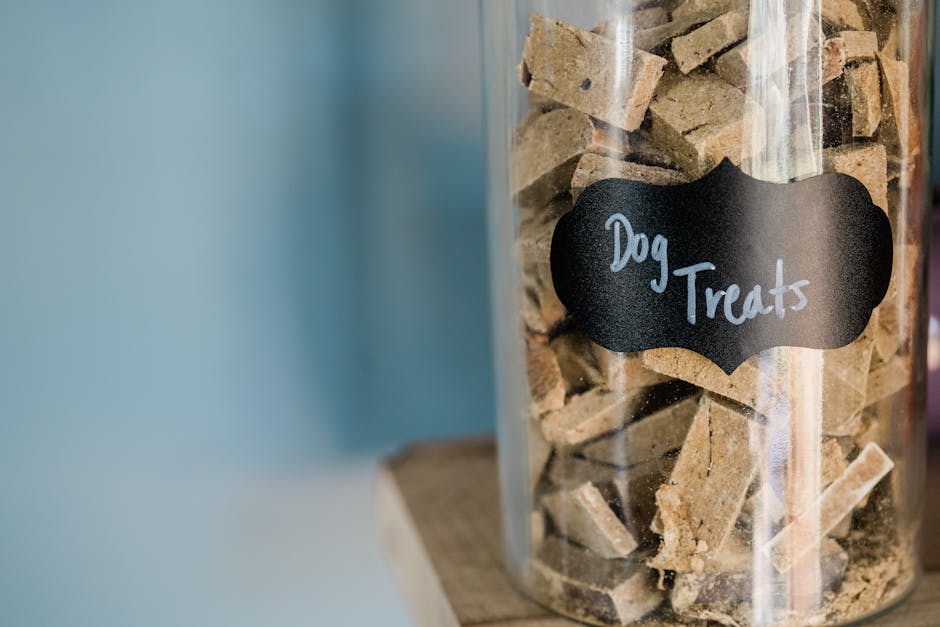
Featured image alt text: Treats 101: reading pet food labels to avoid hidden ingredients on a dog snack package