

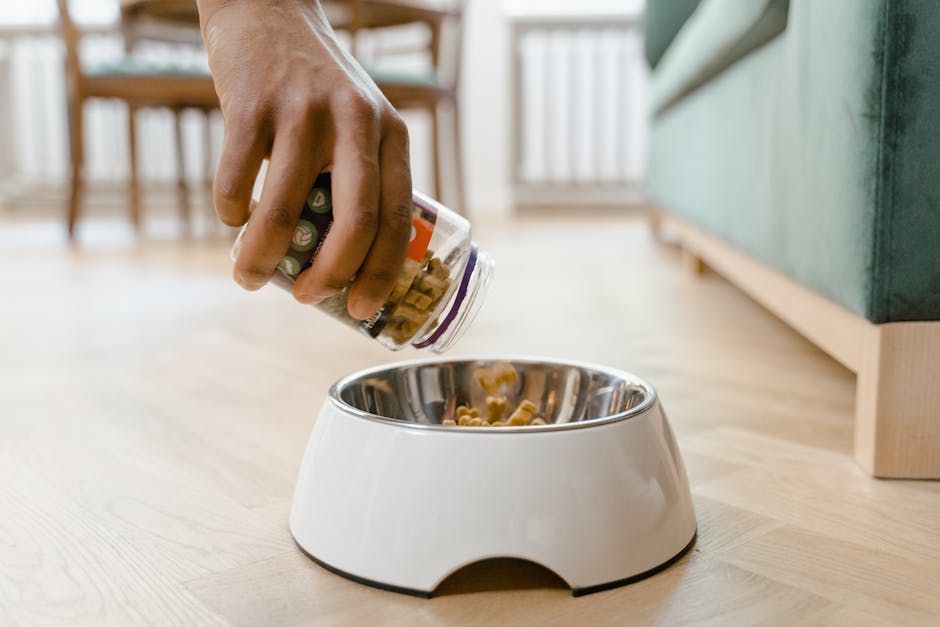
My biggest pet-feeding regret wasn’t “bad food.” It was following a common myth: that digestion and weight come down mostly to what brand you buy. In real life, the bigger drivers are how you feed (timing and portion), how fast your pet eats, and how their stomach handles change.
When your dog or cat seems gassy, itchy, or low-energy, it’s tempting to blame “food quality.” Some foods are better than others, sure. But most day-to-day digestion problems and weight swings come from habits and biology working together—not a single bag of kibble.
Below, I’ll bust the most common food myths and give you a clear, practical plan to support pet digestion, maintain a healthy weight, and keep energy steady. This is written for 2026 best practices, not old internet advice.
Food myth #1: “Any high-quality food fixes digestion and weight”
Better food helps, but it doesn’t fix the whole problem. Pet digestion is a system: your pet’s stomach acid, gut microbes, fiber level, water intake, and how consistently they eat. Two pets can eat the same “premium” food and have totally different results.
I’ve seen this in real homes. One dog did great on the same brand, while another got loose stools and started stealing more snacks. The second dog’s issue wasn’t ingredients—it was portion size and how quickly they inhaled meals.
What actually matters for digestion
Digestive health comes down to these practical factors:
- Portion accuracy (especially if you free-feed “a little”)
- Meal timing (big gaps can cause stomach upset)
- Food change speed (switching too fast can trigger diarrhea)
- Eating speed (fast eating can mean more gas and less stable stools)
- Water intake (hydration affects constipation and stool quality)
The quick check I do with anxious or gassy pets
If your pet has gas, smelly poop, or softer stools, I start by looking at three things:
- How many treats per day and how large they are
- How much of the daily calories comes from extras (not just the food bag)
- How quickly they eat (if it’s under a few minutes, that’s a clue)
For many households, that’s where the “mystery” starts to make sense.
Food myth #2: “Carbs are bad, and grain-free is automatically healthier”
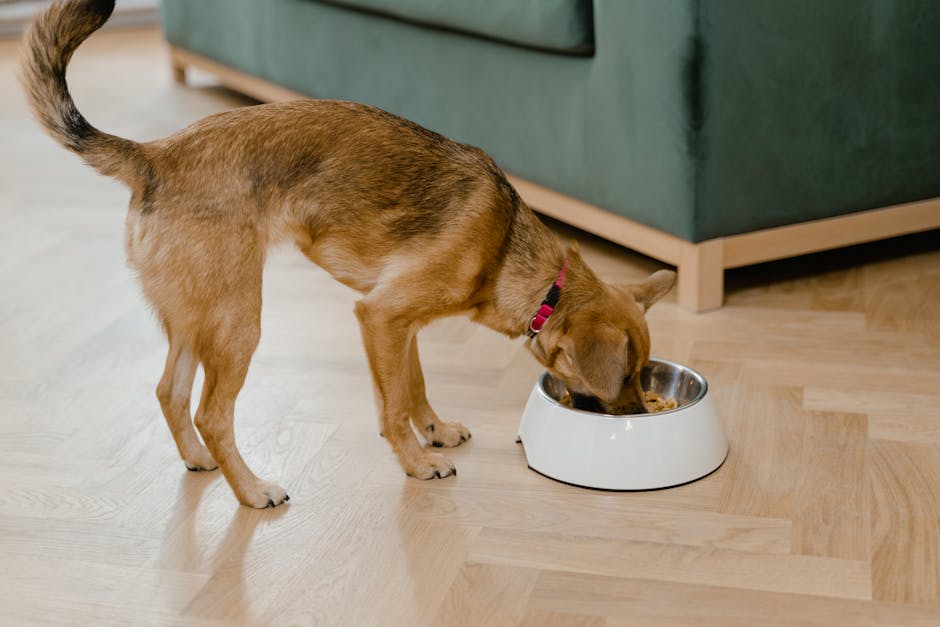
Carbs aren’t the enemy. For most pets, carbs are energy and can help stool consistency. The bigger issue is balance. Too little fiber or too many “fast carbs” can upset some pets.
Also, grain-free diets have been a big topic in recent years. As of 2026, veterinarians still stress that diet type matters less than total nutrition and whether your pet does well on that specific formula.
Grain-free vs grain-inclusive: what I tell people
Here’s the plain truth: grain-free is not the same thing as low quality, and grain-inclusive is not automatically “bad.” What matters is whether the food meets your pet’s needs for their life stage and body condition.
If your pet has a known allergy (diagnosed, not guessed), grain-free may help as part of a proper plan. If not, you shouldn’t switch just because you heard it’s “cleaner.”
How fiber affects poop (and what “right” looks like)
Fiber is a big lever for digestion. It acts like a broom and helps form stool. A good target depends on your pet, but here’s a simple visual guide:
- Too little fiber: firmer or dry poop, sometimes constipation
- Too much or a sudden change: loose stool or frequent poops
- Right amount: stool that’s firm, formed, and easy to pick up
That’s why I’m careful with “high-fiber” add-ons. One spoon can change things fast.
Food myth #3: “If my pet gains weight, they must be eating too much”
Sometimes it’s not just the amount—it’s the math you’re using. Weight change comes from calories in minus calories out, but “calories out” includes more than exercise. Resting, stress, sleep, and medical issues all play a part.
In my experience, the biggest hidden calorie sources are treats, table food, flavored meds, and “just a few” extras. Even small extras add up fast.
The 10-second weight audit you can do today
Do this for the next 3 days:
- Weigh the kibble (or portion) you give each day if you can. Cup measures vary.
- Track every treat for one day. Write down the type and approximate size.
- Count bites from table food and “small rewards” you don’t think of as food.
Then compare that total to the feeding guide on your pet’s food label.
If you want a quick starting point: many dog owners need fewer calories than the label suggests once their pet is less active in colder months or has joint pain. I’ve seen weight stabilize just by cutting treats in half, not the main meal.
Energy level isn’t always “less food”
Low energy can mean pain, dental issues, gut discomfort, or even mild nausea. If your pet suddenly seems tired along with digestion changes, don’t assume you can fix it by feeding less.
When I suspect a health issue, I look at the whole pattern: appetite, stool, vomiting, coat changes, skin itching, and activity level. If anything is off, a vet check is the right move.
Food myth #4: “Feeding once a day is always best”
Once-a-day feeding can work, but it isn’t automatically best for digestion. Some pets do better with smaller meals. Others handle one meal just fine. The deciding factor is how stable your pet’s stomach feels and whether meals affect hunger-driven behavior.
I used to recommend one big meal to almost everyone. Now I think in terms of what fits the pet’s body and schedule. If your dog gulps food, one big meal can make gas worse.
How meal frequency affects gas and stomach comfort
When a pet eats a large amount at once, the stomach stretches more. That can lead to belching or loose stool in sensitive pets. Feeding smaller amounts two times a day often keeps the gut calmer.
- Dogs with fast eating or gas: try split meals
- Dogs with stable digestion: one meal may be fine
- Cats: often prefer frequent small meals, especially if they struggle with motivation
What I’ve seen work: slow-down feeding
If your pet eats like they’re racing, slow-down tools can help fast. I’ve had good results with:
- Slow-feeder bowls with ridges or mazes
- Smaller meal portions more often
- Wetting kibble slightly (only if your pet tolerates it)
Important: If your pet has pancreatitis history, obesity, or special dietary needs, talk to your vet before changing fat intake or meal style.
Food myth #5: “Treats don’t count because they’re small”
Treats count. If treats make up 10–20% of daily calories, they can easily throw off digestion and weight even when the main food amount is “right.” And for training, treats can be a lifesaver—so the goal isn’t zero treats. It’s smarter treats and portion control.
For training, I recommend using smaller, lower-calorie treats and saving the biggest rewards for special wins.
A simple treat strategy that doesn’t kill training momentum
- Pick treats that are easy to break into pea-size pieces.
- Use the smallest size for repeated cues (sit, stay, leave it).
- Reduce the kibble portion slightly on treat-heavy training days.
- Stop “bonus treats” after potty breaks if weight is creeping up.
If you want more training-based help, see our post on reward timing for basic manners to keep calories under control while training stays effective.
What actually impacts pet digestion: the feeding switch rules
Switching diets is one of the fastest ways to cause gut upset. A change that feels small to you can be huge to your pet’s gut microbes. That’s why new foods should be introduced gradually.
My go-to transition timeline (for most adult pets)
Use this as a starting point, then adjust for your pet’s sensitivity:
- Days 1–2: 75% old food + 25% new
- Days 3–4: 50% old + 50% new
- Days 5–6: 25% old + 75% new
- Day 7+: 100% new
If you see diarrhea or vomiting, slow down and go back to the last steady step for a couple days.
When you should NOT “push through” diarrhea
If your pet has repeated vomiting, blood in stool, weakness, or signs of dehydration, don’t keep transitioning. In those cases, it’s safer to stop the change and contact a vet.
Also, if your pet is on a prescription diet, don’t swap brands even if the label looks similar. Prescription formulas are made for specific results.
What actually impacts pet weight: body condition beats the scale
A pet can “look fine” on the scale and still be overweight. That’s why body condition scoring is so important. It’s a simple way to check fat vs muscle using touch, not just numbers.
Body condition refers to how much padding is on the ribs and waist—not just how many pounds your pet weighs.
Quick body check you can do at home
Use your hands on your pet’s ribs and spine:
- Healthy: you can feel ribs easily, but they’re not sharp
- Overweight: ribs are hard to feel, there’s extra padding
- Underweight: ribs feel too sharp or spine is very pronounced
If your pet is gaining weight, start with calories and treat tracking first. If weight keeps rising despite the new plan, check for medical causes with your vet (thyroid issues, pain reducing activity, hormone changes, or even chronic gut problems).
What actually impacts pet energy: gut comfort and stable blood sugar
Energy often comes from how comfortable the gut is. Pets with tummy trouble can look “lazy” because discomfort drains energy. Some also eat less because their stomach feels off.
Another less-talked-about factor is steady intake. Very long gaps between meals can lead to low energy, especially in active dogs.
Case example: the “sleepy after meals” dog
A client’s dog would act normal in the morning, then crash after dinner. The food itself wasn’t “bad.” The issue was a huge meal portion given once a day, plus treats during an evening walk. Splitting dinner into two smaller meals and cutting treats by about 30% fixed the crash in about two weeks.
Was it the food brand? No. It was the schedule and total calories.
People Also Ask: What should I feed for better digestion?
Start by feeding the right portion consistently, then choose a formula that matches your pet’s needs. For better digestion, you want a balanced diet with the right fiber and protein level for your pet’s age, size, and health.
If your pet is healthy and just has occasional soft stools, begin with a gentle transition and treat reduction before buying a new specialty food.
Step-by-step: a digestion-friendly feeding reset
- Measure daily food for 7 days (cups are often off).
- Cut treats by 25–50% for a week.
- Feed smaller meals if your pet eats fast or gets gassy.
- Transition to any new food over 7 days, slower if needed.
- Track stool quality: frequency, firmness, and smell.
If there’s no improvement after 2–3 weeks, it’s time to talk with a vet about allergies, parasites, inflammatory bowel disease, or other causes.
People Also Ask: How do I switch dog food without upset stomach?
Switch slowly and keep everything else the same. Don’t change bowls, treats, and food timing all at once. Your pet’s gut needs one change at a time.
As a rule, use the 75/25 then 50/50 plan described earlier. If your dog is sensitive, stretch it out to 10–14 days.
What to avoid during a switch
- Adding extra toppers “just for taste”
- Switching treats too
- Skipping meals when your pet refuses food
- Changing portion size suddenly
If your dog refuses the new food at first, try mixing a smaller percentage for longer. Many pets adjust faster when the change isn’t forced.
People Also Ask: Can feeding slower help my pet’s digestion?
Yes—slower eating often improves gas, hiccups, and stool quality. When pets gulp food, they swallow air. That can lead to burping and discomfort.
I like slow-feeder bowls because they create tiny “checkpoints” that slow the pace. For cats, puzzle feeders can help if your cat is a fast eater and you’re also managing weight.
When slow-feeding won’t be enough
If your pet still has frequent vomiting, diarrhea, or mucus in stool even after slowing down, you need more than a bowl change. That points to diet intolerance, parasites, or inflammation that needs medical help.
Food myths busted: what to stop doing right now
Here are the habits I’d cut first, because they often cause the biggest problems.
| What people do | Why it backfires | What to do instead |
|---|---|---|
| Switch food brands weekly | Gut microbes don’t get time to adapt | Pick one food for 3–4 weeks unless a vet recommends changes |
| Free-feed “a little extra” | Calories drift up without you noticing | Measure portions; use food-dispensing tools if needed |
| Overdo toppers and human food | Fat and salt can trigger loose stool or weight gain | Use small, pet-safe toppers only if the vet approves |
| Assume it’s “detox” when stool changes | Loose stool usually means irritation | Track stool for 7 days and adjust feeding method first |
A practical 14-day plan to improve digestion, weight, and energy
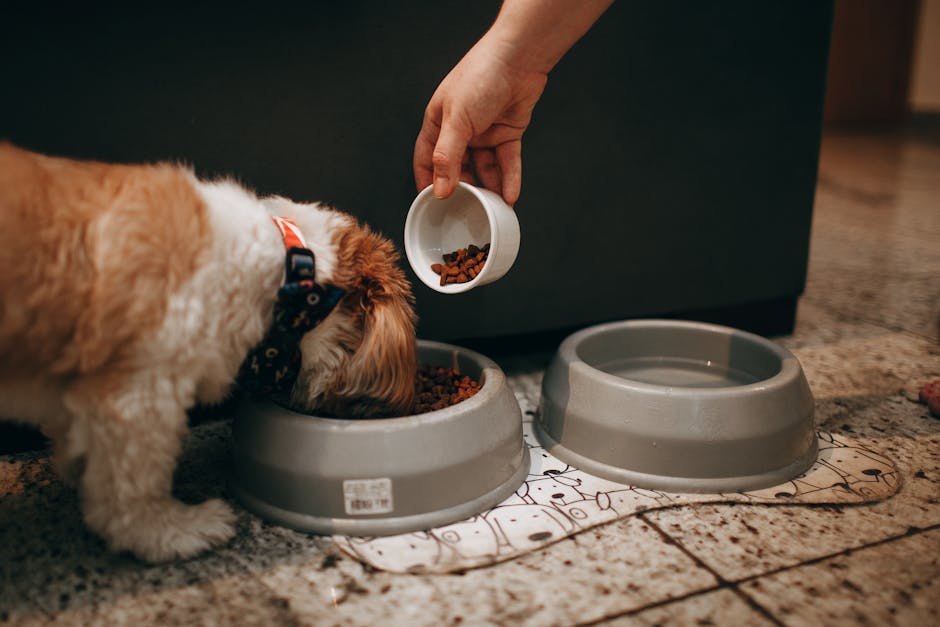
Here’s a plan you can start this week. It doesn’t require fancy supplements or a new “miracle” food. It focuses on the real levers that affect digestion and energy.
Days 1–3: Stabilize
- Measure meals by weight if possible
- Cut treats by 25–50%
- Keep water available and clean
- If your pet eats fast, use a slow-feeder
Days 4–7: Fine-tune
- Adjust meal frequency (split into 2 meals if needed)
- Watch stool firmness and frequency
- If you’re switching foods, start gradual mixing here
Days 8–14: Lock in the routine
- Keep the same food and portions steady
- For weight loss, reduce calories by small steps (often 5–10%) instead of big drops
- Increase daily movement in short bursts (10 minutes after meals works for many dogs)
If you want related support, you may also like our guide on gut-friendly habits for dogs and our tips for making pet routines easier at home. Routine is where most results come from.
How supplements fit in (and when they don’t)
Supplements can help, but they’re not a magic fix. Some pets benefit from probiotics (good gut bacteria) or specific fiber sources. But if the cause is overfeeding, eating too fast, or frequent diet changes, supplements won’t solve the root issue.
In 2026, the best practice is still simple: use supplements as a tool after you’ve stabilized the basics—portion, consistency, and food transition speed.
A direct rule I follow
If your pet’s digestion is off, fix feeding habits first for 1–2 weeks. If nothing improves, then discuss options with your vet and ask about testing if needed.
When it’s time to call your vet
Trust your instincts if the problem is persistent. Call your vet if your pet has vomiting, diarrhea lasting more than a few days, blood or black stool, sudden weight loss, or extreme tiredness.
Also get help if your pet is constantly hungry, seems itchy and miserable, or has recurring ear infections. Those signs can point to food intolerance, allergies, or other health issues where feeding changes alone won’t be enough.
Conclusion: Stop chasing myths—start controlling the real variables
The truth about pet digestion, weight, and energy is boring—in the best way. What you feed matters, but so do timing, portion accuracy, treat totals, and how quickly your pet eats. Most “mystery” stomach issues improve when you stabilize the routine and switch diets slowly.
If you only do one thing today, do this: measure your daily food for a week and cut treats by at least 25%. Then track stool and energy like a detective. In two weeks, you’ll usually know whether the problem was myth-based or habit-based—and you’ll have a plan that actually works.
Featured image alt text: Pet eating from a slow feeder bowl to support pet digestion, weight, and energy