

If your pet keeps stealing socks, pacing in circles, or staring at the door like it’s calling their name, that’s often boredom talking. And here’s the surprising part: you don’t need fancy treat puzzles to fix it. DIY enrichment for pets can be cheap, fast, and surprisingly effective with things you already have at home.
I’ve used these ideas in real homes—on rainy days, during travel weeks, and on weeks when money was tight. As of 2026, the best standard is still the same: give your pet choices, control difficulty, and keep sessions short. For most pets, 5–15 minutes of the right brain work beats an hour of random play.
Quick featured answer: DIY enrichment is short, brain-focused activities using safe household items. Start with easy tasks, reward calm effort, and rotate games every few days so your pet doesn’t get bored again.
What “DIY enrichment for pets” really means (and why boredom turns into behavior)
DIY enrichment for pets is brain work you plan on purpose. It’s not just “playing” and it’s not just “giving treats.” It’s about making your pet think, search, sniff, and solve small problems.
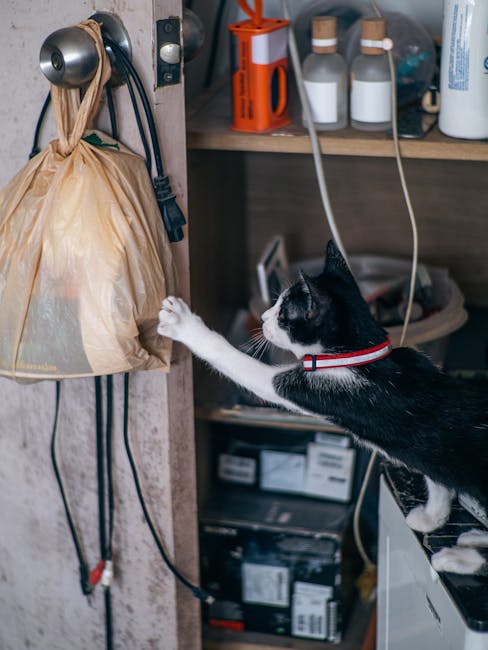
Boredom shows up in different ways. Dogs may get into stuff or bark at nothing. Cats may slap at dangling cords or yowl for attention. Small animals may over-chew or become cranky when they’re not mentally busy.
Brain games help because they spend energy in the head, not only the body. That can lower stress, reduce problem behaviors, and make training easier since your pet learns to focus.
Safety first: household items that are safe (and common mistakes)
The biggest rule is simple: if something can break into sharp pieces or get swallowed, don’t use it.
Before you start, do a quick safety check for every game:
- Avoid small parts (button batteries, tiny beads, loose caps, elastic bands that can snap off).
- Skip toxic items like onions, garlic, chocolate, xylitol, and some essential oils. (If it’s unsafe to eat, it’s unsafe for games.)
- No unsupervised chewing with paper, cardboard with tape, or thin plastic that can come apart.
- Watch the “mouth-to-trash” risk: kitchen towels, string, and shoelaces can tangle in paws or throats.
- Use clean, plain items: paper without ink, cardboard without heavy dyes, and sturdy containers.
What most people get wrong: they make games too hard too soon. Then the pet loses interest or gets frustrated. Start easy, then increase difficulty only when your pet is successful most of the time.
How to set up DIY enrichment sessions (so they actually work)
Use a simple routine. Your pet should know what to expect, even if the game changes.
- Pick 1 goal: sniffing, chasing a scent trail, puzzle-solving, or “find it.”
- Choose 1–3 items from your kitchen or storage bin.
- Keep time short: 5 minutes for cats and small pets, 10–15 minutes for most dogs.
- Start with easy wins: the first tries should feel boring-easy for your pet.
- Reward calm effort: a treat, a tiny bit of food, or praise when your pet engages.
- End while it’s still fun: if your pet is getting sloppy or wild, you’ve gone too long.
I also like to mix “active” games (moving) with “quiet” games (sniffing, finding, sorting). If your dog is already restless, start with sniffing.
If you’re also working on routines, you may like my related guide on basic training tips to stop common problem behavior. Enrichment and training support each other.
25 low-cost brain games you can do with everyday household items
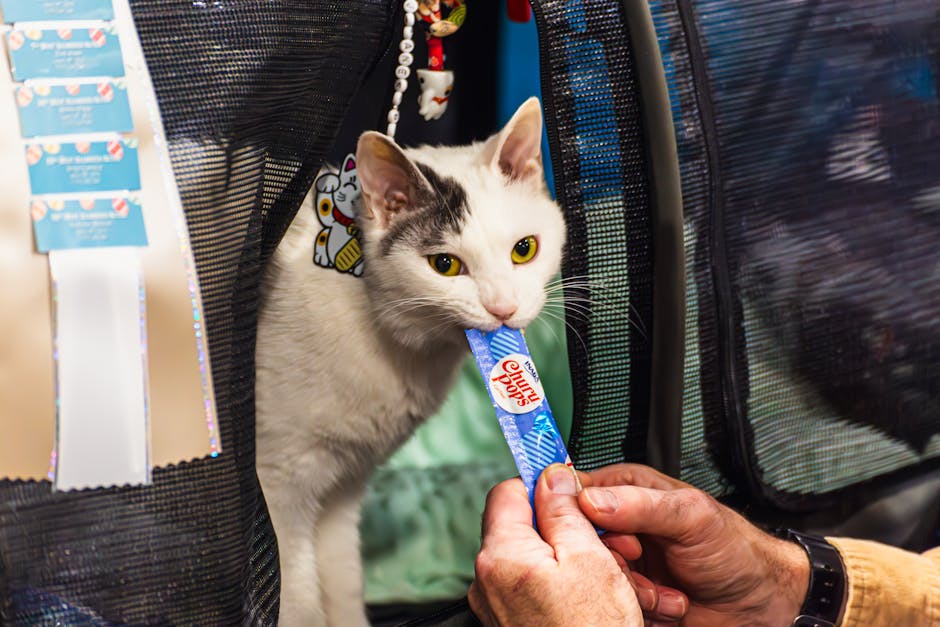
Below are 25 games. Some are best for dogs, some for cats, and a few work for both with small changes.
Rule of thumb: rotate 5–7 games per week, not all 25 at once. If you repeat the same game every day, your pet learns the trick and the “thinking” part fades.
1) Muffin tin treasure hunt (paper or treat version)
Take a muffin tin and hide small treats in a few cups. Use a paper liner if you want easier clean-up.
Start with only 2–3 cups for your pet’s first round. When they win, add 2 more cups.
Cost: free. Time: 5–10 minutes.
2) Cardboard box “dig” with crumpled paper
Fill a shallow cardboard box with crumpled paper, then bury 3–6 treats. The goal is sniffing and searching.
Keep it supervised. Use only plain paper (no plastic shine, no glossy coatings if you can help it).
Cost: free. Time: 10 minutes.
3) Toilet paper roll treat launcher (gentle toss)
Stuff a toilet paper roll with a treat. Toss it softly so your pet has to work it out.
If the roll collapses, your pet may shred it right away—some pets love that, but slow it down by using rolls that still have structure.
Cost: free. Time: 5–15 minutes.
4) DIY snuffle mat from towels and strips
Cut a towel or old fleece into strips and tie them loosely to a flat base like a tray or cardboard. Hide treats between strips.
This is great for dogs that calm down with sniffing. For cats, use fewer strips so it’s not overwhelming.
Cost: $0–$5. Time: 10–15 minutes.
5) Paper bag “find it” scavenger search
Put treats in a few small paper bags and fold the tops. Hide the bags around the room.
Let your pet search for 1–2 minutes, then stop and reset. Don’t let them wander for 30 minutes.
Cost: free. Time: 5–10 minutes.
6) Cup shuffle guessing game
Use 3 cups or small containers. Put treats under one and slide them around while your pet watches.
For cats, do it on a low table with stable cups so nothing tips. Reward the correct cup quickly.
Cost: free. Time: 5–10 minutes.
7) Cardboard “maze” with a treat path
Cut a simple path in a cardboard sheet (like a winding track) and place treats at the end. If your pet nudges through, great.
For dogs, keep it low and stable. For cats, make the maze taller so they don’t just paw-hop over it.
Cost: free. Time: 10–20 minutes to set up once.
8) The sock ball (safe version)
Use a clean, old sock and roll it into a ball shape. Hide treats in the folds so your pet pushes and works.
Important: if your pet destroys socks fast, switch to a more durable fabric toy. Never tie strings onto it.
Cost: free. Time: 5–15 minutes.
9) Frozen treat in a yogurt container
Fill a small yogurt container with a thin layer of wet food or plain yogurt (plain, no sugar). Freeze it.
Let your pet lick and chew. Start with short sessions so their jaw doesn’t get overworked.
Cost: low. Time: 10–20 minutes.
10) “Snack catcher” from a cardboard tube
Stand a cardboard tube (like from paper towels) upright and drop kibble pieces into it. Your pet knocks and retrieves.
Make sure the opening is not too small for your pet’s nose and mouth. This helps avoid frustration.
Cost: free. Time: 5–10 minutes.
11) Paper plate snack sorting
Put two paper plates on the floor: one has kibble, one is empty. Toss one piece of food onto the “empty” plate, then correct gently.
Use training words like “find it” so your pet learns what you want. This also builds focus.
Cost: free. Time: 5–10 minutes.
12) Towel “bundle” for slow eating
Place treats on one end of a towel and roll it up. Hold one end still and let your pet pull out the treats.
This works especially well for dogs who eat too fast. Stop if the towel becomes messy or slippery.
Cost: free. Time: 10 minutes.
13) Kibble hunt in a safe playpen area
Sprinkle a small handful of kibble across a safe space (like a playpen). Let your pet search.
Do this with supervision so they don’t eat non-food items. If you use a hallway, only do it where nothing dangerous is reachable.
Cost: very low. Time: 5–15 minutes.
14) The “chair hunt” using sound cues
Make 3 treat spots behind chair legs or under a low chair edge. Then tap the spot and say “find it.”
After a few tries, you’ll hear the difference when your pet is searching on purpose.
Cost: free. Time: 5–10 minutes.
15) Hidden treat in a rolled towel tube
Roll a towel like a tube, then place a treat inside before fully rolling it shut. Your pet works it out by pushing and sniffing.
If your pet is a strong chewer, use this only if the towel stays intact. Swap to fabric that holds up.
Cost: $0. Time: 10 minutes.
16) “Lid lift” puzzle with plastic containers
Use 3 food-safe containers. Place treats under lids and move the lids around while your pet watches.
This is a great bridge game toward more advanced puzzles. Reward quickly the first few rounds.
Cost: $0–$10. Time: 5–12 minutes.
17) Feeder challenge: slow pour from a measuring cup
For dogs that inhale food, pour kibble slowly into a shallow bowl and break up the pour by pausing. Pair it with a “wait” cue.
This isn’t a toy puzzle, but it’s still brain enrichment because your pet learns timing and impulse control.
Cost: free. Time: 5–10 minutes.
18) Find the treat under a cup (classic, but done right)
Do one cup first. Then two cups. Then three cups. Keep it simple until your pet is correct most of the time.
Many people skip the easy steps, then wonder why their pet “doesn’t get it.”
Cost: free. Time: 5–10 minutes.
19) Cardboard “scratch and snack” board for cats
Attach cardboard to a flat base with non-toxic tape or a staple-free method. Scatter a few treats on top so your cat associates the scratching spot with rewards.
Use a sturdy base so it doesn’t wobble. Reward your cat near the board—not away from it.
Cost: $0–$10. Time: 5–15 minutes.
20) Feather + box chase (active play with a brain edge)
For cats, hide a feather end or small toy piece partially inside a shallow box. Move it slowly so your cat watches and decides how to reach.
This turns “random swatting” into goal-focused hunting.
Cost: $0–$5. Time: 8–12 minutes.
21) “Scent swap” game using safe household smells
This one is my favorite because it feels natural. Use two clean cloths. Rub one cloth on your hands after cooking a safe, mild scent (like plain unsalted butter smell in the air) and keep the other cloth neutral. Let your pet sniff and choose.
Reward the cloth you want your pet to choose. You’ll see focus improve fast.
Cost: free. Time: 5–10 minutes.
22) Treat trails on a paper towel strip
Drag a paper towel strip across the floor. Place tiny treat dots on the strip as a “trail.”
For dogs, this becomes sniff work. For cats, use a short trail and keep it quiet.
Cost: free. Time: 5–12 minutes.
23) DIY “flying saucer” with a shallow plate (for slow catch)
Use a shallow plate or wide bowl. Put a few treats on it and slide it gently so your pet has to nose or paw them to get each bite.
If your pet jumps hard and knocks things over, put the game on a non-slip mat.
Cost: $0–$5. Time: 5–10 minutes.
24) Snack in a paper envelope (for gentle nosing)
Put a few small treats inside a plain paper envelope. Fold it closed but leave no easy tear points.
Let your pet nose it and work the opening. Stop if they try to chew through paper too fast.
Cost: free. Time: 5–10 minutes.
25) The “choice board” using 5 everyday items
Create a simple floor row with 5 items: a cardboard tube, a paper bag, a muffin tin, a towel bundle, and a cup. Put one tiny treat near each item.
Then let your pet choose. The brain game here is decision-making, not just getting food.
Cost: free. Time: 10 minutes.
DIY enrichment for dogs: pick the best 5 games for your dog’s personality
Dogs vary a lot. One dog may love sniffing, while another needs movement and quick wins.
Here are my “go-to” picks by common personality type:
| Dog type | Best DIY enrichment ideas | Why it works |
|---|---|---|
| Sniffy and calm | Snuffle mat, cardboard dig box, treat trails | Let them use smell and slow down |
| High energy | Toilet roll launcher, cookie hunt, chair hunt | Quick searching keeps them engaged |
| Food-motivated | Muffin tin treasure hunt, lid lift, cup shuffle | They learn fast with clear rewards |
| Over-excited | Scent swap, towel bundle, frozen yogurt container | Creates a calm “work for it” moment |
If your dog grabs and runs with everything, keep sessions in one small area. You want them thinking, not collecting objects like trophies.
DIY enrichment for cats: 8 low-cost games that don’t require a printer or fancy toys
Cats often prefer shorter sessions and more “hunt” feel. They also like games that let them control the pace.
My top cat-friendly list from the 25 above:
- Lid lift (with stable, low containers)
- Feather + box chase
- Scratch and snack board
- Cup shuffle (slow and gentle)
- Treat trail on a strip (short)
- Paper bag find it (supervised)
- Scent swap with clean cloths
- Snack in a paper envelope (only if they’re gentle)
What I learned the hard way: cats don’t want “everything at once.” If you set up 8 stations, many cats ignore all of them. Put out 1 game, then rotate.
People Also Ask: quick answers about DIY pet enrichment
How long should enrichment last for pets?
For most cats, 5–10 minutes is plenty. For many dogs, 10–15 minutes works well. If your pet is still excited after that, end it anyway and try again later in the day.
Long sessions often turn into “hyper” sessions. Enrichment should leave your pet calmer, not more wired.
What household items are safe for pet brain games?
Safe everyday options include paper bags, clean cardboard, muffin tins, towels, paper towels, cups (stable ones), and empty food-safe containers.
Skip anything with chemical smells (strong cleaners), anything that can splinter, and anything your pet can swallow in one bite.
How many brain games per day should I do?
In 2026, a good everyday target is 1–2 short sessions per day. Busy days may mean just one quick game after meals.
If your pet already has training time, enrichment can replace some “extra” play. Brain games count as real activity.
Can DIY enrichment help with anxiety or reactivity?
It can help, especially by giving your pet a task instead of letting them spiral into repetitive stress behaviors. For anxiety and reactivity, use enrichment as a support tool, not the only plan.
If your pet has severe fear or aggression, talk to a vet or a certified trainer. Safety comes first.
How do I know if my pet is getting bored?
Look for these signs: they stop searching, they rush through without effort, they start ignoring the game, or they move to unwanted behaviors.
When you see that, change the game or increase difficulty slightly—like hiding treats deeper in a cardboard tube or using fewer visible treats.
Common mistakes that ruin DIY enrichment (and how to fix them fast)
Even good games can fail if you set them up wrong. Here are the fixes I use when a plan doesn’t land.
- Game is too hard: go back a step. Use fewer cups, fewer treat spots, or wider openings.
- Too much mess: put the game on an old shower mat or tray so it stays contained.
- Wrong reward timing: reward immediately after the correct behavior. Waiting makes learning slower.
- Using scary items: some pets hate new textures. If your pet flinches, swap to a familiar towel or box.
- Not rotating: if your pet finishes the puzzle in 10 seconds for days, rotate to a new setup.
If you’re also dealing with behavior issues, enrichment plus training helps most. I cover practical steps in what to do when training feels stuck.
Make it a weekly routine: a simple “enrichment calendar” for low stress
You don’t need a fancy schedule. You just need consistency so your pet expects brain work and looks forward to it.
Here’s a simple weekly plan I’d use with most families:
- Pick 5 games for the week (mix active and quiet).
- Do 1 game per day on weekdays, then 2 shorter games on one weekend day.
- Re-shape difficulty: day 1 is easy, day 2 is slightly harder, day 3 you return to easy if attention drops.
- Take one “off” day when life gets busy. A pet still benefits from a simple walk and rest.
Even if you only do 3–4 sessions some weeks, it still beats doing nothing. That’s the real-life win.
Connect enrichment to health: when to check the basics
Enrichment helps, but it doesn’t replace health care. If your pet suddenly stops eating, seems in pain, or has a big behavior change, check with your vet.
Also think about energy needs. A pet that’s under-exercised physically often can’t settle after enrichment alone. That’s why enrichment fits best alongside good routines.
If you’re curious about signs to watch in day-to-day life, browse normal vs. emergency signs in common pet issues for a quick safety checklist.
Your next step: choose 3 games and do them this week
Here’s what I want you to do today: pick three DIY enrichment ideas that match your pet’s style. Then set a timer and do the first session when your pet is calm, not right after a big burst of energy.
If you want a quick starter set, I’d choose:
- Muffin tin treasure hunt (simple thinking)
- Cardboard dig box with crumpled paper (strong sniffing)
- Cup shuffle or lid lift (fast learning)
In under a week, you’ll learn what your pet actually enjoys—and you’ll see fewer “out of nowhere” behaviors. DIY enrichment for pets is one of those rare home fixes that helps both minds: yours, because it’s low-cost, and theirs, because it feels good to finally have a job to do.
Featured image alt text suggestion: “DIY enrichment for pets using muffin tin treasure hunt with everyday household items”