

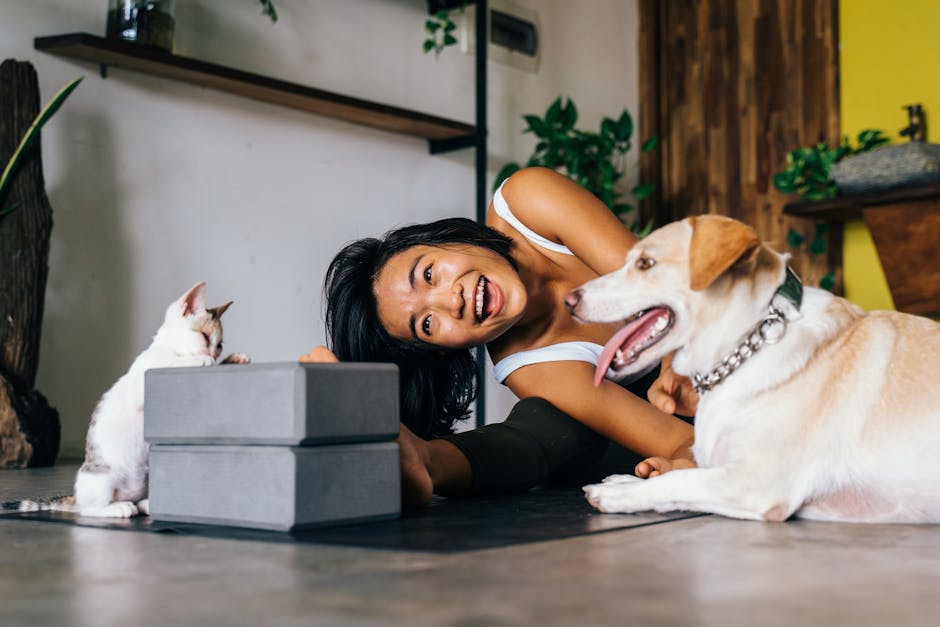
If your pet seems “fine” on food and walks but still acts cranky, bored, or destructive, the missing piece is usually mental health enrichment. Here’s the simple truth: cats and dogs need different kinds of brain work every day. The best enrichment plan is the one that matches the way your animal thinks.
Cat vs. dog enrichment is about choosing daily activities that fit each pet’s natural instincts, body limits, and learning style. For most homes, that means 10–20 minutes a day of smart play (plus short “bonus” moments like feeding tricks). In 2026, this is also what many vets and behavior trainers recommend as a baseline—especially when anxiety shows up as hiding, barking, chewing, scratching, or litter box issues.
Cat vs. Dog Enrichment: What “mental health” means for each pet
Enrichment is not just giving your pet something to do. It’s giving the right kind of problem-solving, movement, and choice so their brain stays calm and busy.
For cats, mental health enrichment often looks like hunting games, vertical exploration, and predictable routines. Cats are “stalk-and-pounce” animals, so even indoor cats need chances to practice that pattern.
For dogs, mental health enrichment usually means learning tasks, using their nose, and settling after excitement. Many dogs get stressed when the day has movement but no structure.
When people mix these up, problems grow. I’ve seen it with families who buy the same toys for both pets and then wonder why the cat ignores them and the dog gets overstimulated. A great enrichment plan makes it easy for each animal to win.
How to tell what your cat needs (and what your dog needs) fast
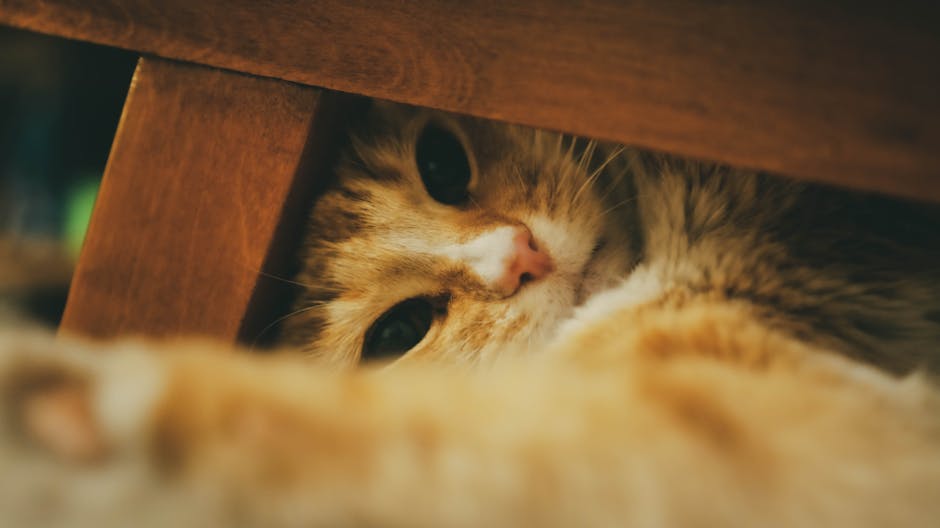
The fastest way to choose daily activities is to watch for patterns over 3–5 days. You’re looking for moments when your pet turns “normal” into “too wired” or “too shut down.”
Signs your cat needs enrichment
- Over-grooming or sudden coat changes
- Zoomies followed by rough play with furniture or your ankles
- Scratching right after being “fed and walked” (cats don’t get the same needs from physical exercise)
- Hiding for long stretches or acting jumpy
- Knocking things over because they want a job to do
In homes like these, most cats feel better when they get hunting-style play 1–3 times a day, plus access to vertical space (cat shelves, a tall perch, or a safe window ledge).
Signs your dog needs enrichment
- Barking at nothing, especially in the morning or evening
- Chewing doors, shoes, or couch corners
- Pacing or restlessness right after you think you gave enough attention
- Jumping for greetings and then can’t calm down
- Scavenging (sniffing hard, licking floors) that turns into bad habits
For dogs, I usually see the biggest wins from short training sessions, nose games, and a clear “settle” routine. Many dogs don’t need more time outside—they need more brain work at home.
Daily enrichment plan for cats: 3 activities that actually work
My go-to cat enrichment plan is simple: hunt, climb, and predict. If you do only one thing, do the “hunt” part. It’s the closest match to how cats naturally spend their time.
Cat enrichment activity #1: Timed hunting play (10 minutes)
Hunting play is when you mimic a prey chase and give your cat a “catch” moment. Start with 3–5 minutes, rest, then do 3–5 minutes again. End the session while your cat still has energy, not when they’re fully wound up.
Step-by-step (I use this pattern with real cats):
- Use a wand toy or feather toy with a long handle.
- Move it low to the floor and then slow it down like prey hiding.
- Stop every few minutes and let your cat “reset” (watch, crouch, then pounce).
- End with a final pounce and toss a small toy or treat (so they feel like they “won”).
- Never keep chasing after the cat bites hard. That turns play into stress.
Keep sessions around 10 minutes total. If your cat loves it, you can do it twice a day with a break in between.
What most people get wrong: they wave the toy like a human toy and never “pause” for stalking. Cats need the pause. That pause is where the calm confidence comes from.
Cat enrichment activity #2: Vertical time (even if you rent)
Vertical space is mental space for cats. A simple perch near a window often beats buying three new toys.
If you rent or don’t want to drill, try safe options like a tall cat tree, a freestanding shelf, or a wall-mounted shelf that a landlord allows. Aim for a spot where your cat can watch birds or people without feeling trapped.
In 2026, I’m still a big fan of “catifying” one corner, not the whole house. Pick one good zone. Cats learn routes and feel safe when the world looks the same every day.
Cat enrichment activity #3: Food puzzles + “small wins”
Food puzzles are brain games. A puzzle doesn’t have to be expensive to work. Even a simple treat scatter (with supervision) or a cardboard box “maze” can keep a cat focused.
Try 1 puzzle feeding a day. Use dry kibble if your cat tends to overeat, and check the product size so it can’t get stuck in the toy.
If you want a fun DIY option, use a clean muffin tin: put treats in a few cups, then cover the rest with tennis balls. Supervise at first so your cat learns safely.
Daily enrichment plan for dogs: 3 activities that calm the brain

Dog enrichment is about structure. Dogs often feel better when you give them a job and then help them settle after.
Dog enrichment activity #1: Nose work (5–15 minutes)
For many dogs, scent is like “mental coffee.” It drains nervous energy without working the same muscles as a long walk.
Easy home nose game:
- Choose a room where your dog can sniff freely.
- Hide 8–12 small treats in obvious spots first.
- Let them find each one at their pace.
- Next day, make 3–4 hides harder (behind a chair leg, under a towel edge).
Keep sessions short. If your dog gets frustrated, they’re not failing—they’re at the wrong difficulty level.
Dog enrichment activity #2: Training that includes real life (10 minutes)
Training is enrichment when it teaches your dog what to do next. I recommend teaching one skill and practicing it 3–5 times a day.
Good options for mental health:
- “Settle” (lying down calmly with a treat)
- “Touch” (nose to your hand)
- “Leave it” (reduces stress around tempting things)
- Loose-leash walking as a daily mini-goal
If you want a training routine that pairs well with enrichment, check out our guide on positive reinforcement routines for busy households. It’s written for real schedules, not perfect days.
Dog enrichment activity #3: Chew + lick for “down time”
Chewing and licking aren’t bad habits by default. They’re self-soothing. The key is picking safe tools and using them on purpose.
For example, a frozen lick mat (or a stuffed Kong-style toy) before you leave can reduce separation stress for many dogs. Use dog-safe ingredients and keep portions controlled.
What most people get wrong: they give a chew only after the dog has already destroyed something. Then the dog learns the wrong timing. Give it before the anxiety peak.
Cat vs. Dog enrichment: What works for both (with the same goal, different methods)
Even with big differences, cats and dogs can share enrichment goals: reduce boredom, lower stress, and give choice. The trick is doing it in the language your pet understands.
Interactive toys: when to buy, when to skip
Automatic toys and flashy gadgets can be fun, but I treat them like “dessert,” not the main meal. If your cat gets overstimulated or your dog gets fixated, you’ll see it quickly.
As a rule, choose interactive toys that you can pause or control. If you can’t stop the action, some pets never get their “reset” moment.
Safe “treat tossing” for both pets (different rules)
Dogs usually do well with a few tossed treats and then a cue like “find it.” Cats often do better when treats are placed near cover or on a stable surface for a stalk-and-pounce.
Never toss cat toys toward a dog if it turns into chase. That can create tension in multi-pet homes.
Shared enrichment zone: one room, two routes
In multi-pet households, I recommend one “human-proofed” room with separate routes. Cats get the vertical escape. Dogs get a sniffing corner and a settle spot.
This reduces the classic problem where the dog steamrolls the cat and the cat starts hiding more.
Common mistakes that raise anxiety (and what to do instead)
Most enrichment failures aren’t about effort. They’re about timing, difficulty, and mismatch.
Mistake #1: Doing enrichment only on weekends
Pets don’t store stress like we do. If enrichment happens only when you remember, your animal keeps building up tension the rest of the week.
Try a daily minimum: 10 minutes of hunting/food play for cats, 10 minutes of training or nose work for dogs. Even short routines help the brain expect calm.
Mistake #2: Overdoing it until they’re too excited
More intensity isn’t the same as better mental health. I’ve worked with dogs who got more enrichment and then became more reactive because the sessions were too long.
End while your pet is still engaged, then switch to a calm activity: settle training for dogs, and quiet rest after play for cats.
Mistake #3: Using the same toys for both pets
A dog ball can look like a fun chase tool to a cat, but cats usually want stalking and pounce—not nonstop chasing. A cat wand can excite a dog in a way that leads to rough play.
Instead, match the tool to the instinct: dogs sniff and train; cats stalk and climb.
Mistake #4: Ignoring age, health, and pain
Enrichment should fit your pet’s body. Older dogs with arthritis may struggle with intense training games. Older cats may need low steps instead of high jumps.
If you notice limping, sudden hiding, or changes in appetite, check with your vet before assuming it’s “behavior.” Pain looks like attitude in many animals.
If you’re working on a training issue tied to health or comfort, our stress signs in pets and what to check first article is a good next step.
People also ask: Cat vs. dog enrichment
How much enrichment do cats need each day?
Most indoor cats do well with 15–30 minutes total enrichment per day, split into small sessions. A typical pattern is 10 minutes of hunting play, a puzzle meal or treat scatter, and short quiet exploration on a safe perch.
If your cat is very young, very active, or reacting to stress, you can go a bit higher for a short time. I still keep it in short chunks so they don’t spike into rough behavior.
How much enrichment do dogs need each day?
Most dogs benefit from 20–45 minutes of “brain work” daily when it’s broken into 2–3 sessions. That can include training, nose work, puzzle feeders, and chew/lick time.
For high-energy dogs, add one longer sniff walk (even 10–20 minutes) and one short training set (5–10 minutes). For calmer dogs, shorter sessions with more settling practice work best.
Can enrichment replace walks or litter box cleaning?
No. Enrichment is mental health support, not a full replacement for basic needs. Dogs still need regular walks for physical health and social learning. Cats still need clean litter boxes and safe hiding spots.
What enrichment can do is reduce problem behaviors that come from boredom—like chewing, scratching, and attention spirals.
What are the best enrichment toys for cats vs. dogs?
For cats, the best toys are usually wand-style hunting toys, window perches, and food puzzle tools. For dogs, the best toys are often nose-work setups, training treats, and safe chew/lick items.
When choosing a toy, focus on safety and control. If your pet can’t finish the “job,” they may get frustrated and act out.
Why is my cat suddenly aggressive during play?
Play aggression is common when a cat is overstimulated or when the game turns into wrestling too long. If your cat grabs you hard, end the session calmly, offer a reset (sit quietly near a perch), and try shorter wand sessions later.
Also check whether your cat is hungry, overstressed by noise, or uncomfortable from pain. Enrichment should help, not worsen issues.
Example routines for 2026: a realistic schedule you can copy
Here are two real-life style routines. These are built for people with normal schedules—not pet experts with unlimited free time.
Routine for a typical indoor cat (single pet)
- Morning (10 minutes): wand hunting play + end with a “catch” moment
- Midday (5 minutes): puzzle feeder or treat scatter in one zone
- Evening (5–10 minutes): vertical window time + 1 short interactive toy round
I also like adding a predictable “food puzzle first, then rest” routine. It trains the cat’s brain that calm follows effort.
Routine for a typical dog (single pet)
- Morning (10 minutes): nose game with 8–12 hidden treats
- Midday (5 minutes): training reps for one cue (touch or settle)
- Evening (10–15 minutes): chew/lick item during calm TV time or after a short walk
One of my favorite “secret weapons” is pairing enrichment with a settle cue. If your dog practices calming down after a game, you’ll see less barking later.
Multi-pet homes: cat vs. dog enrichment without the stress
When cats and dogs share a space, enrichment should lower tension, not raise competition. I’ve found the best strategy is to plan “separate wins.”
Create two feeding and playing rules
- Rule 1: Feed at different heights or in different rooms so a cat can eat in peace.
- Rule 2: Schedule play at different times by 15–30 minutes if the dog tends to chase.
Even small timing differences can stop the “cat learns to fear dog movement” cycle.
Use barriers the right way
Baby gates, closed doors, or a tall cat tree route can work. The goal is not total separation. It’s letting your cat move away when they choose.
If you notice your cat hiding more after you add dog enrichment, slow down the dog’s sessions and give the cat more vertical escape options.
When enrichment isn’t enough: when to call a vet or trainer
Enrichment is great for mental health, but it’s not a cure-all for medical problems. If behavior changes are sudden, intense, or paired with physical signs, get help.
Call your vet if you see things like weight loss, vomiting, new limping, frequent litter box accidents, or changes in thirst. Stress and pain can look similar, and 2026 standards still say “check health first.”
Call a qualified trainer or behavior professional if you see ongoing fear, aggression, or panic that doesn’t improve with short daily routines. Look for reward-based training, clear safety plans, and patience.
Final takeaway: Choose enrichment that fits the brain, not just the toy
Cat vs. dog enrichment works best when you match the activity to how each animal naturally thinks. Cats want hunting, climbing, and quiet predictability. Dogs want scent work, training structure, and a clear way to settle after excitement.
If you want one actionable step for today: pick one cat enrichment hunt session (10 minutes) and one dog brain game (nose work or training, 10 minutes). Do it daily for 7 days and watch for calmer body language. When your pet’s stress drops, you’ll feel it right away—and you’ll know you chose the right daily activities for mental health.
Image SEO (featured image alt text): Cat vs. dog enrichment activities with wand hunting toy and dog nose work at home.