

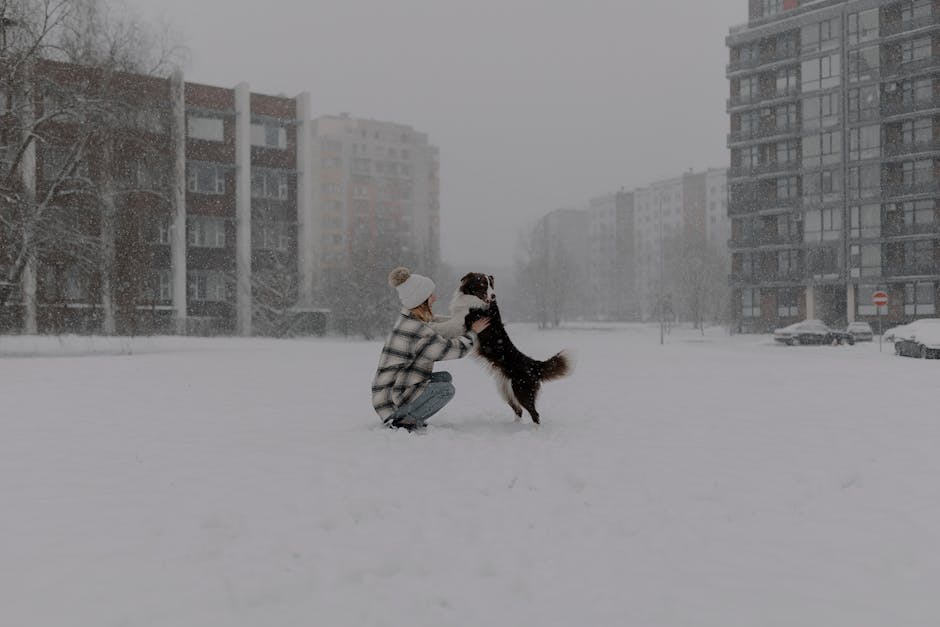
Seasonal Pet Care News & Tips isn’t just “summer good, winter bad.” The real danger is that pets get sick in the small windows between seasons—when owners assume the weather is “not that extreme.” One year, I watched a neighbor’s dog start vomiting after a short walk on a warm-but-sunny winter day. The pavement wasn’t freezing anymore, but the ground was still wet and icy underneath, and the dog kept stepping in puddles.
That’s what this guide is for: weather-proof routines that work through hot spells, cold snaps, rain, and sudden swings. I’ll share practical steps, common mistakes, and a few routines I use myself. You’ll find summer heat tips, winter risk fixes, and ready-to-use checklists so you can move from “hoping for the best” to “covered.”
Featured snippet answer: To keep pets safe all year, adjust water access and exercise timing for heat, protect paws and joints for winter, and run a quick daily “weather check” (10 minutes) to spot risky conditions before they cause problems.
Seasonal Pet Care News & Tips: Build a 10-Minute Daily Weather Check
The easiest weather-proof routine is one that fits real life. I do a quick check before breakfast and before the last potty break at night, especially during fast weather changes. This is part routine, part pet-safety habit.
“Weather check” is simple. You look at the ground, not just the air. You check surfaces (pavement, sand, snow/ice, and wet grass), then you check your pet (eyes, gums, energy, and breathing).
Here’s the 10-minute version I recommend for most households:
- Step 1 (2 minutes): Check the forecast for your next 6–12 hours. If there’s a heat index or wind chill warning, treat it like a real issue.
- Step 2 (2 minutes): Test the surface with the back of your hand or a bare foot for 5 seconds. If it’s too hot or too cold for you, it’s too extreme for them.
- Step 3 (2 minutes): Check water access. In 2026 best practice, you still need bowls that can be cleaned daily and refilled often, not just “filled once in the morning.”
- Step 4 (2 minutes): Look at your pet’s body. Dry or sticky gums, heavy panting, shivering, or slowed movement are signals.
- Step 5 (2 minutes): Adjust the day. Shorten the walk, move it to shade, add paw cream, or bring them inside earlier.
If you want more help with body condition and pain clues, pair this with our post on how to read a body condition score and catch issues before they become emergencies.
Summer Heat: How to Prevent Heatstroke and Dehydration
Heatstroke can happen fast, even when your pet “seems fine” at first. In summer, I treat the first hour after going outside as the highest risk time, especially for brachycephalic dogs (flat-faced breeds like pugs and bulldogs) and senior pets.
Heat refers to air temperature, but the real killer is heat plus time. When your pet’s body can’t cool down, the temperature rises. Panting helps, but thick coats, short noses, and humid days make it harder.
Seasonal Pet Care News & Tips for Dogs in Hot Weather: When to Skip the Walk
Skip the walk when the ground is too hot and when your pet is showing early heat signs. A good rule is the “hand test” on pavement. If you can’t keep your hand on it for about 5 seconds, don’t let your pet walk there.
Also watch for these early warnings:
- Heavy panting that doesn’t slow down after you move to shade
- Thick, sticky saliva or bright red gums
- Lack of interest in treats
- Trembling or sudden weakness
If this happens, go inside immediately, offer cool (not icy) water, and use cool damp cloths on the belly and inner thighs. If your pet seems confused, collapses, or the breathing gets worse, treat it like an emergency and call your vet right away.
What most people get wrong: they think “my dog is drinking water, so they must be okay.” Drinking helps, but it doesn’t fix a body that’s overheating. Cooling methods and shade matter.
Hydration Rules That Actually Work (and the bowl tip I swear by)
Hydration isn’t just “put out water.” In summer, you need water that stays cool and clean. I use a double-structure method: one bowl inside and one in the coolest shade spot outside. I also swap the outside bowl every few hours so it doesn’t warm up.
Try this setup:
- Use stainless steel bowls for easy cleaning and better temperature control.
- Keep an extra bowl in the fridge (filled with fresh water) and rotate during heat waves.
- Clean bowls daily with warm water and dish soap. If your pet has allergies or skin issues, do this more often.
- For outdoor cats, use a shaded station with a shallow dish and check water every morning and evening.
If your household has a lot of guests or you work long shifts, consider adding a simple timed water reminder. It sounds silly, but I’ve seen fewer dehydration issues when people set a “water check” on their phone.
Shade, Timing, and Play: A Better Summer Schedule
The best time for exercise in summer is early morning and later evening. I schedule walks for when the sun is low and the pavement cools down.
For play, trade “long fetch” for “short bursts.” For example: 5–7 minutes of fetch, then a 3–5 minute break in the shade with a sip of water. Repeat twice. This helps you avoid the slow heat build-up that sneaks up.
If you use training games outside, keep treats small and easy to chew. Big chunks of food can feel heavy when it’s hot.
Quick Summer Emergency Checklist
Keep this list somewhere visible. If you ever need it, you won’t want to search your phone.
- Vet clinic number + after-hours emergency number
- Cool damp towels and a fan
- Access to a shaded area
- Car AC checks (never leave a pet in a parked car)
Winter Risks: Paws, Joint Pain, Antifreeze, and Indoor-Air Care
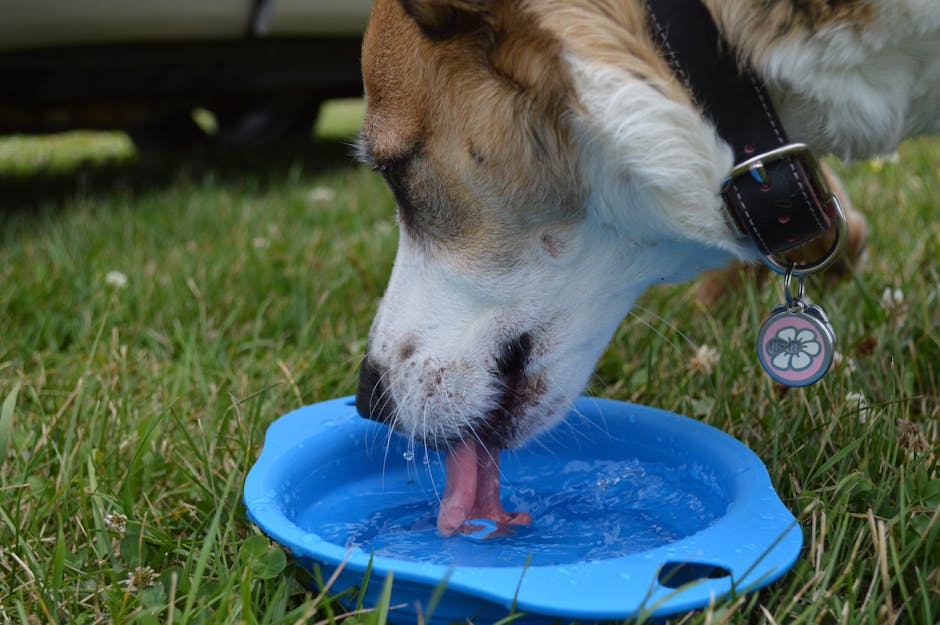
Winter dangers aren’t only “cold.” They’re wet floors, salty roads, ice melt chemicals, and dry air that can irritate skin and lungs. The first time I saw a dog get chemical burns from antifreeze, the owner didn’t even realize the puddle was dangerous. That moment stuck with me.
Protecting Paws from Salt, Ice Melt, and Rough Snow
Paw protection is about layers: the outside layer (shoes or booties) plus the cleanup layer (washing or wiping). Salt and ice melt can cling to paw pads and cause burning or cracks.
Try this routine:
- Use pet-safe de-icer when possible. If your area uses sodium chloride, plan for more paw cleanup.
- After walks, wipe paws with a warm damp cloth. For long-haired paw areas, dry carefully to prevent matting.
- If your pet tolerates them, use dog booties for slippery or icy days.
What most people get wrong: they apply heavy greasy paw balms and then let pets walk on snow. Greasy balm can trap snow and irritate skin. If you use balm, apply a thin layer and wipe off excess after outdoor time.
If you want additional training support, see our guide on desensitizing your pet to booties. The earlier you train, the easier winter gets.
Antifreeze (EG) Is a True Emergency Risk
Antifreeze is one of the biggest winter dangers around homes. Ethylene glycol tastes sweet to pets, which is why poisoning can happen even when owners think “it’s just a small spill.” If you suspect exposure, you need emergency vet care immediately.
Best practice in 2026 is prevention:
- Store antifreeze in a locked area.
- Wipe up spills right away and dispose properly.
- Consider pet-safe antifreeze options if you work on vehicles or have a high-risk household.
- Keep pets away from garages and driveways during and after repairs.
Winter Joint Pain and “Stiff After Standing” Clues
Cold weather affects joints, especially for dogs with arthritis and for older cats who move slower. A telltale sign is stiffness after resting, slower stairs, or a “hesitate then move” walk.
I’m a fan of warm, dry bedding and gentle movement. For dogs, short leash walks twice a day can be better than one long run on frozen pavement. For cats, add warmth near favorite resting spots and keep litter boxes easy to reach.
If you’re already working with a vet on pain management, keep the plan consistent. Don’t stop supplements when the temperature drops. Cold often makes pain show up again.
Indoor-Air Tips for Pets (Dry Air, Dust, and Fur)
Dry indoor air can irritate skin and worsen allergies. In winter, forced air heat is great for humans but can dry out pets’ skin and noses.
Try these practical changes:
- Use a humidifier set to a safe indoor level (aim around 30–50% humidity).
- Wash pet bedding weekly if your pet has allergies or sensitive skin.
- Vacuum with a good filter and avoid harsh sprays around pets.
- Keep an eye on litter dust. If your cat sneezes more in winter, switch to lower-dust litter.
If you notice persistent itching, redness, or frequent ear shaking, check with a vet. Winter can hide skin problems that started earlier.
Rain, Wind, and Mud: Weather-Proof Routines for Every Season
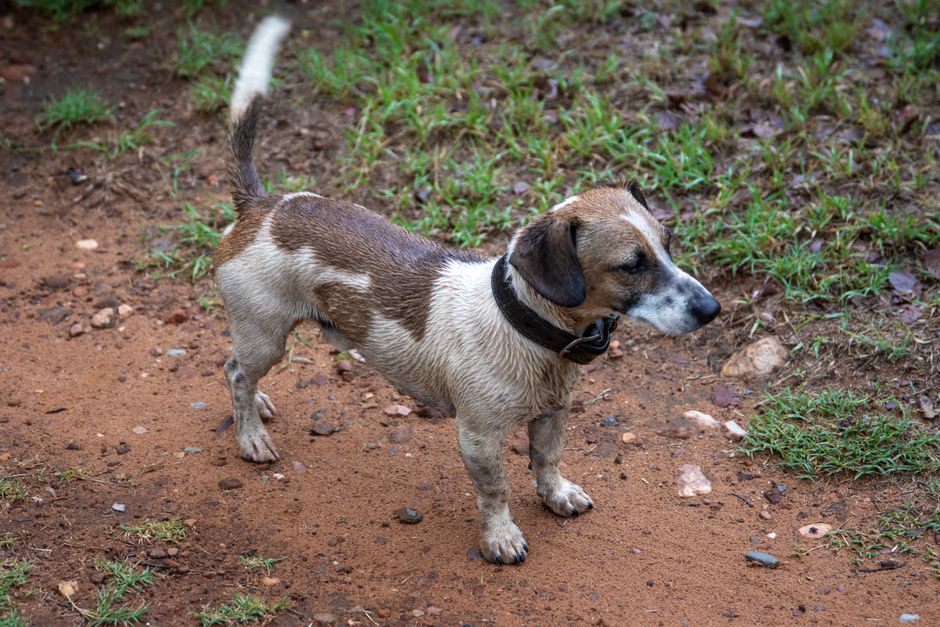
Rainy days are where routine breaks and problems pop up. Mud gets tracked indoors, wet fur leads to skin irritation, and wind can push pets into hiding even if they feel okay.
In 2026, I’ve seen more owners add “weather-proof” entry stations at home. It’s not fancy. It’s towels, a mat, and a consistent plan.
Make a Mud Station (Entry Mat + Towel System)
A mud station saves time and keeps skin issues down. Pick one spot near the door so you’re not hunting for towels after a wet walk.
My setup includes:
- An absorbent mat that can be washed
- 2–3 towels (one for paws, one for legs/fur, one for quick wipe)
- A small trash bin for used wipes
- A safe brush for shedding control
If you have a dog that hates paw wiping, start training now. A simple “touch” cue and short sessions work better than forcing the issue. We cover basic behavior cues in basic cues for routine care.
Wet Fur and Skin Care: Don’t Overdo Baths
Wet fur isn’t automatically a problem, but staying damp too long can irritate skin. If your pet gets soaked, dry them fully—especially in folds (under the chin, armpits, belly area) if they have thicker coat or skin folds.
However, don’t bathe too often. Frequent baths can strip natural oils. If your pet only got muddy on paws and legs, wipe and spot-clean instead of full shampoo.
People Also Ask: Quick Answers for Common Seasonal Pet Care Questions
These are the questions I hear most from friends and clients when the weather changes. I’m answering them directly so you can make a decision fast.
How do I tell if my pet is too hot or too cold?
Too hot usually looks like heavy panting, bright red gums, weakness, and confusion. Too cold shows up as shivering, slow movement, tense body, and seeking warmth.
Don’t rely on your pet’s ears or tail wag alone. Body temperature symptoms show up in breathing, gums, and energy first.
Should I shave my dog in summer to prevent overheating?
Sometimes shaving can help, but it can also create new problems. A full shave can expose skin to sun and reduce the coat’s natural cooling protection. I recommend asking your groomer or vet about your pet’s coat type, and keeping baths and brushing steady instead.
Can I use a sweater or coat for all pets in winter?
No. Small, short-haired dogs and older pets often benefit, but some pets overheat inside if the coat is warm indoors. Start with short outdoor time and watch their breathing and comfort.
For cats, many do better with warmer bedding rather than a winter coat.
What’s the safest way to walk my dog on snowy or icy days?
Use booties if your dog will wear them, keep walks short, and avoid slick sidewalks where they might slip. After the walk, wipe or rinse paws if you can. If your dog shows pain or limps, stop and check paw pads for cracks.
A Weather-Proof Training Plan: Teach the Routine, Not the Emergency
Pets do better when they know what comes next. In my experience, the biggest winter and summer problems happen because owners start new rules when it’s already stressful.
So I train the routine when the weather is calm. Then the same cues work during heat waves and cold snaps.
Train Three Cues That Make Seasonal Pet Care Easier
If you remember nothing else, remember these three. They reduce stress when you need to act quickly.
- “Come” reliably: practice indoors first, then in the yard, then near the door.
- “Touch” or “Paw”: helps with paw wiping, nail trimming prep, and quick check-ins.
- “Mat”: teaches your pet to go to a safe spot during bad weather.
When it’s raining, I say “mat” and reward calm behavior. When it’s hot, I use “come” so I can move them into shade fast. Training turns panic into routine.
My Favorite Comparison: Heat vs. Cold Risks (So You Know What to Watch)
Heat and cold don’t just feel different—they affect different body systems. Here’s a quick comparison that helps you decide what to change first.
| Weather Type | Main Risk | Top Signs to Watch | First Action |
|---|---|---|---|
| Summer heat | Overheating + dehydration | Heavy panting, sticky gums, weakness | Move to shade/AC, cool with damp cloths |
| Winter cold | Paw injury + joint stiffness + dry air | Shivering, stiffness, paw licking/cracks | Protect paws, warm bedding, shorten walks |
| Rain/wet | Skin irritation + tracking mess | Itching, damp smell, redness | Wipe/dry, set up mud station |
| Wind | Stress + balance issues | Hiding, shivering, sudden start-stop walking | Use calm handling + stable leash area |
Seasonal Pet Care News & Tips for 2026: Quick Checklists You Can Save
These checklists are meant to be copied into your notes app. When the weather flips suddenly, you won’t have to guess what to do.
Summer Checklist (Heat Wave Mode)
- Walk only early morning/late evening
- Check pavement temperature with hand test
- Bring water or use chilled bowls at home
- Limit intense play to short bursts
- Know your emergency vet number
Winter Checklist (Cold Snap Mode)
- Booties or paw wipe after every walk
- Avoid antifreeze areas; secure garage and driveway
- Warm dry bedding and draft checks
- Shorter walks; watch for limping
- Humidifier if air is very dry
Rain Checklist (Wet Day Mode)
- Set up a mud station by the door
- Wipe paws and legs; dry folds
- Spot-clean instead of full bath when possible
- Keep grooming tools ready for shedding control
Conclusion: Weather-Proof Routines Beat “Last-Minute Fixes”
Seasonal Pet Care News & Tips work best when they become routines, not panic plans. In summer, protect your pet from overheating by changing walk timing, watching ground temperature, and cooling correctly. In winter, protect paws, joints, and indoor comfort—and treat antifreeze risk like a real emergency.
If you do just one thing this week, do this: set up your daily 10-minute weather check and save the three checklists (heat wave, cold snap, wet day) on your phone. That one habit turns weather changes into manageable steps, and it keeps your pet healthier through the whole year.