

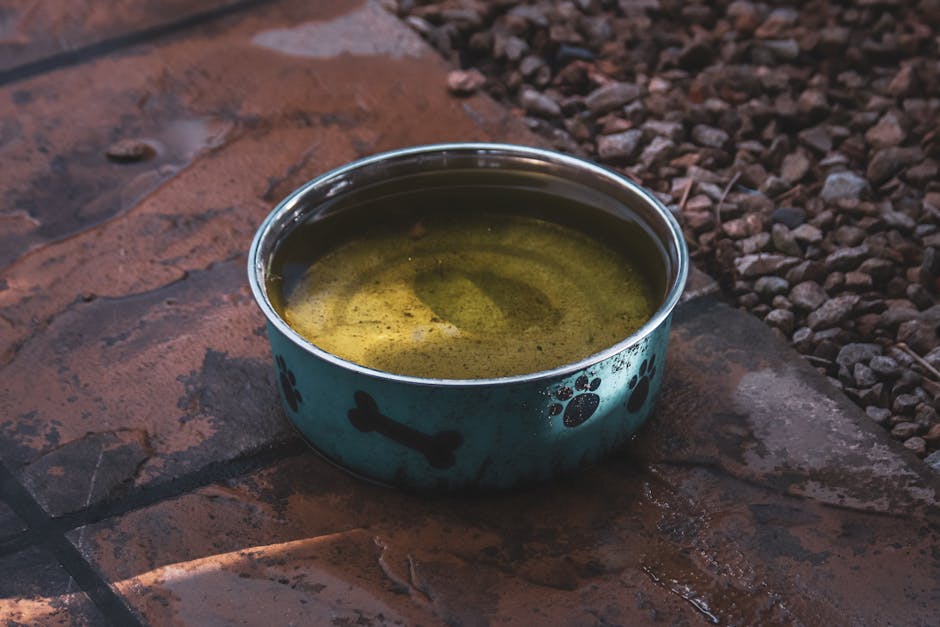
Here’s a quick, real-life truth: most “my pet won’t drink” problems are actually “we set up the water wrong” problems. A dry mouth can lead to constipation, bad digestion, and even kidney stress—especially in cats and older dogs. The good news? With the right pet hydration setup, you can usually fix it at home.
So what do you do first? Use this guide to pick the best water bowl setup, try safe flavor boosts, and learn the red flags that mean it’s time to call your vet. I’ll also share the mistakes I see all the time (including one that surprised me during a house call in 2026).
Pet hydration basics: how much water is “normal”?
Pet hydration is about steady water intake, not one big drink right before bedtime. In general, dogs need more water than cats, and active or warm-weather dogs need even more.
As a starting point, many vets use a simple rule of thumb: dogs often need about 1 ounce of water per pound of body weight per day (rough estimate). Cats tend to drink less, but they still need enough to keep urine pale and the mouth moist.
“Normal” also depends on food. If your pet eats mostly dry kibble, they usually need more water than a pet eating wet food. Wet food already adds moisture, so your bowl might look less important.
Easy check at home: Pay attention to urine color and frequency. Pale yellow is a better sign than dark yellow. If your pet’s peeing less or it smells stronger than usual, that’s a hydration clue.
Water bowl tips that work: placement, cleaning, and bowl type
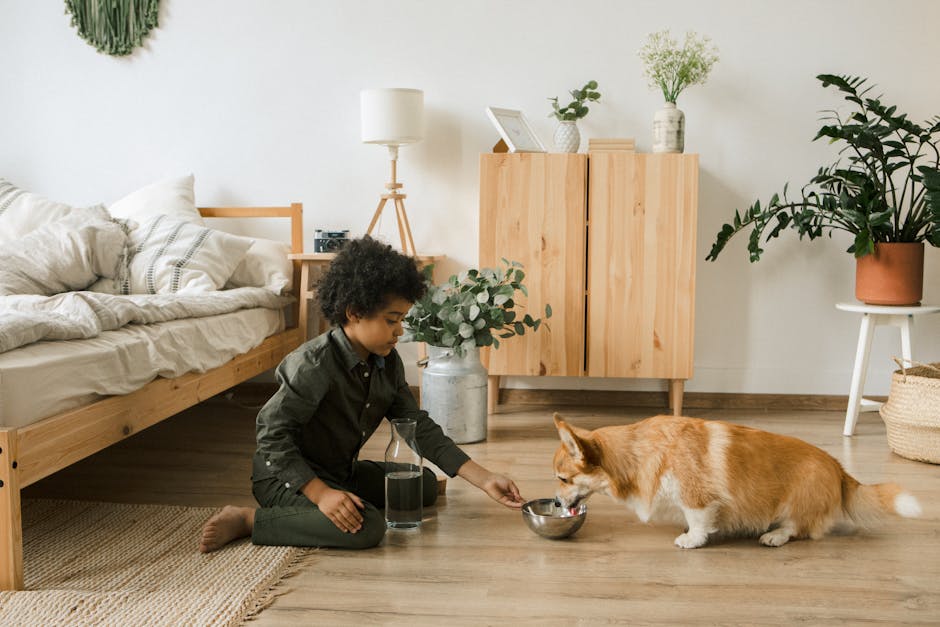
The fastest way to improve pet hydration is to make water easy to find, easy to drink, and always fresh.
Pick the right bowl placement (and avoid the “yuck zone”)
Bowl placement sounds small, but it’s one of the most common reasons I see for low water intake. Pets often avoid water that’s near loud noises, heavy foot traffic, or their litter box.
Use these simple placement rules:
- Keep water away from food bowls if your pet tends to drink less after eating. Some pets prefer separation.
- Place water where your pet hangs out (near the couch for cats, near a hallway spot for dogs).
- Avoid the litter area for cats when possible. Many cats don’t love sharing the “pee smell” zone.
- Add extra bowls if your home has multiple floors. One per level is a great start.
In a recent 2026 home visit, I watched a cat refuse a water fountain for weeks. The fountain was right beside a window that got direct sun. The water stayed warm and tasted “off.” Moving it to a shaded spot fixed it within two days.
Clean on a real schedule: what I recommend for 2026
Biofilm is a fancy word people use, but it’s basically a thin layer of germs that build up in water bowls, especially plastic ones. You can’t always smell it, but pets can taste it.
Here’s a practical cleaning routine:
- Change water at least 1x per day (twice if it’s hot or your pet is a big drinker).
- Wash bowls with warm water and dish soap daily if you use a standard bowl.
- For fountains: rinse and clean the parts every 3–7 days depending on how fast your water gets cloudy.
- Do a deeper scrub 1–2x per month (especially for fountains).
If you use the dishwasher, that’s okay for many bowls, but check your bowl maker’s instructions. Some fountains have rubber pieces that need hand cleaning.
Choose the bowl material: what pets actually prefer
Different materials can change the taste and smell of water. In my experience, most pets do best with non-porous bowls that don’t hold smells.
| Material | Pros | Cons / Watch-outs |
|---|---|---|
| Stainless steel | Easy to clean, doesn’t hold odors, durable | Can be noisy if your pet splashes |
| Ceramic | Looks nice, usually doesn’t hold smells | Can chip; check for rough spots |
| Glass | Great smell/taste control | Can break; not ideal for rough play homes |
| Plastic | Lightweight and cheap | More likely to hold smells; can scratch over time |
If your pet has been refusing water, I’d upgrade to stainless steel or ceramic first. It’s one of the easiest wins for pet hydration.
Flavor boosts that are safe: how to encourage drinking without danger
If your pet ignores plain water, a safe flavor boost can help. The key word is safe. Some “human” add-ins are harmful.
Think of these as tools, not permanent food changes. Try one for a few days and watch your pet’s drinking and stomach.
Vet-safe flavor ideas (start small)
- Low-sodium chicken broth: Use plain, unsalted broth or look for “no salt added.” Mix 1 teaspoon per bowl (or a small amount in a separate cup). Remove after 1–2 hours if your pet doesn’t drink.
- Water from thawed wet food: If your pet eats wet food, add a splash of the food’s leftover liquid to their water bowl. This is a gentle way to match tastes.
- Ice cubes made from plain water (or low-sodium broth): Some cats prefer licking ice instead of drinking from a bowl.
- Warm water for cats who like it: A little warmer (not hot) can be more tempting, especially in colder rooms.
What to never add to pet water
This is where I’m firm. Don’t add these:
- Alcohol (even a tiny lick is dangerous)
- Milk (many pets get diarrhea because they can’t digest lactose well)
- Onion, garlic, chives (toxic)
- Xylitol (found in some “sugar-free” products; extremely toxic)
- Salt-heavy broths (can worsen dehydration and raise health risks)
- Flavored waters or electrolytes made for humans (often contain ingredients pets shouldn’t have)
If you want a flavor boost, use plain, pet-safe ingredients and keep the sodium low.
Original insight: don’t chase taste—chase consistency
Here’s the part most people miss: pets don’t always reject water because it’s “boring.” They often reject it because it’s inconsistent.
If the bowl is dirty, placed in a bad spot, or the water has sat too long, they’ll ignore even flavored water. My go-to approach is: clean first, then adjust bowl location, then—only if needed—add a tiny amount of low-sodium broth. That order saves you from adding flavor to a situation that still feels gross.
Pet hydration by life stage and situation
Hydration needs change with age, body size, health conditions, and daily activity. I use “situations” to plan instead of one-size-fits-all advice.
Puppies and kittens
Young pets can be easy to overlook because they’re always moving. Make water available in more than one spot. For kittens, a shallow dish can work better than a deep bowl.
Keep an eye on play behavior. If your puppy is panting a lot after short play, that can be normal excitement—or a hydration sign if they’re not drinking afterward.
Older pets and kidney concerns
Older cats and some dogs can drink more for health reasons, including kidney issues. If your pet suddenly starts drinking much more than usual, don’t just “make the water available.” Call your vet and describe what changed.
In many cases, vets will check urine specific gravity (how concentrated urine is), blood work, and sometimes imaging. Hydration is a clue, not a full diagnosis.
Heat, exercise, and travel
When it’s hot, hydration is more than drinking—it’s also cooling down and replacing fluids lost through panting.
For dogs, bring water on walks and offer it in small sips every 10–20 minutes, especially in summer. For cats, travel can be stressful and dehydration can sneak up.
If you’re planning a trip, you can pair hydration with a calm routine. Our home-care post on creating a low-stress travel setup for pets (see related blog content) pairs well with this guide, especially for anxious cats.
Red flags in pet hydration: when water refusal or excess drinking means “vet now”
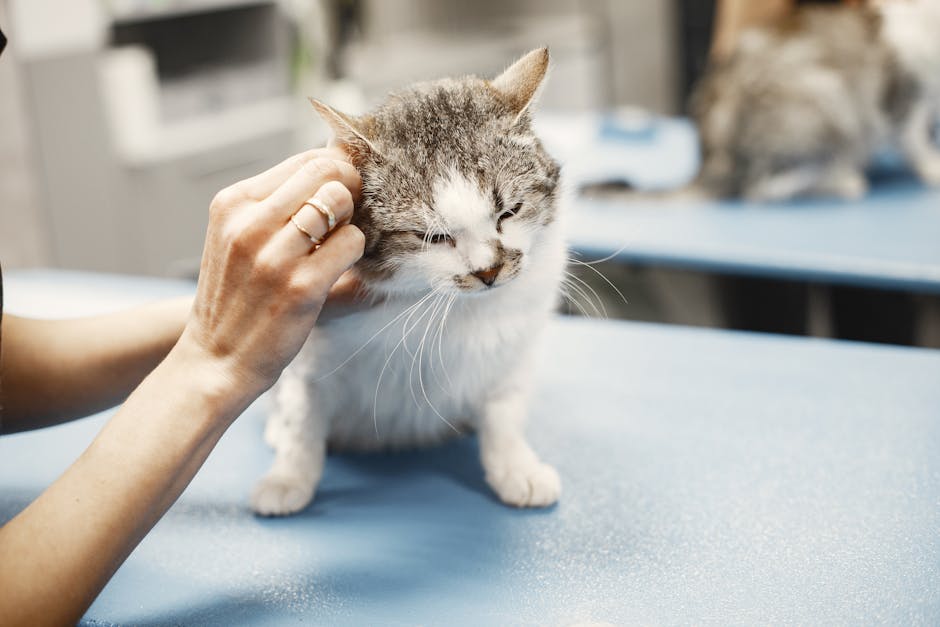
Hydration red flags aren’t always about a total lack of water. They can be about how your pet drinks, pees, and acts.
Call your vet urgently if you see these
- Water refusal for a full day in cats or less time in very young or ill pets
- Vomiting plus not drinking
- Diarrhea or bloody stool with low intake
- Not urinating or straining to pee
- Dark, strong-smelling urine or a sudden drop in peeing frequency
- Lethargy with dehydration signs (weakness, dry gums)
One specific cat red flag I never ignore: straining in the litter box. Male cats with urinary issues can be in danger. Don’t wait it out.
Signs of dehydration you can check at home
Here are quick checks you can do safely:
- Gum test: Gently lift your pet’s upper lip. Gums should feel wet and slippery, not sticky or dry.
- Skin spring test: With two fingers, gently lift skin on the back of the neck. It should snap back fast. Slow return can mean dehydration.
- Eye look: Eyes can look dull or sunken.
These aren’t perfect. If anything feels off, go by your instincts and call your vet.
People Also Ask: pet hydration questions answered
These are the questions I hear weekly from pet parents. I’ll answer them in plain language.
How can I get my dog to drink more water?
Start with setup: clean bowl daily, move it to a quiet spot, and offer more than one water station. If needed, try a small splash of low-sodium chicken broth for one to three days while you monitor drinking and stool.
Also check the obvious: a dirty bowl, a cracked dish, or a bowl too close to food can kill interest fast. If your dog still won’t drink or seems ill, call your vet.
Do water fountains help with pet hydration?
For many pets, yes. Moving water can feel more interesting and some cats prefer it. The trade-off is cleaning. If you don’t maintain it, fountains can build up grime and push your pet away instead of inviting them.
If you choose a fountain like the PetSafe Drinkwell style (common in many homes), follow the cleaning schedule closely and replace worn parts when needed.
Is it okay to flavor my pet’s water?
Yes, in small amounts and only with safe ingredients. Use low-sodium broth or pet-friendly liquids. Avoid salt-heavy products and anything with onions, garlic, or sweeteners like xylitol.
If you’re using flavor boosts every day, it’s still worth talking to your vet—especially for cats—so you’re not missing an illness.
Why does my cat drink less water?
Cats can drink less because they’re designed to get more moisture from food. If they eat mostly dry kibble and still drink very little, that can become a problem over time.
Try wet food (if your vet agrees), provide multiple water choices, and consider a fountain if your cat likes moving water. If drinking drops suddenly, treat it as a health question, not just preference.
Can my pet get sick from drinking the wrong water?
Yes. Pets can react badly to dirty water, algae, or certain chemical residues. Tap water is usually fine, but if you’ve had issues like low water pressure, recent pipe work, or a bad taste from the line, check with your local water provider.
Also watch for water from outdoors that may contain runoff, pesticides, or bacteria.
Step-by-step: a 7-day plan to fix low water intake
If you want a clear plan, use this. It’s structured enough to work, but flexible enough to fit real homes.
- Day 1: Deep clean the current bowl or swap to stainless steel. Move it to a calmer location.
- Day 2: Add a second water station. For cats, try a shallow dish.
- Day 3: Change water twice today. Watch urine color after the next bathroom trip.
- Day 4: Try a safe flavor boost: 1 teaspoon low-sodium chicken broth per bowl (or a splash from wet food liquid).
- Day 5: If you use a fountain, clean it. If you don’t, consider switching the next day only if your pet still avoids water.
- Day 6: Offer warm water or ice-lick options (especially for cats).
- Day 7: Re-check behavior. If drinking stays low or you see dehydration signs, schedule a vet visit.
This plan focuses on the main causes: taste, cleanliness, and access. It also prevents the common mistake of rushing to flavor while the bowl setup still has issues.
Hydration and training: make water checks part of your routine
Pet training isn’t just for sit and stay. You can train your pet (and yourself) to handle hydration checks without stress.
I do this with treats and short sessions. You want your pet comfortable with a quick mouth and body check so you can spot issues early.
A simple routine you can teach in 5 minutes
- Call your pet to the water area.
- Offer a small treat near the bowl.
- Look at gums for a second, then give a second treat.
- Stop while your pet is still calm.
Over time, checking becomes normal. This matters for early detection, and it pairs well with our other care guides like how to spot illness signs in pets before they get worse.
Bottom line: the best pet hydration “hack” is a better water experience
Here’s the takeaway I want you to remember: good pet hydration usually starts with small setup changes—clean bowls, smart placement, and water that tastes fresh. Flavor boosts help, but they work best after you fix the basics.
If your pet has red flags like vomiting, straining in the litter box, dark urine, or real water refusal, don’t keep trying home tricks. Call your vet. When you get the setup right, most pets drink more and act more comfortable—fast.
Featured image alt text (for your site upload): Pet hydration guide with fresh water bowl setup and a water fountain for cats and dogs