


One morning you notice your cat is hiding under the couch and your dog is begging for breakfast. Both “seem off,” but the reasons are often totally different. With Dog vs. Cat care, the goal isn’t just feeding and playing. It’s matching nutrition, enrichment, and healthcare to how each animal actually lives.
Here’s the direct answer: dogs usually need more frequent activity and a steadier routine for meals, while cats need more vertical enrichment and diet choices that fit their smaller, more sensitive digestive system. Healthcare also works differently—cats hide illness, and dogs often show it with obvious changes in energy and appetite.
I’ve owned both species and helped friends through real “my pet won’t eat” scares. What I learned fast is that dog advice doesn’t automatically transfer to cats (and cat advice doesn’t automatically transfer to dogs). The details matter, especially in 2026 when pet food options keep growing and confusing trends spread fast.
Dog vs. Cat Nutrition: What “healthy” looks like for each
Nutrition is not one-size-fits-all—dogs and cats process food differently, and their body needs show up in different ways. Dog vs. cat nutrition starts with understanding that cats are true carnivores, while dogs are more flexible omnivores.
Dogs: steady meals, right portions, and enough calories for activity
For many dogs, the biggest nutrition problems come from portion size and meal timing. A high-energy dog that gets too few calories can lose muscle and act cranky. A couch-loving dog that gets too many treats can gain weight fast.
Here’s a simple rule I use at home: start with the feeding guide on your food bag, then adjust every 2 weeks based on body condition. If you can’t feel a dog’s ribs with gentle pressure, you’re usually feeding too much.
Common dog nutrition issues I’ve seen in real life:
- Too many training treats: easy to do. If you reward often, you may need to reduce dinner by a little.
- Switching foods too quickly: sudden changes can cause diarrhea. Gradually mix old and new food over 7–10 days.
- “Grain-free” hype: some dogs do well on it, but it’s not automatically better. If you change diets, do it for a real reason.
Cats: protein-first diets and why taurine matters
Cat nutrition needs to support a cat’s biology. Cats need certain nutrients that dogs can make in different ways. One of the big ones is taurine. Taurine refers to an amino acid cats must get from food to support heart and eye health.
When people “accidentally” feed a cat a mostly dog diet, it’s usually not enough long-term. I once saw a household where the cat regularly stole bites of dog food and still acted fine—until the owner ran out and fed mostly leftovers. The next weeks brought weight loss and a messy coat. That’s not proof in one case, but it matches what vets see often.
Watch for these cat nutrition mistakes:
- Not enough water: dry food only can lower water intake. Some cats drink less than you expect.
- Free-feeding: leaving food out all day can lead to overeating and weight gain, especially in indoor cats.
- Inconsistent treats: treats should be measured too. Think “small extras,” not full meals in disguise.
Quick comparison: Dog vs. Cat nutrition differences
| Category | Dogs | Cats |
|---|---|---|
| Main nutrition focus | Balanced omnivore diet, good calorie control | Protein-forward diet with nutrients like taurine |
| Common problem | Overfeeding from treats or extra portions | Under-drinking and weight gain from free-feeding |
| Feeding style | Usually meal schedule works best | Timed meals often help prevent overeating |
| Big warning sign | Sudden appetite loss or vomiting | Weight loss, hiding, or not using the litter box |
Enrichment for Dogs vs. Cats: Different brains, different games

Enrichment isn’t just “something to do.” It’s stress relief plus brain stimulation, and dog vs. cat enrichment needs don’t match.
Dogs: routines, scent work, and daily movement
Dogs are social animals. Many need both physical exercise and mental tasks. A walk is good, but sniffing time is often the real reward.
One enrichment idea that works in almost every home: scent games. Hide a few treats under cups (or in paper bags) and let your dog search. Start easy, then make it harder after a few wins.
If your dog is bored, you’ll see it. Common signs include chewing, digging, barking, or pacing. The trick is to give them a job that matches their energy, not just “more stuff.”
Cats: vertical space, hunting play, and quiet comfort
Cats usually want more “life in the room,” not constant attention. Cat enrichment is often about safe hiding spots, climbing options, and play that feels like hunting.
In 2026, many people already own cat trees, but they place them wrong. If the cat tree is stuck in a corner with no view, it may become unused. Place climbing options near a window (with a safe screen) or near where the cat likes to rest.
Here’s what I recommend for most cats:
- Daily play session: 10–15 minutes with a wand toy. End it when your cat is “still hungry for the chase,” not when they’re fully exhausted.
- Two escape routes: if the cat feels trapped, they won’t use the space.
- Hide + observe: a box with a cut-out door or a covered bed helps them feel safe.
What most people get wrong about enrichment
A big mistake is thinking enrichment is interchangeable. Dogs often love interactive feeding toys, but many cats ignore them if the toy feels hard to “hunt.”
Another mistake is using only one style. If you do only walks for your dog, you may still get stress behaviors at home. If you do only wand play for your cat, you may still get litter box issues from stress. Mix needs.
Healthcare Needs: How illness shows up differently in dogs vs. cats
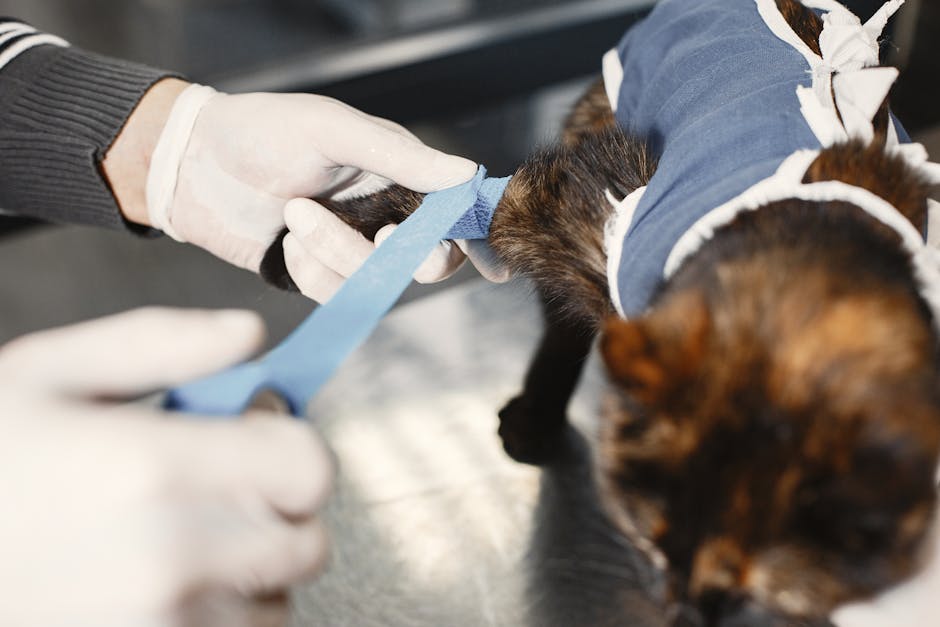
Healthcare is where the two species really separate. Dogs often show changes quickly—vomiting, limping, low energy. Cats often hide problems until they’re more serious. That’s why dog vs. cat healthcare needs should be handled with different timelines and observation.
Dog health basics: faster signs, easier tracking
When a dog isn’t feeling well, it’s often obvious. Appetite drops, water intake changes, or energy falls. Many owners notice these changes within a day.
Common dog health topics to keep on your radar:
- Teeth: bad breath, gum redness, and pawing at the mouth often mean dental needs.
- Skin and ears: itching, odor, or head shaking can point to allergies or infections.
- Joint issues: stiffness after rest is common in older dogs.
If your dog vomits once, eats the next meal, and acts normal, you can monitor at home for 24 hours. If vomiting repeats, if there’s blood, or if your dog won’t eat for a full day, call your vet.
Cat health basics: “hidden illness” and the litter box test
Here’s the cat truth that catches people off guard: cats are masters at hiding sickness. That means the litter box can be more important than food bowl drama.
If a cat stops using the litter box or strains without producing urine, treat it as an emergency. Male cats are at higher risk for urinary blockages, but females can have serious urinary problems too.
Use these quick checks at home:
- Appetite: a cat skipping even one meal can be a clue.
- Body weight: weigh weekly if your cat is older or has health issues.
- Breathing: any open-mouth breathing or fast breathing needs a vet call.
Vaccines and prevention: don’t copy-paste dog plans for cats
Vaccines are not identical across species and lifestyles. As of 2026, vets still follow core vaccine schedules and then add “risk-based” vaccines based on indoor/outdoor habits, local disease trends, and age.
Heartworm prevention is a classic example. Many places require it for dogs due to mosquito transmission. Cats also need parasite protection, but the product and schedule can differ.
If you want a clean routine, ask your vet for a written prevention plan. Keep it in your phone and set reminders for monthly doses.
Training and Behavior: How enrichment and healthcare connect
Behavior isn’t separate from health. Pain, stress, and boredom can all show up as “training problems.” This is especially true with dog vs. cat because their stress signals are different.
Dogs: unwanted behavior often means “needs” not “bad”
In dogs, chewing, jumping, and barking can be real communication. Sometimes it’s excitement. Sometimes it’s anxiety. The fix is usually a mix of training and enrichment.
If your dog barks at the window, try adding a “privacy break.” Close blinds on the worst hours, or use a window perch for calmer viewing. Then practice a simple cue like “quiet” using reward when your dog stays calm.
You might also like our guide on pet training basics for calmer routines if you’re building a dog schedule at home.
Cats: stress can look like litter issues or hiding
For cats, stress often shows up as litter box changes, aggression, or hiding. A new cat toy, a new cleaning product, or a rearranged room can be the trigger.
When litter issues start, don’t assume it’s “behavior only.” Rule out medical issues first—especially urinary or gastrointestinal problems—then adjust environment.
If you’re searching for household tips, our category Pets & Home Lifestyle has practical ideas like low-stress cleaning routines and setting up safe zones.
Budget and Product Choices: What to buy (and what to skip)
Food and care costs add up fast. The good news is you don’t need fancy gadgets to do the basics right.
Dog supplies that usually pay off
For dogs, I’d put these at the top:
- Quality leash and harness: prevents escape and reduces pulling injuries.
- Measuring cup or food scale: helps stop “eyeballing” portions.
- Interactive feeders: useful for smart dogs who finish food too fast.
Example: if your dog’s bag says 2 cups per day and you usually feed 3 because “they’re hungry,” you can quickly overshoot calories. A food scale helps if you want exact measurements.
Cat supplies that make enrichment real
For cats, enrichment needs a few specific items:
- Wand toy: cheap, effective, and great for daily play.
- Vertical space: cat tree, window perch, or shelves with secure mounting.
- Multiple litter options: at least one box per cat plus one extra, in many homes.
One insight I don’t see in many articles: if you only have one litter box and the cat has a “preferred” spot, keep that spot stable. Cats can be picky about location, smell, and even the type of litter.
What to skip
- Dog-only food for cats: it’s not a diet. It’s a shortcut that often creates nutrition gaps.
- Off-label supplements without vet advice: “natural” doesn’t always mean safe.
- Over-cleaning with strong scents: cats can react to detergents and sprays, and dogs can develop avoidance too.
People Also Ask: Dog vs. Cat nutrition, enrichment, and health
Can dogs and cats eat the same food?
No—unless your vet has specifically recommended it. Dogs and cats have different nutritional needs. Cats need a taurine-rich diet and certain protein needs that dog food may not meet.
If you live with both pets, separate feeding works best. Use doors, separate rooms, or timed meals so each pet can eat without “guarding” behavior or stolen bites.
How often should I feed my dog and my cat?
Most adult dogs do well with 1–2 meals per day, depending on age and activity. Many puppies need more frequent meals, and your vet can guide the exact schedule.
For cats, timed meals are often better than free-feeding. Many owners feed 2–3 times daily, especially for indoor cats that gain weight easily. The right answer depends on your cat’s health and weight trend.
What enrichment works best for indoor cats?
Indoor cats usually do best with a combo: hunting play, vertical space, and safe hiding spots. A 10–15 minute wand session daily is a strong base. Then add a window perch or climbing shelf so they can “watch the world” safely.
Also, rotate toys weekly. Cats often lose interest when the same toy stays in the same place every day.
Why do cats hide when they’re sick?
Cats hide because they’re built to avoid looking weak. In the wild, showing illness can attract predators. In your home, that “hiding instinct” still shows up, even when no one is hunting.
So you need cat-specific monitoring. Pay attention to litter box use, breathing, grooming, and appetite—not just whether they “seem okay.”
A simple weekly checklist for healthier dog vs. cat care
If you want one practical plan, use this. It keeps nutrition, enrichment, and healthcare from slipping through the cracks.
- Weigh or body-check once a week: use the same day and time. Track weight trends in grams for cats if you can.
- Adjust food portions if needed: small changes beat big swings. For dogs, review treat amounts too.
- Plan enrichment: dogs get a scent game or training session 3–5 days/week. Cats get wand play daily plus one “new” item or layout change per week.
- Check water: refill bowls and scrub regularly. If you use a fountain for cats, clean it on schedule.
- Do quick health checks: eyes, ears, teeth smell, coat condition, and litter box consistency.
As a “real world” example, I’ve done this during busy weeks when visitors come over. The checklist kept me from ignoring subtle signs like my dog’s extra panting after short walks and my cat’s reduced interest in food. Both turned into quick vet visits instead of bigger problems.
When to call the vet: clear red flags for both pets
You don’t need to panic at every change, but you do need to act fast when specific symptoms show up. In both dogs and cats, waiting too long can make treatment harder.
Call urgently for dogs if you see:
- Repeated vomiting or diarrhea, especially with blood
- Straining to pee or no urine output
- Labored breathing, blue gums, or collapse
- Sudden swelling of the face or belly
Call urgently for cats if you see:
- Not eating for 24 hours or refusing multiple meals
- Straining in the litter box or no urine
- Fast breathing, open-mouth breathing, or wheezing
- Hiding plus weakness, drooling, or very poor grooming
If you’re unsure, it’s okay to call your vet anyway. Many clinics answer quick questions, and that peace of mind matters.
Conclusion: Make the differences your guide
Dog vs. cat care works best when you stop treating them like the same “pet category.” Dogs usually thrive with consistent meals, daily movement, and enrichment that uses scent and training. Cats thrive with protein-appropriate nutrition, vertical space, hunt-style play, and health monitoring that goes beyond “Are they acting normal?”
Actionable takeaway: Pick one change you can start this week. Measure food portions, schedule a short daily enrichment plan, and add a simple health check (especially litter box + appetite for cats). Small, steady steps keep both pets healthier—and they’re easier than trying to fix problems after they grow.
And if you want more support on the training and health side, explore our Animal Health posts for prevention tips and symptom check guidance, plus our Pet Training content for calmer day-to-day routines.
