

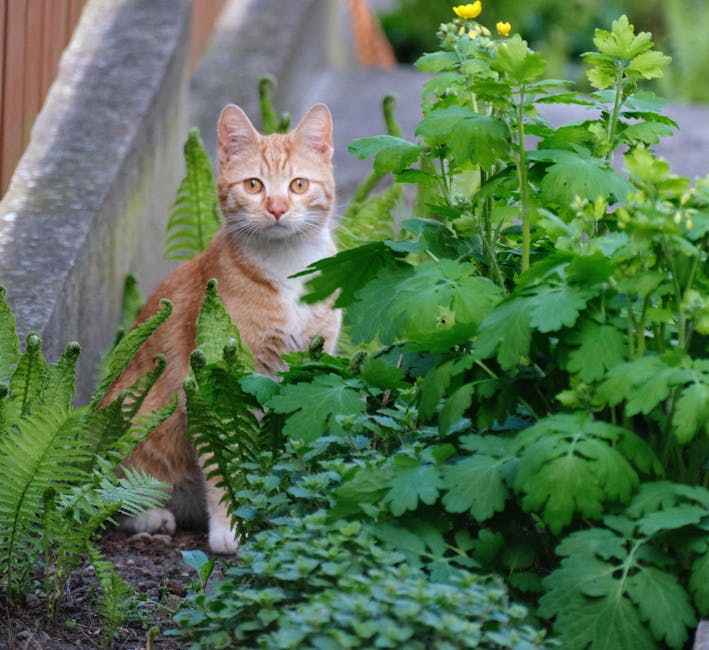
One minute your dog is sniffing a new flower bed, and the next minute you’re calling your vet. That panic usually starts with the same problem: a plant that looks harmless but can hurt pets if they chew it, dig it up, or drink the sap or water from a vase.
Home garden safety for pets is easier than it sounds. In the first 10 minutes, you can reduce risk a lot by (1) swapping the most common trouble plants and (2) changing how you set up your garden so curious noses don’t get access.
I’ve helped friends after “mystery chewing” incidents, and the pattern is always the same: people didn’t think they needed a pet-safety plan until something happened. Let’s fix that now, with 25 common plants and safer options you can plant instead in 2026.
Quick safety rules that matter more than plant names
Plant ID is useful, but routines protect your pet even when you miss a plant. If your pet is a digger, chewer, or taste-tester, you need a physical plan—not just a list.
Here are the rules I follow because they prevent most “garden surprise” cases:
- Block access: Use garden edging, baby gates, or pet-proof fencing around planting areas. A small barrier beats constant supervision.
- Remove “free snacks”: Pick up fallen leaves, petals, and fruit daily. Pets will eat what’s within reach.
- Control mulch: Some dyed mulches and cocoa-bark products can be harmful. Stick with plain, pet-safe choices and keep an eye on which brand you buy.
- Manage tools and chemicals: Store fertilizers, weed killer, and pest sprays in a locked shed or cabinet. Treat water bowls and puddles like they matter too.
- Don’t rely on “it’s only a little”: Many toxic plants cause problems even from small bites—especially for cats.
If you want a training angle, match the safety plan with simple cues. Training gives you a way out of trouble before it happens. If you’re building a garden routine, you might also like our post on teaching the “leave it” command for dogs and cats.
How I decide what’s risky in a home garden (and what’s not)
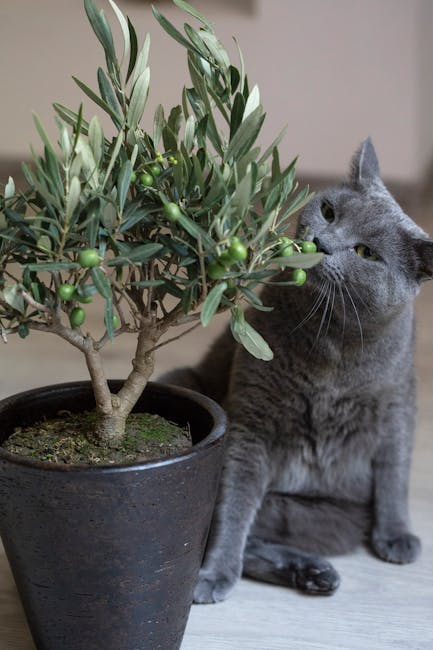
Not all plants are equally risky. The biggest factors are how your pet behaves and which part of the plant is tempting.
Chew risk is highest with plants that have tender leaves, strong smells, or a “grass-like” look. Dig risk is highest when the plant is loose in pots or when the soil is exposed after rain.
In my experience, these situations raise the odds of an incident:
- Your cat stays curious and pounces on anything that moves.
- Your dog mouths things when bored (car rides aren’t the only trigger).
- You use decorative rocks, wood chips, or hanging pots that are easy to knock over.
- You have fruiting plants where pets can reach sweet-smelling fallen pieces.
Also, one important truth: labels and online lists sometimes conflict. If you’re unsure about a plant you already have, treat it as unsafe until you confirm with your vet or a reliable plant database.
25 common plants that can be dangerous for pets (and safer replacements)
This list focuses on plants that show up in many yards, front porches, and patio planters. For each one, I’m giving you a safer replacement that keeps the look while reducing risk.
Note: Even “safe” plants can still cause tummy upset if your pet overeats them. Safety is about lowering risk, not giving a free pass.
1) Lilies (including Easter lily)
Why it’s risky: Lilies can be extremely dangerous for cats. Even small amounts—like licking pollen—can cause kidney failure.
Safer replacement: Choose geraniums (zonal or common garden types) for bright color in containers and beds.
2) Tulips
Why it’s risky: Tulip bulbs and sap can upset pets, especially if they dig up bulbs.
Safer replacement: Begonias add color and are commonly used in pet-conscious gardens.
3) Daffodils
Why it’s risky: Daffodil bulbs can cause vomiting, drooling, and stomach pain.
Safer replacement: Try impatiens for shaded areas and soft, colorful blooms.
4) Azaleas
Why it’s risky: Azaleas contain compounds that can cause drooling, weakness, and heart rhythm issues in pets.
Safer replacement: Spider plant (Chlorophytum comosum) is a common “easy win,” especially for indoor spots.
5) Oleander
Why it’s risky: Oleander is one of the more serious toxic shrubs. Even small bites can be life-threatening.
Safer replacement: Use crape myrtle (in-ground) or abutilon (tea-leaf hibiscus look) depending on your climate.
6) Sago palm (even when it’s labeled “palm”)
Why it’s risky: Sago palm seeds and leaves can cause severe liver failure in pets.
Safer replacement: Areca palm is often used as a lookalike alternative indoors (still keep plant out of reach because cats love chewing).
7) English ivy
Why it’s risky: Ivy can cause mouth irritation, vomiting, and stomach problems if chewed.
Safer replacement: Try Boston fern or button fern for similar lush greenery.
8) Pothos / devil’s ivy (common houseplant)
Why it’s risky: Pothos sap irritates the mouth and can cause vomiting in cats and dogs.
Safer replacement: Spider plant or parlor palm are popular “pet-friendly” choices.
9) Aloe vera
Why it’s risky: Aloe can cause diarrhea and drooling if pets chew it.
Safer replacement: Use haworthia varieties carefully (some are safer than others) or keep succulents higher with a barrier. If you want zero risk, swap to non-succulent options like calendula.
10) Castor bean plant (and ornamental castor)
Why it’s risky: Castor seeds are highly toxic. Pets may be drawn to the seeds.
Safer replacement: Choose sunflowers for a bold look without the seed danger.
11) Cherry / peach trees (and other stone fruit)
Why it’s risky: Fallen fruit and especially pits can cause poisoning. Chewing pits is the big issue.
Safer replacement: If you want edible landscaping, plant apple trees without letting pets reach fallen fruit. Or use non-fruiting ornamentals like serviceberry (still keep access limited).
12) Grapes and grapevines
Why it’s risky: Grapes and raisins are dangerous to dogs. Cats are usually less interested in grapes, but dogs will find them.
Safer replacement: Use blackberries only if you can keep dogs out during ripening, or go for safer edible choices like cat-safe herbs grown in a raised, fenced planter (mint is tricky—see #22).
13) Sago palm lookalikes: cycads
Why it’s risky: Cycads are in the same danger group as sago—hard to miss because they look “tropical.”
Safer replacement: Use fan palms that are known to be safer, or simply choose ornamental grasses for texture.
14) Dieffenbachia (dumb cane)
Why it’s risky: Chewing causes painful mouth irritation and swelling.
Safer replacement: Try diehard favorites like areca palm or parlor palm.
15) Monstera / Swiss cheese plant
Why it’s risky: Monstera causes irritation from calcium oxalate crystals if chewed.
Safer replacement: Chinese money plant (pilea) or polka dot plant for bold leaf patterns.
16) Cyclamen
Why it’s risky: Cyclamen tubers and leaves can cause vomiting and more serious illness if ingested.
Safer replacement: For winter or cool spots, use primroses or snapdragons depending on your region.
17) Morning glory (and seeds)
Why it’s risky: Morning glory seeds can cause serious neurologic signs if chewed or swallowed.
Safer replacement: Choose sweet peas only if you’re confident your pet won’t eat them, or go for non-climbing, pet-friendlier climbers like climbing roses with access control (thorns add their own danger).
18) Foxglove
Why it’s risky: Foxglove contains compounds that can affect the heart. It’s one to avoid completely around pets.
Safer replacement: Use garden sage (for pollinators) or coneflower for a similar bold flower look.
19) Sneezeweed and other “mystery” wild-looking flowers
Why it’s risky: The danger isn’t the flower name as much as the fact that pets will treat unknown plants like snacks.
Safer replacement: Stick with plants that are well-known in your area and buy from reputable nurseries that label clearly.
20) Yew (including shrubs and ground cover)
Why it’s risky: Yew is highly toxic. Even small bites can be dangerous.
Safer replacement: Swap to boxwood only if your vet agrees for your pet situation, or use spreading juniper in controlled areas.
21) Rosemary
Why it’s risky: Rosemary is usually safe in small amounts, but large chewing can still cause stomach upset. Dogs may also treat woody stems as chew toys.
Safer replacement: If your pet targets it, switch to cat-safe parsley (grown in a pot and kept out of reach if needed).
22) Mint (especially if it’s allowed to spread)
Why it’s risky: Mint can cause GI upset in some pets. The bigger issue is that it spreads fast, so it ends up everywhere your pet digs.
Safer replacement: Grow lemongrass in a contained planter or choose cat grass for the “chewing urge.”
23) Cocoa mulch
Why it’s risky: Cocoa mulch contains ingredients related to chocolate. Dogs often find it irresistible, which is exactly the problem.
Safer replacement: Use cedar mulch or plain wood chips with a barrier if your dog is a “snack digger.”
24) Potting mix with fertilizer added (and “slow-release” granules)
Why it’s risky: Some potting soils and fertilizers are designed to feed plants over time, but pets can lick or chew pellets.
Safer replacement: Use pet-conscious potting mixes and store all granules in sealed containers. If you’re unsure, skip slow-release for areas pets access and switch to controlled feeding with clean, covered soil.
25) Decorative bulbs and unknown “bulb mixes”
Why it’s risky: Bulb mixes are where I’ve seen the most confusion. The label might not list every bulb type, and digging is common.
Safer replacement: For bulbs, pick only well-labeled varieties you can confirm as pet-safer. If digging is a problem, grow in pots on a raised stand.
Safer garden swaps that still look great (quick ideas)
If you want the same vibe—color, texture, and height—without the plant risk, aim for “garden roles,” not exact species. This is how I plan swaps when I’m helping someone in a hurry.
Here are easy role-based replacements you can mix and match:
| Garden role | What people often plant (risky) | Safer swap ideas |
|---|---|---|
| Bright flowers | Bulbs like tulips/daffodils | Begonias, impatiens |
| Evergreen structure | Yew, certain toxic shrubs | Pet-safe juniper options; use barriers |
| Climbing or trailing | Ivy and similar vines | Choose vines with controlled access; use trellis fencing |
| Indoor greenery | Pothos, monstera, dumb cane | Spider plant, parlor palm |
My opinion: Most people focus on flowers and forget the stuff below them—mulch, bulbs, and fertilizers. That’s where many incidents start because it’s the part pets can reach fast when you’re busy.
How to set up your yard so pets can’t access the risky parts
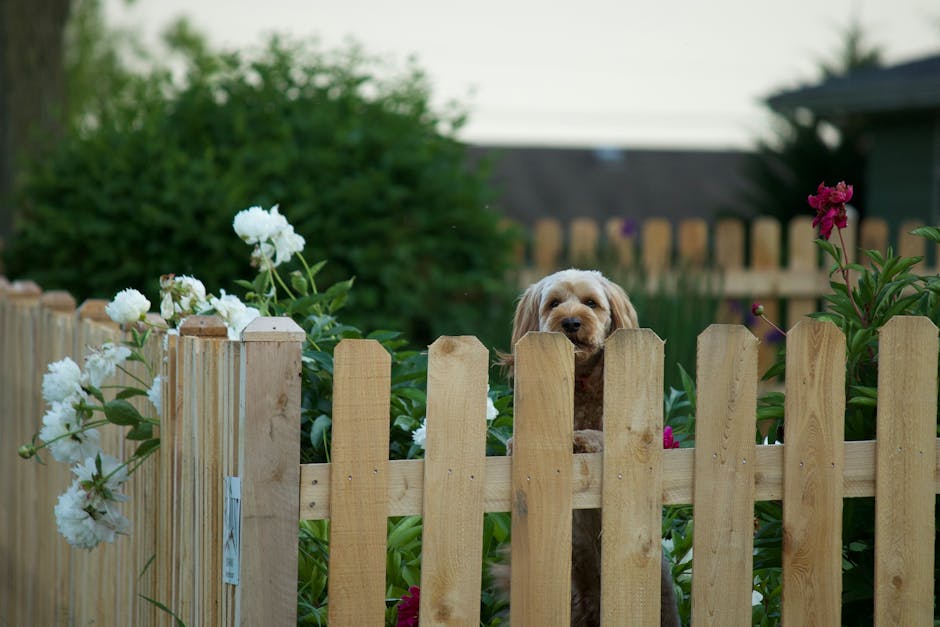
Even the best plant list fails if your pet can reach everything. A smart setup beats a perfect label.
Try these steps for 2026 garden safety. I’m listing what works in real homes, not just theory.
- Create a “pet-safe zone” near doors where you can supervise quickly. Put your safest plants there.
- Use raised beds at least 18–24 inches high when you have a digger. Add chicken wire under the bed if digging is intense.
- Add a barrier layer like hardware cloth around bulbs or groundcover areas.
- Plant in pots you can move for seasonal flowers. Most chewing happens when people leave plants in place for months.
- Keep watering clean: don’t let pets drink from plant saucers or standing water under pots.
- Schedule “leaf patrol”: sweep leaves and fallen fruit every morning for the first two weeks after you install new plants.
If you’re also training your pet around the yard, combine the barrier plan with a cue like “go to bed.” That way, you can redirect quickly during garden time instead of waiting for a bite.
You may want to read our guide on teaching reliable recall for outdoor distractions, because plants and smells are basically the hardest distractions.
People Also Ask: Home garden safety for pets
What is the safest indoor plant for cats?
If I had to pick a common, low-drama option for most homes, I’d say spider plant. It’s widely used in pet households and is easy to care for. Even then, I still keep it out of reach if my cat is a heavy chewer.
For many families, the best “safe indoor plant” is also the one you can physically control—high shelves, enclosed planters, or a plant stand with no chew access.
Are all “pet-safe” plants truly safe?
No. “Pet-safe” usually means “less likely to cause serious poisoning.” It does not mean “won’t cause vomiting” or “won’t upset a sensitive stomach.”
In my own notes, the biggest difference comes down to how much your pet eats. One nibble can be different from repeated chewing over days.
What should I do if my dog ate a plant?
Act fast and treat it like a real medical situation. Take a photo of the plant if you can, estimate how much was eaten, and call your vet or an emergency animal poison hotline right away.
Do not force vomiting unless a professional tells you to. Time matters, so have your pet’s weight and any meds they take ready when you call.
How can I stop my cat from eating plants?
First, check the basics: is your cat bored, under-stimulated, or missing enrichment? Then add a safe outlet like cat grass grown in a small pot near a window.
Next, use a barrier approach. Cats love new plants, so even a simple plastic plant tray cover can stop chewing while you train with positive reinforcement.
Common mistakes that cause garden plant accidents
People don’t cause harm on purpose. The problem is usually a predictable mix of habits and assumptions.
- Buying a plant because it’s “pretty,” then forgetting the seed or bulb part: Most pets dig before they visually inspect.
- Using decorative cocoa mulch: It smells tempting to dogs and can lead to rapid eating.
- Leaving pruning clippings outside: Pets eat from the ground, and clippings are easy to reach.
- Assuming cats only “sniff”: If your cat is a known chewer, treat every plant as a potential snack.
- Not thinking about runoff: If you use fertilizer, it can travel where pets walk and then lick their paws.
One real-world scenario I saw: a family planted a row of bulbs in a fenced bed. Their dog couldn’t enter the bed, but after heavy rain, the soil got washed out and formed a mound near the fence line. The dog dug that mound and found the bulbs. The fix wasn’t “remove the bulbs”—it was sealing the edge and cleaning up soil after storms.
My practical “swap plan” for busy pet parents
If you want a simple plan that doesn’t take your whole weekend, do it in phases. This is how I’d schedule it for a typical home in 2026.
- Day 1 (30–45 minutes): Walk your yard like your pet. Note every plant within reach: porch pots, low planters, anything near gates, and anything your pet can sniff through.
- Day 2 (1 hour): Remove obvious high-risk plants first (especially lilies for cat households). Bag clippings and store tools and chemicals away.
- Week 1 (1–2 afternoons): Add barriers and raised planting where you know your pet digs or climbs.
- Week 2: Plant replacements in safer zones and keep the old plants out until you’re sure the new layout works.
- Ongoing: Do a weekly “leaf patrol” and check for fallen fruit or chewed areas.
This approach also helps emotionally. You’re not trying to become a botanist overnight. You’re making your home safer step by step.
Conclusion: Your best home garden safety for pets is a plan you can stick to
Home garden safety for pets isn’t about memorizing every toxic plant. It’s about swapping the most common dangers, using barriers, and cleaning up the snack “leftovers” your pet can access.
Pick a starting point today: remove or fence off high-risk plants from this list, replace them with safer options like impatiens, begonias, geraniums, or spider plants, and set up a pet access plan for soil, mulch, and water.
If you want, tell me your pet type (dog, cat, both), your climate zone, and which plants you already have. I can help you build a replacement list that fits your yard and your pet’s habits.
Featured image alt text suggestion: Home garden safety for pets with pet-proof fencing and safer plant replacements in a yard