

DIY enrichment for pets isn’t “extra”—it’s a practical way to reduce boredom, curb destructive habits, and build calmer routines at home. Here’s a quick reality check from my own life: the first time I tried enrichment with a high-energy dog using a simple cardboard box, she stopped pacing within 10 minutes and settled in the same spot like it was a mission. That’s the power of engaging, safe, low-cost activities.
Enrichment is more than toys. It’s structured stimulation that taps natural instincts—sniffing, foraging, chewing, scratching, exploring—and it works best when you rotate ideas, control safety, and match the activity to your pet’s body and temperament.
Featured snippet answer: Use DIY enrichment for pets that relies on safe household items (paper rolls, cardboard boxes, towels, ice, kibble, and supervised foraging) and always remove anything your pet can swallow. Start with 5–10 minute sessions, then scale up based on interest and safety.
DIY Enrichment for Pets: What It Is (and Why It Works)
DIY enrichment for pets is structured mental and physical activity using safe, household-based tools to encourage natural behaviors. Think of it as “work” your pet does for fun: problem-solving, scent tracking, controlled chewing, and guided exploration.
In everyday homes, boredom shows up as pacing, digging, barking, trash searching, or chewing furniture. Those behaviors often aren’t “bad attitude”—they’re unmet needs. Enrichment gives your pet a healthy outlet that uses the same brain pathways as hunting, scavenging, and investigating.
When you get it right, you’ll often see quicker calm, fewer attention-seeking behaviors, and better focus during training. I also notice a common pattern with my clients: pets who do even two short enrichment sessions per day (10 minutes each) settle faster in the evening, especially in households where everyone’s busy during the day.
Safety First: How to Use Household Items Without Creating Hazards
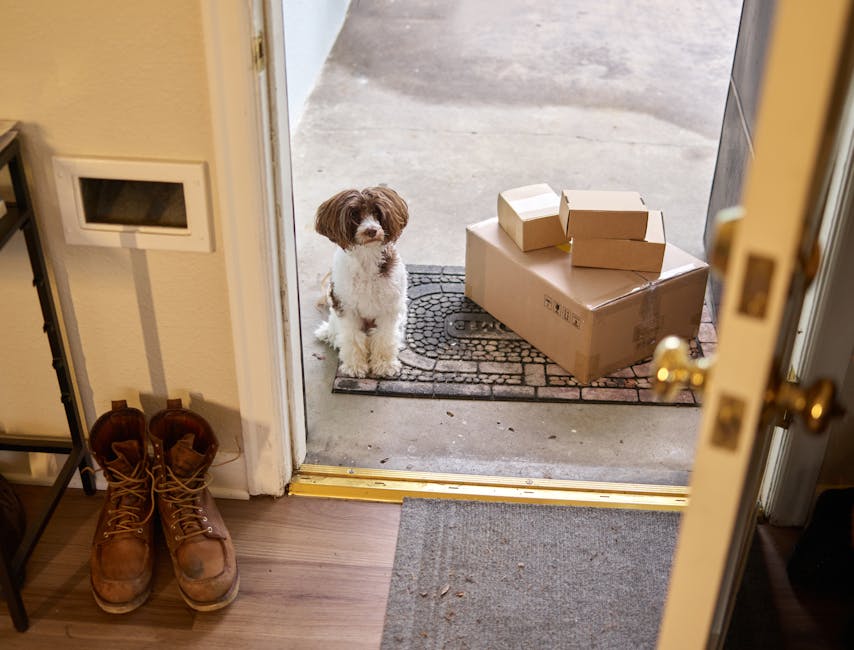
Safety is the difference between “DIY enrichment” and “DIY disaster.” Before you assemble anything, do a 60-second hazard scan and set a strict supervision rule for every new idea.
Household-item safety checklist (quick and practical)
- Remove choke risks: If a piece can fit entirely in your pet’s mouth and be swallowed, don’t use it. This includes small rubber parts, loose buttons, and tiny fragments.
- Avoid harmful materials: Skip strings/elastic that can entangle, foil and plastic bags, scented cleaners, and anything treated with chemicals.
- No toxic foods: Don’t hide enrichment with onions, garlic, grapes/raisins, xylitol, or anything your pet shouldn’t eat.
- Watch the “chew test”: If your pet destroys the item fast, switch to sturdier cardboard, thicker towels, or remove pieces immediately.
- Control session length: Start small—5–10 minutes for most pets. Stop sooner if your pet is getting frustrated or overly fixated.
What most people get wrong
The biggest mistake I see is using enrichment that’s too easy or too hard. If your dog can empty a foraging toy in 10 seconds, it’s not meaningful work. If the puzzle is impossible, you get stress and conflict. You want “effort with success.”
Another common error is inconsistent pacing—people do enrichment only once in a while. Enrichment works best as a routine. In 2026, current behavior plans in shelters and training programs frequently include enrichment schedules as a standard tool, not a rare event.
15 DIY Enrichment Ideas Using Household Items Safely
Below are 15 enrichment ideas built from everyday items. Each one includes what to use, how to set it up, and how to keep it safe. I’ve also added quick “tune-up” tips so you can match the challenge to your pet.
1) Cardboard Box “Dig & Hide” Hunt (supervised)
Key takeaway: A cardboard box becomes a scavenger zone when you combine scent + controlled access to treats. I like this for dogs who love rummaging.
- Choose a box big enough that your pet can put their nose in comfortably.
- Crinkle or tear some paper strips inside (plain, not glossy).
- Hide 6–12 small treat pieces around the box bottom.
- Supervise and remove the box if it starts to disintegrate into swallowable pieces.
Tune-up: For higher difficulty, fold paper over treats so scents linger longer under layers.
2) Paper Towel Roll Treat Launcher
Key takeaway: A toilet paper or paper towel tube turns into a scent puzzle and “fetch adjacent” activity. It’s cheap and surprisingly engaging.
- Stuff the roll with a few treats and crumpled paper.
- Close one end by folding the paper—don’t add tape that your pet will chew off.
- Roll it away or lightly toss it so your pet investigates.
Safety note: Use a single-ply cardboard roll when possible, and remove it if your pet chews through.
3) Muffin Tin Foraging (the “sniff math” game)
Key takeaway: A muffin tin is a classic DIY enrichment win because it forces nose work. Dogs and some cats do well with it.
- Place your treats in 6–10 cups.
- Cover some cups with balls of crumpled paper or small folded napkins.
- Start with fewer covered cups, then increase coverage.
Tune-up: Use kibble for slower eating and bigger pieces of food for pets who rush.
4) Towel “Buried Treasure” for Dogs
Key takeaway: A towel wrap creates a safe, cuddly foraging challenge. It works especially well indoors when you can’t use yard tools.
- Lay a towel flat.
- Hide 3–6 treats under one end, roll it up, then secure only with a safe knot you can quickly undo.
- Let your pet sniff and paw at it while supervised.
Safety note: Avoid any knots that loosen into long strands.
5) Ice Cube Scent Cool-Down (great in 2026 for hot homes)
Key takeaway: Ice is enrichment + hydration-friendly cooling when used safely and supervised. This is one of my favorite DIY enrichment for pets ideas for warm days.
- Freeze low-sodium bone broth or plain water in an ice cube tray.
- Add a small amount of softened kibble or a pet-safe fruit chunk you know your pet tolerates.
- Hand one cube at a time at first so your pet doesn’t gulp a large ice volume.
Important: Never use ice as a substitute for water access, and remove it if your pet becomes frustrated or obsessed.
6) “Scent Swap” with Clean Towels
Key takeaway: Scent games build focus and reduce reactivity. They’re especially useful for dogs that struggle with long walks.
- Rub two clean towels in different rooms where household scents are strong.
- Offer one towel as “search,” then swap.
- Hide 1–2 treats under a towel on the floor and encourage searching.
Pro tip: Keep towels in separate bins so scents don’t mix accidentally.
7) Toilet Paper Roll “Crinkle Maze”
Key takeaway: A crinkle maze adds sound and visual curiosity to foraging. It’s simple, and it works well for puppies and small dogs.
- Stand several empty rolls upright in a box or shallow tray.
- Hide treats behind some rolls, or tape only the outside edge to hold structure.
- Let your pet investigate and reward when they find treats.
Safety note: Only use rolls without staples or glue patches your pet might chew off.
8) Frozen Paper “Feeding Pops” (for slow nibblers)
Key takeaway: Freezing tiny treat portions in a paper wrap slows eating and creates a longer engagement window.
- Mix a small portion of wet food with a bit of water to thin.
- Spoon into muffin liners or small paper cups.
- Freeze, then peel away the outer paper before serving.
Good fit: Pets who finish bowls too quickly or get restless during feeding.
9) DIY “Treat Trail” with Repositioning Tape (pet-safe approach)
Key takeaway: A short trail makes your pet follow a scent line instead of searching everywhere.
- Use pet-safe masking tape to mark a line on the floor only.
- Place tiny treat dots along the tape path in a slow curve.
- Remove tape immediately after the session.
Why it works: You’re combining scent with a predictable path, which builds confidence.
10) High-Value Chew “Tug Ladder” with a Sock (only if you supervise)
Key takeaway: Controlled tug can be enrichment for dogs, but only with a “rules-based” setup. I do this as a 2–3 minute burst followed by calm.
- Use an old, clean, thick cotton sock you’re willing to retire.
- Cut into a knot-free style so there are no loose strings.
- Play a structured game: tug 5–10 seconds, pause, and reward calm.
Hard limit: If your dog shreds fabric into threads, stop immediately.
11) Cat-Approved “Feather Hunt” from Household Paper
Key takeaway: For cats, hunt play needs movement and a target. You can mimic it with paper wands under strict supervision.
- Take a thin strip of paper or cardboard and attach it to a string you can hold.
- Move it like prey—zig-zag, pause, then dart away.
- End the session with a treat so the “capture” feels rewarding.
Safety: Never leave string unattended. Store away so your cat can’t chew loose pieces.
12) “Puzzle Sandwich” with Sandwich Bags (do not swallow)
Key takeaway: A layered bag “puzzle” works only with a clear safety system: you’re providing a container, not letting your pet eat the bag.
- Put treats inside a crinkly paper envelope or a thick paper bag instead of plastic.
- Fold the top down and hold closed while your pet noses it.
- Stop the game the moment the bag weakens.
Why paper>plastic: Paper tears predictably and is easier to remove before ingestion risk.
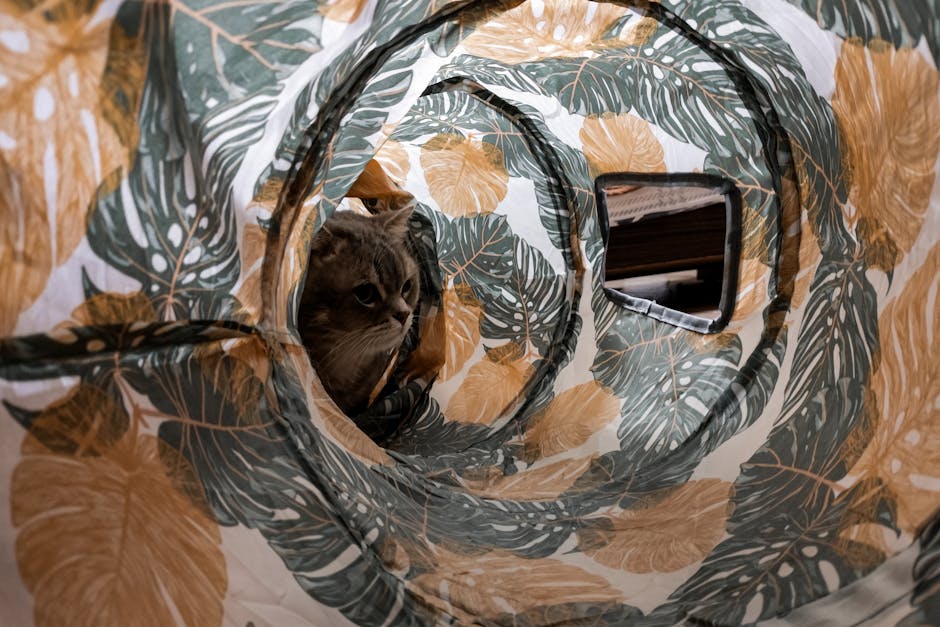
13) Litter Box “Cardboard Fortress” for Indoors (cats)
Key takeaway: Enrichment isn’t always food—exploration and safe “territory” matter. This idea offers a supervised play zone for cats.
- Create a small cardboard tunnel/box hideout with 2 entrances.
- Add a cat-safe crinkle ball or a single feather you control.
- Place it near (not inside) the litter box area so the cat treats it like a game space.
Note: This is enrichment, not replacement for litter hygiene. Keep the litter box spotless.
14) Bird/Small Pet Foraging with Paper Shreds (where appropriate)
Key takeaway: For small pets like rabbits or guinea pigs, shredded paper creates a digging and sorting environment. Use species-appropriate materials and never dusty paper.
- Use plain, shredded paper (no ink-heavy pages if you can avoid it).
- Scatter hay first, then add 1–2 types of forage treats.
- Refresh daily so it stays clean.
Watch for ingestion: If your pet eats paper aggressively in a harmful way, switch to hay-only forage games.
15) “Obstacle Side-Quest” Using Cushions and a Blanket
Key takeaway: Simple indoor obstacles provide movement-based enrichment for dogs while you keep the floor safe. This is also a great rainy-day option.
- Set up 3–5 cushions or rolled blankets as low “stations.”
- Teach a pattern: step over, circle, then sit near you for a treat.
- Keep it short—3 minutes, repeat once if your pet is engaged.
Safety note: Avoid slippery covers and don’t use anything that could collapse under weight.
How to Build a DIY Enrichment Routine That Actually Changes Behavior
The best enrichment plan is the one you’ll repeat. A routine beats a random pile of gadgets. I recommend starting with a simple schedule, then adjusting based on your pet’s energy and behavior triggers.
My recommended starter schedule (10 minutes x 2)
- Morning: 5–10 minutes of foraging (muffin tin, box hunt, treat roll).
- Evening: 5–10 minutes of scent or obstacle work (scent swap towels, mini obstacle side-quest).
- Training bridge: End every enrichment session with one calm cue (sit/lie down) so the behavior transfers to real life.
If your pet is very young or older, reduce effort and increase frequency. For example, I often use 3–5 minute sessions for seniors with joint limits.
Match enrichment to the problem you’re seeing
If your pet is destructive, prioritize chewing + foraging. If your pet is restless, prioritize scent games. If your pet is reactive when you leave, you’ll get better results by combining a safe “busy box” with a consistent departure ritual.
To connect enrichment with training, check out our pet training tips—the same cue structure that improves recall also improves enrichment success and reduces frustration.
People Also Ask: DIY Enrichment for Pets
How often should I do DIY enrichment for pets?
Answer: Most pets benefit from 1–2 short enrichment sessions per day. Start with 10–20 minutes total daily, then adjust based on body condition, age, and stress level.
I’ve seen the best outcomes when enrichment is consistent for two weeks. That’s enough time for your pet’s routine to shift from “bored search” to “predictable work.”
Can household items be just as good as store-bought enrichment toys?
Answer: Yes—when you control safety and difficulty. Store toys often last longer and are designed to resist chewing, but homemade tools can be equally effective for foraging and scent work.
The key difference is durability and safety management. A cardboard hunt works great until it becomes swallowable. That means DIY enrichment needs a quick “check-in” during the session.
What household items should I never use for enrichment?
Answer: Avoid anything that can be chewed into sharp pieces or swallowed easily, including certain plastics, elastic bands, small loose hardware, and scented chemicals. Also avoid toxic foods and anything containing xylitol.
If you’re unsure about an item, treat it like a risk item and swap it for plain cardboard, towels, paper bags, or safe frozen foods.
My pet gets frustrated during enrichment—what should I do?
Answer: Lower the difficulty immediately. Reveal one treat instead of hiding all of them, reduce the number of covered cups in a muffin tin, or shorten the session.
Frustration is feedback. Your pet isn’t “refusing”—they’re telling you the puzzle is too hard or too long.
Is enrichment helpful for anxious or high-energy pets?
Answer: Enrichment helps by giving predictable, controlled outlets for energy and stress. For anxious pets, I focus on scent, routine, and low-intensity chewing rather than high-speed play.
If your pet has severe anxiety, enrichment should complement behavior plans and veterinary guidance—not replace them. If you’re worried about chronic stress, connect with a vet and consider professional training support.
Animal Health Notes: When to Skip DIY Enrichment
Enrichment is powerful, but it isn’t always appropriate. If your pet is recovering from surgery, has swallowing issues, or has known dental fragility, be extra cautious.
For pets with chronic GI problems, avoid new foods entirely and stick to known treats. If you notice vomiting, diarrhea, coughing, or repeated gagging, stop immediately and contact your veterinarian.
Also keep in mind that some enrichment can increase arousal. If your pet gets wound up fast, shift to slower scent work and end with calm cues.
If you’re looking for health-focused behavior ideas that go hand-in-hand with enrichment, explore boredom and stress signs in pets—it helps you differentiate “bored” from “needs medical attention.”
Comparison: DIY Household Enrichment vs Store-Bought Toys
Both can work. Here’s a grounded comparison so you can decide what to rotate and what to invest in.
| Category | DIY Enrichment (Household Items) | Store-Bought Enrichment Toys |
|---|---|---|
| Cost | Usually $0–$10 using items you already have | Often $15–$40+ depending on material and brand |
| Safety control | You must supervise and remove worn pieces | Designed for chew resistance, typically more durable |
| Challenge levels | Easy to adjust by changing coverage or hiding style | Built-in difficulty options, but less flexible |
| Durability | May degrade fast for strong chewers | Better longevity for many pets |
| Best for | Short sessions, scent/forage games, rotation variety | Consistency, heavy chewers, longer unattended use (when safe) |
Quick Setup Guide: How to Make Any DIY Enrichment Safer
You don’t need a lab—just a repeatable process. Use this simple workflow every time you try something new.
- Choose the goal: sniffing, chewing, puzzle thinking, or movement.
- Pick one household base: cardboard, towel, paper bag, muffin tin, ice tray.
- Add only safe “work bait”: kibble, treats you already trust, water/broth ice.
- Run a 2-minute trial: watch mouth behavior and check for chew-through.
- Set a timer: stop at 5–10 minutes unless your pet is calm and safe.
- Remove leftovers: especially food/wrappers so nothing gets scavenged later.
This is also a great method to align with pet training. If you’re working on focus, you can pair enrichment with a marker cue like “yes,” then reward calm behavior.
Final Takeaway: Start Small, Rotate Often, and Keep It Safe
DIY enrichment for pets works when it’s safe, structured, and repeatable. Pick 2–3 ideas from the list, use short 5–10 minute sessions, and rotate weekly so your pet keeps “hunting” for interest instead of getting bored.
If you only remember one rule: supervise the first few sessions and remove any item once it starts to break into swallowable pieces. That single habit protects your pet and makes your enrichment routine consistently rewarding.
Ready to connect enrichment with behavior? Explore our enrichment and training routine post for cue ideas that help pets stay calm during the day. Then keep the home peaceful—one safe household game at a time.