


Most pet problems start long before you see “symptoms.” Your dog or cat shows warning signs in their body language—like stiff posture, lip licking, or hiding—hours or days earlier. If you know what to look for, you can catch stress, pain, or illness sooner and keep daily life calmer for both of you.
How to read your pet’s body language comes down to one skill: noticing what their body is doing, how it changes, and what’s happening in the moment. This practical checklist helps you sort comfort signals from stress or pain signals, then tells you what to do next.
Quick checklist: comfort signs vs stress signs (use this first)
If you only read one section, read this one. I use this “fast scan” before anything else—especially when my pet acts “off” but I can’t tell why yet.
Comfort signals you’ll see often
Comfort doesn’t always mean your pet is relaxed like a movie scene. It means they’re safe enough to choose how they move.
- Soft, loose body: relaxed belly or gentle bend in joints.
- Normal breathing: no heavy panting at rest (for dogs) or no open-mouth gasping (for cats).
- Eyes look calm: no intense staring or “frozen” gaze.
- Tail position fits the moment: wagging with a loose base, or a neutral tail held normally.
- Flexible ears: ears move with sounds; they’re not pinned hard back for long stretches.
- They can pause and recover: after a sound or visitor, they settle again within a few minutes.
Stress or pain signals that deserve attention
Stress and pain can look similar. The difference is usually what happens next: discomfort keeps showing up, and the body often stays tense or changes quickly.
- Freezing or stiff body: the “statue” look, especially if it starts suddenly.
- Yawn/lip lick without food: frequent lip licking during walks, car rides, or while being touched.
- Tail tucked or pinned ears: more than a quick reaction.
- Avoiding contact: backing away when you reach, turning head away, or crouching.
- Watchful, hard stare: tension in eyes and face.
- Repeated self-checks: scratching, licking one spot, or biting at fur when nothing new is happening.
- Changes in bathroom habits: not just “accidents,” but urgency, straining, or avoiding the litter box/spot.
Reading dog body language: tail, ears, mouth, and movement
Dogs tell stories fast. The same tail wag can mean happy… or it can mean fear. That’s why I look at the whole picture, not one part.
Tail signals: wag speed and tail position matter
Tail wagging is common, but the way it moves gives clues.
- Loose, mid-to-high tail, wags with the body: often friendly or excited.
- High, stiff tail with short, rigid wags: can be alert or unsure.
- Tail tucked low: fear or uncertainty, especially with crouching or lip licking.
- Tail low and still: low confidence, pain, or exhaustion—especially if they don’t want to move.
What most people get wrong: they assume any wag equals “happy.” In 2026, more trainers teach people to watch tail wag context because the “whole-body read” is what prevents misunderstandings on walks and at the vet.
Ears and face: the fastest way to spot discomfort
- Ears forward and soft: interested, curious.
- Ears pinned back: fear, stress, or pain when combined with other signs (like pulling away).
- Half-lowered eyes or “soft blink”: often calming.
- Whale eye (showing lots of white) with a hard head turn: strong worry.
Mouth and breathing: look for changes, not just volume
- Relaxed panting after play: normal.
- Heavy panting at rest: check for pain, overheating, anxiety, or illness.
- Closed mouth with tight lips: tension.
- Lip licking during handling: often a sign they’re uncomfortable with what’s happening.
Real-world example: My neighbor’s dog kept “asking for treats” during nail trims, but his lip licking kept happening even when treats were offered. The vet later found a sore nail bed. Treats distracted him, but the body read the pain.
Body posture: walk through the positions like a checklist
Use this quick guide when your dog pauses mid-walk or shifts posture at home.
- Loose bowing: often playful—front end down, back end up.
- Low crouch with tucked tail: fear or discomfort.
- Hunched back, slow movement, or sudden reluctance: check for pain (joints, belly, back, paws).
- Standing very still: sometimes fear, sometimes pain, especially if they won’t take steps when coaxed gently.
Reading cat body language: subtle signals you don’t want to miss
Cats don’t “announce” feelings like dogs do. Their signals are quieter, and they can switch fast. The good news: once you learn cat patterns, you’ll feel more confident about what they need.
Tail and body tension in cats
- Tail held upright with a gentle curve: friendly or curious.
- Tail twitching near the tip: irritation, overstimulation, or hunting excitement.
- Tail wrapped tightly around the body: calm, cozy, or self-protecting depending on the rest of their posture.
- Body crouched low with pressed ears: fear or pain.
- Halloween-cat arch with fur puffed: fear or defensive threat.
Purring vs “being touched”: know the difference
Purring means comfort sometimes. It can also mean stress. I watch what happens right after purring starts. If your cat keeps pulling away, staring at you, or flattening their ears, that purr might be a “please stop” signal.
Eyes, blinking, and staring
- Slow blink: trust and calm.
- Wide eyes with still body: strong arousal, fear, or pain—especially if they’re hiding.
- Staring without moving: often tension.
Hiding and leaving: what “normal” looks like
Hiding can be normal for cats. The clue is what’s around it. If hiding lasts all day with no interest in food or water, treat it like a health concern and check for other signs.
Good rule: If your cat hides more than usual for more than 24 hours, or stops using the litter box, contact your vet. Body language is the early warning system—don’t ignore it.
Health-focused checklist: body language that points to pain or illness

Behavior changes are often health changes in disguise. This section gives you a practical “spot-and-check” list you can use during daily routines.
When body language changes suddenly (today, not weeks)
Sudden changes are the ones I treat as urgent unless it’s clearly explained (like a new loud noise). Look for these patterns.
- Not wanting to jump, climb stairs, or get on/off furniture: joint or back pain.
- Head lowered, ears back, and reluctance to be touched: possible pain.
- Limps or holds a paw up: check for injuries between toes and on nails.
- Hunched posture: belly pain or back discomfort.
- Stretching with trembling, licking lips repeatedly, or whining: discomfort.
- Not eating for 12–24 hours (cats) or reduced eating plus lethargy (dogs): health check needed.
Bathroom-related body language cues
Bathroom changes are big. Watch how they act while they go, not just whether they go.
- Straining or taking many trips: constipation, urinary issues, or GI pain.
- Squatting repeatedly in one spot: can happen with urinary discomfort or stress.
- Avoiding litter box: pain, litter preference issues, or fear.
- Dragging hind end or scooting: irritation, anal gland issues, or neurologic problems.
Breathing and temperature cues
Breathing changes are always worth your attention. This is one area where body language overlaps with emergency signs.
- Fast breathing at rest: check immediately if it doesn’t calm down.
- Open-mouth breathing in cats: not normal—contact a vet.
- Heavy panting in cool weather or after a calm period: check for pain or illness.
- Shaking plus drooling: could be nausea, pain, or heat stress.
Limitation: Body language can’t confirm a diagnosis. It tells you that something needs checking. When breathing, eating, or mobility changes are involved, trust the body cues and call a professional.
Stress and anxiety checklist: what stress looks like in daily life
Stress signals can be subtle, and they often show up during predictable times: guests, fireworks, vacuuming, car rides, or even cleaning day.
Common stress signals in dogs
- Lip licking, yawning, or sneezing in a calm room: can be stress, not a “cold.”
- Over-checking for exits: pacing near doors or windows.
- Refusing treats you normally love: fear overrides appetite.
- Jumping up or sudden barking without clear triggers: often frustration or anxiety.
- Redirecting: sudden fast sniffing, licking, or grabbing a toy when something scary happens.
Common stress signals in cats
- Sudden aggression or swatting: sometimes “I’m scared, don’t come closer.”
- Too much grooming: licking fur until it’s rough or patchy.
- Not eating or eating less: especially during schedule changes.
- Hiding in unusual places: behind appliances, under beds for long periods.
What to do right now when you see stress
Don’t push your pet through the fear. Your goal is to reduce pressure first, then build safety.
- Lower the intensity: turn down lights, close doors, or move to a quieter room.
- Give space: create a “safe zone” (crate, carrier, bed in a calm corner).
- Use calm handling: short interactions, gentle voice, slow movements.
- Offer choice: toss a treat away from the scary thing, don’t hand it right in front of their face.
If you want a training approach that matches these cues, pair this body-language checklist with crate routines and step-by-step calm building. For example, your readers may also like our guide to crate training for calm nights and how to reduce leash tension with everyday routines.
Practical “minute-by-minute” test: how to tell comfort from pain
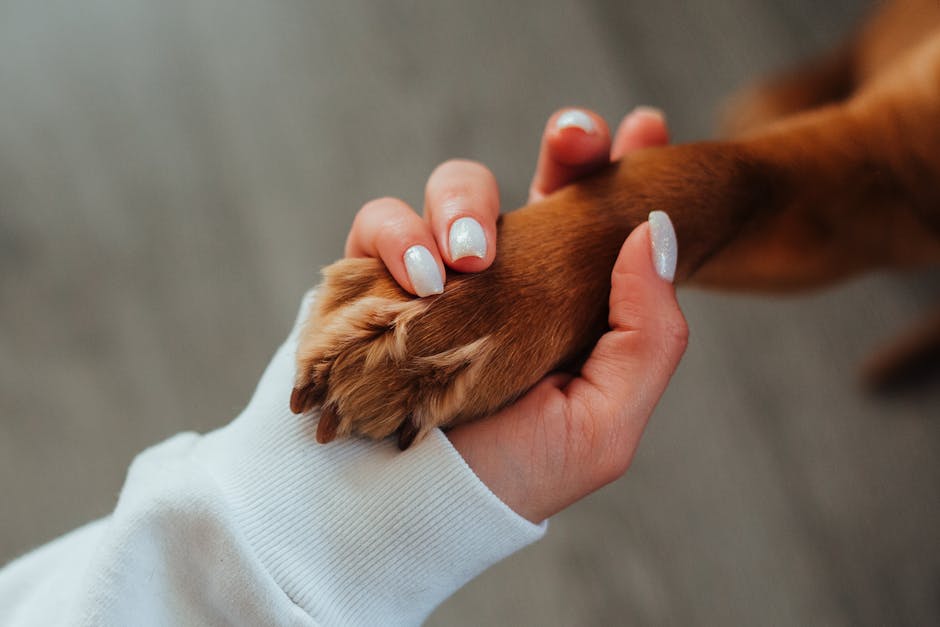
This is the part most checklists skip. Body language is more than a picture—it’s also a timeline. Here’s a simple test I use at home to separate “they’re uneasy” from “they’re hurt.”
Step 1: Observe for 20–30 seconds without touching
Watch posture, breathing, and movement. Comfort issues often look like a change in attention (watching, turning away). Pain often shows protective behavior (limping, not putting weight down, hiding in a specific spot).
Step 2: Do a low-pressure “touch check” (only if safe)
Use the back of your hand first, not your fingers. Start away from the most sensitive areas.
- If your pet relaxes or leans into you: likely mild discomfort or stress that can improve with space.
- If they flinch, pull away, or stiffen: treat as pain and avoid repeated checking.
Step 3: Watch the recovery time
This is the key. Stress usually improves when you lower pressure. Pain usually stays or gets worse over time.
- Stress recovery: within a few minutes they begin eating, moving, or settling again.
- Pain persistence: they keep avoiding movement or remain tense even when things quiet down.
My opinion: “They’re fine” is often something we tell ourselves. If their body keeps choosing avoidance after you reduce pressure, assume it’s a pain signal and get help.
People Also Ask: quick answers to common questions
Why does my pet freeze when I approach?
Freezing can mean fear, pain, or overwhelm. For dogs, it often happens when they’re unsure about a situation (new person, a strange sound). For cats, freezing can happen when they’re guarding against being touched in a sore area.
Do this: stop moving toward them, lower your voice, and give them a clear escape route. If freezing is paired with limp, hiding, or not eating, contact your vet.
What does lip licking mean in dogs?
Lip licking is an “in the moment” behavior. It can be a response to excitement, but when it shows up during handling, thunderstorms, car rides, or vet visits, it’s usually a stress signal.
Watch the pattern. Occasional licking with treats is normal. Frequent lip licking in calm rooms is a clue to reduce pressure and check what’s triggering them.
How can I tell if my cat is scared or sick?
Fear often comes with alert body language: hiding, ears back, and tail tension. Sick or painful cats often show changes that don’t match the environment, like not eating, hiding longer than normal, or avoiding the litter box.
If your cat stops eating for 24 hours, or the litter box situation changes (straining, crying, no urine), don’t wait for “maybe it passes.” Get medical help.
Can body language show allergies or GI problems?
Yes. It won’t confirm an allergy, but it can point you toward it. Frequent face rubbing, paw licking, or constant scratching can go with allergies. Vomiting, licking the lips, or eating less can match nausea or GI upset.
If itching is paired with skin redness, hair loss, ear shaking, or a sudden change in appetite, ask your vet about allergy workups and GI causes.
Toolbox: what to track at home (and what not to do)
If you want your observations to actually help a vet or trainer, write down the right details. I keep it simple and quick—no fancy notes.
Track these 6 things once a day
- Energy level: playful, neutral, or low.
- Eating and drinking: normal, less, or none.
- Bathroom behavior: normal, straining, accidents, or litter box avoidance.
- Body language events: when the stiffness, hiding, growling, or lip licking happens.
- Triggers: visitors, vacuuming, stairs, car rides, grooming, or handling.
- Recovery time: did they settle within 5–10 minutes or keep escalating?
What not to do (even if it feels helpful)
- Don’t force eye contact. Many pets see that as a threat.
- Don’t “test” pain repeatedly. If they flinch, stop. Repeated checks can make it worse.
- Don’t ignore bathroom and breathing changes. Those aren’t “training behavior.” They need health attention.
If your pet is fearful, pair body language with gentle training plans. For example, our tips for desensitization and counterconditioning at home can help you change the emotional meaning of triggers instead of just managing them.
A comfort plan you can start today (simple, realistic, 10 minutes)
You don’t need a big makeover. You need a predictable routine and a “choice-based” environment. Here’s a plan I recommend for most homes.
Set up a safe zone
Pick one spot where your pet feels in control. For dogs, it might be a crate or a bed near you but with room to breathe. For cats, it’s often a quiet room with a hidey place and fresh water.
- Put a water bowl there.
- Add a favorite blanket or small toy.
- Keep it consistent—same general location each day.
Build a calm routine
In 2026, my go-to routine is short and steady. Think: predictable feeding times, brief play, then a decompression period.
- 5 minutes: gentle play or a short training session using treats your pet loves.
- 10 minutes: sniff walk (dogs) or interactive toy time (cats).
- Then settle: quiet time in the safe zone with no “new stuff.”
Use body language as your “volume knob”
If your pet shows stress, reduce intensity. If they show comfort, you can continue. This one rule prevents the common mistake of pushing through fear.
It also helps with pet training. If you’re working on walking manners, check body language in every session. The moment you see stress cues, slow down the plan.
When to call a vet or professional right away
Some body language cues are “don’t wait” signals. If you see any of these, contact your vet or an emergency clinic.
- Open-mouth breathing in cats or persistent heavy panting in dogs at rest.
- Not eating for a full day (cats) or a clear appetite drop plus lethargy (dogs).
- Straining to urinate or repeated attempts with little output.
- Severe limping or refusal to bear weight.
- Uncontrollable shaking, collapse, or extreme lethargy.
- Sudden aggression paired with hiding, flinching, or unusual touch avoidance (could be pain).
Even if you also suspect stress, pain can ride along. In practice, vets see it all the time: anxious pets are often also uncomfortable, and the body language is what tips you off.
Conclusion: use the checklist to act sooner, not just “interpret” later
Learning how to read your pet’s body language is not about being perfect. It’s about noticing patterns and responding early. When you can tell comfort from stress, and stress from possible pain, you help your pet feel safe and you catch health issues sooner.
Start today with the quick comfort vs stress scan, then add the “minute-by-minute” timeline test during the next tricky moment—walk, grooming, vet visit, or an unexpected loud sound. Your pet’s body is always talking. Your job is to listen with a plan.
Featured image alt text suggestion: “Dog body language checklist for comfort and stress signals at home”