

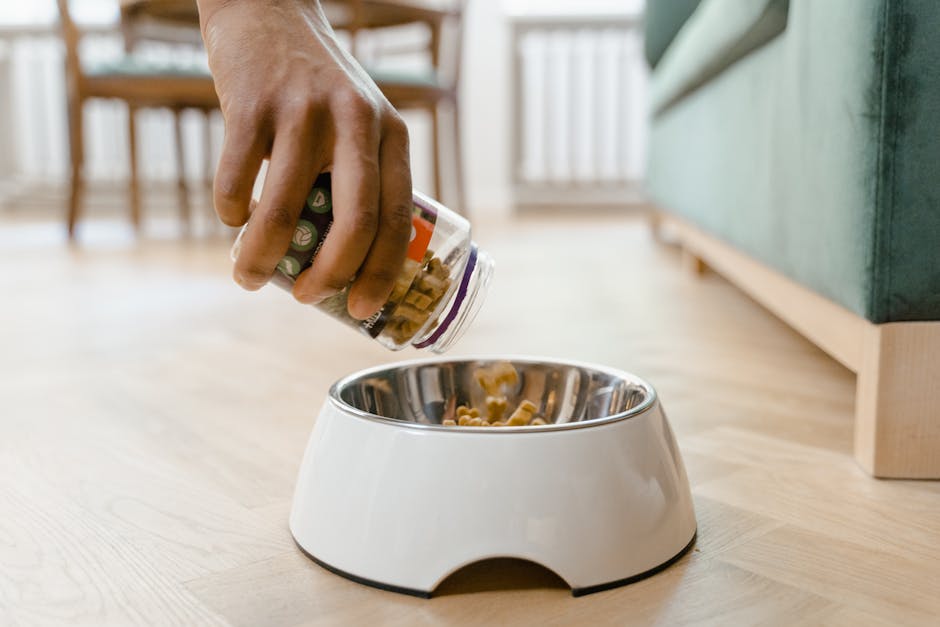
Here’s a surprising truth I learned the hard way: a lot of “bad behavior” in pets is really the body asking for better nutrition and gut support. I’ve seen dogs get less cranky after we fixed fiber balance and feeding timing, and cats stop the cycle of loose stools once we adjusted the food slowly. That’s why the newest pet care news in 2026 is so focused on three linked topics: nutrition, gut health, and longevity.
If you’re searching for “what research says” so you can make better choices, you’re in the right place. Below, I’ll break down what recent studies are pointing to and what you can do this week—no fancy supplements required.
Primary keyword: New in Pet Care News: What Recent Research Says About Nutrition, Gut Health, and Longevity
Nutrition research in 2026: the “right amount” beats the “right brand”
The big takeaway from the latest nutrition updates is simple: for long-term health, portion size and protein/fat balance matter as much as the food label. Many pets gain weight slowly, and extra body fat changes hormones and inflammation levels. Even if your pet looks “fine,” their body may be working harder than you think.
Nutrition is also tied to how the gut works. When meals are too big or too infrequent, the gut can’t keep a steady rhythm. That affects stool quality, gas, and appetite signals.
What “good nutrition” means in real life
Here’s a plain definition: good nutrition is the diet that keeps your pet at an ideal body condition and supports steady digestion. For most dogs and cats, that means:
- Calories match their needs (not just the serving size on the bag)
- Protein supports muscle (especially in senior pets)
- Fiber helps stool form and feeds helpful gut microbes
- Fat supports skin and energy, but doesn’t blow up calories
I like to measure progress in small signs: stool looks normal most days, your pet has steady energy, and they don’t get hungry right after meals. If you only track weight once a month, you can miss early changes.
Common mistake I see: “healthy food” with the wrong portion
A lot of people switch to a “high-protein” or “grain-free” option and keep the old portions. That can quietly add up. If the new food is more calorie-dense, your pet may gain weight without you noticing for weeks.
Try this simple check at home: weigh your pet once per week for 6 weeks (same day, same time). If the trend is up, reduce the daily amount by 5–10% and reassess. For dogs, a small adjustment can show results in 2–3 weeks.
Gut health research: your pet’s microbiome runs the show more than you think
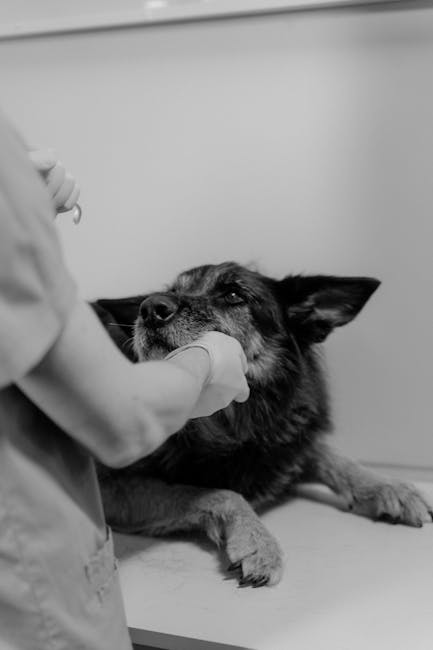
Gut health isn’t just about avoiding diarrhea. The gut microbiome (all the helpful microbes living in the intestines) affects digestion, immune responses, and even how pets handle stress. That’s why recent pet care news is talking about fiber, fermented foods, and prebiotics as practical tools.
One reason this is so important is that the gut lining acts like a gate. When that gate gets irritated, inflammation can rise. Nutrition can either calm the gut or keep it irritated.
Prebiotics vs. probiotics (what people get wrong)
People often mix these up, so here’s the clear difference:
- Prebiotics are foods that feed helpful microbes. (Think: certain fibers.)
- Probiotics are live microbes added to the diet.
My opinion, based on years of watching real households: prebiotics are usually the safer first move for most pets with soft stools. Probiotics can help too, but the type and dose matter, and not every gut responds the same way.
Signs your pet’s gut needs support
Look for patterns, not one-off events. A gut that needs help often shows:
- Stool that’s soft or crumbly more than 2 days per week
- More gas than usual (especially after meals)
- Smelly stools or sudden changes after treats
- Extra “urgency” right after eating
If your pet has vomiting, blood in stool, or weight loss, don’t guess. Call your vet. Gut symptoms can come from infections, parasites, or food allergies.
Longevity research: fewer spikes and fewer chronic issues add up
The longevity takeaway from recent research is that long life isn’t just one magic ingredient. It’s a pile-up of small wins: stable digestion, healthier body weight, and fewer chronic flare-ups over time.
When pets have chronic inflammation, it can affect joints, skin, and organs. Nutrition and gut health can’t fix every disease, but they can reduce background stress on the body.
What “healthy aging” looks like week to week
I track longevity in everyday signs, because it’s more useful than hoping for a perfect lab result. For many dogs and cats, aging support shows up as:
- Less itching or fewer flare-ups of skin irritation
- More steady energy (not zoomies followed by crashes)
- Better stool consistency
- Stronger muscle tone and easier mobility
For older pets, small changes matter. If your senior dog used to run to the door and now hesitates, ask your vet about pain and also review food quality and feeding habits.
Action plan: a 14-day routine to improve nutrition + gut health
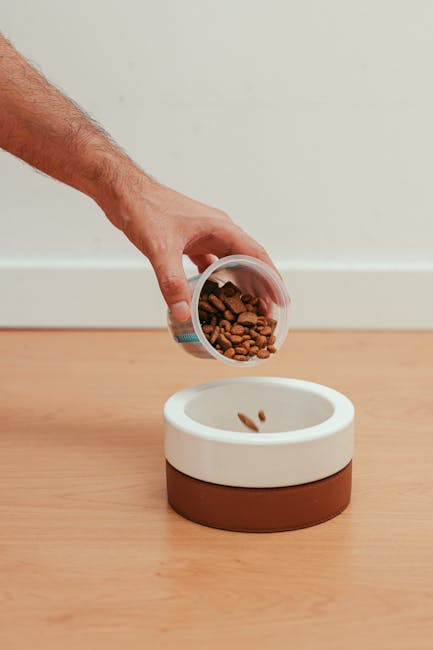
If you want something you can actually do, here’s a practical routine. It’s designed to support the gut while keeping stress low on your pet’s body.
Step 1: Fix feeding timing (Days 1–2)
For many dogs and cats, two consistent meals beat random snack timing. Aim for the same times each day.
- Dogs: feed twice daily for most adults
- Cats: feed smaller meals throughout the day if they prefer grazing
If your pet gets treats, keep treats under 10% of daily calories. I like to weigh treats for one day to see how much “just a little” really adds up.
Step 2: Adjust fiber gently (Days 3–7)
Fiber is a key gut helper. Too little and stool stays loose. Too much and it can cause gas.
Here’s the safe approach: adjust gradually and watch the next 3–5 stool days. If you’re adding a fiber source (like pumpkin), start with a small dose once daily and increase only if stool improves.
Example: For a 25–30 lb dog, many people start with about 1 teaspoon of plain canned pumpkin (not pie filling). That’s a starting point, not a rule. Your vet can help you tailor it.
Step 3: Do a slow food transition if you’re changing diets (Days 8–14)
Fast switches are one of the biggest reasons diets “fail” at home. Do a gradual switch over 7–14 days.
- Days 1–3: 75% old food, 25% new food
- Days 4–6: 50% old food, 50% new food
- Days 7–9: 25% old food, 75% new food
- Days 10–14: 100% new food (if stool stays normal)
If stool gets worse, slow down. Go back to the last good mix for a few days, then try again.
Step 4: Use one “gut support” tool at a time
It’s tempting to add probiotics, switch foods, and change treats all at once. That makes it impossible to know what helped.
Pick one change for at least 10 days. If your pet improves, keep that change. If not, adjust the next item instead of stacking multiple experiments.
If you want a broader view on long-term care, you can also check our guide on aging support for pets to connect nutrition habits with mobility and preventive care.
Products and tools: what to look for (and what to skip)
Let’s talk practical. In 2026, there are more supplements and gut powders than ever, and not all of them deserve a place in your cabinet. I focus on what helps you make better choices without wasting money.
Best “first purchases” for many households
These are tools I often recommend for people who want results:
- A digital kitchen scale for portion accuracy (cheap and life-changing)
- A small container to measure treats by grams
- A feeding schedule reminder so meals stay consistent
Supplements are not the first step for most pets. If your pet is overweight, the most powerful “supplement” is a slightly smaller, better-matched portion.
When probiotics help (and when they don’t)
Probiotics can help in certain situations, like after a stomach upset or when a vet recommends them for a short course. But you need the right strain and enough dose.
Here’s the most honest rule: if you can’t tell which product strain it is, why the product was chosen, and how long you’ll test it, don’t buy it yet. You want a plan, not a guess.
What people get wrong about “gut detox” claims
I’m going to be blunt: most “detox” products for pets don’t match real digestion science. Your pet’s gut already processes food and waste every day. If your pet has symptoms, you deal with the cause—diet balance, parasites, infections, or inflammation—rather than trying to “flush” the system.
If you’re also dealing with stool changes at home, our post on diarrhea and constipation symptoms can help you separate normal adjustment from warning signs.
People Also Ask: nutrition, gut health, and longevity
What foods improve gut health in dogs and cats?
The most consistent gut-friendly foods are those that provide fiber (like certain plant fibers) and support steady meal patterns. Prebiotic fibers feed helpful microbes, and that can improve stool quality over time.
In cats, be extra careful with sudden changes because digestion can be sensitive. I always recommend slow transitions and watching stool for at least a week after each change.
Does changing my pet’s diet really affect longevity?
Nutrition doesn’t guarantee a certain lifespan, but diet does affect risk factors that matter for longevity. A healthy weight, steady digestion, and fewer inflammatory flare-ups are the practical pieces you can control.
In my experience, people see the biggest payoff when they fix portions first, then improve the food’s fiber and protein balance.
How long does it take to see gut health results?
For many pets, you’ll notice stool and appetite changes within 3–7 days after a diet shift. If the gut needs more time to stabilize, give it 2–4 weeks.
If symptoms are getting worse after a week, stop the change and talk to your vet. Don’t push through stress for months.
Can a probiotic help with bad breath and gas?
Sometimes. Bad breath can come from dental disease, and that’s a huge one. Gas can come from diet balance and treat choices.
If your pet has stinky breath, I’d check teeth and gums first. For gas, start with food timing and fiber balance. If you still want to add a probiotic, use it as a test for 2–3 weeks, then reassess.
Case examples from real life: what worked and what failed
I want to share two quick examples I’ve seen with clients and friends, because it shows how nutrition and gut health connect.
Case 1: Senior dog with soft stool and low energy
A 10-year-old dog started having soft stool 3–4 days per week. The owner switched foods twice in one month, and every change made the gut worse for about a week.
We slowed the transition and adjusted fiber gently. Within 10 days, stool became firmer and the dog’s energy improved. We also tightened portions to keep weight stable, and joint comfort improved after a few weeks.
Case 2: Puppy with “training issues” that weren’t behavioral
A new puppy was labeled “hyper” and “hard to train.” After tracking meals and treats, we saw constant snacking plus large dinner portions.
Once the family moved to two meals, cut treats to under 10%, and kept treats consistent, the puppy calmed down. Then training got easier because the puppy wasn’t dealing with stomach discomfort.
If you’re also working on obedience, the better feeding routine can make a big difference. Our training with routines for dogs guide connects behavior goals with daily habits like meals and exercise.
How to choose the “right” nutrition plan for your pet
The right nutrition plan depends on age, activity level, and any gut symptoms you’ve noticed. If you ignore those details, you end up with a diet that looks great on paper but doesn’t match your pet.
Use this quick checklist before you change anything
- Body condition: is your pet at a healthy weight?
- Stool quality: how often is it soft, watery, or unusually smelly?
- Meal timing: are meals consistent or do treats dominate?
- Recent changes: new treats, new people in the house, travel, antibiotics?
- Vet history: any parasite treatment or allergy diagnosis?
Then choose one change at a time. That’s how you get clear answers instead of random trial and error.
When to call your vet (important)
If your pet has vomiting, blood in stool, repeated diarrhea for more than 48–72 hours, severe lethargy, or sudden weight loss, don’t wait for diet changes to “kick in.” Nutrition supports health, but it doesn’t replace medical care.
Also call your vet if your pet is elderly and losing muscle fast. That’s where protein balance and sometimes medical causes need attention.
Conclusion: the best longevity move is better digestion you can repeat
New in Pet Care News: what research says about nutrition, gut health, and longevity comes down to one idea: steady digestion supports healthy aging. Fix portions first, keep meal timing consistent, add fiber slowly, and change only one thing at a time so you can tell what’s working.
If you do just one actionable step this week, weigh your pet once, measure treats by grams, and feed on a schedule. Then watch stool quality for 7 days. That small, repeatable routine is one of the most reliable ways to support your pet’s gut—and give longevity a real chance.
Featured image alt text suggestion: “Nutrition and gut health for pets: measured portions and a steady feeding routine supporting longevity”