

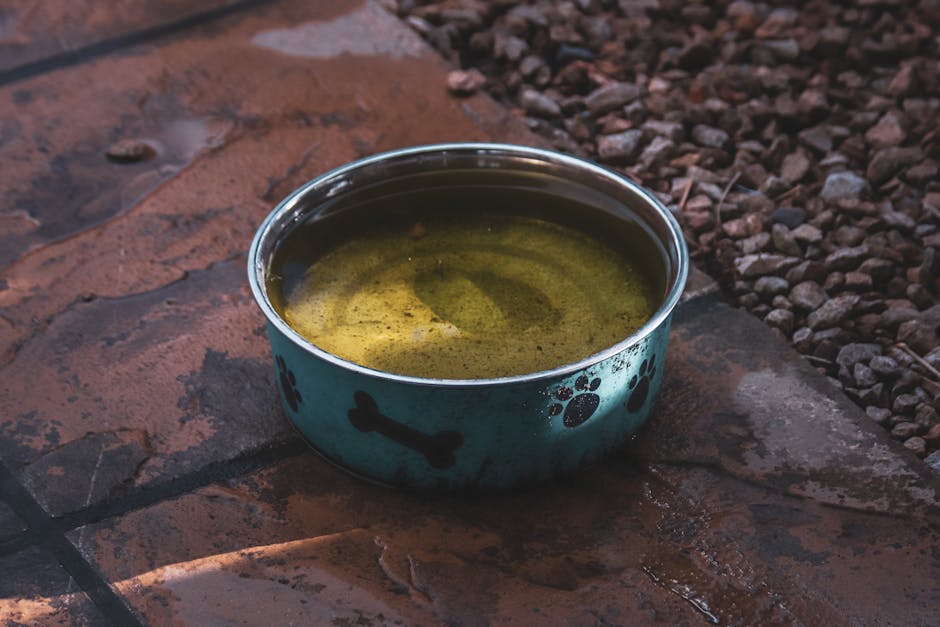
One scary thing I learned the hard way: some pets don’t “seem” sick until dehydration is already well underway. I still remember noticing my dog acting normal—tail up, interested in walks—while I was quietly missing the early signs. Then a hot afternoon hit, and the next time I checked, the warning signs were obvious.
That’s why this ultimate guide to pet hydration is so practical. You’ll learn what dehydration looks like, how to check your pet at home, which water bowls work best (and which ones secretly cause problems), and the daily habits that help your pet drink enough—without stress or guesswork.
Pet hydration 101: what “dehydration” really means
Pet hydration refers to how much water your pet has in their body, and dehydration happens when that water level drops. Dehydration isn’t just “they drank less.” It’s a real body-fluid problem that can affect blood flow, digestion, and temperature control.
In simple terms, water helps move nutrients around and keeps body functions running. When there isn’t enough water, your pet’s body tries to compensate, and that’s when you see changes in gums, skin, pee, and energy.
How do I know my pet is dehydrated?
You look for signs in multiple body systems. For example, dry gums are one sign, but dark urine and low energy are others. When you spot several signs at once, you should act quickly.
Signs of dehydration in pets (quick checklist you can use today)
Use this checklist when you suspect your pet may not be getting enough water. If you notice more than one sign, start taking action right away.
- Dry, sticky gums (gums look tacky instead of wet and shiny)
- Slower skin “snap back” (the skin on the back of the neck takes more than 1 second to return)
- Lethargy (less energy, reluctance to play)
- Loss of appetite or nausea-like behavior
- Thirst that’s not being met (drinks but doesn’t seem satisfied)
- Dark yellow urine and peeing less often
- Sunken eyes (more noticeable in some pets than others)
- Vomiting or diarrhea (these can cause dehydration fast)
I like to think of it like a smoke alarm. One symptom can happen for other reasons, but several symptoms together are a loud warning.
Featured snippet: what are the first things to check for dehydration?
Check gums for wetness, then do the gentle skin tent test, then look at pee color and how often your pet urinates. If those don’t add up, contact your vet the same day.
How to check hydration at home (safe methods, clear steps)
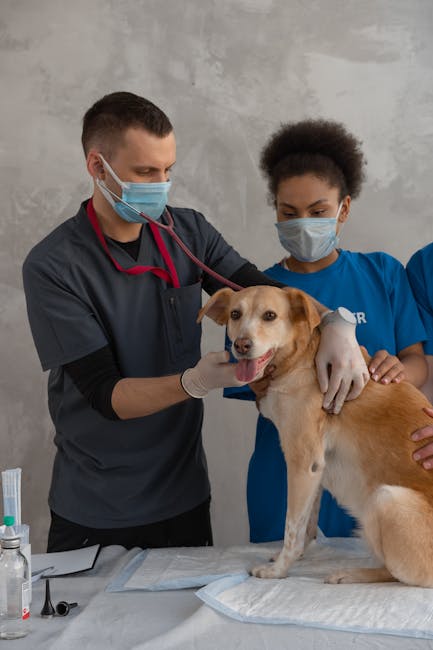
These at-home checks are simple and safe when done gently. They won’t replace a vet exam, but they help you decide how urgent the situation is.
1) Gum check (takes 10 seconds)
Lift your pet’s lip and look at the gums. Wet gums feel slick and look shiny. Dry gums look dull or tacky.
Tip: If your pet is sleepy, gums can look a bit dry even when hydration is okay. Check again after they’ve had some water.
2) Skin tent test (use this the right way)
For most dogs, you can gently lift the skin between the shoulder blades. If the skin stays “tented” or returns slowly (often more than about 1 second), dehydration is more likely.
Don’t do this test if your pet is very upset or in pain. Calm matters. If they flinch, stop.
3) Urine and bathroom habits (the truth is in the pattern)
Watch the color and frequency of urine. Light yellow is usually a good sign. Dark yellow or strong-smelling urine can mean your pet needs more water.
Also note frequency. A pet that used to pee every 6–8 hours but suddenly goes 12 hours without peeing is a clue.
4) Weighing your pet (best for spotting slow dehydration)
If you want a more solid number, weigh your pet at home once a day for 2–3 days. A small weight drop can happen for many reasons, but rapid loss combined with other signs is concerning.
As a rule, you shouldn’t wait and “watch it for a week” if your pet is also having vomiting, diarrhea, or refusing water.
Pet hydration and risk factors: who needs extra attention?
Some pets dehydrate faster than others. If your pet falls into one of these groups, plan ahead.
Hot weather and summer risk
In 2026, heat waves feel stronger and last longer in many places. Dogs pant to cool down, and panting uses water. That means a dog that loves playing outside might drink less while still losing more water.
If your dog is outdoors, offer water more often than you think—especially after play.
Kidney disease, diabetes, and older pets
Some health conditions make pets drink more (or pee more), and others make drinking harder (nausea, dental pain, or weakness). Kidney issues are a big one. If your pet already has a diagnosis, follow your vet’s water plan closely.
Breathing issues and brachycephalic dogs
Flat-faced dogs (like some pugs and bulldogs) can struggle with breathing and heat more easily. They often pant more, and that increases water loss. Extra bowl placement and cooler water help.
What most people get wrong about hydration
One common mistake: people only check water once or twice a day. But most pets need small sips throughout the day. Another mistake is assuming “they’re drinking, so they’re fine.” Drinking too fast and not staying hydrated can happen when water is stale, too hot, or the bowl setup isn’t working for them.
Best water bowls for pets: what actually works (and what doesn’t)
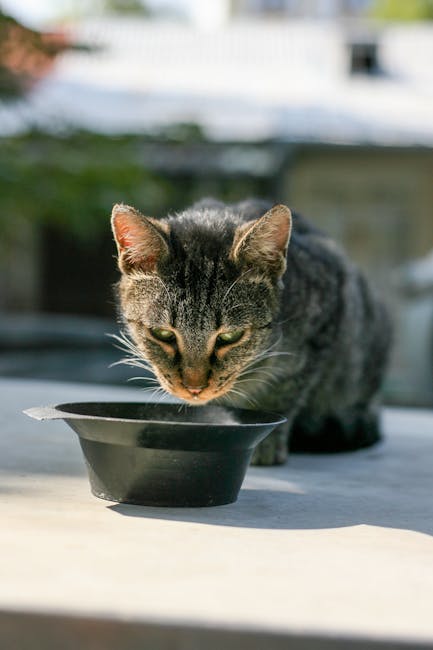
The best bowl for hydration is the one your pet will drink from consistently. Bowl material, shape, and water freshness all matter.
I’ve seen this in real life: my cat avoided a fancy bowl because it made a weird sound when she lapped. Once I switched to a wider, quieter dish, her water intake went up within a day. Small change, big impact.
Material comparison: stainless steel vs ceramic vs plastic
Here’s a simple comparison I use when helping friends choose.
| Material | Pros | Cons | Best for |
|---|---|---|---|
| Stainless steel | Easy to clean, usually resists odors, sturdy | Can be noisy for some pets | Most pets |
| Ceramic | Good look, solid weight, usually not noisy | Can chip; heavy | Pets that dislike noise |
| Plastic | Light, often cheaper | Can hold smells, can scratch, harder to fully sanitize | Only if high quality and replaced often |
Best water bowl style by pet type
- Wide bowls help pets avoid whisker pressure (common with cats). If your cat acts annoyed at the edge, try a flatter, wider dish.
- Shallow bowls can help small pets and animals with sensitive faces.
- Non-tip bases matter for dogs who shove the bowl during excitement.
- Multiple bowls beat one bowl in one location. Think “easy access,” not “one perfect spot.”
What about water fountains? (pros, cons, and who should avoid them)
Pet water fountains can work great because moving water often smells fresher. For many cats, it increases drinking because they prefer running water instincts.
But there are downsides. Fountains need regular filter changes and cleaning. If you travel often or hate maintenance, a simple bowl is more realistic. If your pet has a sensitive stomach, you still get fresh water benefits, but you must keep the fountain clean and avoid mold buildup.
Popular fountain brands many people use include the PetSafe Drinkwell line and Catit fountains. I’m not saying every model is perfect—just that these are common in 2026 households, so they’re a good reference point when shopping.
How to keep water fresh (without turning it into a chore)
Fresh water encourages drinking. Stale water can smell “off,” especially in warm rooms.
- Change water at least 2 times daily for most households.
- Wash the bowl with warm water and mild soap daily or every other day.
- If you use a fountain, rinse parts regularly and replace filters on schedule (check the packaging).
- Keep bowls away from litter boxes and food bowls when possible.
Daily hydration habits that prevent dehydration (simple routines that stick)
The goal isn’t perfection. It’s consistency. A few daily habits prevent most hydration problems.
Build a “water schedule” that matches your pet’s day
I recommend tying water to real parts of the routine:
- Morning: refill right after your coffee/breakfast
- After meals: fresh water within 30 minutes
- After walks/play: offer water immediately
- Evening: final refill before bedtime
If you’re gone for long stretches, place water where your pet naturally spends time and consider a timed routine you can manage from your phone if you use home tech.
Make water easy to find (especially for cats)
Many cats won’t cross the whole house for a sip. Put a bowl in the main “hang out” area and another by where they sleep. A third bowl near windows or sunlit areas can help in warmer months, but keep it cool.
Use food and water together (wet food is a hydration tool)
Wet food adds moisture. If your pet will eat it, it can support hydration—especially for cats who don’t drink much. Dry food is fine, but don’t treat “dry food” as a stand-in for drinking water.
If you’re thinking about switching diets, do it slowly over 7–10 days to avoid stomach upset.
Offer ice cubes or water-safe add-ins—carefully
In hot weather, some pets love ice chips. For dogs, frozen cubes can be a fun way to cool down and encourage drinking. For cats, tiny ice chunks can work, but only if they don’t gulp and then vomit.
Skip sugary add-ins. Don’t add salt or “sports drinks.” Those can be harmful.
When to call the vet: dehydration emergencies you shouldn’t wait on
Here’s the line I use: if your pet is acting off and you see dehydration signs, don’t wait for the next “scheduled” day.
Go same-day if you see these
- Repeated vomiting or diarrhea
- Refusing water or unable to keep water down
- Very dark urine or no urination for many hours
- Extreme lethargy or collapse
- Bright red or very pale gums with other symptoms
Heatstroke warning (hot weather needs urgency)
If your dog is in heat and you notice heavy panting, weakness, or stumbling, treat it like an emergency. Heatstroke can worsen quickly.
Cool them with cool (not icy) water on paws and around the body, and contact your vet right away. Dehydration and heat injury often show up together.
People also ask: pet hydration questions answered
How much water should my pet drink per day?
There isn’t one perfect number for every pet, but a common guideline is about 1 ounce of water per pound of body weight per day for many dogs (more if it’s hot or after exercise). Cats vary a lot, and many do fine with less if they eat wet food.
The bigger focus is “are they stable and peeing normally?” If you’re seeing dark urine, dry gums, or bathroom changes, adjust and contact your vet if it doesn’t improve.
Can my pet get dehydrated even if they drink?
Yes. Some pets drink quickly but don’t drink enough over time. Others lose water faster than they can replace it, like during vomiting, diarrhea, heat exposure, or heavy panting.
That’s why you should check more than just the water bowl. Look at gums, energy, and urine.
Are there dehydration signs in puppies or kittens?
Yes, and they can look more serious sooner. Puppies and kittens have less body reserve. If a kitten is hiding, not eating, or has diarrhea, don’t wait—call your vet.
Young pets also dehydrate fast when sick, so watch for sticky gums and reduced peeing.
What’s the best bowl for a cat that doesn’t drink?
Start with a wide, shallow ceramic or stainless steel bowl placed away from the litter box. If that doesn’t work, try a water fountain with fresh filters and daily cleaning.
Also check the room setup. Cats drink more when the bowl area feels safe and calm.
Is it safe to give electrolyte drinks?
Only if your vet tells you to. Regular human electrolyte drinks contain ingredients that can be unsafe for pets. There are pet-safe products made for animals, but even those need correct dosing based on weight and the cause of dehydration.
If your pet is vomiting or has diarrhea, the best first step is calling your vet for advice.
Should I leave water out all day?
For most pets, leaving water out is fine if you refresh it. The big issue is freshness. If your home runs warm or your pet likes to splash, you’ll need more frequent refills.
I often suggest keeping water available at all times, but changing it at least twice daily and washing bowls daily or every other day.
Real-world hydration scenarios (so you know what to do)
Let me walk you through a few common situations I’ve seen and what worked.
Scenario 1: Your dog won’t drink during a road trip
Some dogs refuse water in the car because it feels weird or they get anxious. Instead of forcing a big drink, offer small amounts every stop. Use a collapsible bowl and let them drink calmly.
After the drive, check urine color and bathroom frequency. If you’re seeing dark urine, you may need more frequent stops.
Scenario 2: Your cat drinks less during summer
This usually comes down to bowl location and water temperature. Cats often avoid warm water. Place the bowl in a cooler room and refresh often.
If you switch to a fountain, clean it on schedule. I’ve learned that “set it and forget it” is the wrong mindset with fountains.
Scenario 3: Your dog has vomiting after eating a new treat
Vomiting can dehydrate a pet fast. Don’t just refill the bowl and hope. Offer small sips, keep them calm, and call your vet if vomiting continues or if your pet seems weak.
Hydration care changes when a stomach issue is involved, so it’s not just a “water problem.”
Pair hydration with other pet-care routines (so you don’t miss clues)
Hydration ties into a lot of everyday care. If you’re already working on other habits, you’ll catch issues earlier.
- If you’re focused on pet nutrition, remember that wet food can support hydration. You can also pair this with a training routine to reduce grazing behavior around the wrong times. (You might like our guide on pet training tips for daily routines.)
- If you’re handling daily grooming or coat issues, watch for skin dryness. Poor skin can be a clue that something else is going on too. For more on general health checks, see our animal health resources.
- If you’re trying to improve comfort at home, we’ve covered helpful setup tips in our Pets & Home Lifestyle category.
These links are great for building a full “care system” rather than only reacting when something looks wrong.
My bottom-line recommendation for 2026: make hydration visible
Here’s the angle I stick with after helping people troubleshoot this in real life: the best hydration plan is the one you can notice. That means clear bowl placement, fresh water, and easy checks you do without thinking too hard.
If you do just three things consistently, do these:
- Check gums and urine pattern when something feels “off.”
- Use a bowl your pet actually likes (wide for cats, stable for dogs, stainless/ceramic for fewer smell issues).
- Refresh water on a schedule—at least twice daily in most homes.
If you ever see multiple dehydration signs or your pet won’t drink during vomiting/diarrhea or heat exposure, call your vet the same day. That’s not being dramatic. It’s smart pet care.
Make hydration a daily habit, not a panic plan, and you’ll catch problems early—when they’re easier to fix.
Featured image alt text: Pet drinking from a stainless steel water bowl during summer heat (pet hydration guide)