

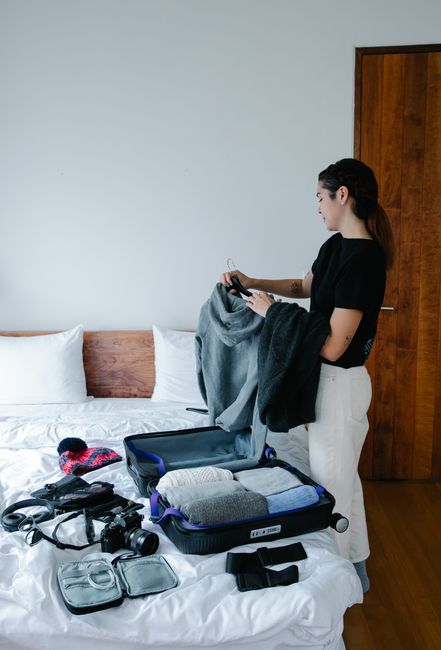
Featured image alt text: Traveling with pets at home and away packing checklist with leash, food, and first-aid kit on a table
Traveling With Pets at Home and Away: the safety plan that prevents 80% of problems
When people think about traveling with pets, they picture hotels and car rides. But most accidents happen around the “in-between” parts—packing day, the first hours in a new place, and even at home while you’re distracted. Traveling with pets at home and away means you set up the same safety rules in both locations.
Key takeaway: Use one simple system: “secure, identify, hydrate, feed on schedule.” If you do only four things every time—secure the crate or leash area, keep ID visible, offer water often, and stick to your feeding routine—you prevent the most common emergencies.
What “pet travel routine planning” actually means (simple definition)
Pet travel routine planning is how you keep your pet’s day structure consistent when plans change. It’s not just walking more or carrying food. It’s keeping mealtimes, bathroom breaks, and bedtime routines close to normal.
I learned this the hard way with my dog, Juniper. The first time we stayed with friends, we “did everything right” but we fed her early, then skipped her usual late walk. She didn’t act sick—she acted worried. When we moved her dinner time back to normal, she relaxed within 24 hours.
Safety tips for the days before you leave (the pack-and-prepare phase)
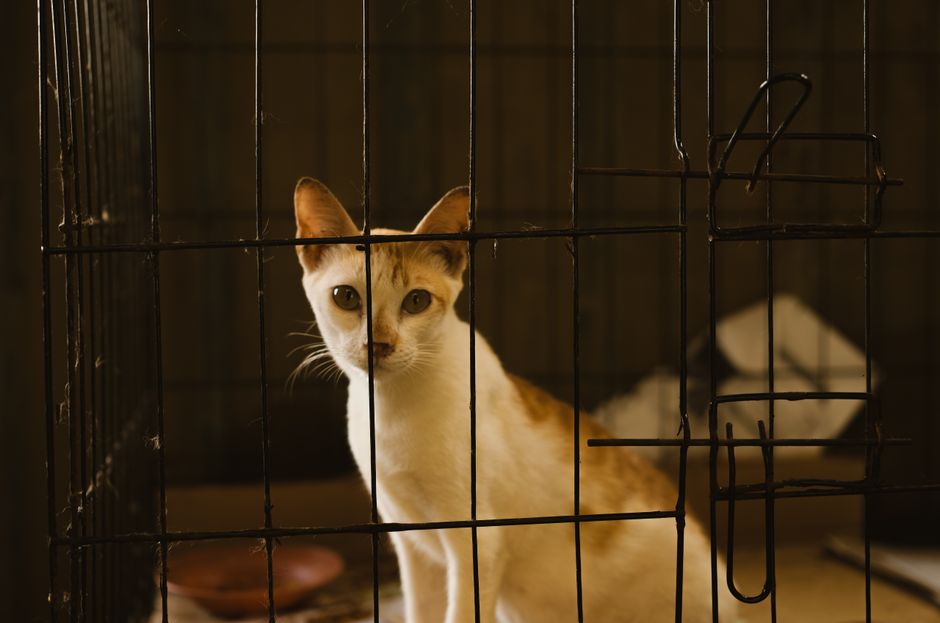
The pack-and-prepare phase is where many pet injuries start. You’re moving fast. You’re leaving doors open to grab one more thing. You’re setting down items you don’t think are risky—like cords, medicine, or snacks.
Key takeaway: Create a “pet-safe zone” at home for pack day and follow it like a rule.
Set up a pet-safe zone that works in small spaces
A pet-safe zone can be a playpen, a bathroom, or a quiet corner with a baby gate. The point is simple: your pet shouldn’t be wandering while you’re hauling suitcases. Think of it like a waiting room.
- Choose one room where your pet feels comfortable.
- Block access to kitchens, trash cans, and laundry rooms.
- Remove hazards: socks, rubber bands, string, charging cords, and small toys.
- Use a consistent bed (their own blanket helps).
What most people get wrong about Traveling With Pets at Home and Away
Here’s the common mistake: people treat “home” and “away” like two totally different worlds. They change everything at once—food time, walk time, and where the pet sleeps—then act shocked when stress shows up.
In 2026, the best practice is still the same: change one thing at a time. Keep routines steady and only adjust what you must for the trip. If you can’t keep the exact schedule, keep the same sequence (walk → potty → food → rest → play).
Quick home checklist for safety (use it the night before)
- Confirm your pet’s ID tag is on and readable.
- Put medications in a closed bag or high cabinet.
- Secure trash (cats especially will investigate).
- Check plants and stop access to any harmful greenery.
- Pack a spare leash/harness even if you’re driving.
Packing lists: what to bring for dogs, cats, and “in-between” pets
Packing lists sound simple until you’re holding a leash in one hand and searching a closet with the other. So I use a “grab list” plus a “check list.” The grab list lives on the counter. The check list goes in my notes app.
Key takeaway: Pack for the pet’s body (food, water, meds), and pack for their nervous system (comfort items, predictable routine tools).
Core packing list for Traveling With Pets at Home and Away (works for most pets)
- Identification: ID tag + updated microchip info + a card with your contact details.
- Carrier or crate: secure fit, familiar blanket, and a way to attach ID.
- Leash/harness: for dogs; for cats, a harness and carrier if trained.
- Food: enough for the entire trip plus 2–3 extra days.
- Water plan: collapsible bowls and bottled water if needed.
- Poop and cleanup: bags, wipes, paper towels.
- Cleaning: enzyme cleaner for accidents (regular sprays don’t fully remove smells).
- First-aid kit: bandage wrap, sterile wipes, tweezers, pet-safe antiseptic.
- Comfort items: their bed, a worn T-shirt with your smell, a favorite chew.
- Waste schedule: note of last potty time and next expected time.
Food and medication rules that keep pets safer
Bring the same food your pet eats at home. Sudden diet changes are a top reason for stomach upset during travel. If you need to switch, do it weeks before your trip, not during it.
If your pet takes medicine, pack it in two places: one main container and one backup stash. I also write the dose and time on a small card inside your bag. It sounds basic, but it saves you when you’re tired.
Dog-specific packing list (including leash setup options)
- Two leashes if possible (one backup).
- Harness or collar that fits securely.
- Treats for calm behavior and bathroom training breaks.
- Long-line (only if your area is safe and you can supervise).
- Chew/brain toy that matches your dog’s chewing style.
For cars, I recommend a crate or a secured harness in the back seat. A loose pet can get injured even in a slow turn.
Cat-specific packing list (more about control than comfort)
- Carrier with a door that locks well.
- Absorbent pads for accidents.
- Small litter box and enough litter for at least one extra day.
- Familiar towel in the carrier for scent comfort.
- Harness and leash only if your cat already tolerates it.
Here’s my rule: if your cat isn’t used to the harness at home, don’t force it on day one. Safer is using the carrier for outside bathroom breaks and keeping quiet.
Travel packing list for “not dog, not cat” pets
If you have a small animal (rabbits, ferrets, birds, reptiles), the packing list changes a lot. Temperature control matters more than treats. For these pets, your trip should follow their home setup as closely as possible.
If you have a non-traditional pet, tell me what type in the comments (or message me) and I’ll help you build a tailored packing list.
Routine planning: keep mealtimes, potty breaks, and sleep consistent
Pets calm down when life has patterns. Travel breaks patterns. Your job is to rebuild them.
Key takeaway: Create a “trip timeline” with three anchors: breakfast, potty/walk, and bedtime.
Build a simple daily timeline you can follow anywhere
Here’s a sample schedule I use for dogs. Adjust times to your normal routine, but keep the order.
- Wake-up: potty/walk within 10–15 minutes.
- Breakfast: same food, same portion size.
- Activity: short play or training for 10–20 minutes.
- Midday potty: 2–4 hours after breakfast (more often for puppies).
- Dinner: keep it close to home time.
- Evening calm: short walk, then downtime.
- Bedtime: same place if possible, or same bed/blanket.
How long should you stick to the routine?
Most pets need 48–72 hours to feel safe in a new space. In my experience, the first night is the hardest. If you can, plan to settle early on day one—arriving at least a few hours before bedtime helps a lot.
If your pet is still stressed after 3 days, slow down. Shorten outings, keep the room quiet, and go back to basics: water, food, potty, rest.
Bathroom breaks: a “schedule + cue” approach
Instead of guessing when your pet needs to go, track the timing during travel. Write down last potty time like a log. Then use the same cue word you use at home (“go potty,” “bathroom,” etc.).
Dogs learn faster with consistency. Cats may need a box in the same spot each time. If you’re using a hotel, you’ll still win if you keep the steps the same.
At home during travel: pet safety when guests, cleaners, or house-sitters visit
Travel doesn’t only happen when you leave. It also happens when your pet stays home and other people enter their space. House-sitters, dog walkers, and cleaners are helpful—unless access is messy or rules aren’t clear.
Key takeaway: Treat “day-to-day care at home” like a travel plan. Write it down and simplify it.
Make a one-page “care card” for anyone watching your pet
I keep mine in a plastic sleeve inside a binder. As of 2026, this is one of the easiest ways to prevent mistakes. You want a stranger to be able to follow instructions without guessing.
- Your pet’s name, age, and usual temperament.
- Feeding times and exact portion size.
- Potty schedule (and where to go).
- Medication instructions with dose and time.
- Emergency vet and your contact number.
- Where you keep extra supplies (leashes, bowls, litter, bags).
- Rules: “No off-leash,” “No feeding table scraps,” “No new treats.”
Reduce stress for your pet when you’re away
If your pet knows where you store the routine, they handle absences better. Leave your pet’s favorite blanket out. Set up the room the same way. If possible, keep a small piece of your routine—like a short evening walk timing—by coordinating it with your sitter.
I also suggest recording your pet’s usual background sounds (like quiet TV time). It sounds silly, but some pets settle when the house stays familiar.
Hotel, rental, and public spaces: how to stay safe and avoid behavior problems

Hotels and rentals can feel safe, but they come with new smells, new noises, and new rules. That combination can trigger barking, hiding, or destructive behavior—even in well-trained pets.
Key takeaway: Use a “first 2 hours” plan in every new place.
The first 2 hours rule (simple and effective)
- Arrive and immediately set up the pet-safe area.
- Offer water and let them drink before exploring.
- Do a calm potty break (same cue word, no rushing).
- Feed if it matches your normal schedule.
- Keep it quiet: no crowded meet-and-greets.
This is where Traveling With Pets at Home and Away becomes a real strategy. You’re not “winging it” because the plan is already built.
Crate training and “settle” skills you can use anywhere
Good crate habits can turn a chaotic hotel room into a calm space. If your pet can settle in a crate at home, they’ll often do better away. For more on building that skill, read our guide on how to build a calm crate routine.
If you don’t use crates, the same idea works with a gated area. The goal is a safe “base” that your pet understands.
People also ask: Traveling With Pets at Home and Away
How can I keep my pet safe in the car?
Use a crate or a secure harness for dogs, and keep cats in a carrier. A moving car is not a place for “just let them roam.” In 2026, more travelers are choosing crash-tested harnesses and travel crates because they reduce injury risk.
Also bring a plan for stops. Stop every 2–3 hours for bathroom needs on longer drives. On hot days, never leave your pet in the car, even for a few minutes.
Should I change my pet’s food when I travel?
No—keep the same food brand and portion sizes as much as you can. Food changes are a common cause of vomiting and diarrhea during travel. If you need to switch for any reason, switch gradually over 7–14 days at home before your trip.
What should I do if my pet gets sick while traveling?
Start with basics: water, rest, and stop new foods or treats. If your pet vomits more than once, can’t keep water down, or shows weakness, contact a vet right away. For urgent help, call an emergency clinic even if you’re not at the destination yet.
I also keep a small card in my travel bag with my pet’s health info. It makes calls faster. If you want an easy template, check out our pet health card guide.
How do I plan a routine for a pet who has anxiety?
Start by keeping the order of daily events the same: walk/potty → food → quiet rest. Use comfort items you’ve already trained with. Avoid big surprises like a new route or a crowded outing on day one.
When anxiety is severe, ask your vet about a travel plan. Some pets need medication guidance. Never start human meds or supplements without talking to your vet first.
Tools and products that help (without turning travel into a project)
You don’t need every gadget on the shelf. But a few tools make a big difference because they reduce stress and keep you organized.
Key takeaway: Choose tools that improve safety and routine, not just convenience.
Practical items I recommend based on real travel problems
| Problem you’ll hit | Tool that helps | Why it works |
|---|---|---|
| Messes in rentals | Enzyme cleaner + paper towels | Breaks down smells so pets don’t keep returning to the spot |
| Forgetting schedule details | Notes app “Trip Timeline” checklist | Reduces mistakes when you’re tired |
| Car safety concerns | Crash-tested harness or travel crate | Prevents injury during sudden stops |
| Water when traveling | Collapsible bowls | Faster setup at rest stops |
| Overexcitement at new places | High-value treats + calm cue | Reinforces “settle” instead of panic |
Training in transit: 3 quick exercises for calm
Training while you travel doesn’t need to be long. Use short sessions when your pet is already calm.
- “Look at me”: reward eye contact for 30 seconds.
- Loose leash check: reward for walking without pulling for 5–10 steps.
- Settle cue: reward lying down or relaxing near your base area.
If you want more ideas, our basic behavior cues for better stays post pairs well with travel routines.
Budget and timing: how far to plan ahead in 2026
Travel gets more expensive when you wait until the last minute. Pet-friendly lodging can book up fast, especially in summer and holiday weeks.
Key takeaway: Plan pet needs 2–4 weeks ahead for peace of mind.
Minimum planning timeline (realistic and practical)
- 2–4 weeks before: confirm vet appointments and medication refills.
- 1–2 weeks before: practice carrier/crate routines and packing day safety zone.
- 3–5 days before: book pet-friendly lodging and verify pet policies in writing.
- Night before: final check for IDs, food, and first-aid items.
Costs to expect (so you don’t get surprised)
Costs vary a lot by location, but these are common line items in 2026:
- Pet fees for hotels or rentals
- Additional cleaning fee (especially for cats or multiple pets)
- Extra supplies like litter, enzyme cleaner, or travel bowls
- Possible vet visit or medication refill
Build a small buffer in your budget. A few dollars now can prevent a bigger emergency later.
My “real life” case example: what changed after one stressful trip
On one trip last year, our cat refused her carrier after the car ride. She hid under the bed and stayed there for hours. We assumed she was just being “dramatic.” Then we noticed the details: her water was missing, we opened the room door too often, and we skipped the litter setup because we thought she’d “wait.”
The fix was simple. We placed the carrier in a quiet corner, set up the litter box right beside it, and kept the room calm for two hours. After that, she came out to eat and settle. It wasn’t luck—it was routine and control.
Conclusion: Your takeaway for Traveling With Pets at Home and Away
Traveling With Pets at Home and Away is safer and easier when you treat routine like a safety tool. Secure your pet, keep identification ready, offer water often, and follow a repeatable timeline for food, potty, and sleep. That one shift—from “we’ll figure it out” to “we’ll follow a plan”—is what reduces stress fast.
If you do just one thing after reading this, do it tonight: set up a pet-safe zone at home for packing day and write a simple trip timeline in your notes app. Tomorrow, you’ll move through travel with less chaos, and your pet will feel the difference within the first day.