

Here’s a surprising fact from my own kitchen-table pet life: a lot of “mystery” tummy troubles start with the feeding schedule, not the food. In 2026, the best way to prevent weight gain, vomiting, itchy skin, or runny poop is to use a vet-approved feeding schedule with portions you can actually measure.
A good routine does more than keep your pet full. It keeps digestion steady, reduces begging, and helps your vet spot real problems faster. If you’ve ever watched your dog gulp breakfast like a vacuum or your cat snack all day, you’re not alone.
Below, I’ll show you how to choose portions, pick meal timing, and avoid the most common nutrition problems I see from typical at-home routines.
Vet-Approved Feeding Schedules: What “portion control” really means
A vet-approved feeding schedule is a routine your pet eats at specific times with measured portions based on their needs. “Portion control” doesn’t mean starving— it means feeding the right amount, the same way, every day.
In plain terms, portion size is about daily calories. Treats, toppers, and even “just a little extra” count toward those calories. That’s why pets can gain weight even when owners say they’re “not overfeeding.”
Key idea: A schedule helps keep the amount predictable. When the amount is predictable, your pet’s body can handle it better.
How vets estimate your pet’s daily food amount (without the guessing)
Most vets start with body weight, ideal weight, age, and body condition score (BCS). BCS is a simple way to check if your pet is too thin, just right, or overweight using feel and look. Then they compare that to the calorie content on the food label.
Most commercial foods list calories per cup (for wet or dry there may be different numbers). Your vet or vet tech can help you turn that into a daily cup or gram amount.
If you want to do it at home, here’s the fast way:
- Find the food label’s calories (kcal) per cup or per can.
- Figure out your pet’s target daily calories (your vet can give this).
- Calculate the total daily cups or grams and then split it into meals.
I’ll explain how to do the splitting next, because that’s where a lot of people slip up.
Step-by-step: Build a vet-approved feeding schedule that fits your day
The best feeding plan is the one you can stick to. A vet-approved feeding schedule should match your routine while still giving your pet steady digestion and enough time between meals.
Start with a simple baseline, then adjust based on your pet’s body and stool quality.
Choose the meal count: 2 meals, 3 meals, or free access?
Here’s the general rule I follow with most healthy pets:
- Adult dogs: usually 2 meals a day.
- Puppies: usually 3–4 meals a day (small frequent meals help energy and stomach stability).
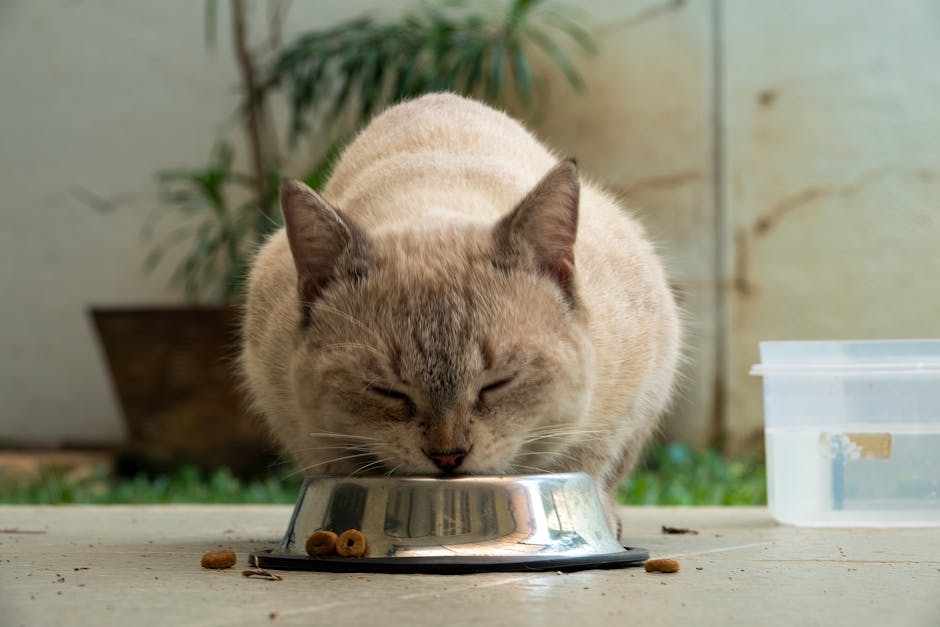
- Adult cats: often do well with 2–4 smaller meals, but not constant grazing unless your vet says it’s fine.
- Kittens: typically 3–4+ smaller meals for growth.
What I’ve learned the hard way: free-feeding isn’t “set it and forget it.” It’s more like “hope and wait.” If your pet snacks all day, it’s harder to notice weight gain early, and it’s harder for your vet to connect symptoms to food timing.
Set meal timing: pick consistency over perfection
Pick times you can repeat. For many people, this looks like:
- Breakfast: 7–8 am
- Dinner: 5–7 pm
Even if your exact times drift by 30–60 minutes, that’s okay. What matters is that you keep long gaps from happening daily.
For dogs prone to vomiting bile when they go too long without food, vets often recommend feeding earlier and/or adding a small mid-day meal. For cats with hairballs and litter box changes, steady smaller meals can help.
Split portions the right way (and why “same half” isn’t always best)
A common mistake is splitting food into exact halves, even when you give treats at the same time. If you feed a training session right after breakfast, you’re often adding extra calories that half doesn’t account for.
Try this instead:
- Decide your total daily food amount first (from label + vet guidance).
- Subtract daily treats and toppers from that total.
- Split the remaining food into meals.
If your pet gets treats during the morning, give a slightly smaller lunch/breakfast portion so the full day still adds up.
How to choose portions: calories, body condition, and real measurements
Portions are not “cups.” Portions are calories you can measure. Once you measure consistently, your pet’s weight and digestion usually become easier to manage.
Use body condition score (BCS) like a home check
BCS is a simple scale your vet uses. The idea is to check your pet’s ribs, waist, and belly shape.
Quick home check for many dogs and cats:
- You should feel ribs without heavy pressing.
- You should see a tuck (waist) when viewed from above (not always dramatic, but noticeable).
- There shouldn’t be a thick roll of belly over the sides.
If ribs are hard to feel, your portion is likely too big. If you see ribs clearly and your pet looks too thin, portions are probably too small.
Measure food in grams for the most accurate schedule
I’m going to say this plainly: cups vary. Even the same “scoop” can pack more or less depending on the kibble size and how you scoop. If you want fewer mistakes, use a kitchen scale.
Food scales are usually cheap and last forever. Here’s what I recommend as a practical setup:
- Use a digital gram scale.
- Weigh each meal portion into a small container.
- Keep a 2-week note of weight changes and stool quality.
In 2026, this is one of the fastest ways to make a schedule actually “vet-approved” at home.
Adjust portions step-by-step when weight changes
Don’t wait until your pet is “clearly bigger” to fix it. Small changes work better.
If your pet is gaining weight:
- Reduce daily food by about 5–10%.
- Keep the schedule and treat amounts the same.
- Recheck weight every 10–14 days.
If your pet is losing weight unintentionally:
- Increase daily food by about 5–10%.
- Check your pet’s appetite, stool, and energy.
- Call your vet sooner if weight drops quickly or stools are abnormal.
One limitation: if your pet has diabetes, kidney disease, pancreatitis, or a thyroid issue, you need a vet plan. Don’t adjust calories on your own in those cases.
Prevent common nutrition problems with timing, texture, and meal rules
A well planned vet-approved feeding schedule prevents problems before they start. The biggest wins usually come from meal timing, avoiding sudden changes, and keeping treats under control.
Vomiting or gagging after meals
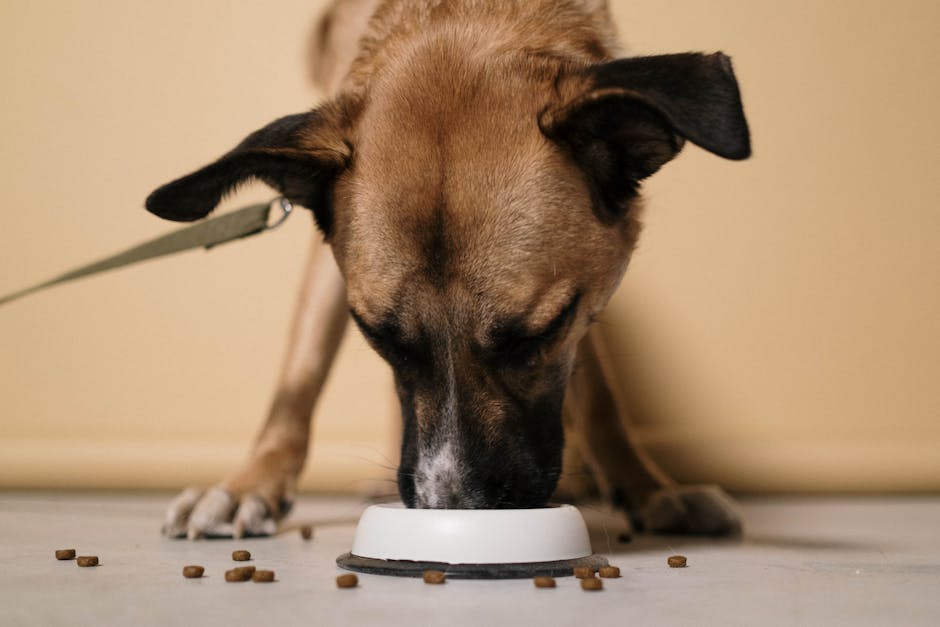
If your dog often vomits after eating, slow eating and portion timing can help. I’ve seen this improve when owners switch from a normal bowl to a slow feeder or add water right before the meal—then make sure the schedule stays consistent.
Try:
- Split into 3 smaller meals for a couple weeks (if your vet approves).
- Use a slow feeder bowl for gulpers.
- Avoid vigorous play right after eating. A 30–60 minute calm down helps.
If vomiting is frequent, there may be reflux, food intolerance, or something more serious. In that case, don’t just “change the food again.” Call your vet.
Diarrhea, soft stool, and gas
Most diarrhea from feeding is one of three things: too much food at once, a sudden food change, or food that doesn’t match the pet’s gut.
Common home fix that actually works:
- Stop changing foods for a full 2 weeks if your pet is stable.
- Feed measured portions at the same times.
- Make any new food switch slowly over 7–14 days.
For a gradual switch, I like to think of it like mixing paint. Start with a small amount of the new food and increase it every few days. If stool gets worse, slow down and go back to the last stable mix.
Weight gain that sneaks up over months
Weight gain usually comes from calories you don’t count: treats, toppers, and “leftovers.” A schedule won’t fix overeating if treats stay unlimited.
What most people get wrong: they treat treat amounts like they’re “tiny.” But a daily training treat pile adds up. If your dog gets 10 small treats a day, that’s often the equivalent of an extra snack meal.
Use this simple rule:
- Keep treats at about 10% of daily calories for most pets.
Then build the feeding schedule around the rest of the calories.
Constipation or very dry stool
Constipation is often linked to low water intake, too little fiber, or not enough food volume. If you feed dry kibble, check water access and consider discussing wet food or adding moisture.
Before making changes, ask your vet if there are signs of obstruction (vomiting, straining with no stool, pain). Those situations need quick care.
Skin itching and ear issues tied to diet
Food isn’t always the cause of itching. But when diet plays a role, the schedule matters because you need a clear “baseline” period for testing.
If your vet recommends a food trial, it usually means:
- No extra treats (including flavored chews)
- No table scraps
- Feeding the trial food at consistent times
In my experience, the fastest way to ruin a food trial is inconsistent feeding—especially toppers. Keep it strict so you can actually tell if the diet is working.
People Also Ask: quick answers about vet-approved feeding schedules
How many times a day should I feed my dog on a vet-approved schedule?
For many adult dogs, two meals a day is the most common vet-approved setup. Puppies usually need 3–4 meals, while some older dogs do well with smaller, more frequent meals.
If your dog has sensitive stomach issues, vets often recommend splitting meals into smaller portions to reduce nausea and gas. The right number depends on your pet’s age, activity, and health history.
Should I feed my cat at the same time every day?
Yes—cats do better with predictable timing. A vet-approved feeding schedule for cats usually means the same meal windows each day, even if you split into multiple small meals.
When cats eat at random times, it’s harder to spot patterns in vomiting, diarrhea, or litter box changes. Consistency also helps you track how much your cat is actually eating.
What portion size should I use if the food label seems confusing?
Use the label’s calorie guidance and confirm with your vet if your pet is overweight, underweight, or has a medical issue. The label is a starting point, but your pet’s body condition and activity level decide the final amount.
If you don’t want math, measure by grams on a scale. That removes a lot of “maybe it’s one cup” guessing.
How fast should I switch foods to prevent nutrition problems?
A slow switch is key. For most pets, transition over 7–14 days by mixing small amounts of the new food into the old food and increasing gradually.
If your pet has a very sensitive stomach, slow down further. If vomiting or diarrhea is severe, stop the switch and contact your vet.
Can treats affect my pet’s weight even if the schedule is correct?
Yes. Treats are food calories. If you keep the same daily meals but add extra treats, your pet will gain weight over time.
To keep it under control, choose treats based on size and count them like you count meals. That’s what makes a feeding schedule truly vet-approved.
Real-world examples: what I’ve seen work in the home
I’ve helped friends and neighbors tweak routines, and the “simple fixes” are usually the ones that sound too easy. Here are three scenarios that match what pet owners ask me about in 2026.
Example 1: The “morning gulper” dog
One dog in my circle ate so fast that he’d vomit a few minutes after breakfast. The owner moved from a regular bowl to a slow feeder and kept the same measured portion.
Within 10 days, vomiting dropped a lot. The schedule stayed the same, and the portion didn’t change. That told us the issue was speed and timing, not just food type.
Example 2: The “cat grazer” and sudden weight gain
A cat that had access to food all day started gaining weight. The owner thought it was “just being a cat.” The change was to switch from free feeding to scheduled meals, split into 3 smaller portions.
After 3–4 weeks, the cat’s weight stopped climbing and litter box issues improved. The key was consistency—meals at set times, not random snacks.
Example 3: Diarrhea right after a food change
A dog started loose stool the same week the owner switched foods quickly. Instead of switching again, the owner slowed the transition and kept meal sizes consistent.
Stool firmed up within about a week. The lesson was clear: don’t panic-change multiple things at once. Fix the schedule and change food slowly.
Tools and habits that make feeding schedules actually work
You don’t need fancy tech, but you do need consistency. A few tools make it easier to measure portions and stick to timing.
Helpful tools I recommend (and why)
- Digital kitchen scale: measures grams accurately so portions are repeatable.
- Slow feeder bowl: helps gulpers slow down and reduces vomiting risk.
- Measuring cups for wet food: if you use canned, weigh cans in grams for best accuracy.
- Simple food log: note times, portion grams, treats, and stool quality.
If you use autofeeders for cats or dogs, keep portions measured and follow the manufacturer’s setup. Don’t treat it as a substitute for good portion control.
Habits that prevent common nutrition problems
These are small rules that make a big difference:
- Keep treat types consistent during any food trial.
- Don’t feed right before long car rides if your pet gets motion sick.
- Store food properly. Old or rancid food can cause stomach upset.
- Check water. Dry food schedules fail when water intake is low.
If you want more on digestive health and what to watch for, our site’s Animal Health posts cover common symptoms and when it’s time to call the vet.
Vet-Approved Feeding Schedules: when to contact your vet
Feeding tweaks are great, but some signs mean you should talk to a vet right away. A schedule won’t treat infections, toxins, pancreatitis, or organ problems.
Call your vet if you see these red flags
- Vomiting repeatedly or vomiting blood
- Diarrhea lasting more than 24–48 hours
- Black/tarry stool or bright red blood in stool
- Straining to poop with no result
- Sudden weight loss, extreme thirst, or weakness
Also call if your pet is gaining weight despite measured food and controlled treats. Sometimes the issue is medical, not just portion size.
Quick comparison: two common feeding mistakes vs. better vet-approved habits
If you like checklists, this table is for you. It shows what I see most often, and what to do instead.
| Common mistake | What it causes | Better vet-approved habit |
|---|---|---|
| Changing food and portion sizes at the same time | Hard to figure out the real cause of diarrhea or vomiting | Keep one variable steady (timing or portion) and change one thing at a time |
| Free feeding without tracking weight | Slow weight gain and hidden over-calories | Schedule meals, measure portions, and weigh regularly |
| “Just a few treats” daily | Weight gain and sometimes loose stool | Limit treats to about 10% of daily calories and log treat counts |
| Feeding right before intense play | More nausea or reflux | Feed, then allow 30–60 minutes of calm |
Conclusion: Your next step to a better vet-approved feeding schedule
If you only do one thing after reading this, do this: measure portions and keep the timing consistent for 14 days. That’s long enough to see patterns in stool, energy, and weight—without changing too many things at once.
Start with a simple 2-meal plan for most adult pets (or the number your vet recommends), split your measured daily calories, and count treats like real food. If problems keep happening, don’t keep guessing. Use your log to talk to your vet with clear details.
Want to make the routine easier? Pair feeding consistency with training and calm handling. Our Pet Training posts include ways to reward good behavior without turning treats into an accidental meal plan.
That’s the heart of vet-approved feeding schedules: steady food, measured portions, and smart timing—done in a way you can actually maintain.