

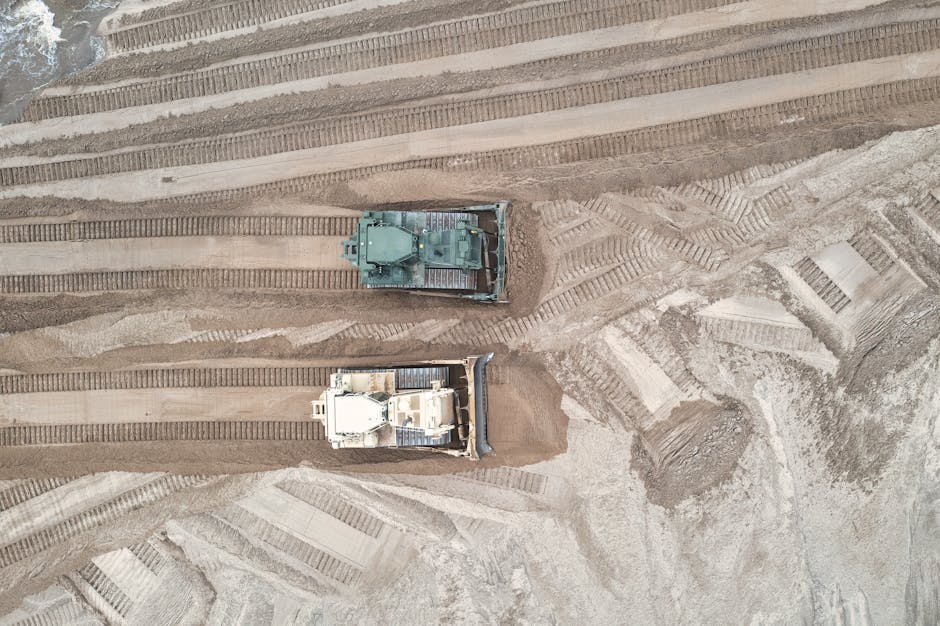
One of the fastest ways to upset a pet-friendly yard is to “just fix the ground” without thinking about drainage, digging rules, and safety. I learned that the hard way after helping a friend rework their yard slope—then watching their dog refuse to step on part of the new area for days.
Choosing the right yard project (leveling, grading, or trenching) is really about two things: making the ground do what you need, and keeping your pets safe while work is happening. If you pick the wrong job, you can end up with puddles, muddy paths, and digging leftovers that your pet shouldn’t be near.
Quick answer: Leveling is for smoothing low spots and making the surface even. Grading is for setting the slope so water runs where you want. Trenching is for digging narrow lines for pipes, wiring, or drainage—then covering them safely. And each one changes how you need to protect pets.
Leveling vs grading vs trenching: pick the right yard project for the problem
This is the part most homeowners rush, and it’s also where the biggest mistakes happen. Leveling, grading, and trenching are related, but they aren’t the same job.
Leveling is adjusting the yard surface to be flatter. It’s common when a lawn mower keeps catching a dip or when the ground feels “wavy” after previous work. It’s also a common fix for uneven stepping stones.
Grading is shaping the slope so water moves off your home, driveway, or play area. Grading refers to the overall tilt of the yard, not just a small patch. A yard that’s not graded well can turn into a daily mud zone.
Trenching is digging long, narrow channels. Trenches are used for things like irrigation lines, electrical conduits, downspout drains, or a French drain. This is the part that can create sharp edges, buried wires, and “hidden” hazards for pets.
If you tell a contractor “I need grading” when you really need leveling, you pay for extra work. If you tell them “leveling” when the issue is drainage, you can still get puddles and soggy paws.
When you need leveling: uneven ground, low spots, and safer footing for pets
Leveling is best when your main problem is uneven ground, not water direction. If the surface feels bumpy or low in one area, leveling helps pets walk and run more comfortably.
Signs leveling is the right yard project
- You have visible dips where water pools briefly after rain.
- Your lawn looks patchy because the soil sinks and roots struggle.
- Your pet’s favorite spot turns muddy even in light rain.
- Walkways or patio edges look uneven because the base shifted.
How leveling affects dogs, cats, and backyard routines
Leveling often involves bringing in soil or base material and then compacting it (pressing it down so it doesn’t sink later). During the work, dust and small rocks can show up, so I recommend you keep pets indoors or in a safe area away from the yard.
After leveling, the soil needs time to “settle.” If you let a digging dog run on it right away, you can get rutting that ruins the surface. Even calm pets can stir up loose fill, especially after they get excited and zoom.
My rule of thumb: give the yard at least 2–3 weeks to stabilize before you let pets use the area like normal. If the project was big, I’d stretch it to 4–6 weeks.
What most people get wrong with leveling
- They don’t ask how it will be compacted. Loose fill looks nice at first and then sinks.
- They only fix the surface. If the low spot is caused by buried debris or broken drainage, you may need trenching too.
- They rush pets back in. Even if it looks done, the ground can still move under paws.
When you need grading: drainage control so paws stay clean
Grading is the right choice when your real enemy is water. If you’re dealing with recurring puddles, slick mud, or wet areas that smell like “stuck water,” grading usually solves the root cause.
Common drainage problems grading fixes
- Water runs toward the house after storms.
- Rain creates a lasting muddy patch in one corner.
- Your yard turns into a slip zone right after watering.
- Downspouts spill onto bare ground and carve channels.
Grading basics explained in plain English
Grading refers to how the yard slopes as a whole. A good grade makes water move away at a steady pace, not all at once.
Most yards aim for roughly 1 inch of drop per 4 feet (that’s a common guideline). Your exact target depends on soil type and local rules, and I’m not saying every yard needs the same number. But if your surface has no slope, water will find its own path, and pets will pay for it every time they walk through.
Pet impact: mud, smell, and skin irritation
When grading is off, pets get stuck walking in wet soil. That leads to muddy paws, and it can also cause irritation, especially for dogs with sensitive skin or short fur on their legs.
After grading, plan for a “transition period.” You may see runoff change direction and wash away small debris. Keep pets out of the area until the ground is stable and any sod or seed is growing well (usually 3–8 weeks depending on grass type and weather).
A pet-safe grading move I like
Instead of asking for a single magic slope, ask for a plan that includes a clear path for water—like toward a lawn drain, swale, or properly set drainage outlet. I’ve seen too many yards “almost” fixed, but the water ends up in the dog’s favorite shade spot.
If you’re also thinking about adding irrigation, this matters even more, because you don’t want sprinklers fighting your new drainage.
When you need trenching: hidden utilities, drainage lines, and real safety rules
Trenching is the right choice when you need lines buried underground: pipes, wiring, irrigation, or drainage. This is also the yard project with the most “hidden danger” for pets because the hazards are underground.
Trenching projects that show up in real homes
- Running electrical conduit for a backyard light string or security system.
- Installing irrigation lines or sprinkler laterals.
- Adding a French drain or trench drain to stop basement seepage.
- Reworking downspout extensions so runoff goes away from the foundation.
- Setting water lines for garden beds or raised planters.
Trenching safety: what pets are most at risk from
During trenching, pets can get hurt by open trenches, sharp rocks, or equipment access. After work, the risks shift to loose backfill, exposed edges, and buried materials that aren’t meant to be chewed or dug up.
If you have a puppy or a curious cat, you already know they’ll investigate anything new. I strongly recommend temporary fencing and a “no-access” zone that’s wider than you think.
Also, never assume a closed trench is safe. A trench cover can shift, especially if it was backfilled recently or not compacted well.
How to protect pets during and after trenching
- Plan a quarantine zone. Keep pets inside or in a controlled area until the contractor is finished and the ground is stabilized.
- Block diggable areas. If you can, lay down a physical barrier (like temporary fencing). For dogs that jump fences, use a yard pen or indoor setup.
- Clean up fast. Small rocks, wire ties, and cable pieces are easy to swallow or step on.
- Watch chewing behavior. If a pet starts chewing in a trench area, stop them immediately and call your vet if there’s any chance of ingestion.
- Confirm backfill compaction. Ask how the soil will be compacted in lifts (layers). Good compaction reduces sinking and helps prevent trench “collapse.”
One real-world clue: if the area looks “bumpy” after trenching but feels solid underfoot, that’s usually a sign the contractor compacted well. If it feels soft or spongy, you should keep pets off it longer.
Costs, timeframes, and what you should ask before work starts
This is where you save money and reduce pet risk: ask the right questions before anyone starts digging. Yard projects vary by soil, yard size, access, and the materials you’re using.
Typical time expectations (realistic ranges)
- Small leveling patch: often 1–2 days of work time, plus settling time for soil.
- Whole-yard grading: commonly 2–5 days depending on grading complexity and cleanup.
- Trenching for a line or drain: can be 1–3 days for digging and setup, then additional time for backfill and compaction.
Costs swing a lot. Instead of guessing a number, ask for a written scope: how many areas will be cut or filled, what material will be used, and how they’ll restore the lawn or landscaping.
Questions that matter for pet owners
- What’s the plan to keep the work area secured from pets?
- How will you prevent mud tracking into the house (tarps, mats, cleanup steps)?
- What is the soil material and how will it be compacted?
- When is it safe for pets to re-enter?
- Will you mark lines and follow utility locating rules before digging?
I also ask about debris cleanup like rocks and cable ties. It sounds small, but it’s usually what pets find first.
Comparison table: which project should you choose?
Use this quick guide to match the yard problem to the right project. When you match correctly, you reduce rework and keep your pets away from hazards for less time.
| Yard problem | Best fit | Pet impact during work | Pet impact after work |
|---|---|---|---|
| Low spots and uneven walking areas | Leveling | Dust, small rocks, vehicle access | Ground settling; avoid paw-rutting for weeks |
| Recurring puddles and water flowing the wrong way | Grading | Mud tracking risk | Stabilize new slope; keep paws clean until lawn establishes |
| Need buried pipes/wires/drain lines | Trenching | Open trenches, sharp objects | Hidden hazards; keep off until fully backfilled and compacted |
Here’s my opinionated take: if your yard issue includes both poor drainage and a sinking area, you’ll often need a combined plan. Leveling can fix surface unevenness, but grading and trenching may be the real fix for water.
Where equipment choice matters (and why “small” can still be risky)
One thing people miss is that the equipment used can change how messy and how long the yard stays unsafe. Bigger jobs often use heavy machinery, which means more time with access points and more dust.
For larger properties, a compacted base and controlled grading matter. In real projects around Vilnius and nearby areas, contractors often use strong earthmoving tools to move and shape soil efficiently. If you’re working with a team, ask how they’ll reach your yard without driving over areas you want to keep.
If you need help with earthwork types like leveling, digging, or moving soil, you can explore services like bobcat nuoma. For pet owners, the helpful part isn’t just speed—it’s that the right machine can reduce the number of repeat passes across your yard, which lowers dust and track marks pets bring indoors.
People Also Ask: quick answers for anxious pet owners
How long should I keep my pets off the yard after leveling or grading?
Keep pets off the work area until the soil is stable and any landscaping is established enough that it won’t shift under paws. For smaller leveling or grading jobs, I usually aim for 2–3 weeks. For bigger jobs, plan on 4–6 weeks, especially if the ground was heavily reworked.
If the contractor used seed or sod, wait until you see strong growth and the surface feels firm when you step on it. If it feels soft or you leave footprints, it’s not ready.
Is trenching safe for pets once the contractor leaves?
It can be safe, but only if the trench is fully backfilled and compacted and the area is clean. “Closed” doesn’t always mean “stable.” Before letting a dog or cat back in, walk the area yourself carefully and look for soft spots.
Also, check for loose rocks, cable ends, and sharp edges. Trenching creates more sharp debris than most people expect, and pets find it fast.
What should I do on the day of digging so my dog doesn’t escape or get hurt?
Plan the day like it’s an emergency setup for safety, because curious pets treat construction as a new adventure. I suggest you bring pets inside or into a sealed area with fresh water. Don’t rely on “They’ll be fine in the yard while I watch” because yard work tends to surprise pets.
Use temporary fencing and keep gates closed. If you can, put a baby gate between doors and keep them away from the back window where they’ll bark at equipment.
Can pets mess up a graded yard and cause it to fail?
Yes, pets can mess it up—especially during the early settling phase. A dog that runs hard, digs, or slides will create ruts that change where water flows. That can undo the drainage fix you paid for.
Once the surface is stable and the grass or ground cover has rooted, the risk drops a lot.
Do I need leveling, grading, or trenching for a wet lawn?
A wet lawn usually needs grading for drainage, but it can also involve trenching if there’s a hidden water problem. If water sits in one spot, check whether it’s a low area (leveling) or water moving from up-slope (grading). If water seems to come from below, or the area has a history of pooling, trenching for drainage lines may be the real fix.
My pet-owner advice: before any work, observe where water goes after rain. Take a quick video walking the yard with your phone so you can explain the flow direction to a contractor.
Step-by-step: decide which yard project you need (and protect pets at the same time)
You can’t always know the right job just by eyeballing it. Here’s a step-by-step method I use to make the decision faster and safer.
- Watch after rain. Note where water forms, where it runs, and where it disappears.
- Mark the lowest points. Use small flags or visible markers. Don’t dig to test unless you’re sure it’s safe.
- Check for “sink” signs. If the yard feels soft or your lawn has repeated thin spots, leveling may be needed to fix surface and compaction.
- Look for evidence of hidden issues. If you suspect irrigation leaks, old downspout drains, or utility problems, trenching may be involved.
- Measure slope direction. Even a simple string line and level can tell you if the ground trends toward your home or toward a drain.
- Ask contractors for a scope, not a guess. You want a clear plan: what gets moved, where it goes, and how it’s compacted.
- Plan pet safety before anyone starts. Temporary fencing, inside time, and cleanup rules should be written down.
If you want more pet care tips that fit with home projects, you might also like our guides in Pet Care and our training-friendly approach to handling stress during change (which is a big deal when strangers and machines show up).
Pair yard work with pet training: reduce stress before it becomes a problem
Construction days are intense. Even well-behaved pets can become nervous, jumpy, or extra curious.
One approach I’ve seen work well is giving pets a “job” during yard disruptions—like settling on a mat in a quiet room. Pair that with treats and a consistent cue like “place.” This helps them stay calm when doors open and noise starts.
Then, for the return to the yard, keep it structured. Do short leash walks first, then gradually increase access once the ground is stable.
If you want more details on helping pets stay steady through changes, check the training content in Pet Training for routines you can repeat every time your home gets noisy.
Final takeaway: choose the right yard project so water and pets both stay safe
The right yard project changes more than the look of your yard. Leveling fixes uneven footing. Grading fixes where water goes. Trenching fixes buried lines and drainage paths—but creates the biggest “hidden hazard” risk.
My actionable recommendation for 2026: figure out what problem you’re solving by watching water flow after rain, then match it to the right job. Build a pet safety plan (fencing or indoor time, strict cleanup, and a wait period for soil to stabilize). When you do that, your yard work goes smoother, and your pets don’t have to pay the price.
Featured image alt text: Choosing the right yard project for leveling grading trenching while keeping pets safe in 2026