

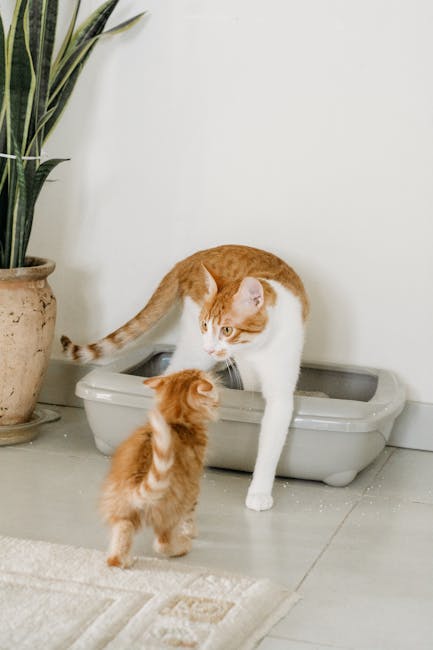
I’ll never forget the first time I switched litters and my cat acted like I’d changed the whole bathroom in one night. The truth is, different cat litters don’t just change smell and mess—they change how easy it is to scoop, how well dust stays down, and what kind of tracking you’ll find all over your floors.
So if you’re asking which cat litter works best, here’s the direct answer: clumping litter usually wins for most households because it controls odor fast and makes cleanup simple. But the “best” option changes based on your cat’s habits, your sensitivities (dust/allergies), and whether you want natural products.
Below is a showdown of clay, clumping, silica, and natural cat litters—plus how to pick the right one for your home in 2026.
Quick pick: Which type of cat litter works best for most homes?
If you want the best mix of odor control and easy cleanup, clumping clay litter (often bentonite) is the most common winner. It forms tight clumps when your cat pees, so you can scoop daily and keep the rest of the box cleaner.
For some cats, though, clumping isn’t the best match. If your cat is dusty-sensitive, has breathing issues, or you prefer a lower-dust option, a silica gel litter or a natural litter (wood, paper, corn, wheat) can be a better fit.
One more thing people miss: the “best litter” isn’t just the type—it’s the size of the grains, the box setup, and whether you scoop often enough.
Clay litter vs clumping clay: what’s the real difference?
Clay litter is about what it absorbs and how it handles liquid—clumping clay adds a second job: forming clumps you can remove. That’s why clumping usually feels easier day to day.
Traditional clay litter: absorb and replace more often
Traditional clay is typically non-clumping. It absorbs moisture like a sponge, but it doesn’t form neat clumps. That means you often need to do more frequent full cleanouts or deeper changes to keep odor down.
Best for: cats that hate texture changes (you can match what they’re used to) and homes where you don’t mind scooping plus more frequent litter replacement.
Common downside: odor control can lag if you don’t do quick scoops and regular full changes.
Clumping clay litter: scoop the mess, keep the rest cleaner
Clumping litter is still clay-based for many popular brands, but it’s designed to form clumps when wet. In everyday terms: you scoop out the wet part instead of mixing it through the whole box.
Best for: most cats and most homes, especially if you scoop once or twice a day.
What most people get wrong: they think clumping means “set it and forget it.” If you let wet spots sit, smell still builds, and your box turns into a damp mess underneath.
Silica litter: strong odor control with a different cleanup style
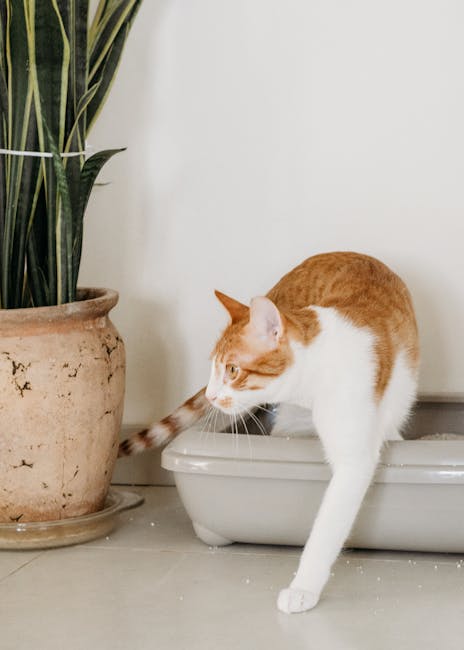
Silica cat litter (usually gel beads) controls smell by soaking up moisture and locking away odors. It often needs less frequent changing, but you still have to manage it the right way.
How silica gel works (simple explanation)
Silica litter uses tiny beads that absorb moisture. When the beads get wet, they can change color if your litter has color indicators. That color shift is your cue that the litter needs attention.
Best for: multi-cat homes where odor can creep in fast, people who want fewer full box changes, and cats that are okay with bead-like textures.
Common downside: some cats track it more because it’s light and can stick to paws. If you see beads all over your hallway, add a litter mat right away.
My real-world tip: use silica with a liner-free box
I learned this the hard way. The first time I used silica gel with a liner, the beads shifted and I couldn’t scoop consistently. Since then, I use silica in a clean, liner-free tray with a litter depth of about 1 to 2 inches. That depth helps you see what’s wet and what’s still working.
If you switch to silica in 2026, check the instructions on your exact brand. Some recommend different depths and replacement schedules.
Natural litters: wood, paper, corn, wheat—what “natural” really means
Natural cat litter is made from materials like wood, paper, corn, wheat, or even coconut husk. In plain terms, it’s not the same product chemistry as clay or silica, so you should expect different clumping and odor behavior.
Natural doesn’t automatically mean low-odor or low-dust
This is the part I want to be very clear about. “Natural” doesn’t mean it never smells or that it’s always dust-free. Some natural litters are low-dust, but others shed small particles, especially when they’re dry or when the box is overfilled.
Best for: people who want fewer chemical smells and prefer plant-based or recycled materials.
Common downside: clumping may be weaker than clay. Some natural litters don’t make tight clumps, so you may need to scoop more often or do more frequent top-offs.
Wood and paper litters: great for some cats, “dry” smell needs attention
Wood pellet and paper-based options tend to work well for odor when your cleanup routine is steady. If you scoop less than daily, you’ll notice smells more quickly than with strong clumping clay.
When using paper litter, I like it for cats with sensitive paws because the texture can be softer. Still, paper can track if it’s not fully settled.
Corn and wheat litters: watch for clumping strength
Corn and wheat-based litters often clump, but the clumps may break down faster if the litter is too deep or if your scoop goes too rough. If you switch, start with a careful scooping style for the first week.
Quick math: if your box usually needs a full change every 2–3 weeks with clay, you may end up closer to 1–2 weeks with some natural litters. It depends on your cat’s urine volume and how much you scoop.
Comparison table: clay vs clumping vs silica vs natural
Here’s a side-by-side view to make the choice easier. These are general patterns based on common household use—not guarantees, because every cat is different.
| Litter type | Odor control | Clumps for easy scooping? | Dust level | Tracking risk | Typical best fit |
|---|---|---|---|---|---|
| Traditional clay (non-clumping) | Good if scooped fast; drops if left | No | Often higher | Moderate | Cats adjusting to litter changes |
| Clumping clay | Very good with daily scoops | Yes | Varies by brand; many still dusty | Moderate | Most homes |
| Silica gel | Excellent | Not like clay clumps | Low dust | Can be higher if it sticks on paws | Odor control + fewer full changes |
| Natural (wood/paper/corn/wheat) | Good with frequent scooping | Varies (some clump) | Varies a lot | Varies | Plant-based preferences |
How to choose the right litter in 5 steps (no guessing)
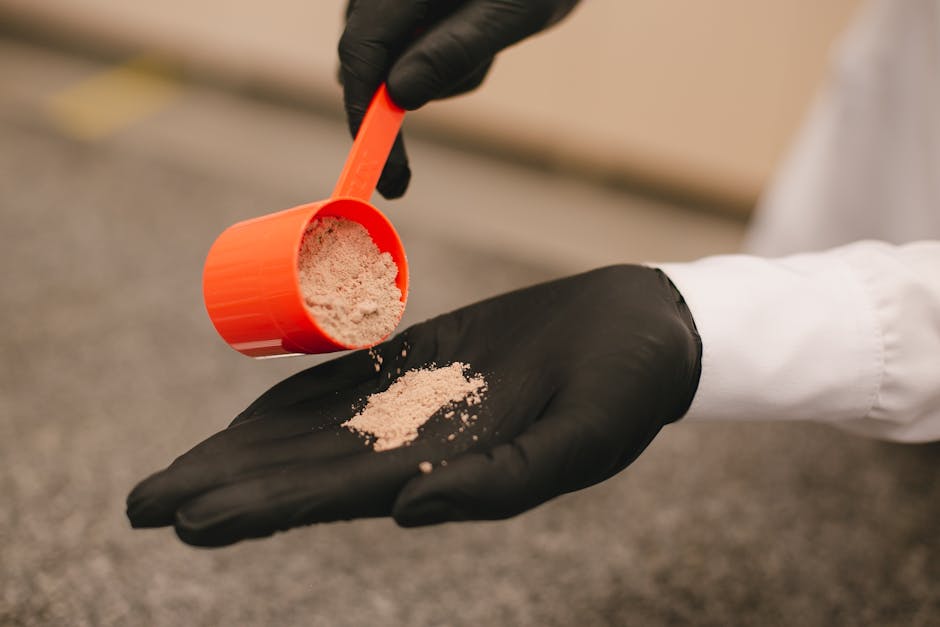
If you want a litter you’ll actually stick with, use this checklist. It takes 10 minutes, and it beats buying five bags just to experiment.
- Think about your cat’s comfort. If your cat paws like they’re digging for treasure, a softer texture (some natural options) can reduce box hesitation. If they already love what you have, switch gradually.
- Check dust and breathing. If you notice sneezing, watery eyes, or coughing (in your cat or yourself), choose low-dust options and avoid over-scooping.
- Pick your cleanup style. If you can scoop daily, clumping options make life easier. If your schedule is busy, silica or certain natural options may help with slower odor buildup.
- Plan for tracking. Put a litter mat outside the box and choose a litter size that matches your cat’s paw habits.
- Match the box depth. For most litters, about 2 inches is a good starting point. Too shallow reduces odor control, too deep increases mess and waste.
People Also Ask: clay vs clumping vs silica vs natural
Is clumping cat litter better than non-clumping?
For most people, yes. Clumping cat litter usually gives stronger odor control because you remove the wet part instead of letting urine soak throughout the box. If you scoop daily, it’s the simplest system.
But if your cat is sensitive to texture or you’re switching from a non-clumping litter your cat loves, go slow. Try mixing old and new litter for 7–10 days.
Is silica cat litter safe for cats?
Silica litter is generally safe when you use it as directed and your cat doesn’t eat the beads. The main risk isn’t “poisoning” in normal use—it’s irritation if a cat ingests litter heavily or has breathing sensitivity from dust (though silica usually has low dust).
If you see your cat chewing the litter or you have a kitten, talk to your vet before changing. Kittens are more likely to mouth items.
What’s the best natural cat litter for odor control?
There isn’t one perfect “best” for everyone, but corn, wheat, and some clumping wood litters often do well in real homes when scooped daily. If you want odor control with natural materials, the routine matters more than people think.
A helpful rule: if your natural litter doesn’t clump well, treat it like a non-clumping litter—scoop more often and plan a full change on schedule.
Which cat litter has the least dust?
Silica gel often has the least dust, especially compared to traditional clay. Many low-dust clumping clays exist too, but “low dust” varies by brand, and scooping can kick up particles.
Try this: scoop gently, don’t crush clumps aggressively, and keep the litter area ventilated.
Health and home tips: dust, odor, and litter box hygiene (2026 best practice)
Litter type matters, but hygiene is what keeps your cat healthy. In my experience, the quickest way to fix smell isn’t buying a new bag—it’s improving cleanup.
Daily scooping schedule that actually works
For one cat, scoop at least once a day. For two cats, scoop twice a day is the difference between “fine” and “why does it smell like a litter room?”
When you scoop, empty only what needs removing, then top up with fresh litter to keep an even layer.
Full litter changes: a simple timeline
As a starting point: plan a full box refresh every 2–4 weeks depending on litter type, box size, and how fast smell builds. If you use silica, you may go longer between full changes, but you still need periodic cleaning.
Wash the box with warm water and a mild, pet-safe cleaner. Avoid strong scented cleaners. Cats are very sensitive to smell changes.
When litter matters for medical issues
If your cat has urinary problems, kidney disease, or recurring UTIs, litter choice doesn’t replace vet care. But some cats react badly to dust, strong fragrances, or certain textures.
If you want to go deeper on pet health habits, our post on litter and urinary triggers covers what to watch for and when to call your vet.
What I’d do if my cat refuses a new litter
This is a common situation, and it’s not always about “preference.” Sometimes the new litter is too different, or the box depth changes too quickly.
Here’s what worked for me the last time one of my cats started digging next to the box: I stopped changing everything at once. I mixed the old litter and new litter in a ratio that favored what they were used to—starting at about 75% old for days 1–3, then 50/50 for days 4–6, then 25% old for days 7–9.
If your cat still won’t use the box after 10–14 days, don’t keep forcing it. Go back to the last litter they used comfortably and talk to your vet if there’s also squatting, straining, or crying.
Budget reality: which litter saves money long-term?
Cheap litter can turn expensive if it forces frequent full changes or if you end up buying a bunch of extras because of tracking and odor.
In 2026, I think the best “value” calculation is this: cost per bag divided by how many days your box stays clean enough that you actually stick with it.
A practical example
Let’s say bag A (clumping clay) costs $20 and lasts 3 weeks for you. That’s about $0.95 per day. Bag B (natural) costs $22 but lasts 1.5 weeks because it needs more frequent replacement. That’s about $1.03 per day.
The difference is small on paper, but natural may still be worth it if you’re using it for dust sensitivity or personal preference. Just don’t assume natural is always cheaper.
Related home and pet topics to pair with your litter choice
Your litter setup affects smell and behavior, so it helps to think bigger than just the bag. If you’re working on overall pet routines, you may like these:
- Litter box habits and how to retrain after accidents
- Scent control tips for pet-safe homes
These connect to pet training and pet care the same way litter does: consistency beats perfection.
My honest take: the “best” litter depends on your biggest pain point
Here’s how I decide at my house, and why I don’t always pick the same type. If the biggest problem is odor, I lean toward clumping clay or silica gel. If the biggest problem is dust, silica or certain low-dust clays win.
If your biggest problem is that you want natural materials, you can still get great results. Just be ready for a different routine and don’t expect the same clumping strength as clay unless your natural litter clearly says it clumps well.
One original insight I swear by: buy based on “scoop success,” not just label claims. For each litter type, imagine yourself scooping every day. If you can picture it clumping cleanly (clay), showing wetness clearly (silica), or breaking down gently (natural), you’re more likely to keep using it and keep the box clean.
Conclusion: Choose clumping for easy wins, then adjust for dust and preferences
If you want the most reliable day-to-day experience, clumping clay litter is usually the best balance of odor control and easy scooping. If you hate dust or you want strong smell control with fewer full cleanouts, silica gel is a smart option. If you prefer a more natural material, choose wood/paper/corn/wheat and commit to a steady scooping routine so odor doesn’t build up.
Actionable takeaway for today: pick your top priority (odor, dust, natural materials), choose the litter type that matches it, and switch gradually over 7–10 days. Your cat will thank you, and your floors will too.
Featured image alt text suggestion: Cat litter showdown with clumping clay, silica gel, and natural litter types in a litter box