

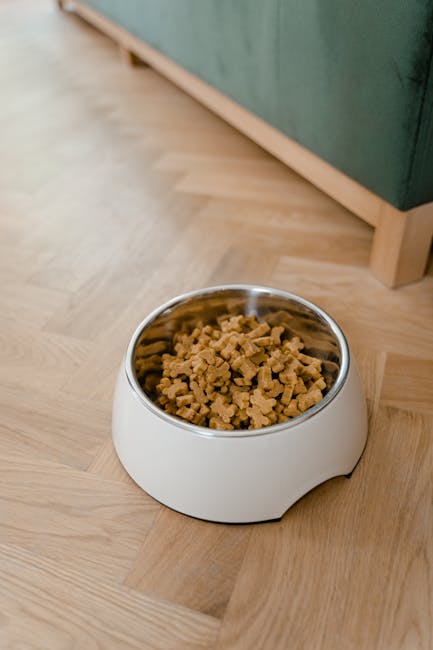
I once watched a friend’s dog eat so fast from a deep plastic bowl that it swallowed air with every bite. The next day the dog had stomach upset and “muddy” poop. That wasn’t an unusual training problem—it was the setup. The right pet bowl setup can help with digestion, comfort, and even how clean your home stays.
Quick answer: Choose a bowl made from a safe, easy-to-clean material (stainless steel is the safest default), use a height that keeps the dog’s neck neutral (or cat’s natural head angle), clean on a tight schedule, and prevent food from sitting in dirty water. Those steps cut down on mess, bacteria growth, and swallow-the-wrong-way gulping.
Why a “small” pet bowl setup changes digestion and comfort
A bowl is more than a container. It changes your pet’s head position, chewing speed, how much air they swallow, and how quickly bacteria build up after meals. When these things are off, you’ll see it in gas, vomiting, picky eating, and sometimes even sore gums.
As of 2026, many vets and vet techs still recommend the same basics: safe materials, correct bowl height, and consistent hygiene. The difference today is that more people use elevated feeders and dishwasher-safe products, so cleaning is easier—and that helps a lot.
Material choice: what’s safest, what stains, and what to avoid
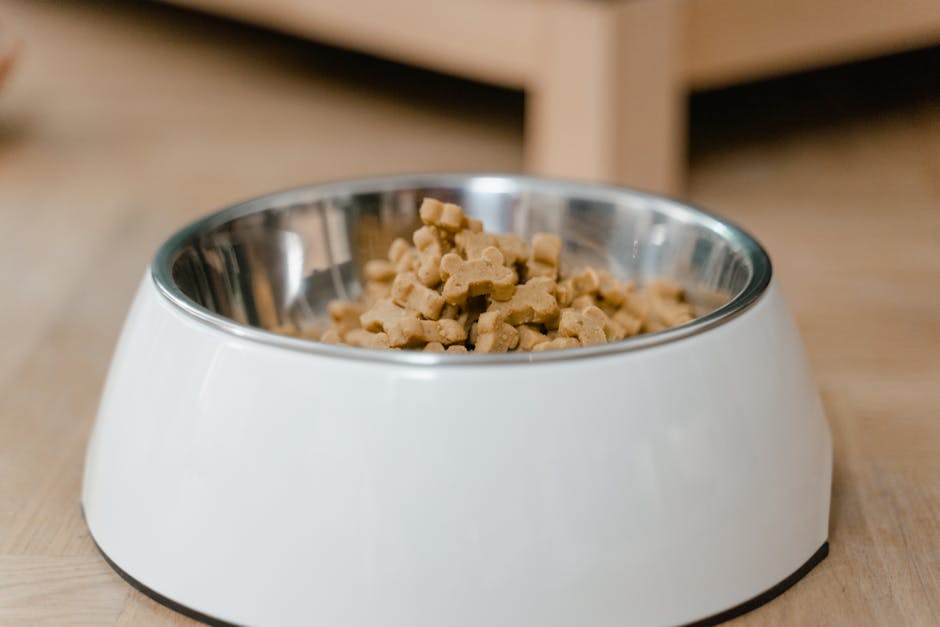
Material matters because it affects odor, scratch marks, and how bacteria behave. Once a bowl gets scratched, food oils and germs can hang out in those tiny grooves.
Stainless steel bowls: the best default for most pets
Stainless steel is my go-to recommendation for a reason. It’s usually non-porous, holds up well to daily cleaning, and doesn’t smell like old food. If you’re shopping, look for food-grade stainless steel and a bowl that’s thick enough to resist dents.
- Best for: Dogs and cats who eat with less mess (and anyone who wants easy hygiene).
- Pros: Easy to sanitize, won’t chip like ceramic, less likely to keep odors.
- Cons: Can be loud on the floor, unless you add a rubber mat.
Ceramic bowls: great look, but watch for chips and micro-cracks
Ceramic can be a nice upgrade because it often feels sturdy and looks good in your kitchen. The catch is damage. If it has a chip or hairline crack, bacteria can collect there.
- Best for: Pets that don’t bowl-toss their food.
- Pros: Usually dishwasher-safe if labeled as such.
- Cons: Check it often for cracks; replace if you find any.
Plastic bowls: cheap, but the most common “hidden hygiene” issue
Plastic can be okay in a pinch, but it’s also the most likely to get scratched from regular use. Those scratches trap smell and bacteria, even if you wash it.
- Best for: Short-term use only, travel, or temporary setups.
- Pros: Light and inexpensive.
- Cons: Stains, odors, and scratches happen fast.
Glass bowls: smooth and easy to wipe, but be careful with breakage
Glass is smooth, looks clean, and wipes easily. If you have a heavy paw at mealtimes, though, glass can crack if dropped.
In real homes, I see glass work best when it’s used with a stable base and placed on a non-slip mat. If your pet pushes bowls around, skip it.
What most people get wrong about bowl material
Most people think dish soap is enough forever. It isn’t. If you have a scratched bowl, washing just spreads grime around. Replace plastic bowls when they get cloudy, stained, or scratched, and replace chipped ceramic.
Bowl height and posture: the part that affects swallowing and digestion most
Height is where people usually lose the most points. A bowl that’s too low can make a dog twist its neck and gulp. A bowl that’s too high can change swallowing mechanics too.
Here’s a simple definition: Neutral neck posture means your pet’s head isn’t forced way up or down. It should look comfortable, not stretched.
Dogs: how to choose an easy height that supports digestion benefits
I use a quick home check. Watch your dog eat from its current bowl. If it’s stretching way down for every bite, that’s a sign the bowl is too low. If its neck is cranked high and the shoulders look tense, it’s too high.
A practical target: the bowl should be roughly at the dog’s elbow height or just slightly below for many dogs. For some breeds with short legs, you may need a lower stand. For long-necked breeds, you may need less elevation.
- For small dogs: Many do well with a stand height of about 2–6 inches, depending on the dog and bowl size.
- For medium dogs: Often 6–10 inches is a good starting point.
- For large dogs: Many start around 10–16 inches.
Don’t treat these like exact measurements. Use them as first guesses, then adjust based on comfort and how the dog chews.
Cats: don’t overdo elevation
Cats often prefer low, stable bowls. Many cats do fine with the food on the floor, especially if they’re not eating fast. If you raise a cat bowl too much, you may notice less interest or awkward head angles.
For cats with arthritis or after injury, a gentle height helps. A small platform under the bowl is usually enough—think “slightly easier to reach,” not “up on a shelf.”
Slower eating tools work better with the right height
For fast eaters, a slow-feeder insert can help. But the insert alone doesn’t fix everything. If your dog is also gulping due to awkward posture, you’ll still see digestion problems.
In 2026, I’m seeing a lot of households using a stainless steel bowl plus a removable slow-feeder insert that they can deep-clean. Brands like west paw bowl aren’t the issue—the cleanability is. Choose inserts that you can scrub well.
Hygiene routine: how to prevent bacteria, slime, and “mystery” stomach issues
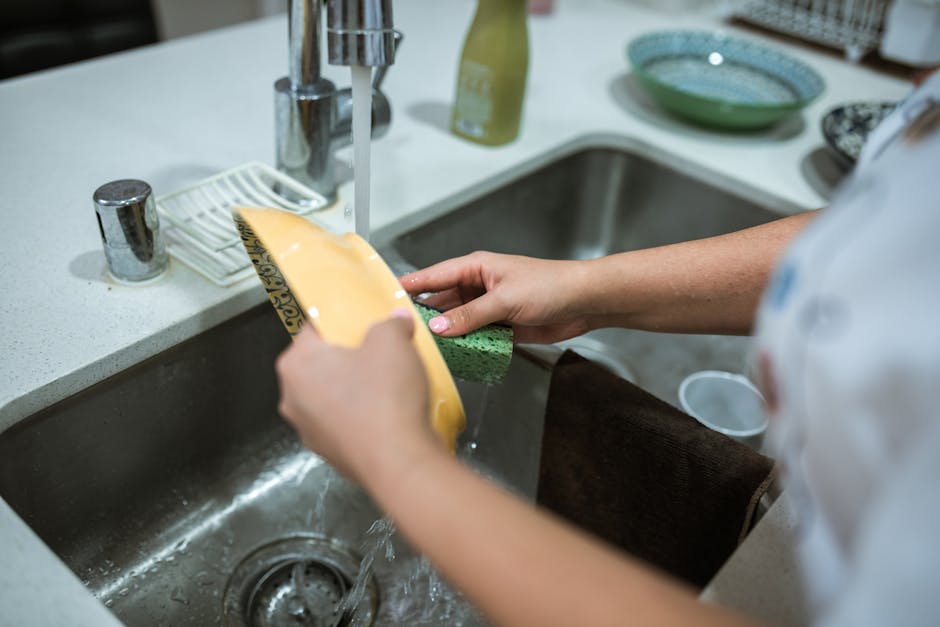
Hygiene is where pet owners get the biggest payoff. Bad bowls can build up biofilm, which is a thin layer of germs that doesn’t wash away easily when it’s left too long.
Use a simple daily schedule (that actually fits real life)
I tell people to aim for consistency over perfection. Here’s a routine that works for most homes:
- Water: Empty and refill at least once a day (twice a day if your pet drinks a lot or the room is warm).
- Food bowl: Wash after each meal, especially if you leave food out.
- Once per week: Do a deeper scrub with hot water and dish soap, then sanitize if your bowl is dishwasher-safe.
- Dry fully: Air-dry upside down so water doesn’t sit in the bowl.
Dishwasher vs. handwashing: what I recommend in 2026
Dishwasher cleaning is great for stainless steel, if the bowl is labeled dishwasher-safe. For ceramic and some plastics, always check the care label. Handwashing works too, but you have to scrub the rim and bottom where oils collect.
One small habit that helps: use a separate sponge or brush for pet bowls only. People who share kitchen sponges tend to spread food grease into the pet bowl.
Signs your bowl setup needs an immediate upgrade
If you see any of these, don’t wait until “next week”:
- Food smell that returns within a day, even after washing
- Cloudy or scratched plastic
- Visible slime ring around the bowl
- Pets acting nauseous after eating, with no other changes
If your pet has ongoing vomiting or diarrhea, you should also contact your vet. Bowl hygiene fixes a lot, but it can’t solve every medical issue.
Digestion benefits: how posture, speed, and clean water add up
Digestion is a chain. If the chain breaks—posture, gulping, dirty water—your pet feels it.
Support slower eating to reduce gulping and air swallowing
When dogs eat too fast, they swallow air along with food. That can lead to bloating, gas, and messy stools. A slow-feeder bowl or a textured insert helps them chew more.
From my own experience coaching training and routine changes, the best results come from doing height and speed at the same time. You can’t fix “gulping” with a slow-feeder if the dog is stretching awkwardly to reach the bowl.
Better hydration supports digestion, not just “thirst”
Clean water helps your pet drink more evenly. Dehydration can make stools harder and upset digestion. That’s why a dirty water bowl can turn into a poop problem.
Water bowl hygiene is especially important in homes with multiple pets, because one pet may drink near food residue. If you have cats, watch for litter dust or dry food crumbs sneaking into the water.
What digestion benefits look like in real life
You’ll usually notice changes within 3–14 days after switching the setup, assuming your pet doesn’t have a medical issue. Look for firmer stool, fewer episodes of gas, and less drooling around the bowl if posture improves.
If you switch to a new bowl and digestion gets worse right away, check two things: the bowl material (some plastics smell) and the height (too high can make swallowing harder).
Choosing your pet bowl setup by situation (common home scenarios)
Most bowl setups fail for predictable reasons. Here are realistic scenarios and what I’d change.
Scenario 1: Your dog eats like it’s racing the clock
Start with posture and then slow down the pace. Use a height adjustment first so the dog’s neck is neutral. Next, switch to a slow-feeder insert designed for your dog’s size.
Then clean everything on schedule. Fast eaters leave more food bits behind, and those bits spoil in water faster.
Scenario 2: Your cat is dumping food or pawing at it
For cats, stability beats elevation. Use a wider base bowl, add a silicone mat under it, and choose a material that doesn’t slide.
If your cat is sensitive to smells, replace stained plastic quickly. Cats notice odors more than people think.
Scenario 3: Your dog has sensitive skin or allergies
Scratched bowls can hold odors and residue that irritate some pets. I’d switch to stainless steel and keep cleaning strict. If your pet also has food sensitivities, don’t let old food oils build up in the bowl.
Also, avoid strongly scented cleaners. Rinse bowls well after washing.
Scenario 4: You’re potty-training a puppy and mess is everywhere
When you’re training, you need a setup that’s easy to keep clean. Choose dishwasher-safe stainless steel bowls and set them on a washable mat near the eating area.
I also like to keep a “dirty bowl plan.” After meals, bowls go straight to the sink instead of sitting on the counter. This alone cuts down on stink and fruit-fly problems.
People Also Ask: Pet bowl setup questions
What is the best material for a pet food bowl?
In most homes, stainless steel is the best choice because it’s safe, non-porous, and easy to sanitize. Ceramic is also solid if it’s not chipped. I avoid plastic for long-term use because scratches trap odors and germs.
How high should a dog bowl be for digestion benefits?
Aim for neutral neck posture. For many dogs, that means the bowl is roughly at elbow height or slightly below. Start there, watch your dog’s head position while eating, and adjust if the dog has to stretch down or up.
How often should I wash my pet bowls?
Wash the food bowl after each meal. Empty and refill water at least once daily, and twice daily in warm rooms or for heavy drinkers. Do a deeper scrub about once per week.
Do slow-feeder bowls really help?
Yes, they can help fast eaters chew more and swallow less air. But they work best when paired with proper bowl height and clean bowls. If your dog still strains to reach the food, the digestion problem can continue.
Can bowl hygiene affect breath and gum health?
It can. Dirty bowls can lead to residue exposure that affects mouth bacteria balance. More importantly, poor hygiene often goes together with missed cleaning routines that also impact food and water.
Quick comparison: which bowl setup fits which pet?
| Material / Setup | Best For | Main Benefit | Main Watch-Out |
|---|---|---|---|
| Stainless steel | Most dogs and cats | Easy sanitizing, low odor retention | Can be loud (use a mat) |
| Ceramic | Pets that don’t slam bowls | Sturdy and often dishwasher-safe | Replace if chipped or cracked |
| Plastic | Short-term or travel | Inexpensive and light | Scratches trap germs and smells |
| Elevated feeder | Dogs that eat uncomfortably low | Neutral neck posture | Too high can cause awkward swallowing |
| Slow-feeder insert | Fast eaters | Slower eating, less gulping | Needs deep cleaning to prevent buildup |
Step-by-step: build your ideal pet bowl setup today
If you want a clean plan, use this checklist. It’s the same sequence I’d follow in a home upgrade.
- Pick the material: Choose stainless steel as your base unless you know your pet does great with ceramic and you can replace damaged pieces quickly.
- Choose the right size: The bowl should fit the amount of food without spilling. For cats, a smaller stable bowl often works better than a huge one.
- Set height for neutral posture: Adjust with a stand so your pet doesn’t stretch down or crane up.
- Add a slow-feeder if needed: Use it for fast eaters and still watch digestion for 1–2 weeks.
- Use a non-slip mat: Stop sliding and bowl “tossing.”
- Make cleaning automatic: Put bowls where you’ll wash them right away after meals.
One more practical tip: keep a spare set of bowls if you can. When you’re waiting for something to dry, you don’t end up using yesterday’s bowl again.
Care and safety notes (when bowl setup changes won’t help)
Bowl upgrades can’t replace vet care. If your pet has frequent vomiting, blood in stool, or sudden weight loss, contact a professional right away.
Also, some pets do not like textured slow-feeder inserts. If your dog suddenly refuses to eat from a new insert, switch back to a plain bowl and talk to your vet or a trainer.
Internal tips to connect with the rest of your pet care routine
If you’re thinking about digestion and comfort, the bowl is only one piece. You might also like these related guides on our site:
- Tips to stop fast eating and gulping
- A clean water schedule for fewer stomach issues
- Simple home hygiene habits for pet bowls and toys
Conclusion: your “best bowl” is the one you can keep clean
Choosing the right pet bowl setup comes down to four things: safe material, comfortable height, strict hygiene, and digestion-friendly eating speed. If you remember one rule, make it this: a clean bowl beats a fancy bowl.
Pick stainless steel as your default, set height for neutral posture, wash food bowls after every meal, and refresh water daily. In many households, that single switch improves digestion within a couple of weeks—and keeps your home less gross in the process.
Action to take tonight: Check your current bowl for scratches, stains, and smell. If you see any of those, replace it, then start a daily wash and water refill routine right away.
Featured image alt text (for your page image): Choosing the right pet bowl setup with stainless steel bowls at correct height for digestion benefits