

Here’s the surprise: the “best” diet for your pet isn’t just about ingredients. It’s also about how you store food, how you clean up, and how consistent your feeding routine is. I’ve seen owners do everything “right” on paper but still end up with stomach issues because of handling mistakes or sudden diet swings.
Raw vs. kibble vs. fresh food is one of the most common pet-care questions I hear, especially from people trying to help sensitive tummies, skin problems, or picky eating. This guide breaks down nutrition, cost, and safety in plain terms, plus a simple way to compare options for your dog or cat in 2026.
Raw vs. Kibble vs. Fresh Food: a quick answer (and what most people get wrong)
If you want the simplest safety rule: kibble is usually the easiest to handle safely, raw and many fresh diets require stronger food-safety habits at home. For nutrition, quality matters more than the label (raw, kibble, or fresh), and consistency matters more than “perfect” ingredients you change every week.
What most people get wrong is thinking one style is always safer or always healthier. In real homes, the big differences are:
- Risk of germs: raw and some fresh foods can carry bacteria that affect humans and pets.
- Risk of imbalance: homemade raw or poorly planned “fresh” meals can lead to nutrient gaps.
- Risk of stomach upset: any diet switch done too fast can trigger vomiting or diarrhea.
So the best choice is the one you can feed correctly, safely, and consistently for months—not just one excited week.
Nutrition comparison: what “complete and balanced” really means
Nutrition is where the debate gets loud. Here’s the key idea: a diet is “complete” when it has all the nutrients your pet needs in the right amounts. “Balanced” means those nutrients are in the right proportions, not just present.
What kibble usually gets right
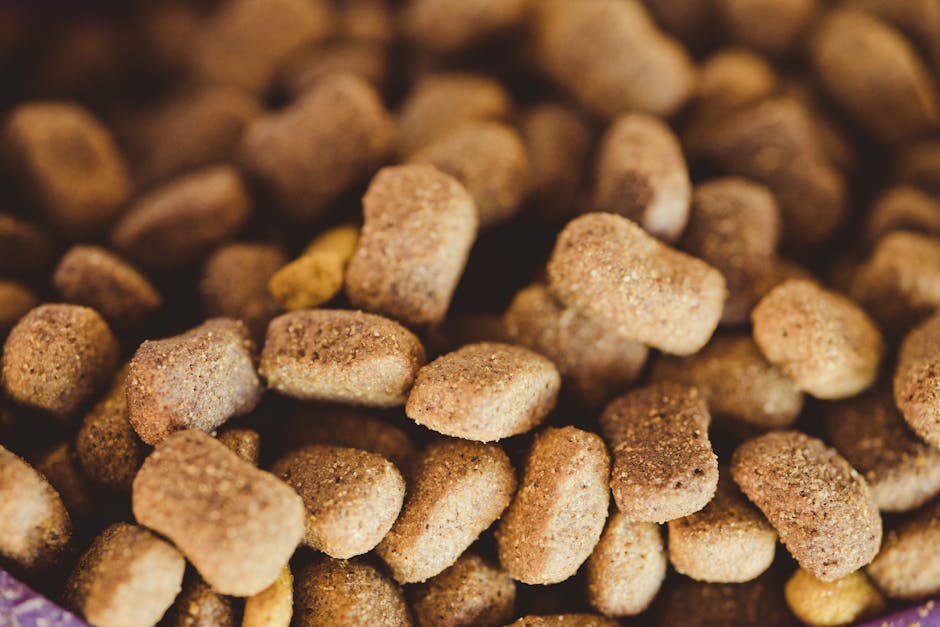
Kibble is cooked and dried, which helps it stay stable on shelves. That means fewer worry points about spoilage, and it’s easier to measure portions.
Many reputable kibble foods follow feeding standards set by groups like AAFCO (the Association of American Feed Control Officials). On the label, look for wording like “complete and balanced for growth” or “complete and balanced for adult maintenance.” That label matters more than whether the bag says “grain-free.”
Common nutrition trade-off: kibble typically has less moisture than raw or fresh. Some dogs drink more water and do fine. Others struggle with constipation, especially if they don’t drink enough.
What raw and fresh food usually gets right
Raw and fresh food diets can be rich in animal protein and can have more natural moisture. Some owners notice better stool quality, shinier coats, and improved appetite.
But here’s my straight answer: moisture and protein aren’t the whole story. Your pet still needs the right blend of minerals (like calcium and phosphorus), certain fatty acids, and key vitamins.
My real-world example: I once helped a family switching from kibble to a popular “raw patties” brand. Their dog did great for two weeks—then started having very loose stool. We traced it to a change in storage habits (food sat in the fridge too long after thawing). After we improved thawing and used a strict “thaw and feed” schedule, the stool tightened up. That wasn’t a nutrition problem—it was handling.
Long-tail question: how do I compare nutrition between raw, kibble, and fresh?
Use three checks, in this order:
- Label completeness: Does it say “complete and balanced” for your pet’s life stage (puppy, adult, senior) or does it provide full nutrition with no extra supplements?
- Ingredient clarity: Can you tell what proteins and organs are included? For homemade or partially homemade meals, do you have a veterinary nutrition plan?
- Feeding reality: Can you weigh portions and keep a steady routine?
If you’re comparing brands, also look for batch testing information, clear recall history, and how long the company has been producing the diet.
Safety comparison: germs, kitchen cleanup, and what happens if something goes wrong
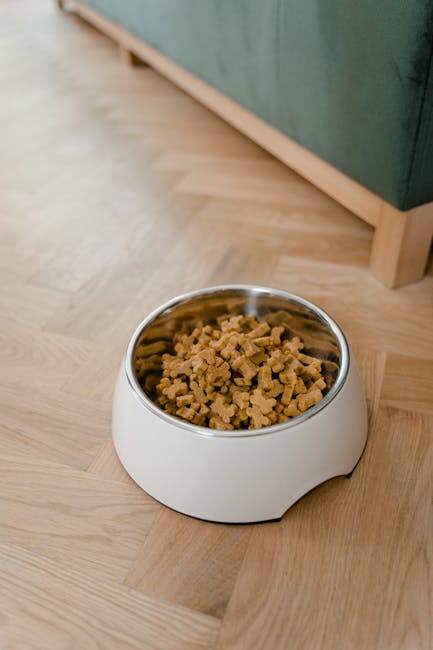
Safety isn’t just for your pet. It’s for everyone in your home. As of 2026, current best practice is simple: treat raw and thawed fresh diets like they’re a “ready-to-contaminate” food, because bacteria can spread through surfaces.
Raw food safety basics (the rules you follow every time)
When you feed raw, you control the risk with clean steps. That means:
- Keep raw food in a sealed container in the fridge or freezer.
- Thaw in the fridge, not on the counter.
- Use separate cutting boards, bowls, and wash tools.
- Clean hands with soap and warm water after handling.
- Sanitize food areas right after feeding.
I’m going to be direct here: if you have a toddler, an elderly family member, or an immunocompromised person at home, raw diets require extra caution. In those households, many vets recommend sticking with properly cooked foods (often kibble or canned) unless you have the time and space to do strict hygiene.
Fresh food safety basics (especially after it’s been opened or thawed)
“Fresh” can mean different things. Some fresh foods are cooked then frozen. Others are refrigerated and meant to be used quickly. Either way, treat any opened or thawed package like it can spoil faster than kibble.
Important habits:
- Follow the brand’s “use by” dates exactly.
- Don’t refreeze thawed food unless the label says you can.
- Keep a small cooler or insulated bag when transporting fresh food home.
If you’ve ever smelled a food and decided it “seems fine,” don’t. Toss it. Trust your nose.
Kibble safety: what’s easier, what’s not
Kibble usually has the lowest risk of kitchen contamination because it’s dry and shelf-stable until opened. That said, you still need to store it properly and keep the bag closed.
- Keep kibble in a sealed container once opened (an old laundry bin is not enough).
- Store it in a cool, dry place away from humidity.
- Don’t “top off” old food with new food without checking freshness.
If you see mold, smell a sharp “off” odor, or notice clumping from moisture, throw it away. Mold can show up even if you can’t see it right away.
Cost comparison: the real math (food price isn’t the full picture)
Cost is where people get surprised most. The “cheapest per bag” option is rarely the cheapest per day. You should compare cost per calorie or cost per cup/ounce based on your feeding amount.
Also include the extras. Raw and fresh food often come with add-ons: extra storage containers, more cleaning supplies, and sometimes vet visits if a switch triggers GI upset.
A simple cost worksheet you can do in 10 minutes
Grab a pen and your next bag or box label. Then do this:
- Find the price of the bag/pack.
- Find how many servings it makes (or total ounces/kilograms).
- Estimate daily feeding amount based on your pet’s weight and the label.
- Calculate cost per day = (price ÷ total servings) or (price ÷ total ounces) × ounces per day.
Pro tip: For accurate math, weigh food on a kitchen scale. Cups can be off by 10–20% depending on kibble shape and how full the scoop is.
What typical monthly costs look like (ballpark)
Prices vary a lot by brand and where you live, so I’ll use realistic examples rather than pretending there’s one universal number.
| Pet weight | Kibble (typical) | Raw (typical) | Fresh (typical) |
|---|---|---|---|
| 20 lb (9 kg) dog | $45–$90/month | $120–$240/month | $150–$300/month |
| 50 lb (23 kg) dog | $90–$170/month | $220–$430/month | $260–$520/month |
| 10 lb (4.5 kg) cat | $20–$45/month | $60–$130/month | $80–$180/month |
Those are wide ranges, but the pattern holds: kibble is usually cheapest, fresh can be mid-to-high, and raw tends to be the most expensive if you buy it from commercial sources.
If you’re on a tight budget, one clever compromise I’ve seen work: keep kibble as the base and add a small portion of a fresh topper (like a measured spoon of warmed wet food) while you test digestion and taste. This isn’t for every allergy situation, but it helps you learn without burning money.
When cost is lower than you think
Cost can flip if your pet has ongoing problems. If kibble triggers itching, recurrent diarrhea, or frequent vet calls, switching diets can save money even if the food itself costs more. That said, don’t change diets just to “solve everything.” Use it as part of a plan.
For training and home routine tips, I often point owners back to our pet training guides on managing mealtimes and preventing “food guarding.” Check out our Pet Training category for ideas that reduce stress during feeding changes.
How to switch diets safely (this is where GI problems come from)
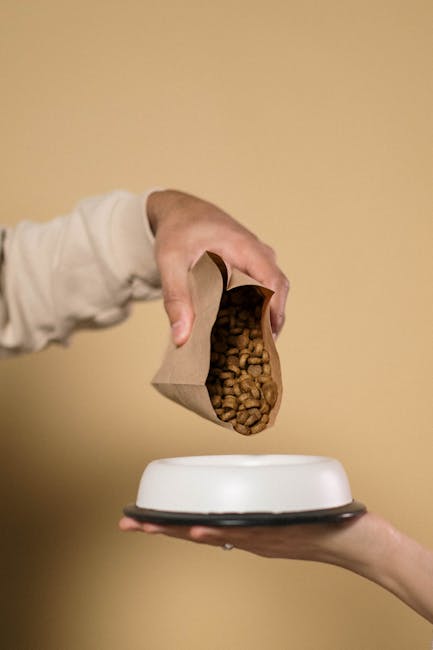
Most stomach upsets happen because of speed. Your pet’s gut needs time to adjust to new proteins, fats, and fiber levels. A diet switch is like changing your own diet too quickly—your body reacts.
A practical 10–14 day transition plan
This plan works for many pets. If your vet told you otherwise (for medical cases), follow your vet’s schedule.
- Days 1–3: 75% current food + 25% new food.
- Days 4–6: 50% + 50%.
- Days 7–10: 25% current + 75% new.
- Days 11–14: 100% new food.
Watch stool texture, appetite, and energy. If diarrhea starts, slow down and drop back to the last “good” step for 2–3 more days.
Switching from raw or fresh back to kibble (yes, people do this)
This is common if family members get worried about germs or if time gets busy. Move slowly here too, because raw-to-kibble can change moisture and digestion.
- Start with smaller portions of kibble mixed in with the old food.
- Keep water available and encourage drinking for dry diets.
- Expect a few stool changes during the adjustment window.
People also ask: Raw vs. kibble vs. fresh food (direct answers)
Is raw food healthier than kibble?
Raw can be healthy, but it’s not automatically healthier. Health depends on whether the diet is complete and balanced for your pet, whether you feed the correct portion, and whether you handle it safely. Kibble can also be very healthy when it’s high quality and matched to your pet’s needs.
Is fresh food safer than raw?
Fresh food is often easier than raw, but “safer” depends on how it’s stored, thawed, and served. If fresh food is refrigerated and used quickly, you may reduce risk compared with handling raw. Still, treat fresh food as perishable and clean your kitchen the same way you would for raw.
Can I mix raw, kibble, and fresh?
You can, but keep it organized. Mixing diets without measuring can lead to inconsistent nutrient intake and unpredictable stool. If you mix, use a transition plan and keep the proportions steady for at least two weeks before changing anything else.
Which diet is best for sensitive stomachs?
For sensitive stomachs, the best option is usually the one that you can switch to slowly and keep consistent. Many owners do well with a high-quality kibble that’s designed for digestion, while some do well with limited-ingredient fresh or raw diets.
One important note: if your pet has ongoing vomiting, blood in stool, weight loss, or frequent watery diarrhea, don’t guess with food. Get a vet evaluation first because those signs can mean something more serious than diet preference.
Safety-first home setup: how to make feeding simpler
A good home setup makes any diet easier. It also reduces germs. I recommend setting up a “feeding zone” you can clean fast.
Create a simple feeding station
- Pick one counter area or use a washable tray.
- Keep disposable gloves and paper towels nearby.
- Use a dedicated sponge you never share with dishes.
- Keep a small bottle of cleaner and a scrub brush for the floor.
If you don’t have space, that’s okay. Use a tray and do prep in small batches. The biggest mistake I see is trying to prep raw or fresh in random spots, then forgetting to clean the “almost” areas.
Dishwashing and laundry rules
Use hot soapy water for bowls and utensils right after feeding. For laundry, wash towels and mats that touched food right away. Don’t wait “until later,” because bacteria can spread while you think you’re cleaning.
If your pet is a repeat mess-maker, consider a washable waterproof mat and a routine you can stick to. This ties into our pets-and-home lifestyle tips—check Pet & Home Lifestyle posts for cleaning habits that work in real households, not only in perfect kitchens.
Choosing the right option for your pet: a decision guide
Use this checklist to match diet style to your life. You don’t need to force a “trend.” You need a plan that works.
Choose kibble if…
- You want the simplest safety routine.
- Your schedule is busy and you won’t thaw or store perishable food often.
- You’re managing a budget and want predictable pricing.
- Your pet needs consistent measured meals.
Choose fresh food if…
- You want the benefits of moisture without handling raw meats.
- You can follow use-by dates and keep packaging organized.
- You’re willing to pay for convenience (delivery or pre-portioned meals).
Choose raw food if…
- You can do strict food handling and cleanup every feeding.
- You have a separate prep area and storage space.
- Your vet supports it for your pet’s health situation.
- You’re buying complete raw diets (not random mixes) or have a proper nutrition plan for homemade meals.
One limitation to say out loud: if your pet has serious immune problems, severe pancreatitis history, or other medical conditions, raw diets may not be a good fit. Always ask your vet. No diet is worth risking your pet’s health.
Nutrition labels and product checks: what to scan before you buy
Whether you choose kibble, raw, or fresh, you’ll get better results by doing a quick label scan. You’re trying to avoid diets that look good in a photo but don’t meet your pet’s needs.
For kibble
- Look for complete and balanced wording.
- Check the life stage (adult vs. puppy vs. senior).
- Prefer clear protein sources. If your pet has allergies, focus on the proteins you’re actually feeding.
- Choose a brand with recent recall info and clear contact details.
For raw and fresh
- Confirm the diet is formulated as complete and balanced.
- Check whether it includes bone and organ content correctly (often a strength of commercial raw diets).
- Verify recommended thawing and storage instructions.
- Look for quality standards like testing and batch traceability when available.
If you’re considering homemade raw, I strongly recommend working with a veterinary nutritionist. Homemade diets without a plan can become imbalanced even when you’re trying hard. That’s one of the most common “raw feeding went wrong” stories I’ve heard from owners.
My practical recommendation for 2026 (based on what works in real homes)
Here’s what I’d do if I were starting today with a healthy dog or cat and wanted a smart, low-stress plan:
- Start with a complete and balanced option you can feed consistently.
- Pick the diet style that matches your home routine (kibble for easiest safety, fresh for moisture with less raw handling, raw only if you’ll follow strict hygiene).
- Transition slowly for 10–14 days and measure portions by weight.
- Keep a 2-week notes log: stool, vomiting, appetite, and energy.
The log sounds simple, but it’s powerful. When owners show me notes, we can separate “my pet hates it” from “my pet’s stomach is reacting” and adjust the plan fast.
If you want related guidance that supports healthier feeding routines and better daily habits, our Animal Health category covers topics like hydration, stool changes, and when to call your vet.
Conclusion: choose the diet you can feed safely, not the one with the loudest opinion
Raw vs. kibble vs. fresh food comes down to three real things: nutrition quality, cost you can sustain, and safety habits you’ll actually follow every day. Kibble wins for easy handling and predictable routines. Fresh often offers a middle ground with more moisture. Raw can be great for some pets, but it demands strict cleaning and storage.
Your best next step is to pick one diet style, check that it’s complete and balanced for your pet’s life stage, then switch slowly using a clear 10–14 day plan. If you do that—and you keep your home clean—you’re already ahead of most people.
Featured image alt text (for your website): Raw vs. kibble vs. fresh food comparison showing pet bowls and kitchen prep with safe handling steps