

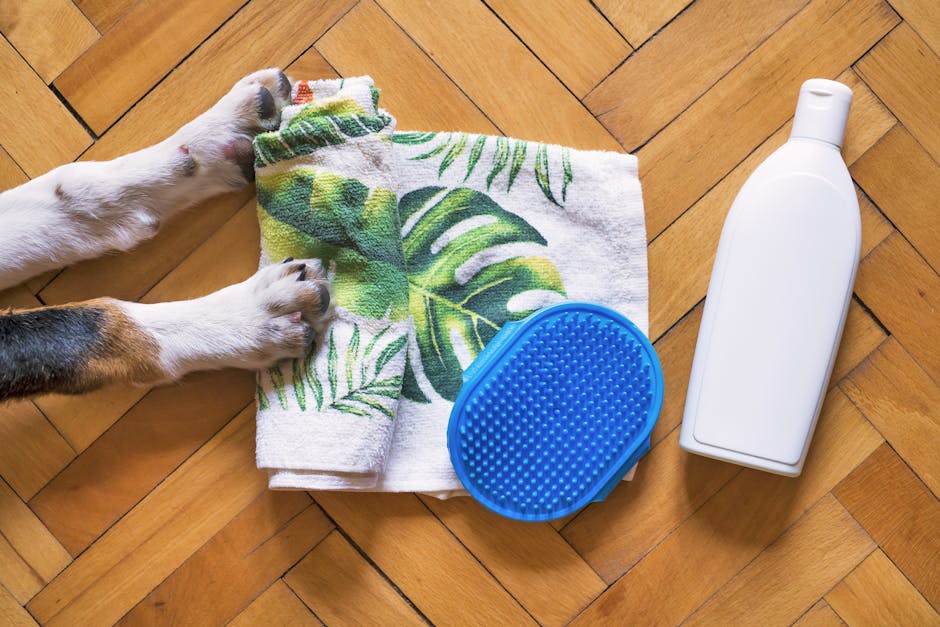
Quick answer: use a slicker for stuck shedding, a brush for everyday coat care, and shampoo only when the coat truly needs it
When people compare pet grooming tools, the biggest mistake is using everything at once. Slickers help pull out loose fur and lift mat-starting tangles, brushes keep the coat smooth day to day, and shampoo is for real cleaning—not for “just because.”
In my home, the routine is simple: I brush first, check for mats, then decide if a bath is needed. If your dog or cat is clean and not smelly, skipping shampoo saves time and protects skin.
Start here: what each tool is for (and what it’s not)
This is the part most guides skip, but it makes everything easier. A “slicker” and a “brush” sound similar, yet they work differently on fur and skin.
What a slicker brush does
A slicker brush is designed to remove loose hair and help loosen small tangles. It has many short wires close together. In plain terms: it’s stronger than a soft brush, so it works best when your pet has shedding or early mat buildup.
It’s not a daily toothbrush for every pet, especially not for sensitive skin. If you go too hard or too often, you can cause redness and broken hairs.
What a grooming brush does
A grooming brush is the gentler “finish” tool. It helps move oils through the coat, smooth the fur, and prevent small tangles from turning into mats.
There are different types: pin brushes, bristle brushes, and combs. Think of brushes as the tool you can use regularly, with the right pressure and the right bristle type for the coat.
What shampoo does (and why “more” is not better)
Shampoo is for washing. Shampoo refers to a cleaning product made to remove dirt, oil, and some smells from the coat and skin.
It is not a detangler. It also is not a “coat conditioner” unless it’s specifically made that way. Most pets don’t need a full bath every week. Over-washing can dry skin and make itch worse.
How to pick the right tool for your pet’s coat
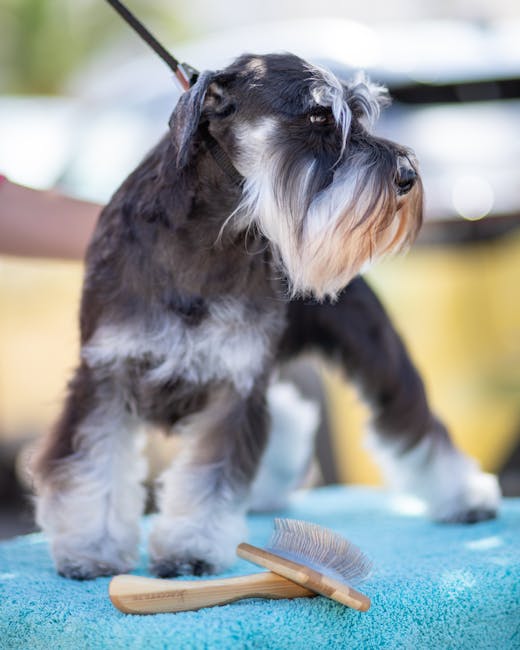
The best way to choose is to look at texture and length, not just fur type. In 2026, most good grooming routines start with coat checks the way you’d check a driveway before snow.
Here’s a practical guide I use with my own clients and friends who ask for quick advice.
Short-haired dogs and cats
Short coats often shed but mat less. For them, brushes are usually your main tool, not slickers.
- Use first: a rubber curry brush or bristle brush for weekly shed control.
- Add when needed: a slicker only if you notice early tangles behind ears, on the belly, or near collars.
- Shampoo: only when they’re dirty, smelly, or have a skin issue that your vet says needs washing.
One real-world moment: a neighbor used a slicker daily on her short-haired terrier during shedding season. The fur looked smoother for a day, then her dog got flaky skin. Switching to a gentler brush fixed it in about two weeks.
Medium-to-long coated pets
Longer coats tangle more easily. This is where slickers and combs often earn their place.
- Daily or near-daily: brush to prevent tangles from forming.
- When shedding ramps up: a slicker 1–3 times a week, not “whenever you remember.”
- For mats: a comb and, in tough cases, professional help or mat cutting (done carefully).
- Shampoo: bath as needed, plus conditioner if your product is designed for it.
My rule: if you can part the fur and see the skin, you can usually brush safely. If you can’t part it without yanking, stop and switch to a detangling step or a mat-handling method.
Curly coats and thick undercoats
Curly fur can hide tangles. Undercoats can trap shedding hair and cause clumps.
- Use first: a comb (gentle combing through sections) before any slicker.
- Slicker use: only on problem areas like the neck, shoulders, and behind the legs.
- Brush use: follow with a softer brush to finish and smooth.
- Shampoo: use hydrating formulas when baths are needed, especially in dry winters.
People get this wrong a lot: they use a slicker on curly coats like it’s a lint roller. Curly fur doesn’t “wipe clean” the same way, and pressure can snap curls or irritate skin.
Slicker vs brush: when each one should be your main tool
If you only remember one thing from this comparison, make it this: slickers are for shedding and early tangles, while brushes are for regular maintenance.
Here’s a simple decision chart you can use without overthinking.
| Situation | Best tool | How often | Watch for |
|---|---|---|---|
| Heavy shedding (seasonal) | Slicker brush | 1–3x/week | Redness, flaking, broken hairs |
| Everyday coat smoothing | Brush (pin/bristle) | 2–5x/week | Snags if you skip mats first |
| Small tangles near collar/ears | Comb + gentle brush | As soon as you notice | Pulling—stop if it hurts |
| Early mat buildup (tiny bumps) | Slicker (light pressure) | 1x/week or less | Skin irritation from too much force |
| Dirty feet, outdoor grime, strong odor | Shampoo (full bath) or rinse | Only when needed | Dry skin after baths |
My “light pressure” test
When I’m unsure how hard to brush, I do a quick check. If my hand is sliding across the coat and I’m not seeing hair come out, I use a bit more pressure. If I see reddening within a few strokes, I go lighter and change tools.
This simple feedback loop keeps grooming effective but not rough.
Bath time: when shampoo is the right move (and how to avoid skin problems)
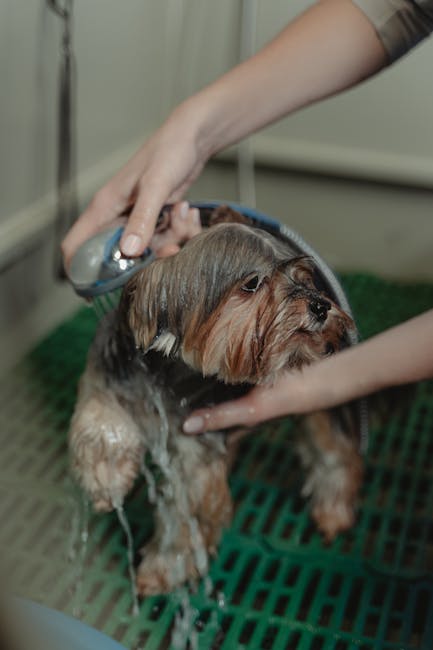
Shampoo is usually the last step in a grooming routine. If your pet is not oily, not smelly, and not dirty, skip it—your brushing plan will often be enough.
How often should you bathe in 2026?
There isn’t one perfect number for every pet, but many owners in 2026 aim for fewer baths than they did in the past. For most healthy dogs, a common starting point is every 4–8 weeks, but some need more or less based on lifestyle and skin type.
Cats often need baths less often than dogs because they groom themselves well. If your cat smells strongly or has skin issues, follow your vet’s plan instead of guessing.
Signs it’s time for shampoo
- Stinky coat after outdoor time (mud, grass, wet fur smell)
- Visible dirt or sticky residue
- Oily skin or heavy buildup that brushing can’t remove
- Skin irritation your vet told you to treat with a medicated shampoo
If your pet has itchy skin, dandruff, or red patches, don’t just grab any shampoo. Match the product to the issue, or you can make it worse.
What most people get wrong with shampoo
- Using human shampoo. Human products are often too harsh for pet skin’s pH.
- Skipping the rinse step. Residue can cause itching. Rinse until the water runs clear.
- Bathing right after slicker brushing without checking for irritation. If skin is already red from grooming, the bath can sting.
- Bathing too often during shedding. Shedding doesn’t always mean you need a bath. Better brushing usually helps more.
Step-by-step grooming routine: slicker, brush, shampoo—what order to use
This order matters. I use a routine that takes about 15–30 minutes for most medium-coated dogs, and it keeps the process calm instead of stressful.
Routine for a shedding, medium-long dog
- Dry brush first: Start with a brush or comb to find tangles. Work in small sections.
- Use the slicker on shedding hotspots: Lightly brush areas that shed a lot (neck, shoulders, back legs). Stop if skin looks irritated.
- Clear tangles with a comb: If hair catches, don’t yank. Use slow, gentle strokes and hold the fur near the skin.
- Decide on bathing: If your dog is smelly or truly dirty, bathe now. If not, skip shampoo and finish with a final brush pass.
- After bath (if done): dry fully, then do a light brush session to prevent new tangles.
A useful trick: if you’re brushing at night, turn on good lighting. Mats are easier to spot with side light, especially on dark coats.
Routine for a short-haired dog with occasional tangles
- Brush weekly: Use a bristle or rubber brush to reduce shed.
- Spot check: Look behind ears and in collar areas.
- Use a slicker only if needed: If you find early tangles, use the slicker lightly just on that spot.
- Shampoo only when dirty: A quick rinse may be enough for muddy paws.
People Also Ask: Slickers, brushes, and shampoos
Is a slicker brush good for sensitive skin?
It can be, but it depends on the pet and how you use it. Sensitive skin needs gentle tools and light pressure. If your pet gets red easily, switch to a softer brush first and save the slicker for special times like shedding season.
In my experience, slickers work best when you brush for a short time, check the skin often, and don’t repeat the same strokes in one spot too many times.
Can I use a slicker brush every day?
Some pets can handle daily slicker brushing, but many shouldn’t. If you see dryness, redness, or “sparkly” skin flakes after a few days, reduce frequency to 1–3 times a week and use a gentler brush for daily care.
Also, don’t slicker over freshly irritated areas. Bath days and slicker days should be spaced out if your pet tends to react.
Should I brush before shampoo or after?
Brush before shampoo in most cases. Dry brushing helps remove loose fur and tangles so hair doesn’t clump in the water. After the bath, focus on drying and light brushing to keep the coat from matting again.
The only exception is when your vet tells you to avoid certain coat work due to a skin flare-up. If that happens, follow the vet plan.
What shampoo is best for itching or dry skin?
If itching is mild and your pet is otherwise healthy, many owners start with a gentle, moisturizing pet shampoo. If itching is strong, there are sores, or you see thick dandruff, you need a vet check and a targeted medicated shampoo if recommended.
There’s no single “best” shampoo for all pets because skin can react to different triggers like yeast, allergies, or parasites.
Can over-bathing cause more shedding?
Yes, it can. Over-bathing dries the skin and can lead to more irritation and breakage, which makes fur look thinner and shed more. Brushing usually helps shedding more than extra baths.
If you want to reduce shedding, focus on coat maintenance first, then use shampoo only when needed.
Choosing brands and product types (without getting stuck in hype)
You don’t need a fancy grooming kit to do good work. You need the right tool for your pet’s coat and a plan you can keep up with.
Examples of tool types you’ll see at stores
- Slicker brush: short wire pins on a cushion pad; good for tangles and loose undercoat.
- Pin brush: best for longer coats and finishing.
- Slicker + comb set: often sold together for convenience.
- Detangling sprays: helpful for tiny knots, but don’t replace brushing.
- Hydrating shampoo: for dry, normal skin needs.
- Medicated shampoo: used only when it’s recommended for the specific problem.
In 2026, many pet parents are also switching to fragrance-light or hypoallergenic options because strong scents can bother some pets. I still say: test slowly and watch your pet’s skin over the next 24–72 hours.
A quick budget check (based on typical home use)
Most households do best when they spend in these priorities:
- #1: the right brush type for your coat (usually $15–$35)
- #2: a comb for tangles (often $8–$20)
- #3: shampoo that matches skin needs ($10–$25 for many common sizes)
You often don’t need multiple slickers. One good slicker plus a finishing brush usually beats owning three different “maybe” tools.
When to stop DIY and ask for help
DIY grooming is great until it isn’t. If your pet has severe mats, skin sores, or pain when touched, it’s time to stop and choose safety.
Signs you should see a groomer or vet
- Large mats that feel stuck under the skin
- Skin that’s red, swollen, or bleeding
- Bad odor that doesn’t improve after gentle bathing
- Ear infections, heavy scratching, or hair loss patches
- Your pet is too stressed to complete grooming calmly
Cutting mats at home can pull skin and cause injury. Professional help is often cheaper than dealing with a wound later.
Make grooming easier with training and calm handling
Tool choice matters, but handling matters too. If your pet hates grooming, even the right slicker can become a stressful fight.
I recommend pairing grooming time with short training sessions and lots of calm rewards. This also helps you notice skin changes early, which is good for animal health.
Quick training plan (2 minutes at a time)
- Let your pet sniff the tools for 10 seconds.
- Brush one small area, then reward.
- Stop before your pet gets upset.
- Repeat the next day in a different area.
For more ideas, you might like reward-based grooming training for dogs and cats and a simple de-shedding routine you can keep up with.
Bring it all together: a clear rule for slickers, brushes, and shampoos
If you want one simple take-home rule, use this: brush for prevention, slicker for shedding, shampoo for cleaning (not for control).
In everyday home life, that means brushing first, checking for early tangles, using a slicker lightly when shedding is high, and bathing only when the coat is truly dirty or your vet says to treat skin issues. Stick with that order, and you’ll see less tangling, less irritation, and a coat that looks healthy—without overdoing it.
Action step for today: grab your brush and comb, do a 5-minute coat check, and decide if you actually need shampoo this week. If you don’t, save the bath for next time you truly need it.
If you want to support coat health beyond grooming tools, check out our related guides in dry skin and itching: home care tips and keep up with pet-friendly home cleaning habits that reduce odor. Grooming works best when your home routine supports it.
Featured image alt text suggestion (under 125 characters): “Comparing pet grooming tools slicker brushes and shampoo for removing tangles and shedding”