


Here’s the surprising part: the same “nice” home setup can stress out one pet while it helps the other. I learned this the hard way when I reorganized a living room to be more “open” for guests. My dog loved the space. My cat started hiding behind the couch and stopped using her favorite window perch.
Dog vs. Cat: which home setup reduces stress for each pet type? The short answer is simple: dogs need predictable movement and clear routines, while cats need safe control—vertical space, hiding spots, and steady boundaries. In the sections below, I’ll show you a home plan that reduces stress for both, with step-by-step changes you can make this week.
Quick answer: stress drops fastest when you match the setup to the pet’s brain
Stress is mostly about feeling safe. Dogs tend to feel safe with routine, social connection, and chances to move. Cats feel safe when they can watch from a height, retreat quickly, and avoid sudden changes to “their” zones.
I use a simple rule in homes: design the space for the pet’s default behavior. If your dog’s default is following you and exploring, give that job to the environment. If your cat’s default is stalking, perching, and hiding, give that job to the environment.
Dog stress setup: build a predictable routine, not just a “dog zone”
For dogs, the biggest stress reducer is a routine they can count on. When the day feels the same, your dog spends less time guessing what will happen next.
Dog stress shows up in common ways: pacing, barking at nothing, chewing furniture, whining during quiet hours, or sudden zoomies that look less like fun and more like “I can’t settle.” If you see these signs, your setup needs more structure.
Design your dog’s “flow” (entry, water, rest, exercise)
This is the part most people skip. They create a bed and maybe a crate, but they don’t think about how the dog moves through the day.
Here’s what I recommend as a baseline layout in a typical living room + kitchen setup:
- Entry point: pick one spot where your dog comes in after walks. Put a small mat there so your dog learns “this is where I land.”
- Water: place water in a quiet area away from foot traffic and feeding bowls. (Many dogs get nervous if water is near where people walk past all day.)
- Rest zone: give the bed a wall or corner behind it. Dogs relax when they feel supported.
- Exercise support: set up a play area close to the rest zone so you can do short bursts without moving the whole house around.
Use short, timed breaks (example schedule that works in real homes)
If you want stress reduction you can feel, switch from “exercise when we remember” to short timed breaks. In 2026, I still see this work best because most households can’t do long training sessions every day.
Try this for 7 days:
- Morning: 5–10 minutes of sniff-walk (slow walk, let your dog smell).
- Midday: 3–5 minutes of training (sit/down/leave it) + 1 food puzzle or lick mat.
- Afternoon: 10–20 minutes of play or a short fetch session.
- Evening: a calm chew in the rest zone for 20–30 minutes.
That “sniff time” matters because it drains stress better than only running. For many dogs, a 10-minute sniff walk can feel like a longer workout.
What most people get wrong with dog stress: isolation by accident
Some dogs get stressed when they’re shut away in a room with nothing to do. The door feels like a threat, even if you think you’re giving them privacy.
If your dog needs time alone, start small: close the door for 1 minute while you’re nearby, then open it. Build slowly over days. If your dog panics or screams, you need a slower plan and more support (like a calming routine and training help).
Cat stress setup: give control, vertical space, and predictable “safe routes”
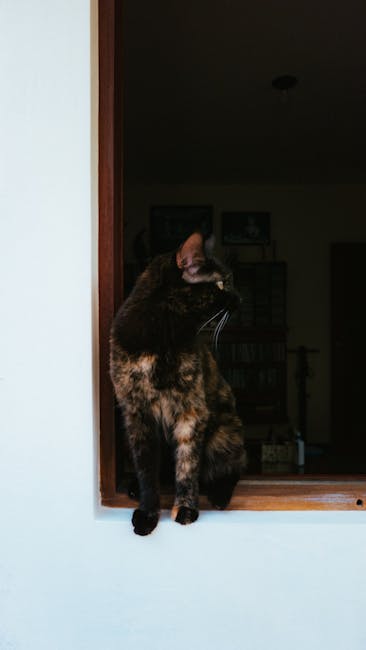
For cats, stress drops when they can choose what to do. Cats don’t want to “be good.” They want the environment to feel safe.
Cat stress often looks like hiding more than usual, not using the litter box, over-grooming, sudden aggression, or clingy behavior that still seems tense.
Make a vertical map: shelves, cat trees, and window perches
In my house setup notes, I call this the “cat highway.” Vertical space creates escape paths without making your cat feel trapped.
Start with one key area:
- Choose a sunny window or a quiet corner.
- Add a cat tree or sturdy shelf so your cat can watch from above.
- Make sure the perch is not directly under a loud TV or barking sound source.
Simple measurement tip: aim for a perch that’s tall enough that your cat can stand comfortably and still have a clear view. Many cats prefer perches around the top half of a room, not just a low stool.
Create hiding options that aren’t the same as “avoidance”
People often buy one hidey-house and call it done. Cats usually need more than one safe option because they pick where they feel safest based on noise and other pets.
Use a rule: one primary hide + one backup hide. The backup hide should be different, like an under-bed area plus a covered cat cave.
One important detail: avoid blocking exits. If you put a furniture cover or storage bin in a way that traps the cat behind it, you’ve accidentally created a stress trap.
Plan litter box zones like you plan a bathroom
Litter box stress is real, and it’s often setup-related. I follow these standards as best practice in 2026:
- Number: at least one litter box per cat, plus one extra when possible.
- Placement: one on each level of the home if you have stairs.
- Distance: keep boxes away from food and water.
- Noise: avoid washers, dryers, and noisy HVAC areas.
Most cat “behavior problems” improve once the litter setup is calm and predictable.
Dog vs. Cat in the same home: where setups clash and how to fix it
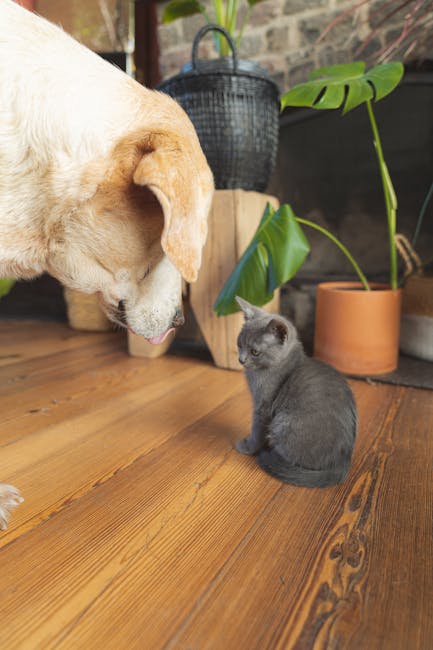
This is where people get frustrated, fast. The dog wants access. The cat wants control. When these needs collide, stress goes up for both.
My experience: the winner is the home plan that gives each pet a “win” space—without forcing them to share it.
Clash #1: open floor plans vs. cat safe routes
Open rooms look great, but they can remove a cat’s hiding cover. If your dog runs freely but your cat has no safe route, your cat may avoid the whole room.
Fix: add vertical hiding and escape paths. A cat tree near the couch is not a luxury—it’s often the difference between calm and constant fear.
Clash #2: dog food access vs. cat feeding needs
Many cats eat better when they can eat without being approached. Some cats feel threatened if the dog stares or waits nearby.
Fix: feed cats in a separate zone. I like the “higher or closed-door” approach. You can use a cat feeding shelf on a counter or a baby gate with a small cat-sized opening.
If you’re training, also teach your dog a calm “place” cue near the cat’s feeding area. That protects the cat and reduces dog frustration.
Clash #3: scent and territory changes
Dogs are social sniffers. Cats are precise territory readers. When you change blankets, move furniture, or deep-clean with strong scents, your cat may respond with stress behaviors.
Fix: change one thing at a time. For example, move the cat tree after playtime, not right before bedtime. Let the cat explore the new spot while the dog is busy with a chew.
People Also Ask: which pet type is more stressed by home changes?
This is one of the most common questions I get from readers, especially during moves and renovations in 2026. The best answer is: cats react faster to territory changes, while dogs react more to routine changes.
Are cats more stressed than dogs by moving furniture?
Usually, yes—cats are more sensitive to changes in their “known layout.” They mark territory with scent and use landmarks. Move those landmarks and they lose their map.
In practice, I watch for reduced litter use, extra hiding, or sudden aggression within 24–72 hours after big changes. Dogs can get stressed too, but often they show it through restless pacing or barking.
Do dogs get stressed from loud sounds more than cats?
Sometimes, but it depends on the individual pet. Many dogs show fear with shaking, whining, or seeking closeness. Many cats show it by hiding or going quiet.
If you’re planning construction noise, the calmest setup for both pets is a “sound escape plan.” For dogs, that means a crate or covered bed with soft items. For cats, it means a high, covered hiding spot away from the loudest wall.
How long does it take for pets to adjust to a new home setup?
For most households, you should see early signs of improvement in 3–7 days if the setup matches the pet’s needs. Big changes like a new cat tree, a new litter box location, or a new dog routine can settle faster when introduced gradually.
If you don’t see improvement after 2 weeks—or if you see worsening aggression, diarrhea, or litter box refusal—treat it like a health issue too. Stress and illness can feed each other.
Step-by-step: a combined home plan for a calmer dog and cat
If you want a plan that you can actually follow, use this order. It’s the sequence I’ve used when setting up homes for mixed pets because each step reduces stress triggers.
Day 1–2: stabilize routines and basic zones
- Lock in feeding times: feed both pets on a schedule. Don’t “sometimes now, sometimes later” for a week.
- Confirm water locations: keep both water sources in the same places.
- Choose one rest spot for each pet: dog bed stays put, cat perch stays put.
- Start “calm time”: 10 minutes each pet in their zone while the other is supervised.
Day 3–5: add vertical + movement tools
- For cats: add one vertical perch or shelf near a window.
- For dogs: add one “sniff station” area—like a section of yard or hallway where you can do slow sniff walks.
- For both: add enrichment that doesn’t involve face-to-face conflict.
Day 6–7: train boundaries and reduce “surprise encounters”
- Teach dog “place”: use a mat near the cat zone. Reward when the dog stays calm.
- Teach cat “opt out”: make sure the cat has a door-free exit route (like a high perch or a covered hide).
- Block access if needed: use baby gates or pet doors so the cat can retreat.
By the end of the week, you should see fewer tense moments like staring, chasing, and hiding that looks like panic.
Training and enrichment choices by pet type (with real product examples)
Enrichment isn’t just “stuff to buy.” It’s a tool that matches brain needs. Below are options I’ve seen work well in homes as of 2026, including name-brand tools you can find in most pet stores.
Dog enrichment that reduces stress
- Lick mats: brands like ChomChom are great for short calming sessions. Spread a thin layer of wet food or plain yogurt (if your dog tolerates it).
- Food puzzles: use easy puzzles first. If your dog gets frustrated, stress goes up.
- Sniff walks: slow walking with a long leash is training and stress relief at the same time.
- Chews: pick chews that match your dog’s chewing strength and supervision needs.
What I watch for: if your dog can’t settle even after enrichment, you may need more routine support or a different chew/puzzle type.
Cat enrichment that reduces stress
- Cat “foraging”: hide a few dry treats in safe areas near her perch.
- Interactive wand toys: schedule play so it happens at similar times daily. Cats love patterns.
- Scratching posts: place them near where the cat already likes to scratch.
- Window time: add a perch and keep it stable. Most cats won’t use it if it wobbles.
Original insight from what I see in real homes: cats often feel more relaxed when they can “predict” your play. If you only play when you’re free, stress can rise. If you play at the same hour every day, their nervous system calms down.
Comparison table: which home features reduce stress for dogs vs. cats?
| Home feature | More helpful for dogs | More helpful for cats | Why it reduces stress |
|---|---|---|---|
| Predictable schedule | Yes | Yes (less variable) | Routine lowers “what happens next?” stress |
| Sniff walks / scent time | Yes | Sometimes | Dogs use smell to calm down and learn |
| Vertical perches | No/rare | Yes | Cats gain control and safe viewing |
| Covered hiding spots | Optional | Yes | Hiding helps cats feel safe and reduces conflict |
| Food separation | Helps if anxious | Often needed | Prevents guarding and reduces face-to-face stress |
| Rest zone support (wall/corner) | Yes | Yes | Support reduces startle and makes resting easier |
Health note: when stress setup changes aren’t enough
I’m going to be direct here. If you make a setup change and you still see serious symptoms, you need to talk to a vet or a qualified behavior professional. Stress can hide behind “behavior.”
Watch for red flags like frequent vomiting, sudden weight loss, blood in stool, repeated litter box accidents, or extreme aggression that’s new. Those are not “just stress.” They deserve health checks.
Internal links: related reads that support this home setup plan
If you want to keep going, these posts fit well with the dog vs. cat home setup ideas above:
- Why Enrichment Matters for Anxious Pets
- How to Train a Dog Place Cue for Stress Reduction
- Cat Litter Box Setup and Common Red Flags
- Safe Home Routines for Multi-Pet Households
Conclusion: the best dog vs. cat home setup is the one that gives each pet a job
If you remember one thing, make it this: dog vs. cat stress comes from mismatched needs. Dogs calm down with predictable movement and routines. Cats calm down when they can control their space with height, hiding, and safe routes.
Make your first changes this week: stabilize schedule basics, add one vertical or hiding option for the cat, and add short timed calm breaks for the dog. After 7 days, you should see fewer tense moments—plus a home that feels easier to live in for everyone.
Featured image alt text (for the photo you choose): Dog and cat home setup reducing stress with routine area and cat vertical perch