

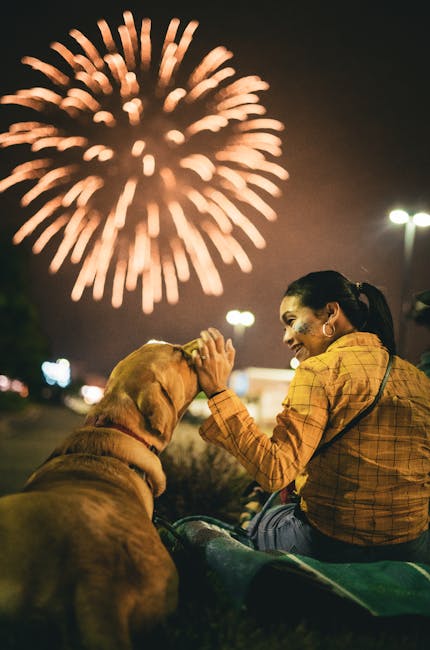
Here’s a surprising truth I learned the hard way: some dogs don’t just “hate” loud sounds—they panic, then learn that the whole house is unsafe. That’s why a calm, planned routine works better than reacting at the last second.
Noise-proof your life by preparing your space and your plan before the first boom. With the right setup, you can reduce pet stress during fireworks and thunderstorms, and you’ll usually see a difference within days, not weeks. I’ll share what I do at home in 2026, including timing, tools, and common mistakes that make things worse.
Noise-Proof Your Life: What “noise anxiety” really is (and why comfort alone isn’t enough)
Noise anxiety is a fear response to sudden loud sounds that makes your pet’s body go into “danger mode.” It often includes shaking, panting, hiding, whining, door-darting, and even accidents indoors.
Comfort matters, but it’s not the full answer. If you comfort while your pet is panicking, you can accidentally train the idea that the noise is the moment to worry. The goal is to make calm behaviors feel normal before and during the scary sounds.
I treat it like home safety plus behavior training. You’re not just stopping fear—you’re building trust in your environment.
Spot the warning signs early so you can act before the panic peaks
The fastest way to reduce pet stress during fireworks and thunderstorms is to catch the stress cycle before it gets intense.
Many pets show signs 1–6 hours before the main event, especially when storms are coming. Fireworks can be more unpredictable, but pets often notice “build-up” sounds like cars, crowds, or distant popping.
Common signs your pet is building fear
- Pacing or circling in the same spots
- Excessive drooling (not from heat or excitement)
- Tail tucked, ears pulled back, or low body posture
- Whining or “checking” you repeatedly
- Trying to escape (scratching doors, jumping at windows)
- Loss of appetite the day of the event
- More bathroom accidents than usual during noise
If you see these signs, start the plan right away. Don’t wait for the first loud boom. Waiting is one of the biggest mistakes I see in real life.
Set up a “safe zone” that actually blocks sound and gives control back
A safe zone helps your pet feel like there’s a place where nothing bad can happen. The key is choosing the spot based on sound and behavior, not just “where they like to sleep.”
For most homes, that zone is an interior room or hallway, away from windows. The goal is to reduce the direct sound and reduce what your pet has to see.
How I set up a safe zone (step-by-step)
- Pick the room: choose a room with the fewest windows. Bathrooms can work well because people tend to keep them quieter and they’re often central.
- Block visual triggers: close blinds and curtains. Thunder and fireworks come with flashes. Visuals can make fear worse.
- Use soft barriers: place a crate or exercise pen inside the safe zone.
- Add comfy bedding: use a blanket your pet already likes. If you can wash it, do it before the event so it smells “clean and familiar.”
- Lower stimulation: keep kids and guests out. The more chaos around your pet, the more your pet reads the situation as dangerous.
- Prep the treats: set up a “noise night” stash so you don’t rummage while your pet is stressed.
If you use a crate, cover it with a breathable cover—not something thick that traps heat. Proper ventilation matters. Your pet should be able to lie down comfortably.
Sound-dampening basics that work (without getting too fancy)
Noise reduction is not magic, but it helps. Even simple steps reduce intensity enough to take the edge off.
- Close windows and use door seals if you have drafts.
- Use white noise: a fan or a sound machine at low volume can mask sudden booms.
- Play steady background audio: calm music at a consistent level works better than turning it up and down.
- Skip “shock” volumes: blasting audio can be scary. Start low and adjust gradually when your pet is calm.
Training in real life: what to do during fireworks and thunderstorms
When the noise starts, your job is to help your pet choose calm actions. That means you guide, you don’t wrestle, and you keep your voice steady.
In my house, the plan is simple: stay calm, keep routines predictable, and feed “calm reps.”
During the loud part: a practical 10-minute routine
- Lead to the safe zone using a leash or a treat lure. If your pet is hiding, don’t chase. Instead, coax gently.
- Offer small, frequent treats: think tiny pieces. You want success while your pet’s brain is noisy.
- Do “settle” work: ask for a simple cue like “settle” or “place” if you’ve trained it before. If you haven’t trained it, reward any calm lying.
- Keep handling normal: no excessive petting, no panic talk. Calm body language helps.
- Use a chew for downtime: only if your pet can chew during stress. Some pets swallow too fast—if yours does, skip chews and use treats instead.
It’s okay if your pet can’t fully relax. You’re aiming for “less panic,” not perfect behavior.
What most people get wrong
- “They’ll get used to it”: many pets don’t outgrow fear by accident. Without practice and safety, fear can worsen.
- Letting them run free: door-scratching and window damage are common when pets feel trapped but also not contained.
- Changing the rules mid-storm: if your pet is used to dinner at 6:00, don’t suddenly delay everything and hover anxiously.
- Over-reassuring: crying or repeating comforting phrases can turn your attention into a signal that the noise is a big emergency.
Help from tools and products: what I recommend (and what I avoid)
There are products designed for noise anxiety, but you should choose based on your pet and your comfort level. I like tools that reduce sound fear without causing new stress.
As of 2026, the best “system” tends to be multi-part: safe zone + masking sound + behavior plan. Supplements and meds can help too, but they aren’t a full replacement.
Helpful options to consider
| Tool | What it does | Pros | Watch-outs |
|---|---|---|---|
| White noise / fan | Masks sudden booms with steady sound | Low cost, easy, predictable | Start low so it doesn’t become a new scary sound |
| Weighted anxiety wrap (if fitted well) | Gentle, constant pressure can feel grounding | Many pets calm down faster | It must fit correctly; never leave it on unsupervised if it irritates skin |
| Calm chews / treats | Short-term calming through ingredients and chewing | Simple routine during noise | Only use products your vet okays; avoid giving a brand new chew for the first time during fireworks |
| Crate or pen setup | Creates safety and prevents escape | Reduces injury risk and damage | Crate must be a positive place, not a punishment |
Important: don’t test new stuff on event night
This is personal advice from experience. I once saw a friend give a new calming product right before a holiday show. Their dog reacted worse and the family had no idea why. Now I follow a rule: test any new product at least 3–7 days before a big noise event.
If you want to use a supplement, check with your veterinarian. Some ingredients interact with other meds, and dose matters.
When medication is the right call
If your pet is seriously panicked—trying to escape, hurting themselves, or having repeated accidents—ask your vet about a plan. In severe cases, a vet may recommend medication timed for storms and fireworks.
Medication is especially important when training alone isn’t enough. It’s not “giving up.” It’s making the situation safe so your pet can learn.
Plan ahead like a checklist: what to do 2 weeks, 2 days, and the day of
Noise-proofing works best when you treat it like a home project you start early. I use a simple timeline so I’m not scrambling at the last minute.
Two weeks before fireworks or storm season
- Practice “place” or “settle” in a calm moment, then use it during mild noises.
- Set up the safe zone and let your pet explore it when it’s quiet.
- Stock up on treats you already know your pet tolerates well.
- Check crate fit (if you use one). Your pet should stand and turn comfortably.
Two days before
- Wash bedding so it smells fresh and familiar.
- Charge devices if you use sound machines or cameras.
- Clear obstacles near windows and doors. Remove items your pet could knock over in panic.
- Plan bathroom access with a safer route if you need to step outside briefly during a storm.
Day of: the 30-minute setup
- Close windows and blinds.
- Start white noise 15–30 minutes before the event if you can predict timing.
- Move your pet’s safe zone fully set: bedding + water access + chew/treat options.
- Do a short calm walk earlier in the day if weather allows. A tired pet isn’t always calmer, but it often helps.
- Feed a normal meal. Don’t change everything at once.
People Also Ask: quick answers about noise-proofing pets
Can I train my dog to be less afraid of fireworks?
Yes, and the method is called desensitization and counterconditioning. Desensitization means your pet is exposed to very low levels of noise. Counterconditioning means you pair that noise with good things, so the sound predicts rewards instead of danger.
Start with recordings at a low volume and reward calm behavior. Do short sessions (2–5 minutes) and stop if your pet escalates. If your pet is already in high fear, training alone may not be enough—talk to your vet.
Should I comfort my pet during thunderstorms?
Comfort in a calm way is fine. Avoid frantic reassurance, loud voices, and long “emergency” attention. Offer predictable cues like “place” or “settle,” then reward calm resting.
If your pet chooses to come sit near you quietly, that’s a good sign. If your pet ramps up when you hover, step back a little and stick to the safe zone routine.
Will thunderstorm fear get worse over time?
For many pets, yes. Repeated panic can strengthen the fear memory, especially if the pet learns they can’t escape and the event is always frightening. With a consistent plan, you can reduce the intensity and keep the fear from escalating.
For some pets, mild fear stays mild. But most severe cases don’t improve without changes.
Are anxiety wraps, pheromones, or calming treats safe?
Some are safe for many pets, but “safe” depends on the product and your pet’s health history. I recommend checking with your veterinarian before trying supplements, and using wraps only when they fit properly and your pet tolerates them.
As a rule: test anything new days before a real event so you don’t guess during fireworks.
What about cats?
Cats often prefer vertical escape routes, but during storms many still hide in scary places like under beds or in tight corners. Create a safe zone with hiding options you control—like a covered cat bed or a carrier turned into a positive hide.
Use calm play earlier in the day, and keep routines steady. Loud noises can also make cats go “freeze,” so avoid chasing them out of fear zones.
Real-world example: how our “safe zone” changed fireworks night
Last summer (2026), our neighborhood started fireworks earlier than usual. My dog, Milo, used to shake and try to wedge under the couch. I used to talk to him and try to cuddle until he was exhausted. It helped for a minute, then he’d panic again.
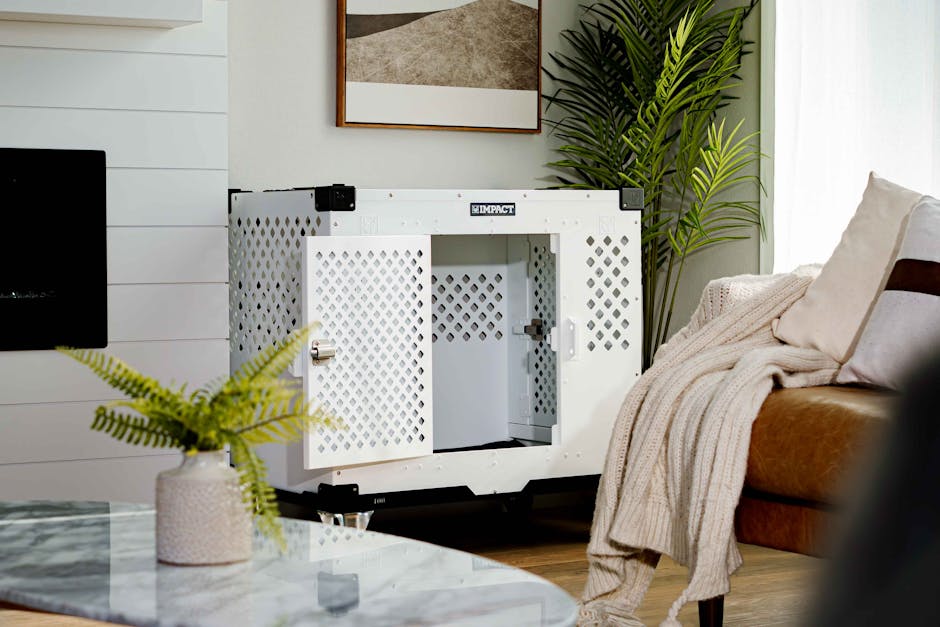
This time, we built a safe zone before the first firecracker. We closed the curtains, set up his crate with a familiar blanket, and ran a steady fan sound. I didn’t hype him up or beg for eye contact. I fed tiny treats every time he stayed low and calm.
By the end of the night, he was still nervous, but he wasn’t trying to escape. That’s the win. We reduced the stress level, and the next event was easier.
Keep going after the noise: how to avoid “fear leftovers”
After fireworks or a storm ends, don’t treat it like a big deal. Many pets “carry” stress for a while, and your routine shapes what happens next.
Let your pet rest in the safe zone for a bit. Then return to normal life: normal meal, normal play (at a low level), and normal touch.
Post-event checklist
- Check for injuries: look for paw cuts, loose nails, and signs of swallowing problems after chewing.
- Wash blankets if they got drool-soaked or sweaty.
- Replay what worked: did the sound machine help? Did the safe zone reduce hiding?
- Write a short note: time of first boom, pet signs, and what helped most.
Related reading on your pet-care journey
If you’re building a calmer home for your pets, these topics connect really well with noise-proofing and training:
- How to Teach “Place” and “Settle” for Calm Behavior
- Stress Signs in Dogs and Cats (So You Can Spot It Earlier)
- Pet Safety During Storms: Home Setup Tips That Prevent Injuries
Noise anxiety isn’t just a “behavior” issue. It’s also animal health and safety. When you treat it as a whole-home plan, pets do better.
Conclusion: Your best weapon is a plan your pet can predict
If you want to reduce pet stress during fireworks and thunderstorms, noise-proof your life with a safe zone, steady sound masking, and calm, reward-based guidance. The goal isn’t to make your pet fearless overnight—it’s to lower panic and keep your pet safe.
Start with one change you can do this week: set up an interior safe zone, add a fan or white noise, and pre-load small treats. Then build from there. When you’re ready before the first boom, your pet feels it—and that’s the difference.