

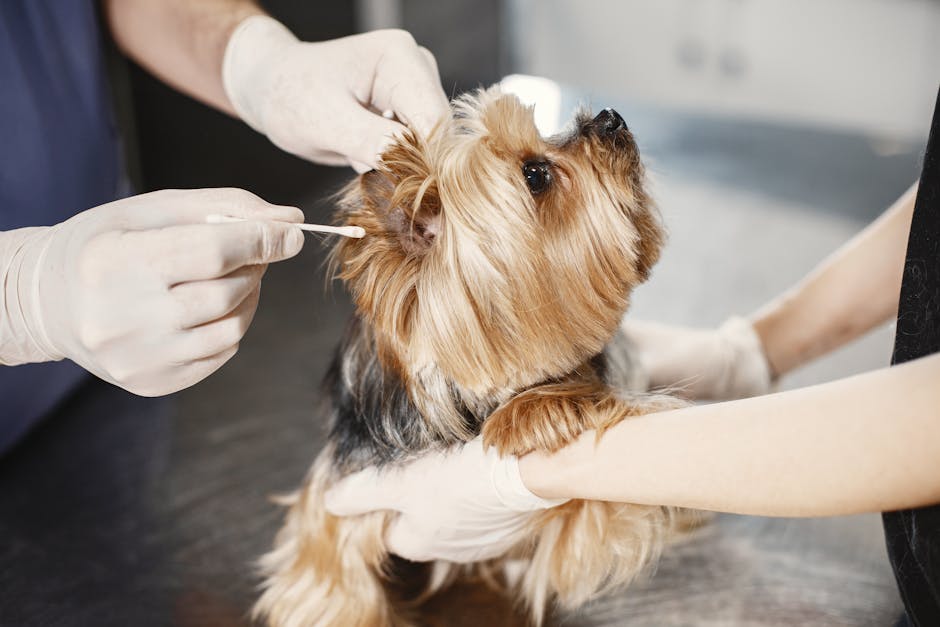
Pet ear care isn’t just about keeping your dog or cat smelling fresh. Ear problems start small—like extra head tilting or a slightly stronger odor—and then they spiral fast. I learned that the hard way when my own dog started scratching one ear after a bath and we waited “just a couple days.” The infection was already brewing.
Here’s the good news: you can catch most ear issues early with a simple routine, smart cleaning, and knowing the signs that mean “don’t wait—call the vet.” This guide covers both dogs and cats, what normal looks like, what’s not normal, and exactly when to see a vet.
Pet ear care basics: what “normal” should look and smell like
The fastest way to spot trouble is to know what normal looks like for your pet. Ear skin should look the same on both sides (not perfect, just similar). You’re checking for changes over time, not chasing a “clinical” look.
In general, normal ear skin is:
- Light pink to tan (varies by breed and fur color)
- Not wet or shiny with fluid
- No thick clumps of dark gunk
- Minimal odor (a mild “pet” smell is normal)
For cats, many ears look clean even when they’re sensitive, so still pay attention to behavior. If your cat pulls away when you touch the base of the ear, that’s a big clue—even before you see discharge.
What ear discharge colors usually mean
Discharge color is one of the clearest “pattern clues.” It doesn’t replace a vet exam, but it helps you decide how urgent it is.
- Dry, flaky brown wax: sometimes normal, sometimes mild irritation. Watch closely.
- Yellow-green wet discharge: usually infection-related fluid. Don’t delay.
- Black, crumbly debris: often ear mites (especially in cats, but dogs can get them too).
- Redness with clear fluid: irritation, allergies, or early infection.
- Bleeding: could be scratching/trauma, but also needs prompt vet care.
Real-world scenario: one of my neighbors noticed “dark crumbs” after their kitten spent time outdoors. They cleaned the ear once and waited. When they finally went to the vet two weeks later, the exam found mites and a secondary irritation from scratching. The vet said the first “crumbs stage” is when treatment works easiest.
How to check your pet’s ears at home (without causing more irritation)
A good home check takes 60–90 seconds and should never turn into rough poking. Your goal is to look and smell, then gently check the surface you can see.
A simple 3-step pet ear care check you can do weekly
- Look: Hold the ear flap and look at the inner folds. Compare left and right.
- Smell: Bring your nose close for a second. A strong sour or musty smell is a warning sign.
- Feel (gently): Lightly touch the outer ear opening. Stop if your pet pulls away hard.
If your pet hates this, don’t force it. Start with touch training: touch the ear base for one second, then give a treat. Over a week, build up to a full look. This is also a good time to connect pet ear care with pet training—calm handling makes later vet visits easier. If you want ideas, you might like our post on desensitization for fearful pets.
Do you need cotton swabs or “ear candles”?
No to ear candles. They’re dangerous and can cause burns or ear canal injury. And for cotton swabs, I’ll be direct: don’t put them deep inside the ear.
Cotton swabs can push wax and debris deeper, which traps moisture and worsens the problem. Use them only if you’re cleaning the outer edge you can see, and even then, be gentle. Most of the time, a proper ear cleaner and cotton pads are safer than swabbing inside.
When pet ear care cleaning helps—and when it makes things worse
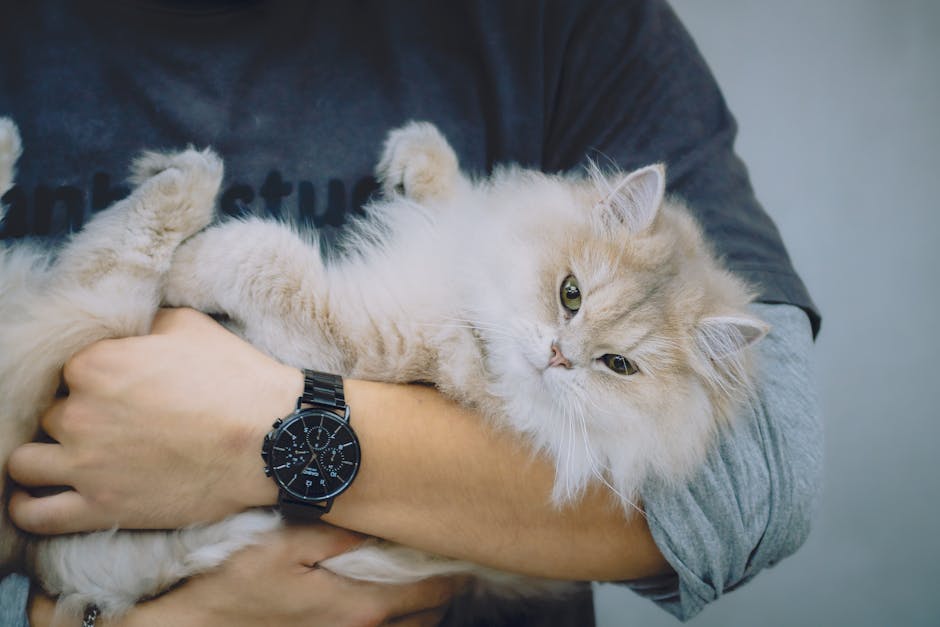
Cleaning is helpful when the issue is mild buildup or early irritation. It’s risky when your pet has pain, thick discharge, or a likely ruptured eardrum.
The “safe cleaning” checklist (quick decision tool)
Use this checklist before you clean:
- Your pet isn’t acting like it hurts when you touch the ear opening
- There’s no active bleeding
- Discharge is minimal or dry, not heavy and wet
- Your pet doesn’t show sudden strong head shaking
If you check “no” to any of these, skip cleaning and call the vet. Cleaning at home is not a substitute for treatment when there’s an infection already set in.
Step-by-step: how I clean ears at home (the non-dramatic way)
This is the routine I use in 2026 best-practice style: gentle, targeted, and short. Plan for 2–3 minutes total.
- Get the right supplies: an ear cleanser made for pets (avoid alcohol or hydrogen peroxide unless a vet tells you), cotton pads/gauze, and treats.
- Lift and stabilize: Hold the ear flap like a “lid.” Don’t twist.
- Apply cleaner: Place a small amount into the ear opening as directed on the bottle. Massage the outer ear for about 10–20 seconds.
- Let debris loosen: Give it 30–60 seconds, then wipe what comes out on the visible surface.
- Stop if it gets painful: If your pet yelps, freezes, or suddenly pulls away, stop.
Some popular product types include vet-recommended ear cleansers such as VetOne Ear Relief or Zymox Otic (availability varies by region). The exact brand matters less than matching the cleanser to the issue your vet diagnosed.
What most people get wrong about pet ear care
- Cleaning too often: Daily cleaning when there’s an infection can irritate the canal and delay healing. Many pets do better with cleaning only as directed.
- Ignoring one-sided problems: If one ear is worse every time, take it seriously. Infections and foreign bodies often show up on one side first.
- Waiting for “proof”: Pets don’t show symptoms on a perfect timeline. Odor and irritation can show up before swelling becomes obvious.
- Trying to “dry it out” with random home mixes: Oils, vinegar, and essential oils can burn or worsen irritation. If you’re not sure, don’t use it.
Early warning signs: how to spot ear problems before they become emergencies
Ear issues often start with subtle habits. If you catch them early, you can usually keep treatment simpler and cheaper.
Behavior clues that something’s off
Watch for these changes:
- Head shaking more than usual
- Tilting the head to one side
- Scratching at the ear base or rubbing against furniture
- Loss of interest in grooming (ears are uncomfortable)
- New sensitivity when touched near the ear opening
- Whining when you clean or when they shake
One “tell” I notice often is mood change. A pet with ear pain can seem cranky or withdrawn even before the owner notices discharge.
Skin and smell clues you can see within days
These clues show up fast when inflammation starts:
- Redness at the entrance of the ear canal
- Swelling or thicker folds
- Moist wax that looks darker than usual
- Musty, sour, or “yeasty” smell
- Crusting around the outer ear
Breed and lifestyle factors that raise your odds
Some pets are more prone to ear problems. That doesn’t mean you’ll get them, but it means you should check ears more often.
- Long floppy ears (like Cocker Spaniels): less airflow, more moisture retention
- Outdoor time: dirt, grass, and bugs can cause irritation or foreign body issues
- Frequent baths or swimming: water trapped in the canal is a common trigger
- Allergies: skin inflammation can spill into the ear canal
- Ear hair (varies by breed): can trap debris
If your dog swims often, you might want to pair ear care with our home tip guide on post-play cleaning and drying—check how to dry your pet after water.
Common causes of pet ear problems (and what they look like)
Knowing the common causes helps you understand why the vet may recommend testing instead of guessing. Ear infections aren’t always just “bacteria.”
Ear mites
Ear mites are tiny parasites. They’re more common in cats and kittens, but dogs can get them too.
- Clues: black or dark brown crumbly debris, intense itching, head shaking
- Often comes with: scratching behind the ears, hair loss from irritation
- What helps: vet-approved mite treatment for all pets in the home
If you’ve got multiple pets, don’t treat only the one ear-looking pet. I’ve seen mites keep coming back because another animal was carrying them without obvious symptoms.
Yeast (often linked to allergies)
Yeast infections are common, especially when pets have allergies. They can smell “bready,” sour, or musty.
- Clues: redness, thick waxy discharge, greasy feel, strong odor
- Often comes with: licking paws, itchy skin, recurrent ear issues
One original angle: if your pet keeps getting “ear yeast,” I treat it like a skin-management problem, not just an ear problem. That usually means looking at allergy control, food triggers, and keeping the ear canal dry after baths—things that go beyond quick cleanings.
Bacterial infections
Bacterial ear infections are common after the ear canal skin gets damaged from scratching, mites, moisture, or allergies.
- Clues: wet discharge, worsening odor, swelling, pain on touch
- Usually needs: vet diagnosis and ear drops or oral meds
Foreign bodies (grass, seeds, debris)
This is a “sudden onset” problem. A foreign body can lodge in the canal and cause quick pain.
- Clues: sudden head shaking, one ear involved, intense discomfort outdoors
- What to do: don’t dig. A vet may need special tools or sedation
Ear polyps or growths (less common, but important)
Some growths can cause recurring bleeding, discharge, or head tilt. This is why repeated ear issues need a proper exam, not just repeated cleaning.
- Clues: recurring problems on one side, bleeding, persistent odor that never fully clears
When to see a vet: the signs you shouldn’t wait on
Here’s the clear rule: if your pet shows pain, significant discharge, or fast worsening, you need a vet visit. Home care is for mild, brief irritation—not for likely infections.
Go to the vet within 24 hours if you notice any of these
- Your pet is clearly in pain (yelping, crying, pulling away hard)
- Heavy discharge (yellow/green), strong odor, or wetness spreading quickly
- Bleeding from the ear
- Bad swelling at the ear opening
- Head tilt or loss of balance
- Your pet can’t comfortably rest their head
If you’re deciding between “wait and see” and “call,” I’d call. Many clinics can give guidance by phone, and early treatment often prevents deeper canal infections.
Go the same day if you suspect a ruptured eardrum
You can’t confirm a ruptured eardrum at home. But you should treat these signs as urgent:
- Sudden severe pain followed by head shaking
- Sudden hearing changes
- Ongoing discharge plus dizziness or balance issues
Also, don’t use random “ear drying” drops when a ruptured eardrum is possible. Some ingredients can be unsafe if they reach the middle ear.
How much does pet ear care cost at the vet?
Costs vary a lot by location and severity, but in many places you can expect:
- Exam: often $60–$120
- Ear cytology (microscope test): often included or an added fee
- Medicated drops: typically $20–$60 depending on brand and length of treatment
- Follow-up: sometimes needed after 1–2 weeks
If you’re on a budget, ask the clinic what’s the most likely cause and what test they recommend. If they skip testing and just guess, you can end up paying twice.
People Also Ask: pet ear care questions answered
How often should I clean my pet’s ears?
Most pets don’t need frequent deep cleaning. A good plan is to check weekly and clean only when you see wax buildup or when your vet tells you to. If your pet has recurring ear issues, ask your vet for a schedule based on your pet’s specific cause.
For many pets, that ends up being every few weeks at most, not every day. More cleaning isn’t automatically better.
What can I use for pet ear care at home?
Use a vet-approved ear cleanser and stick to the label directions. Avoid home mixes like vinegar, rubbing alcohol, or essential oils. Those can irritate the ear canal and make inflammation worse.
If your pet has a known allergy problem, ask the vet which ingredients are safest. Some cleansers are gentler on sensitive skin.
Are ear infections contagious between pets?
Some causes can spread, especially ear mites. Bacterial and yeast infections are usually not “contagious” in the way a cold is, but pets can share the same triggers like allergies or moisture exposure. If one pet in a multi-pet household has mites, the vet will usually recommend treating all pets.
When in doubt, ask the clinic what they found on the ear sample before you change your home routine.
Why does my dog smell like “yeast” in the ears?
A yeast smell usually means yeast overgrowth plus inflammation. Yeast often shows up when the skin barrier is irritated, such as with allergies or frequent moisture. Cleaning alone won’t fix the root cause, so if it keeps coming back, schedule a vet exam and ask about allergy management.
Should I pluck ear hair for pet ear care?
For some breeds, ear hair can trap debris. But plucking can also cause irritation if done wrong. If your dog’s breed commonly benefits from hair removal, ask your vet or a groomer who knows your breed. Don’t do it at home unless you’ve been shown the technique.
Aftercare and prevention: how to keep ears healthier in the long run
Prevention is where you do most of the real work. Treating an ear infection is like putting out a fire. Prevention helps you stop the spark.
Make water safer: what to do after baths or swimming
Moisture is a huge trigger for many pets. After water play, follow these steps:
- Use a towel to dry the outer ear right away
- Check inside the ear opening for wet wax or trapped moisture
- If your vet recommends a drying product, use it as directed
- Don’t do deep cleaning right away—dry first, then clean only if needed
Also, avoid letting your pet shake repeatedly right after you apply cleanser unless the product instructions say it’s okay. If the ear is irritated, rough shaking can make swelling worse.
Allergy support (because ears often reflect skin issues)
If your pet has ongoing itchiness, ears can be the first place owners notice. I’ve seen it repeatedly: when allergies aren’t managed, ear infections come back again and again.
Talk with your vet about:
- Food trials if food allergies are suspected
- Allergy medications or safer skin-support supplements
- Testing when infections keep returning
If you’re interested in the skin side of this, you may also like our article on pet skin itching and allergies: what to do.
Create an “ear care kit” so you’re not scrambling
When you’re calm, you clean better. Your kit can be simple:
- Vet-approved ear cleanser
- Cotton pads or gauze
- Treats for training
- Disposable gloves (if you prefer)
- A phone note with your vet’s ear-care advice number
During a flare-up, you want a plan, not guesswork.
Final takeaway: spot pet ear care problems early, then act fast when it hurts
Good pet ear care isn’t about perfect cleaning. It’s about checking often, noticing changes, and being honest about when the problem is too painful or too messy for home treatment. If you see strong odor, wet discharge, head tilt, or bleeding, don’t wait—book a vet exam.
My practical rule for 2026 is simple: look weekly, clean gently only when it’s mild, and call the vet the moment you see pain or worsening. That combo keeps most pets comfortable and helps you avoid bigger, more expensive problems later.
Featured image alt text suggestion (for your CMS): “Dog ear care check showing clean ear canal and pet ear care routine for early issue spotting”