


If your dog suddenly gets stiff after naps, or your cat seems “off” after a new diet, it’s tempting to grab a bottle labeled joint support or calm. I get it. In 2026, pet supplements are everywhere—online, in big stores, and even in the checkout line. But here’s the honest part: some supplements truly help, some do nothing, and some can cause real harm when they’re the wrong product or the wrong dose.
In this guide, I’ll explain the truth about pet supplements in plain English. You’ll learn what helps (and how to spot it), what’s risky (and why), and a simple script you can use to talk to your vet so you don’t feel embarrassed or brushed off. I’ve seen the good, the bad, and the “why are we even using this?” in real homes and real clinics.
The Truth About Pet Supplements (Quick Answer)
Pet supplements can help with certain issues, but they are not the same as proven treatments, and quality control varies a lot. In plain terms, supplements are more like “support” than “fixes.”
Some products work because they replace a real missing nutrient (for example, omega-3 fats for some skin and inflammation patterns). Others work when there’s a clear, mild need (like certain fiber types). And some “miracle” claims are just marketing with a price tag.
As of 2026, the biggest problem isn’t that supplements are always unsafe—it’s that owners often start them without matching the product to the pet’s real problem, current meds, and exact dose.
What Helps: Evidence-Based Pet Supplement Wins
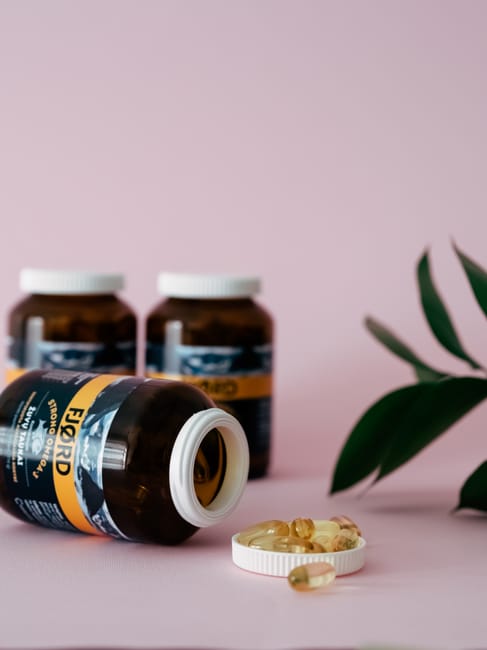
When a supplement lines up with the problem and the dose is right, you can see a real difference. The key is knowing which ones have the best track record.
Omega-3 (Fish Oil) for skin, coat, and inflammation patterns
Omega-3 fatty acids are one of the most common “helpful” supplements. They’re not a quick cure for allergies, but they can improve itch, coat quality, and inflammatory signals in some pets.
In my experience, owners notice changes in about 3–8 weeks if it’s going to help. That timeline matters. If someone tries it for two weeks and says it “didn’t work,” they often missed the window.
- What to look for: clear amounts of EPA and DHA (not just “fish oil 1000 mg”).
- What to avoid: soft gels that are hard to dose accurately for small dogs.
- Common side effect: loose stool or fishy burps if the dose is too high.
Probiotics for some digestion and stool issues
Probiotics are live microbes (or microbe parts). They can help with some diarrhea patterns, especially around stress, diet changes, or after antibiotics.
One thing people get wrong: buying the biggest number on the label. “10 billion CFUs” is not automatically better. What matters is the specific strain and whether it survives the stomach and reaches the gut.
I like products that list the strains clearly (example: Bacillus species or Enterococcus strains) and give a dosing plan. If the label is vague, it’s harder to know what you’re actually giving.
Fiber supplements for stool consistency (not weight loss claims)
Fiber is one of the most practical supplements for digestion. It can help firm up loose stools in some dogs and cats, especially when used with good food and enough water.
Fiber is also safer than many “calming” or “detox” products because it works by affecting stool and gut function, not by sedating or changing organs.
- What to look for: prebiotic fibers like inulin or psyllium, with clear directions.
- Important: add fiber slowly. Too fast = gas and stomach upset.
Glucosamine/chondroitin for arthritis support
For joint health, glucosamine and chondroitin are common. They don’t feel like a painkiller, but over time some pets move better.
Here’s what I tell clients: expect 4–12 weeks to judge results. If your pet is still painful after that, you don’t “push through” with more supplements. You reassess with your vet.
Also, quality matters. Some products are better made than others, and “human-grade” doesn’t automatically mean “pet-grade.”
What’s Risky: Common Pet Supplement Problems I See in 2026
Risk doesn’t always mean the supplement is poisonous. Most of the time, it’s dose errors, drug interactions, fake “test results,” or products that don’t match the pet’s condition.
Let’s break it down.
1) Supplements can interact with prescription meds
This is a big one. Even “natural” supplements can change how a drug works in the body.
Real-world examples I’ve seen:
- Blood-thinning risk: some supplements can increase bleeding risk if your pet takes meds for clotting issues.
- Heart and blood pressure concerns: products marketed for “calm” sometimes contain ingredients that affect the body’s systems.
- Liver stress: certain herbal blends can be hard on the liver, especially with long-term use.
When you bring supplements into the mix, it’s like adding another variable to a lab experiment. Your vet can still manage it—just don’t hide it.
2) Wrong product for the wrong condition (the “calm” trap)
One of the most common mistakes is using supplements instead of real behavior or medical help.
If a pet is anxious because of pain, anxiety supplements won’t fix the pain. If the “calming” product helps a little, that can trick you into delaying a proper exam.
I also see people give calming supplements for aggression or sudden behavior changes when a vet visit is needed to rule out pain, thyroid issues, or neurological problems.
3) Dosage errors: the label isn’t for your exact pet
Labels often use ranges like “small/medium/large” instead of true weight-based dosing. That’s fine for general guidance, but it’s not a substitute for careful dosing—especially for tiny dogs, cats, and seniors.
A dose that’s a little high can cause vomiting, diarrhea, or sedation. A dose that’s too low often does nothing, then you “increase” before anyone checks what’s going on.
4) Quality and contamination issues
In 2026, you’ll still see inconsistent testing and poor-quality ingredients on the market. Some brands don’t clearly show how they test for heavy metals, bacteria, or exact ingredient amounts.
One practical tip: if a brand won’t share third-party testing details (or keeps it hidden behind vague language), assume quality control is weaker.
Also watch for “proprietary blends.” That means you can’t tell how much of each ingredient is inside the mix.
5) Overlapping ingredients (double-dipping without realizing it)
This happens more than people think. You buy one supplement for joints and another for “mobility.” Both might contain the same ingredient. Then the total dose becomes too high.
It’s not always dangerous, but it can turn “support” into upset stomach or other side effects.
How to Talk to Your Vet About Pet Supplements (A Script That Works)

The best way to keep your pet safe is to talk to your vet like an equal partner. You don’t need to apologize or pretend you didn’t start something.
I’ll give you a quick script you can copy.
Step-by-step: bring the info your vet needs
- Bring the bottle or a photo of the label. Include the ingredient list and the serving size.
- Write down the dose and how long you’ve given it. Example: “1 chew daily for 3 weeks.”
- List your pet’s meds. Even “as needed” meds count.
- Tell what you’ve noticed. Better movement? Loose stool? Itch? Energy changes?
A simple script you can use in the exam room
Try this:
“I started this supplement for my pet’s (insert issue). I want to make sure it’s safe with their meds and the dose is right. Can you check the label and tell me if I should continue, change, or stop?”
If you want a slightly softer version:
“I’m trying to help at home. I’m not sure if this is the right approach, and I’d rather do it safely. What’s your take?”
Good vets like this. It shows you’re thinking ahead.
What to ask when you suspect a supplement isn’t working
- “What would success look like, and in how many weeks?”
- “Is this supplement treating the root cause, or only symptoms?”
- “What side effects should I watch for?”
- “If it doesn’t help, what’s the next step?”
Pet Supplements by Goal: Match the Supplement to the Need
Instead of shopping by hype, shop by the actual goal. This is how I help people avoid the “random bottle” approach.
Below is a practical guide you can use at home. Think of it as starting points, not guarantees.
| Goal | Common supplement options | What helps (realistic) | Main risk |
|---|---|---|---|
| Skin/itch | Omega-3, sometimes probiotics | Improved coat quality, less itch over weeks | Wrong allergy plan delayed; GI upset if dose is high |
| Loose stool | Fiber (psyllium/inulin), probiotics | Stool consistency if cause is mild/diet related | Delaying infection/parasite workup |
| Joint stiffness | Glucosamine/chondroitin | Better comfort and movement over 1–3 months | Waiting too long for arthritis pain control |
| “Calm” for stress | Herbal blends, L-tryptophan products | Some pets may relax slightly | Sedation, interactions, masking pain/medical causes |
If you want a strong rule of thumb: if your pet has new symptoms, pain signs, vomiting, diarrhea, weight loss, or major behavior changes, don’t “supplement your way out” first. Get an exam.
People Also Ask: Quick Answers About Pet Supplements
Are pet supplements regulated the same way as medicine?
No. In the U.S., supplements usually aren’t reviewed the same way as prescription or veterinary drugs before they hit shelves. That means the brand’s testing and quality control matter a lot.
For owners, this is why I’m picky about labels and third-party testing. A well-made product can still be useful, but you need to choose carefully.
Can pet supplements replace a good diet?
They shouldn’t. A great diet covers most needs. Supplements are for extra support, not a substitute for food that matches your pet’s life stage and health needs.
If you’re feeding a low-quality diet, no supplement will fully fix nutrient gaps or chronic digestive problems.
What’s the best way to start a supplement safely?
Start with one change at a time. I recommend waiting 2–3 weeks before adding a second supplement so you can tell what helped (or caused issues).
Also, start at the correct dose for your pet’s weight, not the dose you “guess sounds right.” When a label gives a range, ask your vet which number to use.
How long should I try a supplement before deciding it’s not working?
For digestion supports like fiber or probiotics, you can look for results in 2–4 weeks. For joint support, many owners need 4–12 weeks to judge comfort and mobility changes.
If you see no improvement by then, don’t just double the dose. Re-check the diagnosis and the plan with your vet.
What should make me stop a supplement right away?
- Vomiting, repeated diarrhea, or blood in stool
- New swelling, hives, or face itching
- Extreme sleepiness or breathing changes
- Signs of pain getting worse
If any of those happen, stop the supplement and contact your vet. Those signs aren’t “adjusting.”
My Real-World Take: The “One Bottle Problem”
This is the angle most supplement guides skip: the real risk isn’t only the ingredients. It’s the pattern.
I’ve watched families fall into what I call the “one bottle problem.” They start a supplement for one symptom, then add another when it doesn’t fully solve it, and another when the pet still has discomfort. Eventually the home plan becomes 4–6 products, and nobody knows what’s helping, what’s not, and what’s causing side effects.
My advice is simple: keep your supplement plan small and trackable. Use a notes app. Write down dose, date started, and what changed. If you need 6 bottles to manage one issue, that’s a sign you need a better diagnosis—not more products.
How Supplements Fit Into a Bigger Pet Care Plan
Supplements work best when they’re part of a full plan: food, movement, grooming, stress control, and regular checkups.
If you’re working on skin or coat, diet and flea/tick control matter a lot. If you’re working on joint comfort, weight management and safe exercise can be just as important as any chew.
If behavior is the issue, training and routines often beat anything you can buy.
For related home tips, you might like our posts on pet care home routines for skin and coat health and warning signs that need a vet visit. If you’re dealing with stress behaviors, see how to build a quiet routine for a nervous dog.
A Safe Starting Checklist (Use This Before You Buy)
Want a quick way to decide if a supplement is worth trying? Use this checklist.
- Match it to a real goal. “Joint support” beats “overall wellness.”
- Check the ingredient list for clear dosing. Avoid proprietary blends when possible.
- Look for third-party testing info. If it’s missing, treat it as a red flag.
- Confirm it won’t conflict with meds. Ask your vet if your pet takes any prescriptions.
- Start one product at a time. Track results for 2–12 weeks based on the goal.
- Stop if side effects show up. Don’t “wait it out” with vomiting or diarrhea.
Conclusion: The Takeaway for Pet Parents
The truth about pet supplements is that some really help—especially when they match the pet’s needs, come from a quality brand, and are dosed correctly. The biggest risks come from skipping the vet check, using supplements for the wrong problem, or stacking products until you can’t tell what’s happening.
If you remember only one thing, make it this: bring the label to your vet and ask for a yes/no on safety and dose. That one conversation can save your pet from side effects and save you money on bottles that never had a chance to work.