

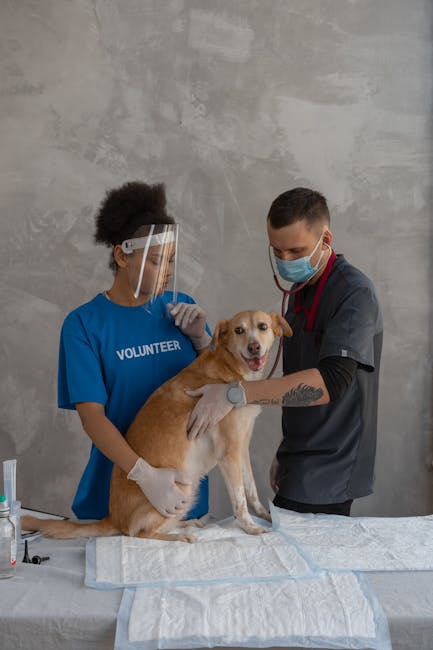
Here’s a truth I learned the hard way: most “small” pet problems don’t start small. They start as changes you notice for a few days—then they get bigger, cost more, and feel harder to fix.
A smart vet visit isn’t just a quick exam. It’s a chance to ask specific questions about your animal’s body, habits, food, behavior, and risk for common issues. That’s why I use this Vet Checkup Checklist every time my pets are due—puppy or kitten, adult years, and the senior stage.
Quick featured answer: Bring a short list of questions, ask about vaccines and parasites, review weight and poop/urine habits, ask what to watch for at your pet’s age, and ask for a home plan you can actually follow. That’s how you turn one appointment into year-round protection.
The Vet Checkup Checklist: Bring These Questions to Every Visit
The first step is simple: ask your vet to explain what matters right now and what matters next. This keeps appointments useful instead of turning them into a back-and-forth “hmm” moment.
When I walk into the room, I start with the same core questions. Here’s the backbone of the Vet Checkup Checklist you can reuse for any pet.
1) “Based on my pet’s history, what’s the biggest health risk this year?”
Ask for the one or two risks that matter most in your situation. For example, a dog with allergies needs a plan for skin and ear checks. A cat that stays indoors may still need parasite prevention, but the schedule can differ from a dog that hikes or meets other animals.
This question also helps you understand why the vet recommends tests or changes. You’re not guessing. You’re learning.
2) “Do you see anything that needs attention today—even if it looks minor?”
“Minor” is often where problems start. Dental issues, early arthritis, thickened heart sounds, ear infections, and even early kidney strain can show up before your pet seems “sick.”
If your vet finds something, ask: “What will happen if we do nothing?” Then ask, “What do you recommend we do instead, and what timeline should we expect?”
3) “What should I monitor at home this month?”
Get specific. Don’t leave with vague advice like “watch their appetite.” Ask for exact things tied to body systems.
- Food and water: Are there sudden changes?
- Poop: Stool firmness and frequency
- Urination: accidents, straining, more frequent trips
- Breathing: noisy breathing, coughing, or fast breathing at rest
- Skin and ears: scratching, head shaking, smell
- Mobility: stiffness after sleep, slower stairs
4) “Are we on track with vaccines, parasite prevention, and routine screening?”
As of 2026, the “right” schedule depends on where you live, your pet’s lifestyle, and what your local vet sees. Ask your vet to confirm the plan for your pet’s risk level, not just the default yearly set.
If you use a preventive medicine, bring the box or tell them the exact name and dose. I’ve seen too many mix-ups where the wrong product got recorded.
5) “What’s normal for my pet’s age?”
This question helps you separate normal aging from early disease. Some changes are common. Others are not.
For example, senior pets often sleep more. But increased drinking, weight loss, vomiting, or new hiding behavior isn’t “just aging.” It’s a reason to call your vet.
Vet Checkup Questions for Puppies and Kittens (0–1 Year)
For young animals, the goal of a Vet Checkup Checklist is growth, safety, and building healthy routines. You’re shaping their life, not just treating problems after they pop up.
In my experience, the most helpful visits are the ones where you ask how to prevent issues that start at home—like parasites, unsafe play, and diet mistakes.
“What should we be feeding, and how do I know the portion is correct?”
Ask about calories, not just “a good brand.” The vet should explain how to tell if the dose is right.
- Ask: “How many meals per day?”
- Ask: “What body condition score should my pet aim for?”
- Ask: “What should I do if they act hungry after eating?”
What most people get wrong: free-feeding and judging by “looks.” A puppy or kitten can look fine but still gain weight too fast, which can affect joints later.
“What vaccines does my pet need right now—and what schedule do we follow?”
Vaccines are not all the same, and the schedule matters. Ask the vet to list each vaccine and the reason for it (for example, core vs. lifestyle-based).
Also ask: “Are there side effects I should expect?” and “When should I call you?”
“How do I prevent fleas, ticks, and worms at home?”
Parasites don’t wait for your next appointment. Ask about a plan you can stick with.
- Ask what parasites are most common in your area
- Ask about indoor vs. outdoor risks
- Ask how to clean bedding and carpets
Real-world scenario: A friend of mine kept their kitten indoors, then used a preventive for “just the first few months.” The kitten developed worms after exposure from shoes and litter box contamination. A good vet visit should turn into a monthly routine you don’t forget.
“What dental, ear, and skin habits should we start now?”
Many pets hate dental care later because they never practiced earlier. Ask what tools are safe for your pet’s age and how often you should check ears and skin.
Also ask for a gentle “home practice plan” so your pet builds trust instead of turning the visit into a wrestling match.
People Also Ask: “How often should a puppy or kitten see the vet in the first year?”
Direct answer: In most cases, young pets need visits every few weeks early on for vaccines, then less often once the schedule is set. Your vet may recommend a wellness exam at intervals based on growth and vaccine timing.
Ask your clinic for the exact dates. Then put them on your calendar with reminders for the days before (for example, bringing records or refilling prescriptions).
Vet Checkup Questions for Adult Pets (1–7 Years for Dogs, 1–8 Years for Cats)
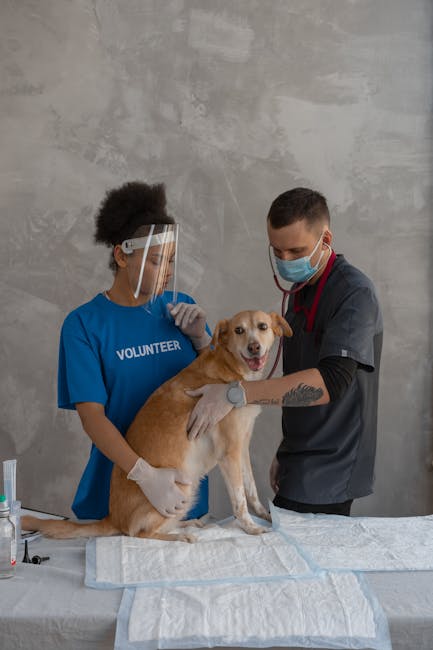
Adult pets usually look fine until they don’t. The job of a Vet Checkup Checklist in these years is catching early changes—before they become expensive problems.
This is also the stage where your pet’s lifestyle changes: new job schedule, new food habits, new neighborhood, more walking, less walking. Ask questions that match real life.
“Can we review my pet’s weight and body shape today?”
Weight is one of the biggest health clues vets use. Even a small gain can strain joints and make breathing harder over time.
- Ask for a body condition score (BCS)
- Ask if your pet needs fewer treats or smaller portions
- Ask for a safe weight-loss plan if needed
One adult checkup I attended included a simple change: treat calories were cut in half and replaced with measured training treats. The owner saw results in 8–10 weeks without “starving” the dog.
“What bloodwork or screening do you recommend for my pet, and why?”
Not every pet needs the same tests. But adult exams are a good time to ask about baseline health markers.
If your pet has risk factors (family history, overweight status, long-term meds), ask for a plan. If your pet is very healthy, ask what your vet would check if problems show up.
Important: Bloodwork costs vary by clinic and region. Ask for a range and whether they offer “basic panels” vs. expanded testing.
“How should we handle heartworm, fleas, ticks, and intestinal parasites?”
Even in places where you “don’t see bugs,” prevention still matters. Ask for a year-round approach if your area has seasonal risks.
If you want to change products, ask how to switch safely and what signs to watch for after starting a new dose.
“What’s the best way to keep teeth and gums healthy?”
Dental disease is one of the most common issues in adult pets. Ask what your vet sees now and what they recommend in the next 6–12 months.
- Ask how often you should brush teeth
- Ask what dental chews or water additives are safe for your pet
- Ask when a cleaning is recommended
Real-world tip: If your dog hates brushing, ask about a step-by-step plan (like finger wipes first, then toothbrush days). In training, we build habits the same way—small wins at home matter.
People Also Ask: “What should I bring to a vet appointment to make it faster?”
Direct answer: Bring your pet’s medical records (if you’re new), a list of symptoms and when they started, current medication and supplement names, and notes about eating, drinking, poop, pee, energy, and sleep.
If your vet asks for photos or videos, bring them prepared. For example, record a cough episode or a limping moment from the same angle each time.
Vet Checkup Questions for Seniors (7+ for Dogs, 8+ for Cats)
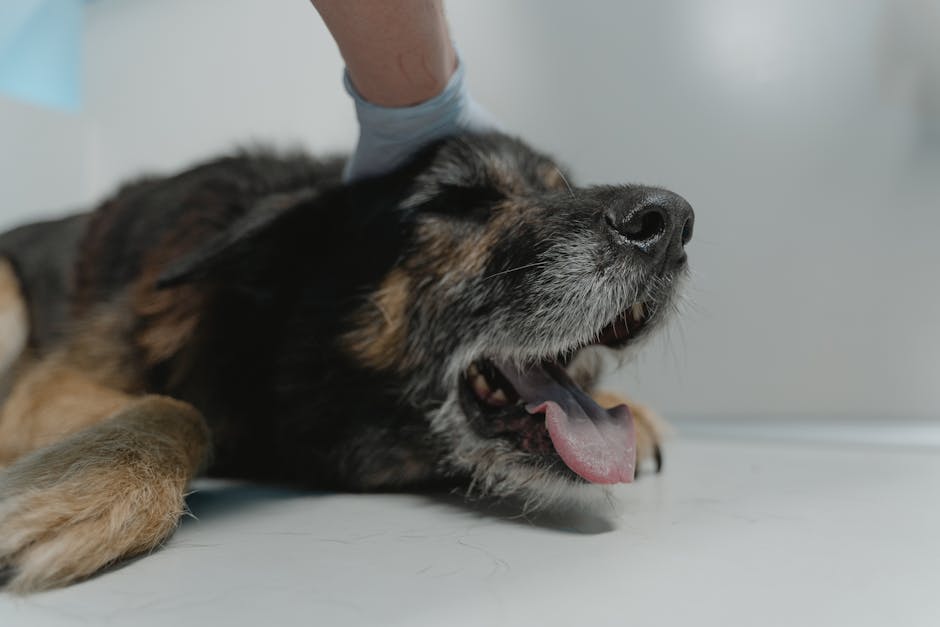
Senior pets don’t need panic. They need smart monitoring. A Vet Checkup Checklist in the senior stage focuses on quality of life, pain control, and early organ health changes.
In 2026, many vets strongly recommend earlier screening than people expect—especially for kidney, thyroid, liver, and joint health. Ask your vet what makes sense for your pet.
“What joints or spine issues should we check for—at rest and while moving?”
Ask for a mobility check during the visit. Then ask what you can do at home.
- Ask if a slow gait, stiff rise, or springy tail should worry you
- Ask about safer stairs, ramps, and non-slip rugs
- Ask if physical therapy or rehab is an option
My favorite question here is: “What should I change at home first—before medicine?” Even when medicine is needed, home changes can reduce pain and help the meds work better.
“What signs mean kidney, liver, diabetes, or thyroid problems?”
Ask the vet to connect symptoms to body systems in plain language.
- Kidneys: increased thirst/urination, weight loss, bad breath
- Diabetes: drinking more, peeing more, weight loss, sweet-smelling breath
- Thyroid (common in cats): more hunger, restlessness, weight loss
- Liver: appetite changes, vomiting, pale gums
Then ask: “What at-home step should I do first if I notice one of these signs?” For some pets it’s calling quickly. For others it’s collecting a urine sample or tracking appetite for 24 hours.
“Do we need more frequent exams, and should we do routine bloodwork?”
Many senior pets do better with at least annual bloodwork and more frequent follow-up if anything is borderline. Ask your vet for a clear schedule.
What most people get wrong: waiting until the pet looks “bad.” Seniors often decline gradually. Small changes in appetite, weight, or energy are meaningful.
“How do we handle pain and discomfort without hurting quality of life?”
Pain control isn’t just medicine. Ask about a full plan.
- Ask what pain signs look like in your pet’s breed and age
- Ask about anti-inflammatory plans and what to monitor
- Ask about heat/cold therapy and safe activity levels
If your senior pet is slowing down, ask your vet for training-friendly movement ideas. Even short, gentle sessions help keep joints moving.
People Also Ask: “Should seniors still get vaccines?”
Direct answer: Many seniors still get vaccines, but the schedule may change based on lifestyle and health. Ask your vet to review risks and decide what’s necessary, not just what happened last year.
Also ask about any history of vaccine reactions so they can plan safer choices.
Special Situations: Questions for Animals with Chronic Issues or Higher Risk
If your pet has allergies, anxiety, diabetes, kidney disease, heart conditions, or frequent stomach upset, your checklist should be more detailed. The visit should produce a plan you can follow between appointments.
This section helps you ask better questions the moment you walk in.
“How do we tell the difference between a flare-up and a new problem?”
Chronic conditions come with ups and downs. Ask what signs mean “normal for them” vs. “call the clinic today.”
Example: With skin allergies, small itchiness may be manageable at home. A sudden ear odor, head tilt, or heavy scratching can mean infection and needs a fast check.
“What labs or measurements should we track at home?”
Some conditions are easier when you track data. Ask if you should monitor:
- Body weight weekly (dogs especially)
- Water intake and urination frequency
- Blood sugar checks (for diabetic pets, if your vet recommends it)
- Breathing rate during rest
If your vet recommends a product, ask for the exact type. For example, for weight tracking, a standard pet scale at home can help avoid “guessing” between clinic visits.
“What medication side effects should I watch for?”
Always ask for a short list of the most important side effects—especially for long-term meds. If your vet says “watch for vomiting,” ask what vomiting frequency counts as urgent.
Also ask how to store meds safely and what happens if a dose is missed.
“How can I support behavior and training when health is part of the problem?”
Health changes often show up in behavior. Pain can look like irritability. Anxiety can look like accidents. If you’re working on training, ask how the medical side affects your plan.
If you want behavior tips that fit with a health plan, you may also like our guide on pet training basics (especially when your pet is distracted by discomfort).
People Also Ask: Quick Answers You Can Use Right Now
These questions show up again and again for a reason. They help people leave the clinic with clear next steps.
“What should I ask about animal health if my pet seems fine?”
Direct answer: Ask for a year plan. That means vaccines and parasites, what screening makes sense, weight and dental checks, and which symptoms you should watch for at home based on your pet’s age and lifestyle.
“How do I prepare my pet for a stressful vet visit?”
Ask what your vet recommends for stress handling. Some clinics offer low-stress handling techniques, and some recommend calming products. Start with practical steps first: short car rides, treats for the carrier, and a calm arrival routine.
I also ask for a “what to do after” plan. Many pets feel shaky for a few hours afterward, and knowing the plan helps you avoid misreading fear as illness.
“How often should I get my pet’s teeth cleaned?”
Direct answer: It depends on your pet’s mouth health now. Many vets recommend dental exams regularly and cleaning when disease is present. Ask your vet to check gums and explain what they see using simple terms.
If your pet is already showing bad breath or gum redness, don’t wait for “next year’s checkup.” Ask for an earlier dental exam.
“Do I need follow-up visits after bloodwork?”
Direct answer: Yes, if results are abnormal or borderline. Ask your vet what the next step is before you leave the appointment—whether it’s repeating labs, adding diet changes, starting meds, or rechecking in a set number of weeks.
A Simple Way to Use This Checklist (That Doesn’t Feel Like Homework)
You don’t need a 10-page document. You need a short list you’ll actually use, plus a way to remember what you learned.
I keep a note on my phone and I update it after each visit. Here’s the same system I use.
Step-by-step: Build your personal Vet Checkup Checklist
- Pick 5 “must-ask” questions for the visit based on your pet’s age and symptoms.
- Pick 2 “monitor at home” items (like water intake and appetite, or limping and stool quality).
- Bring product names for preventives, supplements, and any meds your pet takes.
- Ask for a timeline: “When should I call you?” and “When do we recheck?”
- Ask what not to do: “What should I avoid doing at home?” (This prevents common mistakes.)
One original rule I use: if the vet recommends something new, I ask, “What’s the simplest version of this plan for the next two weeks?” Most “full plans” fail because people can’t start them on day one.
Checklist template you can copy
- Biggest health risk this year for my pet:
- Any issues you see today that look minor:
- Vaccines and parasite prevention—exact schedule and product names:
- Do we need screening or bloodwork? What for, and what results mean:
- What do I monitor at home this month? (2–3 things)
- What should trigger a call or urgent visit:
- Home changes that help now (food, activity, teeth, skin, comfort):
How the Right Questions Save Money (and Spare Your Pet Stress)
This might sound harsh, but it’s true: vague vet visits can cost more. When you don’t ask about what’s normal, what to watch, and what to do next, you end up repeating appointments or waiting too long.
Here’s a comparison that’s close to what I’ve seen in real life.
| Situation | Common mistake | Better Vet Checkup Checklist question | What changes |
|---|---|---|---|
| Senior weight gain or loss | “They look a little off” and wait | “What body systems could explain this, and what’s our timeline to check?” | Earlier testing and less guessing |
| Chronic ear or skin issues | Only treating symptoms | “How do we tell flare-ups from infection, and what do I do at the first sign?” | Fewer long infections and faster relief |
| Teeth and bad breath | Dental chews only | “What do you see in the gums, and do they recommend cleaning or home care first?” | Better plan that matches the real problem |
| New limping | Keep exercising as usual | “What activity level is safe for the next 2 weeks while we figure this out?” | Less pain while healing starts |
Related Topics to Pair With This Checklist
Because pet health is connected to daily routines, it helps to link your vet notes with home habits. Two areas we cover well on this site are feeding routines and training support.
- Explore pet care articles for home routines that support healthy weight and comfort.
- Check out our posts on pets & home lifestyle for tips like safer surfaces, cleaning routines, and reducing triggers that can affect health and stress.
- If your pet struggles with handling (brushing, nail trims, crate comfort), browse pet training for practical habit-building steps you can start today.
Conclusion: Use the Vet Checkup Checklist to Leave With a Real Plan
When you use a Vet Checkup Checklist, you’re not “being difficult.” You’re being prepared. Your vet can focus on what matters because you’ve asked the right questions about animal health at every stage of life.
Before your next appointment, pick five must-ask questions, add two home monitoring items, and ask for a timeline for follow-up. If you do just that, you’ll catch problems earlier, reduce stress for you and your pet, and turn each visit into a step toward better health all year long.
Featured image alt text suggestion: “Dog and vet reviewing the Vet Checkup Checklist on a wellness exam table.”