

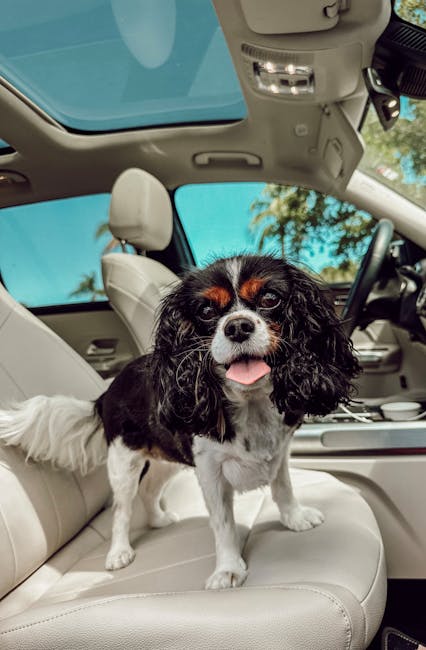
If you’ve ever had a dog trying to climb into your lap while you’re stuck at a red light, you already know this: pet travel can get stressful fast. The good news is that most problems happen for predictable reasons—no plan, the wrong gear, and skipping the “small” safety steps. This Pet Travel Essentials checklist turns chaos into a calm routine for car rides and road trips.
In 2026, safe pet transport is still the same basics: use a proper restraint, plan stops, and keep your pet comfortable and hydrated. Below is a practical, ready-to-use checklist I’ve built from real trips—plus the mistakes I’ve made and fixed along the way.
Pet Travel Essentials (Quick Answer): What you need before the car starts
Here’s the short version of Pet Travel Essentials: a safe restraint, a travel plan, and comfort items you can grab fast. If you pack those three things, you’ll handle most roadside surprises without panicking.
- Restraint: car harness + seat belt clip, or an airline-style carrier (for cats and small dogs).
- Comfort: familiar blanket, pet-safe wipes, and a small toy or chew.
- Plan: feeding timing, bathroom stops, and a “break it down” route so your pet doesn’t get overwhelmed.
- Safety basics: waste bags, water, travel bowl, and a recent ID tag or microchip info.
If you want a simple rule I use: pack for the worst 2 hours, not just the drive time. Weather changes. Schedules change. Pets act like pets.
Car ride safety for pets: restraints, placement, and what actually works
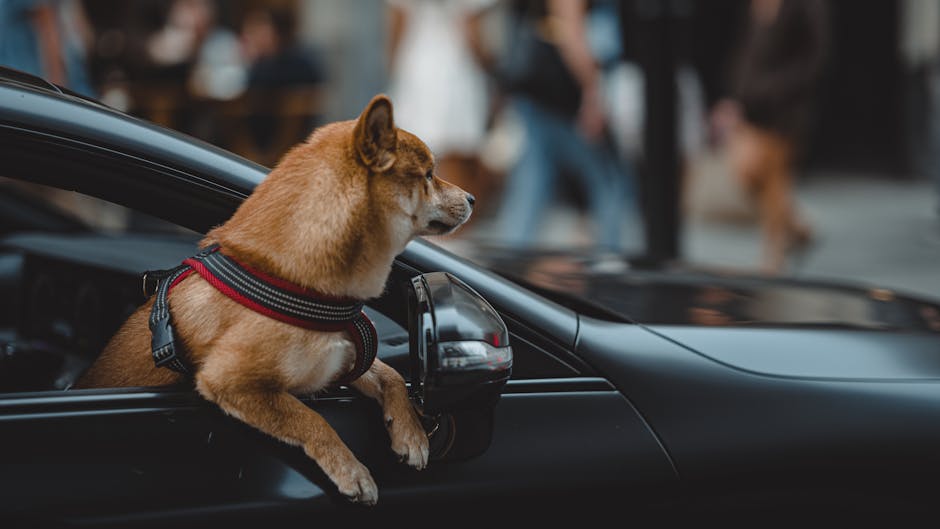
Car safety is non-negotiable because an unrestrained pet can become a flying object in a crash and also a distraction in normal driving. In my house, the rule is simple: if the seatbelt goes on, the dog or cat gets secured too.
Pick the right restraint for your pet size and behavior
Different pets need different restraints. A dog who barks at everything often does better in a crate or carrier than a loose harness, because it reduces visual chaos.
- Dogs (most common): a crash-tested harness paired with a seat belt tether. Look for “crash-tested” or “complies with” safety claims from the maker.
- Cats (almost always): carrier with a secure door and a seatbelt strap for the carrier base.
- Small pets: an escape-proof carrier with good airflow and a safe latch.
What most people get wrong: they buy a harness that’s meant for walking, not for car safety. Walking harnesses can slide off when a pet lunges, and they don’t hold up like car restraints.
Where to place your pet in the car
Placement changes how your pet feels. For most setups, the safest and calmest option is the back seat.
- Back seat, restrained: best overall. If you have a sedan, that’s usually easier than the trunk.
- Do not let pets ride in the front seat: especially for cats or dogs without a proper tether. Even when it’s legal where you live, it’s riskier.
- Avoid the rear window area: if your pet can press against glass, you’ll get more motion stress and more drool mess.
Original insight from my own trips: my anxious dog calms down more when his carrier/harness area is dimmer. If the sun hits the back seat directly, use a sunshade and keep the cabin cooler. Less glare = less “something’s happening!” energy.
How to plan feeding, water, and potty breaks (so your pet stays calm)

Most car sickness and anxiety isn’t random. It’s usually tied to timing: food too close to departure, too much water right before driving, and missed potty breaks.
Feeding timing that reduces nausea
I use a simple timing plan. The goal is to keep your pet’s stomach settled before the car moves.
- 1–3 hours before departure: offer water only if your pet normally drinks well in short periods.
- 3–4 hours before departure: feed a normal meal for most dogs. For dogs prone to stomach upset, aim for the earlier window.
- Right before leaving: no big meals. A small treat is fine if it helps with training.
For cats, I feed as usual the evening before a morning trip. Morning car rides usually go smoother when breakfast happens after you arrive—unless your vet says otherwise.
Potty breaks: the schedule I actually follow
Here’s a realistic plan that works for many pets without turning the drive into a marathon.
- Before you start: do a full potty break.
- Every 2–3 hours: stop for 5–10 minutes to let them sniff and go.
- If your pet shows signs of stress: stop sooner rather than forcing “just a little longer.”
Watch for signs like pacing, whining, sudden sniffing that won’t stop, or repeated lip licking. Those are often early “I need a break” signals.
Travel checklist for pets: pack once, travel often
This is the part people love because it removes guesswork. Below is a Pet Travel Essentials checklist you can screenshot and check off.
Pet travel safety checklist (the must-pack list)
- Restraint: crash-tested harness + seat belt tether, or secured carrier with a seatbelt strap
- Leash: even if your pet usually rides calmly
- Waste bags: plenty for long stops
- Water: a full bottle and a travel bowl (collapsible bowls work great)
- ID info: collar tag with phone number and updated microchip details
- Medical basics: any daily meds, plus a written dose note
- Paper towel or pet wipes: for paws, quick cleanups, and messes
- Blanket or familiar towel: comfort + helps reduce sliding on seats
- Comfort item: one safe chew toy or favorite small toy
- Training treats: small, soft treats for calm behavior
Car comfort and “stress control” items
These are the extras that help when your pet gets nervous. I’m not saying you need all of them for every trip, but having them saves you on tough days.
- Temperature help: sunshade, light fan for airflow, and a cooler day option
- Sound comfort: low-volume calming music or white noise (keep it low)
- Scent comfort: familiar blanket or a safe scent cloth your pet knows
- Non-slip mat: a washable mat helps pets stay in place and reduces “I’m sliding!” stress
- Travel divider: if you have a larger dog and back seat space, a barrier can prevent wandering
What not to pack (or what to avoid)
- Loose items in the front seat: a water bottle or toy can become a projectile.
- Free-roaming carriers: if the carrier isn’t secured, it can shift during braking.
- Unapproved “anti-anxiety” meds: if you’re considering calming products, ask your vet first. Safety matters more than comfort.
If you’re also working on calmer behavior at home, these trip skills connect well with training goals. You can pair this checklist with the steps in our guide on how to train your pet to stay calm during car rides (if you have an older post with that title, swap in the real URL).
Stress-free car rides: how to reduce anxiety step by step
Pets don’t “choose” stress, they react to unfamiliar sights, smells, and movement. The best results come from a slow routine and clear expectations.
Before you leave: practice the “trip routine”
Do this 3–7 days before a big trip if you can. It works best for dogs and cats that get nervous in new situations.
- Set up the restraint at home: harness or carrier stays out so it becomes normal.
- Do short sessions: 2–5 minutes with treats, then stop.
- Gradually add movement: sit in the car parked first, then turn the engine on briefly.
- End on a win: release your pet before they melt down. You want the lesson to be positive.
One thing I learned the hard way: if you start with a long drive, your pet learns the worst possible story—“restraint means panic.” Short practice builds trust.
During the drive: keep the routine steady
Once you’re moving, keep things predictable.
- Talk calmly: not a dramatic “it’s okay!” every 30 seconds. A steady voice helps.
- Don’t constantly check: quick looks are fine, but nonstop watching can make anxious pets worse.
- Use treats for calm moments: sprinkle them when your pet stays settled.
- Limit window exposure: some pets fixate on movement outside and get more worked up.
If your pet is drooling a lot, vomiting, or shaking hard, stop the drive and reassess. That’s not “just nervous.” That’s your cue to handle it like a health concern.
People Also Ask: Pet travel questions you’re probably thinking about
Can I put my dog in a car harness without a seat belt?
No—at least not if you want the safest setup. A harness without a tether lets your dog move during braking or turns, which can lead to injury and escape attempts. For car rides, the harness should connect to a seat belt tether or another secure anchoring system designed for travel.
Is a carrier safe for cats in the car?
Yes, as long as the carrier is secured and your cat has enough airflow. I strongly recommend using a carrier that can be strapped in using a seat belt or a compatible car strap. A “free-standing” carrier that slides around during stops is not safe.
Do pets need a break on every long drive?
Most pets do best with breaks every 2–3 hours. That gives them time to stretch, sniff, and relieve themselves. If your pet is older or has joint problems, you may need shorter but more frequent stops.
What if my pet gets car sick?
Car sickness is common, and it’s often worse when food timing is off or when your pet can’t settle. Start by adjusting when you feed, and reduce excitement before leaving. If vomiting continues, ask your vet about safe options—don’t guess with human motion-sickness meds.
How do I keep my pet safe during gas station stops?
Never leave your pet in the car, even for a short time. Weather affects cars fast, and pets can panic if they’re alone. Bring your pet with you if possible, or secure them properly while you’re actively watching them.
Emergency plan: what to do if something goes wrong
A good trip plan includes what you’ll do if you can’t “just continue.” In 2026, I keep this part written on paper because phones die and batteries drop.
Make a quick emergency card
Put this in your glove box or travel bag.
- Pet name, species, and breed (if known)
- Vaccination status (summary, not full documents)
- Microchip company name (if you have it)
- Your vet clinic phone number and address
- Local emergency vet number where you’re traveling
- Daily medication name + dose
If your pet escapes
It happens. I’ve seen it happen at a doorway or while someone is wrestling a leash into place. The move is to stay calm and control the area.
- Stop moving and call calmly—don’t chase.
- Use a known command and treats to create a “come” moment.
- Ask staff for help and check nearby quiet corners.
- Bring their favorite item to reduce fear.
Having updated ID info is a huge advantage. If you only have an ID tag with an old address, that’s a problem for future-you.
How to connect car travel with animal health and training
Pet travel isn’t just logistics. It’s also health and training. When you improve car comfort at the same time as your general home routines, your pet learns that travel is a normal part of life.
Health checks to do before a trip
In most cases, you should check in with your vet if your pet is older, has breathing issues, or has a history of motion sickness. For puppies and kittens, make sure vaccines and parasite prevention are up to date based on your vet’s schedule.
- Look at paws and skin for irritation before long rides.
- Check your pet’s ears for infection signs if they often shake their head.
- Plan meds for the day of travel, not “we’ll figure it out.”
If you’re building a routine around daily comfort and health, you’ll probably enjoy our articles in Animal Health about stress signs. That helps you spot early changes instead of waiting until your pet is fully upset.
Training helps travel feel boring—in a good way
Travel stress often drops when your pet learns a clear pattern: restraint means treats, calm moments get rewarded, and rest stops mean potty and sniffing. That’s Pet Training in the real world, not just a classroom goal.
If you want more training ideas that match this checklist, check our guide on confidence building and quiet time. The same calm cues you practice at home transfer to the car.
Best gear ideas (examples you can use right away)
I’m going to be honest: you don’t need every “top rated” gadget online. You need the right basics for your pet. Here are examples that work for many families in real life.
| Pet | Gear type | Why it helps | Common mistake |
|---|---|---|---|
| Dog | Crash-tested harness + tether | Controls movement during stops and braking | Using a walking harness only |
| Cat | Secured carrier with vented sides | Reduces visual stress and prevents escape | Leaving carrier loose on the seat |
| Any pet | Collapsible bowl + water bottle | Hydration on breaks | Forgetting to measure water needs |
| Dog prone to mess | Washable seat cover + non-slip mat | Less sliding and easier cleanup | Relying on towels only |
Note: I’m keeping this general because product fit depends on your pet’s size. When you buy, focus on the restraint being designed for car travel and follow the maker’s sizing chart.
Make it your own: a 30-minute packing routine
If packing feels like “one more thing,” use a short routine. I do this the night before or the morning of, but always in the same order.
30-minute routine that works
- Gather the restraint first: harness/tether or carrier strap.
- Add comfort items: blanket, chew, towel, and one toy.
- Pack the health basics: meds, wipes, waste bags, and a water bottle.
- Fill a travel bag: ID info card + vet contact info + leash.
- Do a final check: phone charger, water, and emergency card visible.
My best advice here is to keep a “pet only” bag. It lives by the door. When you’re rushing, you grab the bag and go. No last-minute rummaging.
Conclusion: your fastest path to stress-free Pet Travel Essentials
Stress-free travel comes from doing three things right: secure restraint, smart timing, and comfort packed in a predictable way. Use the Pet Travel Essentials checklist above, then practice the routine at home so the car feels normal.
Before you start driving, take 30 seconds to confirm: the harness is clipped, the carrier is strapped down, the water is ready, and you have waste bags and ID info. That quick check is what turns a tense trip into a calm one—even when your pet isn’t having their best day.