

One of the fastest ways to improve your pet’s health isn’t a new shampoo or a fancy supplement. It’s the food bowl. The tricky part? Most pet food labels look like they were designed to confuse you.
Choosing the right diet for animal health starts with reading the label the right way. In the next few minutes, you’ll learn how to spot what matters (and what doesn’t), so you can pick a diet that fits your dog or cat’s body, not just the photo on the bag.
Start Here: A Pet Food Label Answers Two Big Questions
When I read a bag, I’m really checking two things: “Is it complete and balanced?” and “Does it match my pet’s needs?” If either answer is fuzzy, I keep looking.
Pet food labels are meant to show you the ingredients and the nutrient rules the food meets. But labels vary by country and by brand, so you need a consistent method. This is the method I use in real life when I’m comparing two “similar” foods at the store.
How to Find the “Complete and Balanced” Proof (AAFCO / Feeding Tests)
This is the first line I look for because it tells you whether the diet can stand on its own.
Complete and balanced is the standard that means the food has the nutrients your pet needs, in the right amounts, for the life stage listed on the bag.
As of 2026, many U.S. brands follow AAFCO (Association of American Feed Control Officials) guidelines, either by:
- Feeding trials (the food is tested on animals), or
- Formulation standards (the recipe is built to match nutrient rules).
Look near the “statement of nutritional adequacy” section. You’ll often see wording like “complete and balanced for maintenance” or “growth and reproduction.” If you don’t see a clear statement for the life stage your pet is in, don’t guess—ask your vet or pick a different product.
Decoding Ingredients: What’s Real vs. What Sounds Scary
Ingredients can be a clue to quality, but the order and the story matter more than the big words.
The ingredient list is listed by weight, from highest to lowest. That means the first few items make up most of the food.
Here’s how to read it like a pro without getting stuck on fear phrases.
Ingredient Order: Why “Chicken” First Isn’t Always the Win You Think
People often assume the first ingredient tells the full story. But “chicken” on the label can be tricky because some foods list ingredients by name after cooking and water loss.
That’s why I don’t stop at “protein source first.” I also check the guaranteed analysis and talk to my vet when I’m switching diets for medical needs.
Example from a real-world shelf comparison: I’ve seen two kibble bags where both said “chicken meal” or “chicken” near the top. One also had a clearly stated protein range and fat range that matched a senior dog’s needs better. The other had higher fat and a lot of extra calories, which mattered when my client was seeing weight gain.
What “Meal,” “By-Product,” and “Ground” Usually Mean
This is where most people get it wrong. “By-product” sounds like something gross, but on pet labels it usually means parts of animals that are allowed by safety rules. The bigger question is whether the food meets nutrient needs and whether your pet tolerates it.
Still, you should pay attention to your pet’s body. If your dog has itchy skin, chronic ear infections, or tummy problems, ingredient quality and consistency matter. I keep a simple log: what food, when I switched, how much, and what symptoms changed over 2–4 weeks.
- Meat meal: a concentrated protein source (less water). Often shows up as “chicken meal,” “salmon meal,” etc.
- By-product meal: another concentrated animal protein source, but different parts.
- Ground grains: sometimes useful for energy, but not always needed depending on your pet.
Guaranteed Analysis: The Fastest Way to Compare Diets
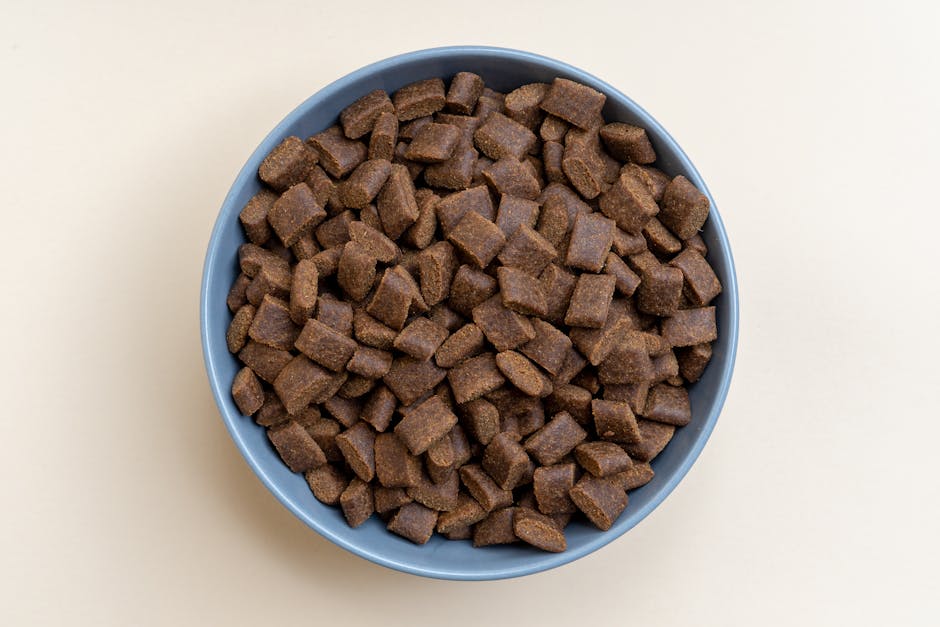
Guaranteed analysis is one of the most useful parts of a label because it gives you nutrient numbers you can compare.
It usually lists minimums and maximums for things like:
- Crude protein (minimum)
- Crude fat (minimum)
- Crude fiber (maximum)
- Moisture (maximum)
- Sometimes calcium and phosphorus
Important: “Crude” values are lab estimates, not the real, exact usable nutrients inside your pet’s body. But they’re still great for comparing two products that claim to be “for the same life stage.”
How to Read the Numbers Without Getting Tricked
Here’s my practical rule: compare foods within the same type (dry vs wet) and the same life stage (adult vs puppy/kitten). Comparing a dry kibble to a wet food with no context can lead to wrong conclusions.
Also, use the kcal per cup or kcal per can. Calorie density changes everything. A food with “good ingredients” can still pack more calories than your pet needs.
If you’re trying to choose the right diet for animal health for weight control, calories are your starting point—not just protein or fat.
Calories, Feeding Guidelines, and the “Real World” Portion Problem
Your pet’s health depends on the total daily intake, not the label hype.
Most bags show a feeding chart based on weight. These charts are a starting point, not a perfect plan. Every pet moves differently, and body condition matters more than the bag’s estimate.
Use Body Condition Score (BCS) Like a Shortcut
A body condition score is a simple way to judge body fat. Most vets use a 1–9 scale (sometimes 1–5). I use it too because it’s easy.
Here’s a plain-English check:
- You should be able to feel ribs with light pressure.
- Your pet’s waist should tuck in when viewed from above.
- Your belly shouldn’t hang down when viewed from the side.
If your pet is gaining weight, reduce the daily portion by 10–20% and recheck in 2 weeks. If weight drops too fast, add a little back. This is one of the most reliable ways to support animal health, because it’s focused on outcomes.
A Common Mistake: Ignoring Treats and Toppers
People switch foods and still feed the same number of treats. Or they add “healthy” toppers (extra protein, extra fats) without measuring. Then they wonder why digestion or weight doesn’t improve.
I’ve seen this exact pattern with sensitive stomach cases. The food helped, but the treat calories and extra fat kept the symptoms going. When the owner switched to measured treats and used the new food consistently for 3–4 weeks, the improvement became clear.
Fats, Omega-3, and Skin/Coat Clues (Where Labels Actually Help)

If your pet has itchy skin, dull coat, or allergy-type flare-ups, the label can point you in a helpful direction.
Look for fat sources like fish oil or salmon oil if omega-3 is a goal. Some foods list omega-6 sources too.
But don’t chase just one nutrient. Skin health is a system: inflammation, gut comfort, and overall diet quality all play a role.
What I Check for Allergy-Friendly Diet Switches
If you’re dealing with suspected food intolerance, you need consistency and time. Many pets don’t settle immediately.
My practical approach: when switching diets, use one diet for 4–6 weeks and keep treats simple. If your vet suspects a true food allergy, they may suggest a limited-ingredient or hydrolyzed protein diet. Read the label carefully because “limited ingredient” can still include many protein types depending on the product.
Limitations: if your pet is dealing with parasites, a skin infection, or environmental allergies, a food change alone won’t fix everything. In those cases, food is part of the plan, not the whole plan.
People Also Ask: How to Read Pet Food Labels Like a Pro
What does “AAFCO” mean on pet food labels?
AAFCO refers to the Association of American Feed Control Officials, which sets nutrient guidelines for pet foods. On many labels, AAFCO is used to show the diet is complete and balanced for a specific life stage.
If you see AAFCO feeding trial wording, the company tested the diet with animals. If you see formulation wording, the diet was built to match nutrient rules on paper.
Is grain-free food better for dogs?
Grain-free isn’t automatically better. Some dogs do great with grain-free diets, but other dogs get the same results with a diet that includes whole grains.
Also, “grain-free” doesn’t mean “carb-free.” It often means starch comes from other sources like potatoes or peas. If your dog has diabetes risk, sensitive tummy, or weight issues, talk to your vet about the best carbohydrate level and calorie density.
My firm opinion: pick a diet for your dog’s health goals first, not for trends.
What should I look for on a cat food label?
Cats are picky because they have different nutrient needs than dogs. They need certain nutrients, like taurine, and they often do better on diets designed specifically for cats.
So when reading a cat food label, check:
- “Complete and balanced” statement for the life stage
- Protein source quality and protein level
- Calories per can or per pouch (important for weight)
- Whether the food is meant for indoor cats if weight or urinary health is a concern
If you’re seeing vomiting, poor appetite, or litter box changes, get a vet check. Diet helps, but it can’t replace treating a medical problem.
How do I tell if a pet food is high quality?
High quality usually means the food is complete and balanced, has clear nutrient numbers, uses identifiable protein sources, and fits your pet’s body.
In my experience, the best quality signs are:
- A clear complete-and-balanced statement
- A protein and fat range that matches your pet’s needs
- A calorie count you can manage
- Fewer “mystery” ingredients you can’t understand
But I’ll add a real-world twist: the “best” label doesn’t matter if your pet refuses it or gets diarrhea from it. A diet only counts as healthy if your pet thrives on it.
Switching Diets Safely: A Label Is Only Step One
Changing foods too fast is one of the biggest reasons pets have stomach upset during a “healthy” switch.
When I help friends or clients move to a new diet, I aim for a 7–14 day transition unless a vet tells them otherwise.
A simple 10–14 day transition plan
Use this as a baseline. If your pet has a very sensitive stomach, slow down.
- Days 1–3: 75% old food + 25% new food
- Days 4–6: 50% old + 50% new
- Days 7–9: 25% old + 75% new
- Days 10–14: 100% new
Watch stool quality, gas, and appetite. If you see vomiting or watery diarrhea, pause and step back to the previous mix. Then ask your vet if you should continue or change course.
Best Label Habits for Different Animal Health Goals
Different goals mean you should look at different label lines. This is where “reading like a pro” turns into actual better health.
For weight control
Start with calories and feeding guide size. Then check protein and fat ranges so your pet stays full without extra calories.
- Choose a food with a calorie count that matches the portion your pet needs.
- Keep treats under control (I aim for treat calories to be no more than 10% of daily calories).
- Recheck BCS every 2–3 weeks.
For sensitive stomach
Look for a consistent protein source and avoid frequent switching. If the label lists many ingredients but your pet is still reacting, limited-ingredient diets can be a better fit.
- Check that the diet is complete and balanced.
- Transition slowly (7–14 days).
- Keep toppers minimal at first.
For joint support
Labels often mention added ingredients like glucosamine or chondroitin. Those can help some pets, but they’re not a replacement for proper weight and movement.
I always tell people: if your pet is overweight, a joint supplement is like putting a bandage on a leak. Fix the calories and activity first.
For kidney or urinary issues
This is one of the times I’m strict: don’t self-diagnose from the label. Kidney diets often have specific levels of protein, phosphorus, and sodium.
If your vet recommends a renal or urinary diet, follow the food label nutrient goals and stick with the prescribed product. This is animal health where “close enough” can matter.
A Quick Comparison Table You Can Use in the Store
Use this checklist to compare two foods in under 3 minutes.
| Label Part | What to Look For | Why It Matters |
|---|---|---|
| Complete & balanced statement | For your pet’s life stage (growth, maintenance, all life stages) | Ensures nutrient coverage |
| Guaranteed analysis | Protein/fat/fiber and moisture ranges | Helps you compare diets |
| Calories (kcal) | Per cup/per can and total daily allowance | Drives weight outcomes |
| Ingredient list | Protein sources near top; no surprise changes | Supports digestion and tolerance |
| Transition and consistency | Plan a 7–14 day switch | Prevents stomach upset |
Where Pet Food Label Reading Fits With Other Pet Care Habits
Diet works best when it’s part of the bigger picture. For example, training and routines can help you manage portions and reduce begging.
If you want a practical approach, check out our post on teaching your dog to stop begging at mealtime. It pairs really well with measured treat routines.
Also, digestion and behavior often connect. We cover common digestion triggers and comfort tips in common causes of diarrhea in dogs and what to do.
My “Like a Pro” Label Rule of Thumb (What Most People Don’t Do)
Here’s my original take: I treat the pet food label like a nutrition contract. I don’t just buy what sounds good—I verify the contract meets my pet’s current situation.
In 2026, that means I check the life stage statement, confirm the calories match my goal, and only then judge the ingredient list. It flips the usual order most people use.
Why this works: you can have a diet with impressive ingredients that still fails at the basics—too many calories, the wrong life stage nutrient balance, or a formula your pet can’t digest. Those issues show up fast on body condition and stool quality.
Conclusion: Choose the Right Diet for Animal Health With a Repeatable Label Method
If you remember only one thing, make it this: choosing the right diet for animal health is a label-reading skill you can repeat every time. Look first for “complete and balanced” for the correct life stage, then compare guaranteed analysis and calories, and finally check ingredients for tolerance.
When you switch, transition slowly and measure results using body condition and stool quality over 2–4 weeks. Do that, and your pet’s food choices stop being guesswork—and your pet’s day-to-day health starts showing it.
Featured image alt text: “How to read pet food labels for choosing the right diet for animal health”