


If you’ve ever seen your dog scratching at 2 a.m. or noticed new scabs on a cat’s neck, you know how fast pet skin problems can turn stressful. The good news: many skin issues have clear patterns, and some first steps you can do at home help a lot while you arrange the right care. In this guide, I’ll walk you through common pet skin problems—what causes them, what symptoms to look for, and safe home care first steps you can start today.
Skin problems are one of the most common reasons pets get rushed to a vet. In 2026, the best practice is still the same: observe closely, reduce irritation, and don’t guess too long. If you’re seeing fast spreading redness, open wounds, heavy swelling, or your pet seems sick, that’s a “call the vet now” situation.
Common Pet Skin Problems: How to Spot the Pattern Fast
The fastest way to help is to figure out what “type” of skin problem you’re dealing with. I usually start with three quick checks: itch level, where it’s happening, and how it looks (dry flakes, wet spots, bumps, hair loss, crusts, or bad smell). Those clues often point to the right cause.
Skin is part of the immune system. So when something throws it off—fleas, mites, allergies, infections, or even stress—you see the signs on the surface first. A key point: itch is not always equal to allergy, and “looks gross” is not always equal to infection. The body can show the same sign for different reasons.
Quick at-home skin checklist (takes 5 minutes)
- Body map: Note areas involved (ears, paws, belly, armpits, groin, tail base, neck).
- Coat clues: Is there hair loss, thick dandruff, greasy skin, or matting?
- Smell: A sour or “yeasty” odor often shows up with yeast overgrowth.
- Skin feel: Is it dry and flaky, or warm and moist?
- Behavior: Is your pet rubbing, licking, chewing, or scratching mostly at night?
Write down what you see. I’ve seen people remember the “big spot” and forget the small ones that mattered later. A simple phone note or video helps your vet a lot.
Allergies and Contact Irritation: The Most Common Cause of Itchy Skin
When your pet’s skin problem comes with lots of itching and repeating flare-ups, allergies are usually high on the list. This includes food allergies (less common than people think), environmental allergies, and contact irritation from products that touch the skin.
Environmental allergies are often seasonal but not always. Pets in homes can react year-round to dust mites, stored grains, pollen tracked in on shoes, and even mold. Contact irritation is what happens when skin touches something new—new detergent, a new flea collar, a different carpet cleaner, or even a specific plant.
Symptoms I look for with allergic skin
- Itching without obvious injury at first
- Redness, licking at paws, or chewing the belly
- Hair loss around the neck, belly, or legs
- Ear inflammation (redness, head shaking, or ear odor)
- Recurrent “hot spots” from scratching (hot spots are skin infections that start after irritation)
What most people get wrong: they treat the symptom (more baths, stronger shampoos) but ignore the trigger. Over-bathing can strip oils and make itching worse. With allergies, the goal is calming the skin and reducing the trigger over time—usually with help from your vet.
Home care first steps for allergy flare-ups (safe basics)
- Remove recent changes: Stop any new sprays, fragranced wipes, or new detergents for now.
- Use gentle cleaning: If you bathe, choose a hypoallergenic, fragrance-free shampoo made for pets. Don’t use human dandruff shampoo.
- Limit licking: If your pet won’t stop, use an E-collar or a soft cone. Licking keeps the skin open and prevents healing.
- Dry it well: For pets that get wet often, fully dry the skin after baths or swims.
- Cool compress: For local redness, a cool damp washcloth for 3–5 minutes can calm itch.
If you want a home routine that also helps with shedding and skin buildup, check out our guide on pet grooming basics for better skin and coat. It pairs nicely with allergy care because brushing helps remove loose hair and surface dander.
Flea Allergy Dermatitis: Small Bug, Big Reaction

Flea bites can be tiny, but flea allergy dermatitis can be huge. Many pets get itchy skin even from just a few flea bites, so you might not see fleas at all. That’s why people think the problem “came out of nowhere.”
Flea allergy dermatitis is common in dogs and cats. Pets often scratch around the lower back, tail base, hips, and inner thighs. Sometimes you’ll see tiny black specks (flea dirt) when you comb through the coat.
Common signs
- Rash and scabs near the tail base and back legs
- Chewing and licking, especially at night
- Black specks in the fur (flea dirt that turns reddish-brown on a wet paper towel)
- Thinning fur from repeated scratching
Home care first steps for flea allergy dermatitis
- Start a vet-approved flea plan: Don’t rely on random sprays. Follow the product label for weight and schedule. In 2026, many effective options are prescription or regulated—ask your vet.
- Wash bedding: Hot water if the fabric allows, and dry fully on high heat.
- Vacuum daily for 1 week: Focus on carpet edges and where your pet sleeps. Vacuuming is one of the fastest ways to cut the flea life cycle inside the home.
- Comb check: Use a flea comb every couple days and take a quick look at the tail base.
Original insight from what I’ve seen in real homes: most people treat the pet but forget the “main comfy spot” they share with the pet—like the couch corner or a favorite rug. Fleas breed in that area, and the pet keeps getting hit. Treat the home too.
Mites, Ringworm, and Other Parasites: When It Looks Like a “Bad Patch”
Some skin problems are contagious, and they show up as stubborn patches. Mites can cause intense itch and scaly skin. Ringworm is a fungus, but vets and people often group it with parasites because it spreads and causes similar-looking lesions.
Important: if you have more than one pet, assume the risk goes both directions. Wash hands after handling your pet’s skin, and clean the area where you inspect.
Mange (mites): what it often looks like
- Thick dandruff or crusty skin
- Hair loss in patches
- Itching or irritation that doesn’t match the season
- Often starts on the face, ears, elbows, or legs
Ringworm: the “circle rash” myth
People expect ringworm to be perfectly round. Real life is messier. Some pets get ringworm as patchy areas, cracked skin, or crusts with uneven edges. Cats can be especially tricky because they may not show obvious signs right away.
If you suspect ringworm, your vet may do a skin test. Don’t wait if you have a child in the home or another pet at risk.
Home care first steps if parasites are suspected
- Isolate the problem area: Keep the pet off beds and soft blankets until you know what it is.
- Clean with care: Vacuum and wipe hard surfaces. Wash washable bedding.
- Don’t shave everything: Shaving can spread spores or irritation. Let the vet guide you.
- Keep your hands protected: Gloves are a good move when handling crusts or lesions.
If you’re dealing with multiple pets, read our advice on managing pet skin issues in multi-pet homes. It’s written for real households, not lab conditions.
Bacterial Infections and Yeast Overgrowth: The “Wet, Smelly, Fast” Skin Issues
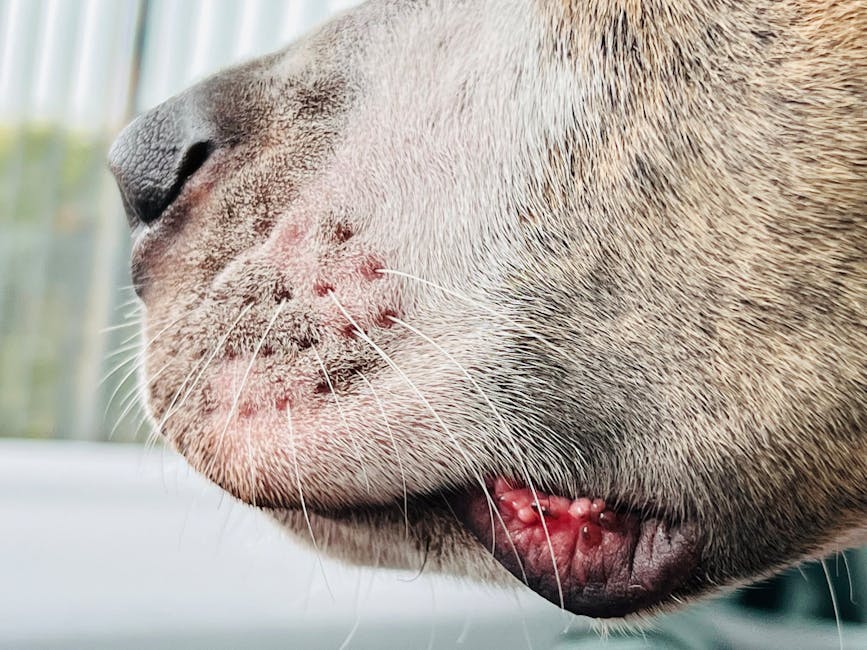
Some skin infections grow quickly. If you notice new redness that looks wet, sticky, or smells bad within days, think infection or yeast overgrowth. In my experience, these cases often show up after too much scratching or after moisture sits on the skin.
Yeast and bacteria can also turn a “normal itch” into a nonstop loop: itch → scratching → open skin → more germs → more itch.
Signs that point to infection or yeast
- Oozing, wet skin, or thick crusts
- Strong odor (often sour or “corn chips” smell with yeast)
- Warmth and pain when touched
- Rapid spread of redness
- Swollen areas or small bumps that turn into scabs
What you can do at home before the vet
- Gently clean: Use a pet-safe saline rinse or a vet-approved antiseptic wipe. Avoid alcohol or hydrogen peroxide on open skin.
- Keep it dry: If your pet gets wet outside, dry the area well.
- Don’t cover with random creams: Some human products make things worse or block proper treatment.
- Prevent licking: E-collar or cone until it’s treated.
- Take photos daily: Use the same lighting and angle. This helps your vet see improvement or worsening.
When I’m advising people, I emphasize one thing: infections often need prescription meds. Home care helps you get through the waiting time, but it’s not usually enough by itself if the infection is already going.
Dry Skin, Dandruff, and Dull Coat: Often Fixable, But Watch for Triggers
Dry skin is common and can be mild, but it’s also where you can accidentally cause more problems if you treat it the wrong way. Some pets have dry, flaky skin from weather changes or over-bathing. Others are dealing with underlying allergies or nutrition issues.
Dry skin usually improves with gentle routines and fewer irritants. If the “dandruff” comes with intense itch, redness, or hair loss, treat it as more than just dryness.
Home care first steps for dry skin
- Cut back bath frequency: For many pets, every 4–8 weeks is plenty unless your vet says otherwise.
- Choose the right water: Lukewarm, not hot. Hot water strips oils fast.
- Use conditioner sparingly: If you use a pet conditioner, rinse well so it doesn’t leave residue.
- Brush consistently: Brushing 3–5 times per week helps move oils and remove flakes.
- Check diet basics: If you recently changed foods or treats, go back to the previous diet and note if symptoms change.
What I’ve noticed: people often add a new “skin supplement” when they should first fix grooming and bathing. Supplements can help in specific cases, but constant itch usually needs allergy or infection control first.
Paw Problems: Hot Spots, Cracks, and the Skin in Between Toes
Paws are a common trouble spot because they get irritation from the ground, moisture, and licking. If your pet keeps licking their paws, you’re not just dealing with “dirty feet.” You’re often dealing with a skin irritation that feeds on itself.
Watch for these paw skin symptoms
- Redness between toes
- Cracks, splits, or bleeding pads
- Brown staining (from saliva, not dirt)
- Swelling or odor
- Chewing at the base of toes or around nails
Home care first steps for paw skin
- Rinse after walks: Use clean water to remove salts, dirt, and irritants.
- Dry carefully: Pat dry, especially between toes.
- Trim matted fur: Only trim what’s already loose. Don’t cut skin.
- Use a paw balm only if skin is intact: If there’s open skin or sores, don’t use thick balms without vet advice.
- Reduce licking: The fastest “home fix” is stopping the licking loop.
If your pet is also anxious about being handled, training helps. Our post on training your dog for grooming without stress makes paw care easier and safer.
People Also Ask: Pet Skin Problems (Quick, Direct Answers)
What are the most common pet skin problems?
The most common issues I see are allergies (environment and contact), flea allergy dermatitis, bacterial/yeast infections after irritation, and dry skin from grooming or weather. Parasites like mites and ringworm also show up often, especially in multi-pet homes.
How can I tell if my pet’s skin issue is an emergency?
Call your vet urgently if you see fast spreading redness, large swelling of the face/eyes, pus, heavy bleeding, or if your pet seems sick (fever-ish, very tired, not eating). Also get help right away if there are open wounds from chewing that won’t stop.
Is it safe to use human lotion or steroid cream?
No. Human products can be too strong, scented, or not meant for pets. If you use steroid creams incorrectly, you can mask symptoms and make infections worse. Ask your vet for pet-safe options.
Can I bathe my pet to fix itchy skin?
You can bathe for cleaning, but don’t use it as the only “treatment.” Over-bathing dries skin and can make itching worse. If you bathe, use lukewarm water and a gentle pet shampoo, and keep drying thorough.
How long can I wait before seeing a vet?
If there’s no improvement in 24–48 hours with basic home care, or if symptoms are worsening, book a visit. If your pet is very itchy, has open sores, or the rash spreads quickly, don’t wait.
What Home Care Should Look Like in the First 48 Hours
Your first two days should be calm, safe, and focused. I treat the early period like “gathering evidence and reducing irritation,” not guessing the cause.
A simple 48-hour action plan
- Stop triggers: Remove new products, and avoid extra supplements or new treats until you know what’s happening.
- Clean gently: Saline rinse or pet-safe wipes for visible grime. No harsh chemicals.
- Prevent licking/scratching: Cone/E-collar if needed. This one step often helps the fastest.
- Control the environment: Vacuum, wash bedding, and keep your pet on clean surfaces.
- Track changes: Take photos and note itch level 1–10 morning and night.
At the end of 48 hours, ask yourself: is itch improving, is the rash drying up, and is the area shrinking? If not, your pet likely needs vet treatment for the underlying cause.
When You See the Vet: What Tests and Treatment Usually Involve (So You’re Prepared)
Knowing what’s coming makes vet visits less stressful. Most skin cases get better faster when your vet can pinpoint the cause, not just treat “the look.”
Common diagnostic tools
- Skin scraping: Checks for mites.
- Fungal testing for ringworm: Helps confirm fungus vs. other causes.
- Flea exam and history: Your vet checks your current flea control routine.
- Culture or cytology: Looks at cells/bacteria/yeast under a microscope.
- Food trials: Used for suspected food allergy, usually longer than many people expect.
Treatment themes (not one-size-fits-all)
In 2026, the standard approach is still cause-based plus itch control. That may mean medicated shampoos, anti-itch meds, anti-yeast or antibiotic plans, and parasite control. If allergies are the cause, long-term management is common, not a quick “one and done” fix.
One thing I always say to clients: don’t stop early just because your pet looks better. Skin can improve before the problem is gone, especially with infections.
Preventing Pet Skin Problems: Small Habits That Make a Big Difference
Prevention isn’t about perfect homes. It’s about reducing the most common triggers and catching trouble early.
My prevention checklist for 2026
- Consistent flea control: Use a schedule your vet recommends, especially in warm months.
- Gentle grooming: Brush regularly; avoid harsh shampoos and frequent hot water baths.
- Rinse paws after walks: Especially when there’s salt on roads or sandy areas.
- Watch ears and paws: These areas often show the first signs of allergy or infection.
- Keep records: Dates, photos, and any new product changes make diagnosis faster.
A practical angle people don’t talk about enough: stress can worsen skin behavior. If your pet is anxious, home care and “not scratching” can be harder. If you’re also working on training routines, it can indirectly help the skin problem by reducing licking and scratching caused by nervous habits.
Final Takeaway: Start With Safe Home Care, Then Get Clarity
Common pet skin problems can look overwhelming, but you don’t have to guess blindly. Your best first steps are to map the rash, remove recent irritants, prevent licking, gently clean with pet-safe products, and track changes for 48 hours. If it’s spreading fast, oozing, very painful, or your pet seems unwell, don’t wait—book a vet visit.
If you do just one thing after reading this: take clear photos today and set up a simple routine for the next two days. That gives your vet the real clues they need, and it keeps your pet more comfortable while you get to the root cause.
Featured image alt text idea: “Pet skin problems on dog’s back with redness and scabs, illustrating common pet skin problems”