

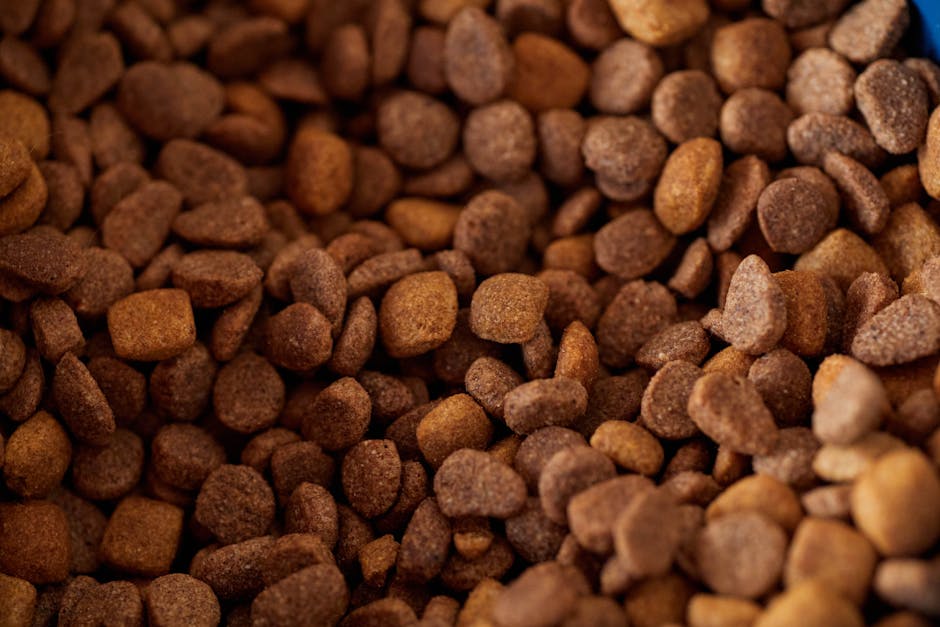
A surprising thing I’ve learned working with pet families: most “bad diet” problems aren’t caused by the food brand. They come from the routine—overfeeding, random treats, or switching diets without a plan. If you want your pet to feel better, look better, and have more steady energy, you need a diet that matches their body and their day-to-day life.
Choosing the right diet for optimal health starts with vet-style nutrition basics: how to read labels, pick the right calories, and avoid the most common feeding mistakes. This guide is built for dogs, cats, and even small pets, with practical steps you can use right now. I’ll also share a real-world routine I use when someone brings me a “mystery” weight gain case.
Vet-style nutrition basics: what “optimal health” really means
Optimal health means your pet gets the right nutrients in the right amounts—every day—without gut upset or weight creep. In simple terms, the best diet is the one that keeps your pet at a healthy body condition and supports skin, coat, teeth, and digestion.
“Balanced nutrition” is a label promise, but you still have to match the food to your pet. A 10-pound cat eating “all stages” food can be different from a growing kitten, and “light” dog food isn’t automatically right for every senior dog.
As of 2026, most vet clinics follow the same core approach: start with the pet’s life stage, target body weight, and health needs, then adjust based on stool quality, energy, and body condition score. (A body condition score is a simple visual and touch score for fat/lean muscle.)
Step 1: Match the diet to life stage and body needs
The fastest way to pick the right diet for optimal health is to start with life stage. Puppies and kittens need different nutrient levels than adult pets, and seniors often need fewer calories but still good protein.
Dogs: puppy, adult, senior—don’t skip this part
When people ask me about diet, I ask two things first: “How old is your dog?” and “What’s their current weight and body shape?” A puppy on an adult formula can grow slower or have nutrition gaps. An adult dog on a puppy formula can gain weight fast because it’s more energy-dense.
For senior dogs, the goal is usually steady weight, easier digestion, and joint support through appropriate nutrients (not just “grumpy joints supplements”). If your dog has arthritis, you’ll also want to pair food with gentle movement and a vet check for pain control.
Cats: growth, adulthood, and why “meal feeding” matters
For cats, life stage matters even more because cats often eat in multiple small meals. Kittens need growth nutrients, adults need muscle maintenance, and seniors need careful calorie control.
One mistake I see in 2026: people buy a food that says “for all life stages” and free-feed it without checking calories. Then the cat gains weight, and later everyone blames the food. The real issue is usually portion size and feeding style.
Small pets: rabbits, guinea pigs, and the “major food” rule
For rabbits and many small herbivores, the diet basics are very strict. Hay is usually the main food, pellets are usually a supplement, and fresh greens balance things out. Treats are not a daily food, even if they look healthy.
If your small pet isn’t eating hay, don’t rush to “replace” it with a new bag of treats or seeds. A vet-style nutrition plan for small pets starts with figuring out why they’re not eating (dental issues, stress, gut slowdown).
Step 2: Learn label reading the vet way (no guessing)
You don’t need a chemistry degree to choose a diet. You do need to check three label parts: guaranteed analysis, ingredient list, and feeding directions. That’s where most vet-style nutrition basics live.
Guaranteed analysis: what those numbers mean
Guaranteed analysis is the minimums and maximums for key nutrients like protein, fat, fiber, and moisture. It’s not a perfect nutrient map, but it helps you compare foods.
In practice, I use protein and fat as a starting point for muscle and energy needs, then I watch stool and skin as the real proof. If protein is high but your dog’s stool turns loose, you may have a sensitivity or the food just doesn’t fit them well.
Ingredients list: what’s first and why it matters
Ingredients are listed by weight before cooking. The first few ingredients usually make up the bulk of the formula. But here’s the catch: “chicken” can mean chicken muscle with water vs. chicken meal (more concentrated protein). That’s why reading protein percentages helps too.
My personal rule: I want a named meat or meal in the top ingredients, and I want quality carbs or fiber sources that match the species. For many pets, common “gentle digestion” ingredients include pumpkin, rice, oats, and certain fibers—depending on the recipe.
Feeding directions: start there, then adjust
Feeding charts are a baseline. I tell clients to start with the labeled amount for your pet’s weight, then adjust after 2–3 weeks based on body condition and stool.
If your pet is getting rounder at the same amount, reduce. If they’re too thin or acting hungry, increase a little and check treats too.
Step 3: Figure out calories (and stop the “treat creep”)
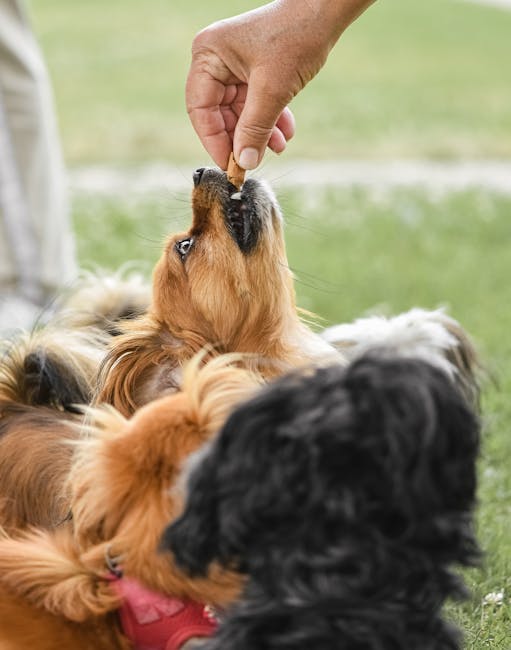
Most weight and energy problems come down to calories in vs. calories out. Even a perfect diet fails when treats become a hidden second meal.
A simple math method to control intake
Here’s a quick way to do the math without a spreadsheet. Take the feeding chart daily portion and compare it to your pet’s snacks. Then set a treat limit and stick to it.
In many vet clinics, a common guideline is that treats should be about 10% of daily calories. If you’re feeding a lot of training treats, you’re likely above that even if you “think” you’re not.”
Try this for two weeks:
- Weigh your pet once at the same time each week.
- Measure food using a kitchen scale if possible.
- Track treats for 3–5 days total (just count how many).
- Adjust food by 5–10% if weight is moving the wrong direction.
I’ve seen this work in real homes: a client with a “healthy” adult dog food kept the same portions but stopped using big training treats. Within 18 days, the dog’s waistline tightened and energy leveled out.
Case example: the “mystery weight gain” routine I use
When someone says, “My dog gained 8 pounds even though I feed what the bag says,” I don’t argue. I do a routine check. First, I ask about treats, table scraps, and how many “small extras” happen daily.
Second, I ask about the measuring method. Many people scoop from the bag without leveling the cup, and that can easily change portions.
Finally, I switch the routine to a 2-week reset: measured food, set treat limit, and daily walk time recorded (even if it’s just 20 minutes). After that, diet changes are easier because you know what actually caused the shift.
Step 4: Choose based on health goals (skin, tummy, joints, weight)
Here’s the truth: the “best” diet depends on what you’re trying to fix. Vet-style nutrition basics means you pick a goal first, then choose a food type that fits.
Skin and coat issues
If your pet has itching, flaky skin, or a dull coat, diet might help—but it’s not always the cause. Allergies, parasites, and skin infections can look like “food problems.”
When diet is involved, I look for foods with omega-3 fats (like fish oil or flaxseed), and I pay attention to fiber sources that support stool quality. If the issue is severe or sudden, schedule a vet visit because there may be an allergy, yeast, or mites.
Digestive sensitivity (gas, loose stool, picky eating)
Digestive upset is one of the most common reasons people switch foods. But switching too fast can make it worse.
If your pet gets loose stool, choose a food that’s consistent and easy to digest for them. Many vets recommend a gradual transition over 7–10 days, mixing the old and new foods slowly.
Simple transition plan:
- Days 1–2: 75% old food + 25% new
- Days 3–4: 50% old + 50% new
- Days 5–6: 25% old + 75% new
- Days 7–10: 100% new food
If stool gets much worse, pause and talk to your vet. Don’t “push through” severe symptoms.
Weight loss and weight maintenance
For weight loss, the diet should help your pet feel full without too many calories. Many “weight” formulas lower calories and sometimes add fiber so the stomach stays satisfied longer.
Still, no formula is magic. If your pet is still eating extra treats, the weight won’t move.
My go-to approach is a 2–4 week target. If your pet isn’t losing at a safe pace, you adjust. For dogs, a common safe target is around 1–2% body weight loss per week, but you should confirm with your vet for your pet’s health situation.
Step 5: Wet food vs. dry food vs. raw-style diets—what to know

The choice between wet and dry is often about health, routine, and teeth—not a “right vs wrong” battle. Wet food can help some pets with hydration and picky eating. Dry food can help with convenience and cost.
Wet vs. dry: how I decide
I look at your pet’s habits. If your pet doesn’t drink enough water or has constipation, wet food may help. If your pet eats too fast, smaller meals and puzzle feeders can slow them down.
For teeth, food texture helps a bit, but brushing and dental checks matter more long-term. If your dog has bad breath or tartar buildup, talk to your vet about a dental plan.
Raw and “home-prepared” diets: the biggest mistakes
Some families love raw-style diets or cook at home. I respect that choice, but I’m also direct about risks. Raw diets and homemade diets can be unbalanced without careful measuring and vet-guided nutrition.
The biggest mistakes are:
- Feeding the wrong calcium-to-phosphorus balance
- Not accounting for vitamins and minerals
- Changing recipes without a plan
- Not managing food safety at home
As of 2026, the safest way to do home-prepared diets is using a complete and balanced plan made by a vet or a board-certified veterinary nutritionist (or a company that provides full nutrition guidance). If someone offers a “raw recipe” online with no testing or balanced formulation, that’s where trouble starts.
People Also Ask: quick answers to common diet questions
What is vet-style nutrition, exactly?
Vet-style nutrition is an approach where you choose food based on your pet’s life stage, health needs, and body condition—not just brand trends. It also includes safe feeding amounts, a slow transition when switching, and follow-up by watching stool, skin, energy, and weight.
How long does it take to see diet results?
For digestion, many people see changes in stool within 3–7 days after a switch. For weight changes, give it 2–4 weeks and track body condition, not just the bathroom scale. Skin and coat improvements usually take longer—often 3–8 weeks—because hair growth is slow.
Can I switch my pet’s food cold turkey?
No, not if you want fewer tummy problems. A cold switch can cause gas, loose stool, and vomiting in many pets. Use the 7–10 day transition plan, and slow down even more if your pet is sensitive.
Are grain-free diets better?
Grain-free doesn’t automatically mean healthier. Some pets do well on grain-free recipes, but others get the same or worse digestion. What matters is the full recipe balance and your pet’s response.
If you’re considering a grain-free diet because of a long-term health issue, talk with your vet first—especially if your pet has heart concerns or has had past food reactions.
What should I feed a pet with allergies?
Food allergies usually require a careful process, not random food swaps. A vet may recommend a hydrolyzed protein diet (protein broken into tiny pieces so the immune system can’t react) or a strict novel protein plan with a real time window.
One big mistake people make is treating during the trial. That can reset the whole trial process. If your vet recommends a food trial, follow it like a rule book.
Do probiotics help pets?
Probiotics can help some pets, especially during transitions or after stomach upset, but they aren’t a cure-all. Think of them as a helper, not the core solution. If your pet’s stool stays loose for more than a few days or they act sick, get a vet check.
Build your “choose the right diet for optimal health” checklist
If you want an easy way to decide without overthinking, use this checklist every time you shop or change plans. I keep something like this on my phone because it stops the “panic buying” loop.
Diet checklist for dogs and cats
- Life stage correct? Puppy/kitten, adult, or senior
- Calories matched? Your pet stays at a healthy weight
- Protein source fits? Named meat/meal listed and consistent
- Fiber source supports stool? Not too loose, not too dry
- Feeding directions followed? Measure at first, adjust later
- Treats capped? About 10% of daily calories (or less if training a lot)
- Transition planned? 7–10 days for most pets
If you answer these and your pet still struggles, that’s the moment to talk to your vet. It’s usually not “your fault.” It’s a clue that the nutrition problem is more specific.
Where to get help (and what tools actually help)
You don’t have to guess alone. If your pet has recurring tummy issues, weight changes, or skin flare-ups, your vet can help you narrow the cause.
For day-to-day control, I like using a kitchen scale for meals. It costs less than most people think—often around $15–$25 for a basic food scale—and it removes a lot of scooping errors.
Also, if you’re working on training, diet and training must line up. If you feed big treats during pet training, you’re changing calories whether you mean to or not. If you want training ideas that don’t wreck your nutrition plan, check out our post on training treat strategies that protect your pet’s weight.
Common diet mistakes I see in real homes (avoid these)
This is the part I’m most passionate about because it saves pets from stress and saves owners from wasting money. These mistakes happen even when people mean well.
1) Switching brands for every bad day
It’s tempting to change food every time your pet has one loose stool. But one loose stool can be from stress, a new toy, or a minor stomach bug. Give the diet time after a slow switch before you judge it.
2) Over-treating and under-measuring
A treat here, a snack there, and suddenly you’re feeding extra calories. The bag feeding chart is for the main food, not for everything you toss to your pet because they “look hungry.”
3) Ignoring body condition score
Weight on a scale isn’t enough. Two dogs can weigh the same but have different body fat. Feel their ribs and waistline, and use a simple body condition approach. If you’re not sure, ask your vet or tech to show you how.
4) Choosing “premium” without checking the math
More expensive doesn’t always mean more right. The best diet for optimal health is the one your pet digests well and keeps them at the right body condition. Cost matters, but it’s not the only factor.
How this connects to other parts of pet care and home life
Diet affects more than digestion. It changes energy, behavior, and even how your pet responds to training routines.
If you’re building a healthier home routine, check our related guides in Animal Health for skin and itch clues, and visit Pet Care portion control and meal prep basics for practical steps you can repeat weekly.
And remember: a pet with steady meals and fewer tummy surprises usually trains better. That means less frustration for you and less stress for them.
Conclusion: your next step to choosing the right diet for optimal health
Your next step is simple: pick a diet that matches your pet’s life stage, measure the portion for 2–3 weeks, cap treats, and watch weight plus stool quality. Use a 7–10 day transition when switching, and don’t change brands during the adjustment window.
If you do those basics with care, you’ll usually solve the biggest diet problems fast. And when the problem doesn’t improve, that’s not failure—it’s your cue to bring your vet into the plan with real observations (how much you fed, how often treats happened, and what stools looked like). That’s what turns guesses into a clear, vet-style nutrition plan for your pet in 2026.
Featured image alt text (for SEO): Vet-style nutrition basics for choosing the right diet for optimal health for dogs and cats