

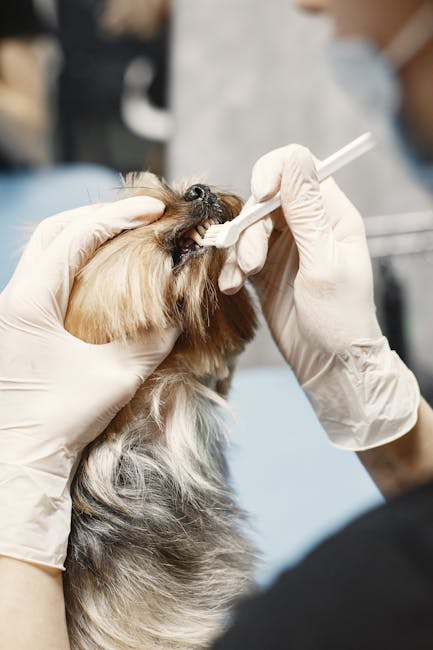
Here’s a truth that always surprises new dog owners: brushing is the only at-home habit that can consistently slow tartar before it turns into painful gum disease. Dental treats help, but they don’t replace brushing for most dogs—especially once plaque hardens into tartar.
In this guide, I’ll share a practical canine dental care deep dive you can actually follow. You’ll get a simple brushing routine, how to pick dental treats (and what to avoid), and a clear “go to the vet” checklist. I’m writing this from the real-world angle too: I’ve seen how fast dental problems show up when owners wait “until it gets bad.” In 2026, good home dental care isn’t optional—it’s basic pet health.
Canine Dental Care Basics: What Dental Problems Look Like (and Why They Start)
Dental disease usually starts the same way: plaque builds up, bacteria live in that film, and gums get irritated. Plaque is a sticky layer that forms on teeth every day. If it stays, it can harden into tartar (also called calculus), which brushing can’t remove as easily.
Once gums get inflamed, your dog may develop bad breath, bleeding, or tooth sensitivity. This matters because oral pain often affects eating, energy, and even behavior. I’ve had clients tell me, “My dog seems cranky lately,” and after a dental exam, the source turned out to be tooth pain.
Quick definition: What is plaque and what is tartar?
Plaque is soft and sticky. Tartar is hardened plaque that clings to teeth below the gumline. Tartar needs professional removal—regular brushing can’t scrape it off well once it’s fully formed.
Common signs you shouldn’t ignore
- Bad breath that doesn’t improve
- Red or swollen gums, or gums that bleed when touched
- Brown or yellow buildup near the gumline
- Drooling or pawing at the mouth
- Changes in eating (chewing slower, dropping food, avoiding hard kibble)
- Loose teeth or missing teeth
Brushing Routines That Actually Work: Step-by-Step for Dogs of Any Age
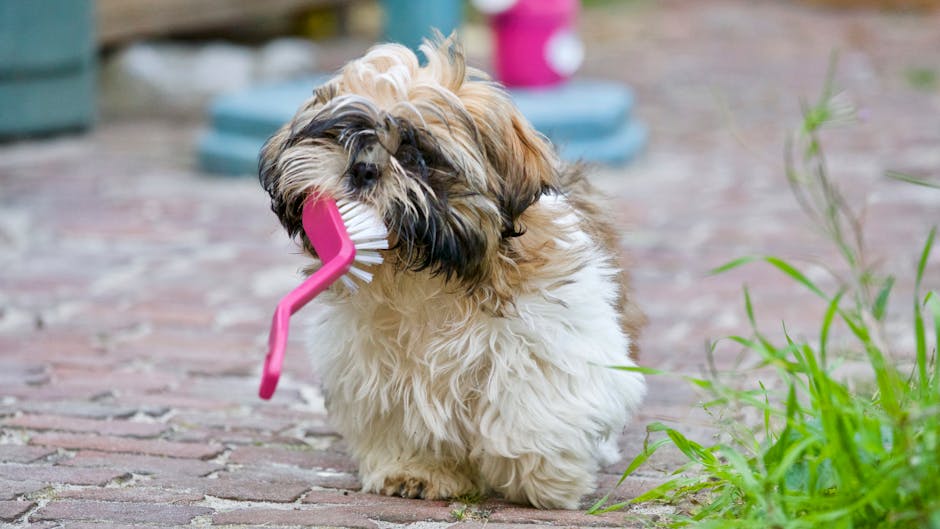
The best canine dental care routine is the one you can stick with. For most dogs, that means brushing 3–5 days a week, and ideally every day. When you brush, you’re disrupting the plaque layer before it hardens.
Here’s the routine I recommend based on real home visits and how dogs tend to react. Start slower than you think you need to. Even 20–40 seconds of real brushing beats doing nothing.
Step 1: Choose the right tools (this is where most people mess up)
Start with a dog toothbrush or a finger brush and dog-safe toothpaste. Human toothpaste isn’t safe for dogs. It often contains ingredients like xylitol (a sweetener that’s dangerous for pets) and it can upset their stomach.
Tools I see work well in homes:
- Toothbrush: small head angled brush or finger brush for beginners
- Toothpaste: enzymatic dog toothpaste (look for “enzyme” on the label)
- Optional: gauze or a soft cloth for the first week
One more thing: get a toothpaste flavor your dog doesn’t hate. Many dogs accept poultry or beef flavors quickly. If your dog refuses the paste completely, you’ll fight every time, and brushing will fail.
Step 2: Build acceptance in 5–7 days
Don’t start by aiming for a full mouth clean. Most dogs need a short “training window.” Do this:
- Day 1–2: Let your dog smell the toothpaste. Put a tiny smear on your finger and touch just the front teeth for 10 seconds.
- Day 3–4: Add the finger brush or cloth. Work the gumline area for 15–30 seconds total.
- Day 5–7: Brush in small sections. Do one side, then the other. Aim for 30–60 seconds total at first.
If your dog gags, struggles a lot, or fights hard, you’re moving too fast. Slow down for another 2–3 days. Your goal is calm, not “finish no matter what.”
Step 3: Use the right brushing technique
Place the brush at a slight angle toward the gumline. Use gentle, short strokes. You’re not scrubbing like a dish sponge; you’re breaking up plaque.
Spend a few seconds on each area:
- Front teeth (most visible, often easiest for beginners)
- Upper back molars (where buildup often hides)
- Lower back molars (harder to reach, but still important)
For a typical dog, 2 minutes once daily is ideal. But if you only manage 45–60 seconds, do that consistently. Consistency wins.
Step 4: Make it part of your day
Pick a time when your dog is already calm. After a walk and before dinner works for many dogs. I like to pair it with something predictable: “Brush, treat, done.” Then you end right after the last stroke, so your dog learns brushing means an end is coming.
What most people get wrong about canine dental care brushing
- Brushing only the front teeth while ignoring molars
- Using human toothpaste or flavored mint paste that upsets the stomach
- Brushing hard enough to make gums bleed (bleeding doesn’t mean “keep going”)
- Waiting until the dog hates it before you start training
Dental Treats, Chews, and Add-Ons: What Helps and What’s Mostly Marketing
Dental treats can support canine dental care, especially when they reduce plaque and slow tartar growth. But here’s my honest take: most treats are “bonus work,” not the main job. If you want real control of dental disease, brushing stays your foundation.
Still, the right treats can buy you time and make daily care easier.
How to choose dental treats that fit your dog
When you’re shopping in 2026, pay attention to a few things on the label:
- Size match: the chew should fit your dog’s mouth. Too small = swallowed pieces. Too big = no chewing.
- Texture: harder isn’t always better. Look for something your dog chews for a while.
- Ingredients: avoid treats that are mainly sugar or sticky carbs. They can worsen plaque.
- Purpose: some are for tartar control, some for breath, some for gum massage.
If your dog won’t chew, a treat won’t do much. For dogs that gulp food, choose tools that encourage chewing (when safe) or skip treats and focus on brushing and vet dental cleanings.
Dental chews vs. dental treats vs. water additives
These are different tools, and they work differently:
| Option | What it does | Big limit |
|---|---|---|
| Dental chews | Chewing action helps reduce surface plaque | Only helps areas that the chew contacts |
| Dental treats | Short chewing + ingredient support for breath and plaque | Often too small to do real tartar control |
| Water additives | Helps change bacteria/chemistry in the mouth | Not a substitute for brushing |
Real-world scenario: “My dog hates brushing, so treats will fix it.”
I hear this a lot. One client had a small dog who refused toothbrush training. They switched to dental treats and water additives for months. The breath improved slightly, but during a wellness dental check, we found tartar buildup near the gums and gum inflammation.
The lesson: breath products can mask the smell, but they don’t remove tartar already stuck under the gumline.
Dental treats: how often is too often?
Start with the amount suggested by the product label and stay mindful of calories. If your dog is gaining weight, dental treats can quietly become a health problem. A lot of “dental” chews are still just calories in disguise.
When You Should See a Vet: The Dental “Red Flag” Checklist
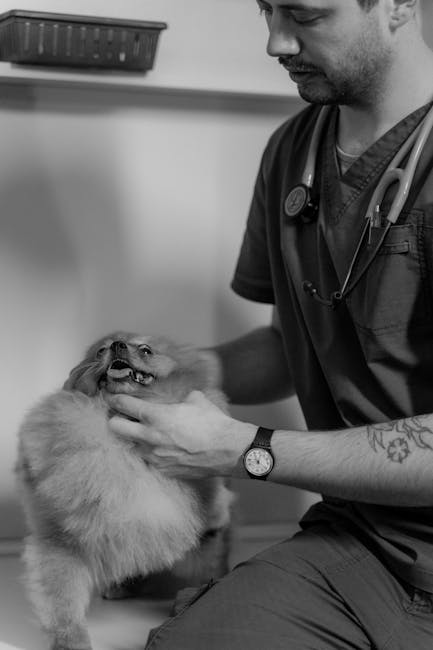
Knowing when to see a vet is part of canine dental care deep dive for a reason: dental pain doesn’t always look dramatic at first. Some dogs act normal while their gums are inflamed or a tooth root is infected.
If you notice any of the signs below, schedule a vet visit or a dental exam. Don’t wait for the next annual check just because your dog seems “mostly okay.”
Go to the vet if you see these signs
- Bad breath plus gum bleeding
- Swelling around the face, jaw, or gums
- Drooling or trouble swallowing
- Blood in saliva or frequent pawing at the mouth
- Loose teeth or teeth that look broken
- Pus or a bad-smelling discharge near a tooth
- Not eating or chewing on one side only
- Sudden behavior change (irritable, withdrawn, snapping when touched)
How vets check teeth (so you know what to expect)
Many people think a dental exam is just looking in the mouth. In real vet dentistry, they assess teeth and gums more thoroughly. Professional exams can include charting and sometimes X-rays to see issues below the gumline.
That’s important because you can’t always see the problem just by looking at the tooth surface.
How often should you do dental cleanings?
For most dogs, the timeline depends on age, breed, and how much tartar they already have. If your dog already shows buildup, the best next step is a professional dental exam to set a plan. Once your dog is clean, home brushing can make the next cleaning easier and less frequent.
People Also Ask: Canine Dental Care Questions, Answered Clearly
How often should I brush my dog’s teeth?
Brush 3–5 times per week as a solid goal. If you can manage it, once daily is best for preventing plaque buildup. If your dog is already dealing with tartar, brushing still helps, but you’ll also need a vet plan for safe removal.
Are dental treats enough for canine dental care?
Dental treats can help reduce plaque on contact surfaces and may support breath. But they’re not a replacement for brushing. Once tartar forms, treats usually can’t reach below the gumline.
What’s the safest way to introduce brushing?
Start with touch training: let your dog choose the speed. Begin with the front teeth, 10 seconds at a time, and build up over a week. Always use dog-safe toothpaste and keep sessions short enough that your dog ends calm.
Can I use coconut oil or baking soda for teeth?
I don’t recommend baking soda or DIY mixes as a regular routine. Baking soda can be harsh and unpredictable for mouth tissues, and it’s also not a true replacement for enzymatic action or plaque disruption. Coconut oil isn’t a proven dental treatment either. Stick with dog toothpaste made for dental care and talk to your vet if you want to add an oral product.
My dog won’t let me brush—what now?
Try a finger brush first, or use a soft cloth to rub the front teeth. You can also work on “mouth touch” training separately from tooth brushing. If your dog is very reactive, consider asking your vet for a behavior-friendly approach or professional help.
Do small breeds need special attention?
Yes. Small dogs often have crowded teeth, which makes plaque harder to manage. In practice, many owners need more frequent brushing and earlier dental checks for toy and small breeds.
Make a Simple Weekly Plan: Brushing + Treats + Vet Steps (No Guessing)
If dental care feels like a lot, it’s usually because there’s no plan. Here’s a simple weekly schedule you can start this week. It’s designed to fit real life, not a perfect “every day” fantasy.
Weekly canine dental care routine (example)
- Mon: Brush 1–2 minutes + small dental treat after
- Tue: No brushing (play or walk day) + water additive if you use one
- Wed: Brush 45–90 seconds (front teeth first if needed)
- Thu: Dental treat/chew based on label directions
- Fri: Brush 1–2 minutes
- Sat: Optional brush or just chew if your dog tolerates it well
- Sun: Brush 45–90 seconds and do a quick mouth check
Also do a fast “spot check” each day: look for red gums, bad breath changes, and broken teeth. It takes 20 seconds once you train yourself to notice.
Where I’d be extra strict
Be more consistent if your dog has any of these:
- Already has tartar or visible buildup
- History of gum bleeding
- Chewing problems, like eating slowly or avoiding hard food
- Breeds prone to dental issues (small breeds, brachycephalic breeds, and others with crowding)
Tools and Products to Consider (Examples, Not Rules)
It’s easier to follow a dental plan when you have the right setup at home. In 2026, there are many options, but you can keep it simple.
Toothbrush options that fit different dogs
- Finger brush: best for nervous dogs because it’s gentle and easy to control
- Small angled toothbrush: best once your dog is used to touch
- Soft cloth: great for the first week if your dog is very resistant
Toothpaste options
Choose dog toothpaste with dental benefits. Enzymatic toothpastes are a common choice because they help break down plaque bacteria. Use a small smear at first. Most dogs do fine with tiny amounts as long as it’s palatable.
Dental chew examples and how to use them safely
If your dog uses chews well, choose an appropriate size and supervise. I recommend supervising especially for new chew types. If your dog tries to swallow pieces fast or chews aggressively, change the plan—don’t just “push through.”
Costs, Time, and What’s Actually Worth It
Dental care isn’t free, but waiting is usually more expensive. Professional cleanings and treatments cost more when disease is advanced and more teeth need work.
At home, you’re spending on brushes, dog toothpaste, and a few dental treats. In most households, that’s a smaller yearly cost than repeated emergency dental visits.
A quick “value” breakdown
- Brushing: lowest cost per day, big payoff
- Dental treats: helpful support, but easy to overdo or under-do
- Vet dental care: essential when tartar, infection, or pain is already present
My opinion (based on seeing the pattern again and again): treat brushing like a health habit, not a punishment. The dogs who stay comfortable and healthy are the ones whose humans kept it simple and consistent.
Conclusion: Your Actionable Takeaway for Better Canine Dental Care
If you remember just one thing, make it this: plaque prevention works best, and brushing is the core tool. Start with short, calm sessions and build up. Use dental treats and chews as support, not as a replacement.
Then use the vet “red flag” checklist as your safety net. If you see gum bleeding, swelling, pus, tooth looseness, or a major change in eating, don’t wait—schedule a dental exam. Your dog’s mouth health affects the whole body, and the best time to act is before the problem becomes pain.
Related Reading on Our Site
- Positive reinforcement training for dogs (great for teaching “mouth touch” and calm handling).
- Dog grooming tips that pair well with dental routines (so your dog gets used to being handled).
- Healthy feeding routines for oral health (how diet and chewing habits can support your plan).
Featured image alt text suggestion: “Canine dental care brushing routine with dog toothbrush and toothpaste near the gumline.”