

One of the fastest ways to learn whether your pet’s diet is working is to watch the “after” signs—poop quality, coat feel, energy, and how often your dog or cat wants water. I’ve seen the same pet look totally different just from switching from dry-only to a better mix, or from going raw without doing it safely.
Here’s the direct answer: dry food is easiest and usually most consistent, wet food helps with hydration and picky eating, and raw diets can be a good match for some pets when you handle them right. The “best” choice depends on your pet’s age, weight, dental health, health conditions, and your ability to follow safe food steps every single day.
Below, I’ll compare dry vs. wet vs. raw in real-life terms and give you a clear way to pick wisely for better health.
Pet diet types explained (dry vs. wet vs. raw) in plain language
Knowing what each food type actually is helps you make smarter choices. Each diet type affects water intake, digestion, dental wear, and even how you handle germs in your home.
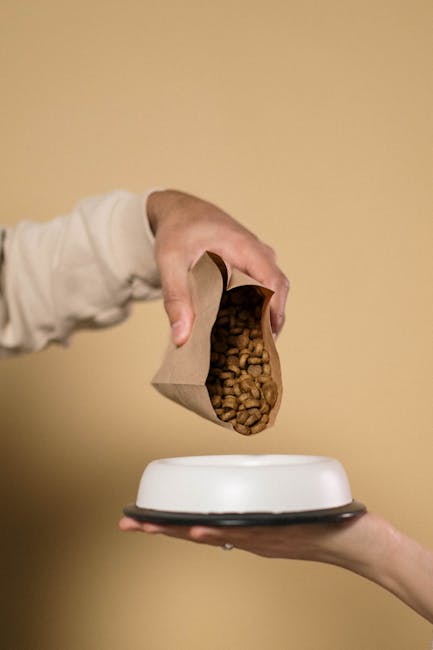
Dry food: kibble made to last
Dry food (kibble) is processed and baked, then shaped into small pieces. It’s designed to store well and keep for a long time after opening.
Because it’s dry, pets usually drink less water from the bowl. That matters most for dogs prone to urinary issues or cats that don’t naturally drink much.
Wet food: higher moisture in every bite
Wet food is cooked, packed in cans or pouches, and has much more water in it. Most pets find it more smelly and tasty, which is why it helps with picky eaters and older pets.
Wet food also supports hydration, which is a big deal for cats and for pets that don’t drink enough.
Raw food: meat (and organs) served without cooking
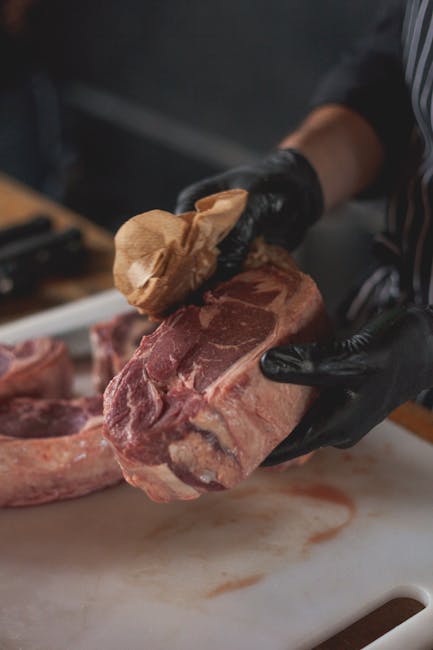
Raw diets usually include raw muscle meat, organs, and bone (or a bone-free version with added minerals). The idea is to mimic what animals eat in the wild.
Raw food is the highest-risk option in your home from a safety standpoint. Germs can spread from the food to your hands, counters, floors, and even your pet’s mouth.
Quick comparison: which pet diet type is best for health?
If you want a fast gut-check, use this comparison. Then read the sections that match your pet’s needs.
| Diet type | Health strengths | Common downsides | Best for | Most important “watch out” |
|---|---|---|---|---|
| Dry | Convenient, consistent, often good for portion control | Lower water intake, harder texture for some pets | Busy households, dogs that drink fine, pets needing easy feeding | Dental plaque and dehydration risk if water intake is low |
| Wet | More hydration, easier chewing, great for picky eaters | Can be costlier, opens spoil quickly, teeth still need brushing | Cats, seniors, pets with low thirst, pets recovering | Overfeeding if you don’t check calories and serving size |
| Raw | Some pets do great with digestion and coat, great variety | Higher germ risk, cost and time, needs careful nutrition balance | Pets with specific needs (when planned correctly) and owners who follow safety steps | Food safety + complete nutrition (not just “meat only”) |
Dry vs. wet vs. raw: how they affect digestion, teeth, and energy
Different diet types “hit” the body in different ways. You can usually tell within 2–6 weeks if your pet is responding well.
Digestion and poop quality
I always tell people to watch stool texture, frequency, and smell. A good target is firm, formed poop that’s not too small and not watery.
Dry food can lead to smaller, drier stools for some pets, especially if water intake is low. Wet food often makes stool a bit larger and softer because of the extra moisture.
Raw diets vary a lot. Some pets handle raw well right away, while others need a slower transition. If you see constant diarrhea or strong gas for more than a few days, stop and contact your vet.
Dental health (the part people get wrong)
Many owners think dry food “cleans teeth” just because it’s crunchy. Kibble may help a little with plaque, but it doesn’t replace brushing.
Wet food doesn’t scrub teeth at the same level, so if you switch a cat or dog to wet, you need a dental plan. For example, I like to pair wet food with a vet-approved dental chew and regular tooth brushing when the pet tolerates it.
If your pet already has tartar, dry vs. wet won’t fix it. A professional cleaning is usually the real step there.
Energy, appetite, and picky eating
Wet food often wins for appetite because it smells strong and feels soft. That’s why it’s a common choice for seniors, cats, and pets recovering from illness.
Dry food can be great for steady routines and training treats. Also, many owners use dry food as “measured portions” to manage weight.
Raw food is a different story. Some pets get more “interested” because raw smells very real, but other pets refuse it unless you transition slowly.
Health risks and safety: germs, nutrition gaps, and when to avoid certain diets
Health isn’t just about what’s in the bowl. It’s also about what happens in your home and whether the diet is balanced.
Raw diet safety: the non-negotiable steps
In 2026, food safety for raw diets still follows the same core rules: treat it like you would raw meat for people. I’m direct here because I’ve watched families get sick from “just rinsing” a container without proper cleaning.
- Wash hands with soap and warm water right after handling raw food.
- Clean and disinfect surfaces (sink, counter, floor spots) using a pet-safe disinfectant.
- Use separate tools like cutting boards and measuring cups. Don’t share them with human food.
- Store safely in the fridge/freezer with clear labels. Don’t leave raw food out to “warm up.”
- Pick up leftovers after a meal. Don’t let it sit.
If you live with kids under 5, older adults, pregnant people, or someone with a weak immune system, I strongly recommend talking to your vet before doing raw. That group needs extra caution because germs can spread in ways you don’t notice.
Nutrition gaps: “complete” vs. “home-made” vs. “meat only”
Here’s the biggest raw and even some wet/dry confusion: a diet must be complete, not just “mostly correct.” A complete diet has the right mix of protein, fat, vitamins, minerals, and (for many diets) the right calcium-to-phosphorus balance.
Many people try “meat only” raw and end up with problems like weak bones or mineral issues. Even if your pet seems fine at first, imbalances can show up later.
For commercial diets, look for language that says the food is “complete and balanced” for the life stage (growth, adult, senior) you’re feeding. When in doubt, email the company and ask for feeding directions and nutrient guarantees.
When dry or wet can be a bad fit
Dry food isn’t a problem for most pets, but it can be less ideal when water intake is low. If your dog or cat doesn’t drink much, start by boosting water first—more bowls, fresh water daily, and a pet water fountain.
Wet food can be tricky if your pet gets unlimited access. Wet is calorie-dense compared to some people’s expectations, so portion size matters.
Raw can be a bad fit for certain pets with severe immune issues or after certain surgeries. If you’re dealing with a health condition, your vet’s advice should guide the diet choice.
Cost, convenience, and effort: what it really looks like at home
Most people choose based on price per bag. But you should also consider time, storage, and waste.
Dry food: usually the easiest budget option
Dry food is simple: open bag, measure portions, store safely. It also tends to be cheaper per day for many pets.
One “hidden cost” is teeth and hydration needs. If your pet is already prone to urinary or dental issues, you may end up spending more on supplements, vet visits, or dental care.
Wet food: more cost per calorie, often less waste
Wet food usually costs more per day. But if your pet won’t finish dry or keeps getting picky, wet can reduce waste because you’re not refilling half-eaten bowls for days.
If you’re using canned wet, store leftovers in the fridge and use within 2–3 days. I like portioning into small containers so you can grab what you need.
Raw: time + safety steps + storage
Raw can be priced competitively, but you pay with time. Expect extra steps like thawing safely, cleaning tools, and planning meals.
For example, if your pet eats 16 oz of raw per day and you thaw overnight, you’ll need freezer space and a schedule. If you travel a lot, raw gets harder fast.
How to choose wisely for your pet’s health (a practical checklist)
This is the checklist I wish more pet owners had before switching foods. Use it to match the diet type to your pet instead of guessing.
Step 1: Start with your pet’s needs
- Age: puppies and kittens often need precise nutrients for growth; seniors may need easier chewing and more moisture.
- Body condition: if your pet is overweight, choose a plan that supports calorie control.
- Hydration habits: if your cat barely drinks, wet food often helps.
- Stomach history: if your pet has food sensitivities, you may need a slower transition and fewer ingredient changes.
Step 2: Pick the diet type that matches your lifestyle
- If you want low effort, dry or a dry+wet mix is usually easiest.
- If you want hydration support, add wet food or switch fully to wet for cats that drink poorly.
- If you want raw, commit to safety steps and a balanced formula from day one.
Step 3: Transition the food correctly (don’t rush it)
Switching diets too fast is one of the most common reasons for diarrhea. Aim for a 7–14 day transition unless your vet says otherwise.
Here’s a simple plan:
- Days 1–3: 75% old food + 25% new food
- Days 4–6: 50% old + 50% new
- Days 7–9: 25% old + 75% new
- Days 10–14: 100% new
If poop gets loose, slow down. Hold the current mix for another 2–3 days.
Step 4: Track results like a detective
For the first 2–4 weeks, write down: appetite, stool shape, vomiting (if any), itching, and energy. I’ve seen people assume a diet “doesn’t work” after only 4 days, then they switch again and make the pattern worse.
If you track one thing, track poop. Stool changes usually show up before hair coat changes.
People also ask: dry vs. wet vs. raw
Is wet food better than dry for cats?
Wet food is often better for cats when hydration is the problem. Many cats drink very little on their own, so the extra moisture helps support urinary health.
That said, wet isn’t automatically “healthier.” You still need the right nutrients, and you need proper portion control based on calories—not just “a couple spoonfuls.”
Can I mix dry and wet food?
Yes, and for many households it’s the best compromise. I usually recommend mixing when you want the convenience of dry but still want the hydration and taste boost of wet.
Use feeding guides for each product and add the calories together. If you don’t, it’s easy to accidentally overfeed.
Is raw food healthier for dogs?
Raw can be a good match for some dogs, but it’s not automatically healthier. It can improve how some pets digest and how their coat looks, but it comes with safety risks and nutrition balance needs.
If you’re set on raw, choose a complete commercial raw diet and follow strict hygiene. If your dog has a health condition like kidney disease or a history of pancreatitis, you should get vet guidance before changing anything.
How long does it take to see results after switching diets?
Some changes show up in a few days, like appetite and stool texture. For digestion stability and skin/coat changes, expect 2–6 weeks.
If you see worsening vomiting, blood in stool, or persistent diarrhea after a transition, stop the switch and call your vet.
Real-world scenarios: what I’ve seen work (and what failed)
Every pet is different, so I’ll share a few real patterns that show up a lot in my day-to-day pet care conversations.
Scenario 1: Cat that “forgets” to drink water
A client told me their cat would eat but never drink from the bowl. The switch was simple: they moved to wet food at two meals a day and offered water fresh twice daily.
Within 3 weeks, stool firmed up and the cat stopped acting like it was constipated. The owner still keeps dry food for backups, but wet does the main hydration work.
Scenario 2: Dog with picky eating and dry-only meals
A picky dog would turn away from the same kibble after a few days. We used a dry+wet mix: a measured portion of dry plus a small amount of wet for smell and texture.
Instead of changing foods every week, they kept the same formula longer. That one decision (staying consistent) did more than the brand choice.
Scenario 3: Raw diet attempted too fast
One family switched to raw all at once. The dog got diarrhea for several days, and they assumed raw was “bad” even though it was likely a transition and portion issue.
When we planned a slower transition and checked that the raw was complete (not just meat), the dog improved. The biggest lesson: raw needs a plan, not just good intentions.
My practical “best choice” recommendation for most people
If you forced me to recommend one starting approach for a healthy adult pet with no major medical issues, it’s this: choose a complete, balanced dry food or wet food, then adjust based on hydration and appetite.
In real households, the best outcomes often come from small, consistent moves. That’s why many people do well with a dry+wet mix rather than jumping straight to raw.
Raw can be great, but only when you’re ready for food safety and nutrition planning. If you can’t commit to that, wet is usually the safer “next step” for improving diet quality.
Connect this to other pet care topics on our site
If you’re thinking about changing food, it helps to pair it with other care basics. These guides fit well with diet decisions and can help you spot issues early:
- How to Transition Your Pet’s Food Safely (timing, ratios, and what to watch)
- Urinary Care Tips for Cats and Dogs (hydration routines and red flags)
- Dental Care Basics: Beyond Crunchy Kibble (signs of dental pain and daily habits)
Conclusion: pick the healthiest diet you can actually stick to
The healthiest diet isn’t the “trend.” It’s the one that’s complete, fits your pet’s needs, and stays consistent long enough for you to see real results.
Dry wins for convenience and routine, wet wins for hydration and picky eaters, and raw can fit some pets best—but only with strict safety and balanced nutrition. Use the checklist above, transition slowly, and track stool and appetite for 2–6 weeks. If you do that, you’ll make a choice that supports health instead of creating new stress.
Featured image alt text (for SEO): Comparing pet diet types dry wet and raw with food bowls and hydration cues