

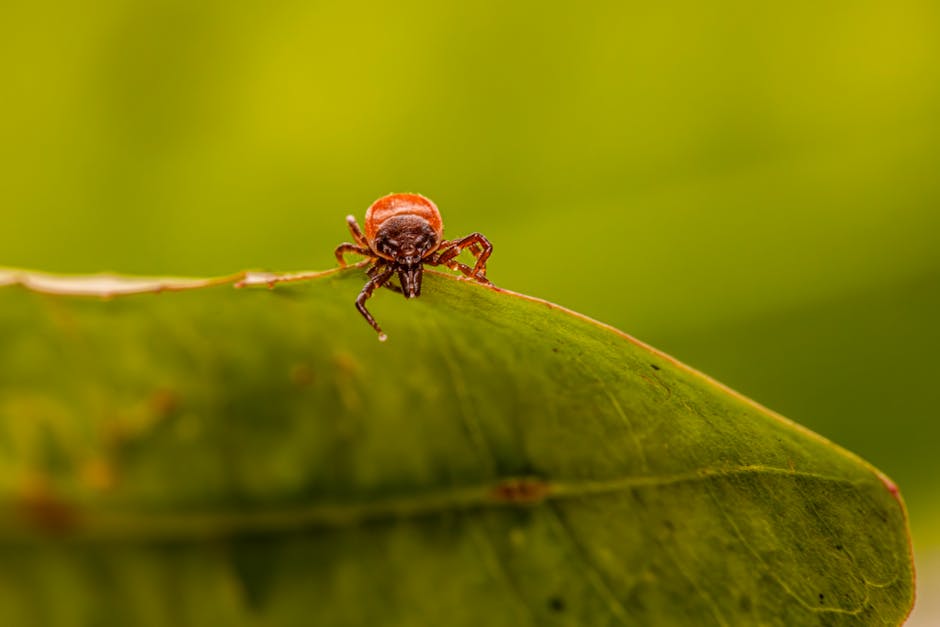
Last year, a friend brought her dog over for a playdate. Everything looked fine… until two days later when she found tiny “pepper flakes” on the couch. Those flakes were flea dirt, and the whole house had to be treated. That’s the nasty surprise about flea and tick season: it starts quietly, then ramps up fast.
This guide gives you a real flea and tick season plan. You’ll learn how to spot problems early, how to prevent bites and infestations around your home, and what to do if you see fleas or ticks. I’m going to be very clear and very practical, because waiting usually costs more time and money.
Flea and tick season plans start before you see a single bug
The best flea and tick season plans are the ones you set up in advance. Flea eggs can survive in carpets and cracks for weeks, and tick activity usually lines up with warm outdoor weather. In most parts of the U.S., planning for this begins in early spring and stays on your radar through fall.
Here’s a key definition that helps: Prevention means stopping bites and reproduction before you see adult pests. Treatment means killing the fleas or ticks you already have and breaking the cycle.
In 2026, many vets push for year-round prevention for most dogs and cats, especially in homes that have yards, parks nearby, or wildlife that wanders through. If you live in a colder area with true winter freezes, you may have a shorter window—but you still need a plan for “should we start early this year?”
Early detection checklist: what to look for in the first 5 minutes
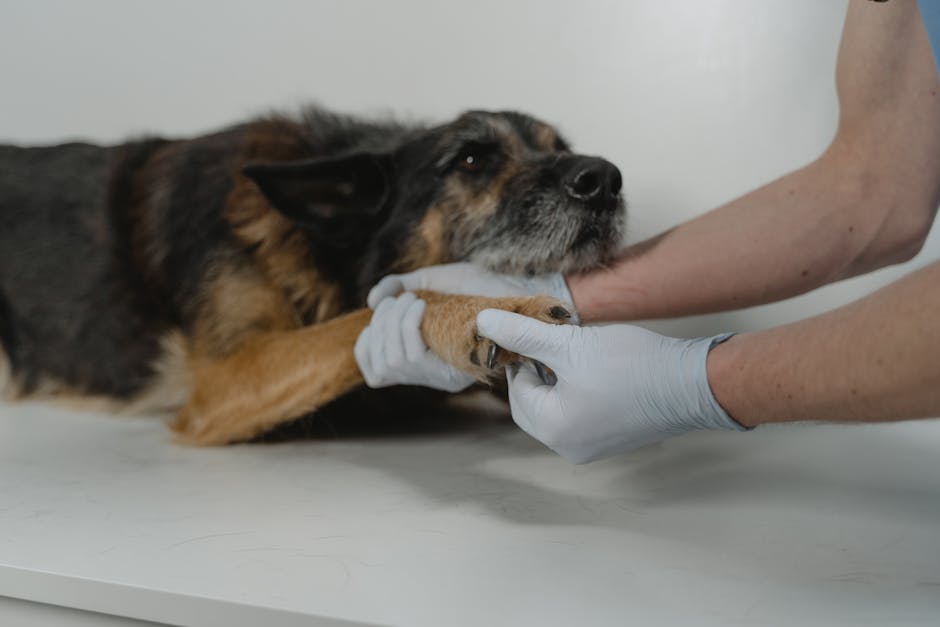
Early detection is fast if you know what you’re looking for. Spend 5 minutes a day for a week during warm weather, and you’ll catch issues before they spread across your home.
When I’m checking a pet, I start with behavior because it’s often the first clue. Then I move to skin and coat.
Spot flea dirt and skin irritation (the “pepper test”)
Flea dirt is flea poop. It looks like small black specks, and when it gets wet it turns reddish-brown. That’s why the “pepper test” works.
- Use a damp white paper towel.
- Rub a few specks from your pet’s coat onto it.
- If you see reddish-brown staining, it’s flea dirt.
This matters because you might not see live fleas right away, but you’ll see the signs. Common places to check: base of the tail, belly, inside thighs, and around the collar area. If your pet is licking or scratching more than usual, don’t ignore it.
Find ticks fast after walks or yard time
Ticks are easier to catch early if you check right after outdoor time. In my experience, a quick “tick scan” beats waiting to notice problems later.
Use your hands to feel for bumps and use a fine-tooth comb. Focus on areas where ticks like warm spots: ears, neck, under the collar, armpits, between toes, and around the tail base.
If you find a tick, remove it immediately (details below). Then save a photo of it for your vet if you’re unsure about what you removed.
When your pet’s skin tells you “something’s off”
Allergies can look similar, so don’t panic—but do investigate. Signs that often point to fleas or other biting insects include:
- Red bumps or scabs, especially near the tail base
- Hair loss from scratching
- “Hot spots” that pop up after outdoor exposure
- More chewing at the base of the neck or belly
If your pet already has allergies, you can still have fleas at the same time. That’s what people get wrong: they assume “it’s just allergies.” I’ve seen it many times.
Prevention plan for your pet: what to use and how to stick with it
Prevention works best when it’s consistent. One missed dose is how infestations sneak in. I treat this like brushing teeth—you don’t “catch up” by brushing twice once you realize you skipped.
Your vet can recommend the right product for your pet’s age, weight, health history, and local risk. Here’s how to think about your options.
Medication options (and the common mistakes)
Most flea and tick prevention falls into a few categories:
- Topical drops placed on the skin (often monthly or as directed).
- Oral chewables that work system-wide (often monthly).
- Collars that repel or kill ticks and fleas over time.
- Sprays or shampoos for quick help, but not usually a full prevention plan.
What most people get wrong is relying on shampoo alone. Fleas live in the house, and ticks attach during outdoor time. Wash helps with symptoms, but it rarely breaks the life cycle.
Also, be careful with product names. Some are safe for dogs only, some for cats only. Never use a dog flea product on a cat unless the label says it’s safe. I’m not trying to scare you—just keep you out of trouble.
My practical “schedule” method for families
Here’s an approach I’ve used with clients: link the dose to a predictable date. For example, put the monthly dose on the first Saturday of every month. Then set a phone reminder for 3 days before.
In 2026, most prevention labels still say dosing timing matters. If your pet vomits after a chew, contact your vet rather than guessing. If you forget a dose, the right fix depends on the product.
Prevention plan for your home: stop fleas from breeding in carpets and cracks
Flea and tick prevention isn’t only for your pet. Once fleas get into a home, a big chunk of the problem is the environment.
Flea eggs are sneaky. They drop off the pet and can end up in rugs, couch seams, and even baseboards. That’s why people feel like they “treat the pet but it keeps coming back.”
Clean like a detective (not like a one-time frenzy)
Do these steps when you suspect fleas, and also as a lighter “maintenance” during peak season.
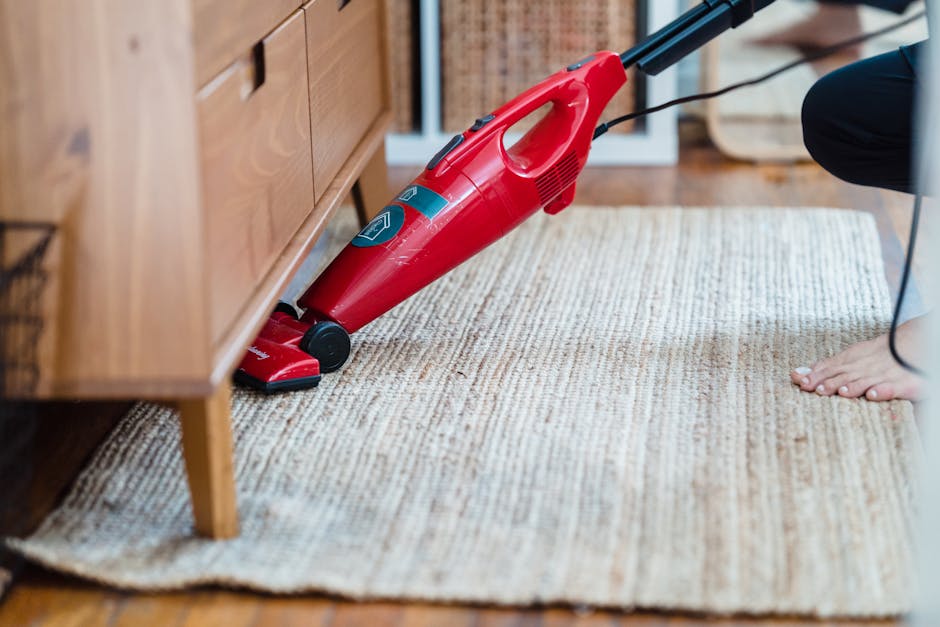
- Vacuum daily for 7–10 days if you’re actively seeing flea dirt or fleas. Use the crevice tool around edges.
- Wash bedding weekly in hot water if the fabric allows.
- Empty the vacuum bin or replace the bag right away so live fleas don’t stay inside.
- Focus on the “pet path”: where your pet naps, eats, and goes right after coming indoors.
If you have wall-to-wall carpet, expect the hard work to last a bit longer than with hard floors. That’s normal.
Treat yard risks without making it unsafe for pets
Ticks often hang out in tall grass, leaf litter, and brush. You don’t have to go extreme, but you should reduce contact zones.
- Keep grass trimmed.
- Remove leaf piles near patios and fences.
- Create a clear “border” of wood chips or gravel between lawn and wooded areas.
- After storms, check your yard again—ticks can spread when wildlife moves.
If you’re considering outdoor sprays, read labels carefully and use products that are safe for pets and kids. When in doubt, talk to a professional who knows flea and tick season plans for the exact area you live in.
Treatment steps if you see fleas or ticks (do this in order)
When you spot fleas or a tick, the right order matters. Treating randomly can waste money and let the life cycle continue.
Below is a step-by-step plan I’d use for a typical home scenario. Adjust for your vet’s advice and product directions.
If you find fleas: pet treatment + home cleanup = both must happen
Start with your pet. Then treat your home environment.
- Use a vet-recommended flea product for your pet’s species and weight. Don’t mix brands unless your vet says it’s okay.
- Comb daily with a flea comb for the first few days to remove adult fleas and reduce biting pressure.
- Vacuum hard (daily if you’re actively seeing fleas). Pay attention to rugs, stairs, and couch edges.
- Wash bedding and anything your pet sleeps on weekly.
- Track progress for 2–4 weeks. Flea eggs and larvae can take time to finish developing.
Original insight from real-life experience: the first 48 hours after treatment can look “worse” even if the product is working. Fleas move off the pet when they’re affected, and you can see more of them in the home. That’s why daily vacuuming during those early days is such a big deal.
If you find a tick: removal basics and what to watch next
Tick removal should be calm and quick. Don’t burn it, don’t cover it in oil, and don’t crush it with bare fingers.
Step-by-step tick removal:
- Use fine-tipped tweezers or a tick removal tool.
- Grab the tick as close to the skin as you can.
- Pull straight out with steady pressure. Don’t twist.
- Clean the bite area with mild soap and water or vet-recommended antiseptic.
- Save the tick in a sealed bag or container if your vet asks for it.
After removal, watch your pet for the next 1–2 weeks for changes like unusual tiredness, fever, limping, pale gums, swelling, or reduced appetite. If you see anything off, call your vet. In some regions, tick diseases can show up even after a tick is removed.
When to call the vet urgently
Call your vet right away if:
- Your pet is very young, elderly, or has a weak immune system.
- You find many ticks at once.
- Your pet is having trouble breathing, repeated vomiting, or severe weakness.
- Your pet has a bad skin reaction after applying a product.
- You suspect tick-borne illness based on symptoms and local tick risk.
Also, if you’re unsure whether it was a tick or something else (like a seed), take a clear photo and ask your vet. It’s worth the quick check.
People also ask: common flea and tick season questions
How soon do flea treatments work after you apply them?
Most flea products start killing fleas quickly, but you may still see some live fleas for a short time. If you’re actively battling fleas in the home, it usually takes several days of vacuuming and cleaning for the overall problem to visibly shrink.
As a rule of thumb, you should see clear improvement within 1–2 weeks. If you see no improvement after 2–3 weeks (or you keep finding flea dirt daily), contact your vet. Sometimes the product isn’t the right one, the schedule was off, or the home needs stronger environmental treatment.
Can ticks live inside your house?
Ticks usually come from outside. They can get inside on pets, on clothing, or on wildlife that wanders near windows or doors. But they don’t typically thrive indoors the way fleas do.
If you have ticks indoors, check the places where pets rest near doors, and check plants or clutter that sits by entryways. Also look for gaps around doors and screens.
What’s the best flea and tick season prevention for cats?
Cats can get fleas and are also sensitive to many products. The best plan is vet-approved prevention that’s labeled for cats, plus strict home cleaning.
If your cat is an indoor-only cat, you can still bring fleas in on shoes, or other pets can bring them home. In 2026, I still recommend a consistent approach during warmer months if fleas are common in your area.
Are natural remedies enough for fleas and ticks?
Natural remedies are often overhyped. Things like essential oils can irritate skin and aren’t reliable enough to stop reproduction. If you want an extra step, use it alongside proven prevention—not instead of it.
My advice: if it doesn’t come with clear safety info for your specific pet and isn’t part of a known prevention routine, don’t count on it during peak flea and tick season.
Should I treat the home or just the pet?
For fleas, treat both. For ticks, the main focus is prevention on the pet and yard management, because ticks aren’t usually breeding indoors like fleas. If you’re seeing flea dirt, adult fleas, or bites in multiple rooms, home treatment is part of the job.
If you need a stronger environmental plan, ask your vet or a licensed pest professional what’s safe around pets. Always follow label directions for people and animals that share the space.
Flea and tick season plans by lifestyle: apartment, yard, and frequent park visits
One plan doesn’t fit every home. Your risk level depends on how your pet spends time outdoors.
If you live in an apartment
Your biggest risk is what rides in on your pet and what lingers in shared areas like hallways and carpets. Use vet-approved prevention and stay strict about cleaning pet bedding.
If you have carpets, vacuum the places your pet spends time even if you don’t see fleas immediately. Fleas often start in one spot and then spread.
If you have a yard
Your yard becomes a tick buffet when there’s tall grass and leaf litter. Trim grass, remove piles, and keep pets out of brushy edges when possible.
For fleas, you still need indoor cleaning. Treating only the yard won’t fix fleas inside.
If you hike, visit dog parks, or walk near woods
Tick risk can jump after wooded hikes and tall brush walks. I recommend a strict after-walk routine: check with your hands and comb your pet shortly after you get home.
In these situations, I’d never skip prevention. If you’re already doing everything, you’ll still find ticks sometimes—but prevention helps reduce attachment time and lowers the risk of disease.
Quick “do this now” checklist for today
If you want a simple action list you can follow today, here it is. This is a good starting point for your flea and tick season plan.
- Check your product dates and make sure you’re not running out.
- Set a reminder for the next flea and tick prevention dose.
- Buy (or locate) a flea comb for quick checks.
- Plan a 5-minute tick scan after outdoor time.
- Vacuum the pet’s main resting area and wash the bedding.
Related reads that fit the same “pet care + home routine” mindset
If you want to keep building smart routines, these posts match the same goal: fewer health surprises and a calmer home.
- Pet grooming basics for skin and coat health
- How to stop pets from scratching and itching (safe first steps)
- House cleaning routines for pet owners that actually work
Conclusion: your goal isn’t perfection—it’s speed and consistency
Here’s the takeaway I want you to walk away with: flea and tick season plans aren’t about doing everything. They’re about catching signs early, keeping prevention consistent, and cleaning the home when fleas are involved.
If you do just three things well—use vet-approved prevention, do a quick check after outdoor time, and vacuum where your pet rests—you’ll cut the risk a lot. And if something shows up, treat in the right order so you stop the cycle instead of repeating it.
Featured image alt text suggestion: Flea and tick season plans checklist with pet comb and tick removal tool on a home entry table.