

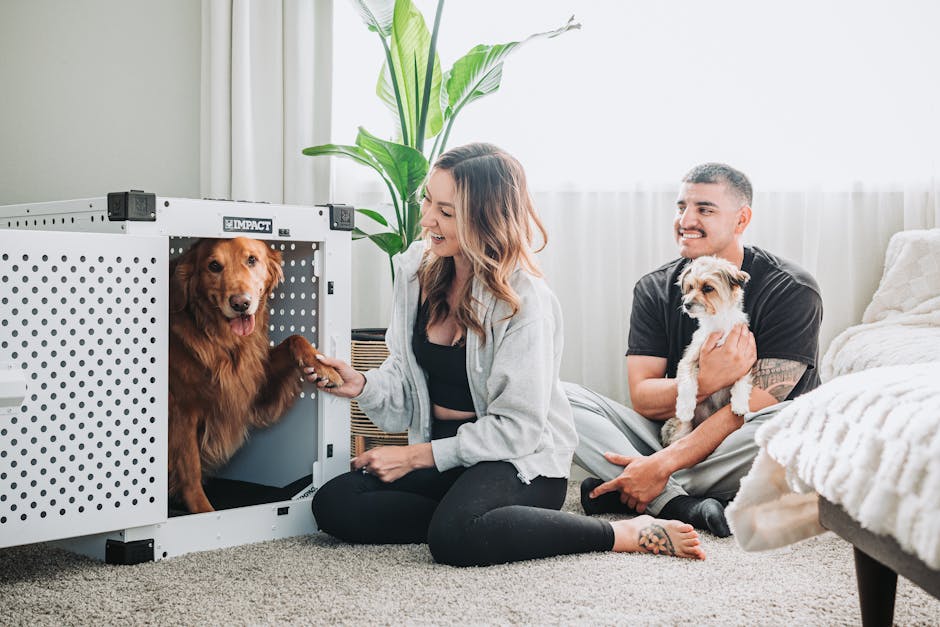
Here’s a quick truth I learned the hard way: a “safe space” isn’t just about locking a pet up. The right setup (crate training vs. playpens) can lower stress, prevent chewing and accidents, and help your pet learn faster—while the wrong setup can backfire fast.
When people ask me what to buy, I usually ask one question back: What are you trying to solve today? Are you working on potty training, calming a nervous dog, keeping a cat out of trouble, or managing a puppy when you’re busy?
If you’re stuck choosing between crate training vs. playpens, this guide will help you make the call based on your pet’s age, temperament, and your daily routine. You’ll also find practical steps you can start this week.
Crate training vs. playpens: the fastest way to choose the right “safe zone”
The simplest way I explain crate training vs. playpens is this: a crate is for sleeping and calm recovery, while a playpen is for short-time supervision and controlled movement.
A crate refers to a small enclosed space where your pet can rest. A playpen refers to a larger fenced area that limits where your pet can go while still letting them move around more.
Most pet owners should start with this rule of thumb:
- Choose a crate if your goal is calm training, sleep routine, and structured potty training.
- Choose a playpen if you need an area for babies/kittens/puppies to move safely while you watch them closely.
- Use both if your pet needs an “active zone” during the day and a “rest zone” at night.
That “both” option is what I’ve seen work best in real homes, especially with growing puppies.
What a crate does best (and where it can go wrong)
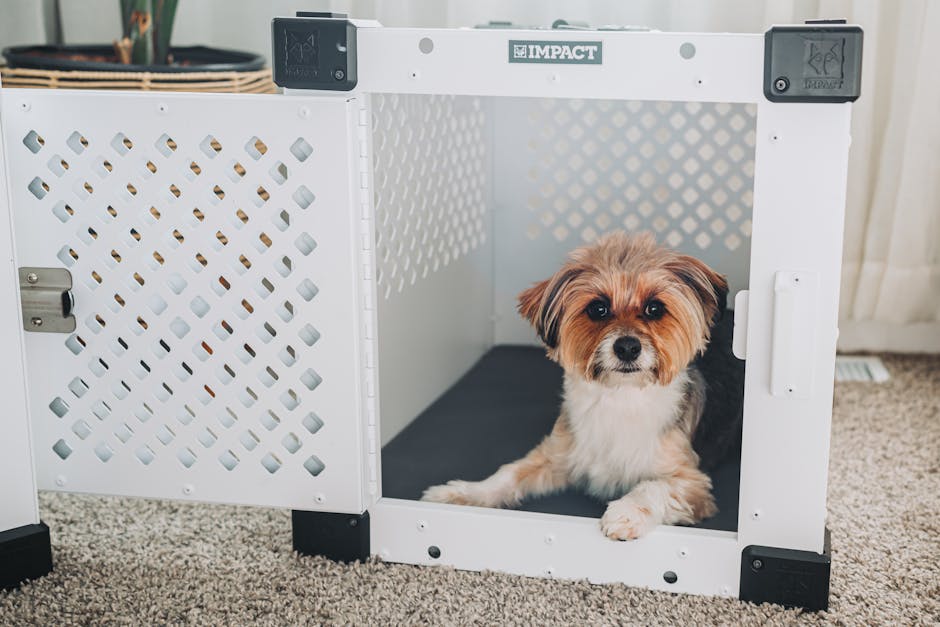
A crate is one of the best tools for creating predictable routines. It also teaches your pet that quiet time isn’t scary—it’s normal.
When crate training is done right, many dogs start using the crate as their comfort spot. For cats, a crate can work too, but only when it’s treated like a den and not like a punishment.
Crate training benefits you’ll notice within 1–2 weeks
Here’s what improved in my home when we switched from “free roaming” to a crate-and-supervision plan during puppy training.
- Fewer accidents because the puppy was closer to a potty routine instead of exploring everywhere.
- Quicker calm time when naps were scheduled and the crate was associated with safe rest.
- Less destructive chewing when we weren’t supervising every second.
Crate training also helps with real-life moments like vet visits. A pet that already feels safe in a crate usually handles transport better.
Common crate mistakes that hurt progress
This is where I want to be blunt, because a lot of people do it without realizing. The mistake isn’t owning a crate. The mistake is how you use it.
- Crate is too big: If your dog can pee on one end and sleep on the other, potty training will slow down.
- Crate time is too long: As a guideline, puppies typically need bathroom breaks more often than adult pets. A good rule people use is about one hour per month of age for potty breaks (example: a 3-month-old puppy often needs a break about every 3 hours during the day, plus night planning). Your vet can give guidance for your specific pet.
- Crate is used only for isolation: If your pet only gets crated when you leave, they can feel trapped. Short, calm crate sessions teach safety.
- No “privacy” setup: Some pets get more stressed if they can see everything. A simple adjustment like placing the crate in a calmer room helps.
Also, if your pet already shows signs of fear (shaking, extreme barking, heavy drooling, or trying to injure themselves), don’t keep forcing it. That’s a sign you need a slower plan or professional help.
Playpens: when extra space helps training (and when it causes trouble)
A playpen gives you control without the tight “den” feeling. It’s great when you want your pet nearby and contained, but still moving and curious.
Playpens can be helpful for puppies, small dogs, and kittens. They can also work for pets recovering from minor issues when your vet allows limited movement.
Playpen benefits for busy households
I like playpens for a very specific reason: they match the way most humans live. You can set up the playpen in the kitchen or living room, so you’re still around while your pet learns.
In a real routine, a playpen helps with:
- Short-term safety while you make dinner, answer the door, or help kids get ready.
- Baby-proofing around hazards like power cords, houseplants, and trash.
- Managing high-energy moments when your pet needs a break from free roaming.
In 2026, I’m still seeing families use wire playpens like the MidWest “34-inch Exercise Pen” style setups (or similar panels) because they’re flexible and easy to reconfigure.
Playpen problems I’ve seen most often
The biggest issue with playpens is that some pets turn them into a “boredom zone.” If your playpen is big enough that your pet can potty far away from where they rest, accidents can happen more often.
Other common issues:
- Too much freedom too soon: Some puppies learn “bad habits” faster when they can pace and rehearse unwanted behavior.
- Not enough enrichment: If all they do is sit and watch, they may bark, dig, or chew the bars.
- Single-purpose setup: If the pen is only used when you leave the room, it can become stressful rather than safe.
One more thing: playpens don’t replace supervision. If your pet is unsupervised inside a large playpen for too long, you’re still taking a risk.
Crate training and playpens by pet type: dogs vs. cats vs. small animals
The “best” choice depends on your pet’s natural habits. Dogs tend to treat a den space as safe rest. Many cats treat a closed space as scary unless introduced gently.
So let’s break it down by animal type.
Dogs: crates usually win for sleep and potty training
For most puppies and many adult dogs, crate training is the most structured tool. A crate helps them learn where resting and potty time are separated.
What I’ve seen work well:
- Daytime: playpen for supervised time, crate for naps and calm breaks.
- Potty plan: take your dog out on a schedule right before crating and soon after release.
- Night: crate in the bedroom (or nearby), so you hear signals and can respond quickly.
If you’re using both, keep the transition smooth. Your dog should see the crate as part of the day, not just a “time-out box.”
Cats: start with comfort, not confinement
Cats don’t automatically love crates. For cats, I treat the crate like a travel carrier “upgrade” you can make cozy.
Playpens can work better for cats who love to explore, especially if you’re using soft tops or careful placement (and you block climb points that let them escape).
Try this approach:
- Crate for calm: place a blanket, add familiar scent, and practice short sessions with treats.
- Playpen for safety: add a small hide, a scratching post, and a few toys so the cat isn’t stuck staring.
If your cat is stressed, hide-loving, or highly escape-driven, you may need to choose the playpen route first and earn crate comfort slowly.
Small pets (rabbits, guinea pigs, ferrets): don’t copy dog rules
Small pets have different needs. A dog crate may not match the airflow, space, or comfort level they require. Playpens also may not be safe if they can wedge into gaps.
Use species-appropriate enclosures and follow vet or rescue guidance. I’m not saying “never” use crates, but I am saying don’t assume crate training works the same way.
Which setup fits your lifestyle? Choose based on your daily schedule
Here’s the part most guides skip: your real life matters. If you’re gone for long stretches, you need a plan that still protects your pet.
This is also where people learn to stop buying based on panic. Buying a crate “because everyone says so” doesn’t solve the real issue if you can’t manage the timing.
If you work from home: you can use both with shorter sessions
With a flexible schedule, I recommend:
- Use the playpen as the “active supervised zone” when you’re at your desk.
- Use the crate for scheduled naps and calm recovery after play.
- Keep potty breaks consistent and quick, then release to potty before any long playpen time.
In many homes, this combo cuts stress because your pet isn’t constantly wondering where you went.
If you’re out for 4–8 hours: focus on a practical containment plan
Be honest about your schedule. Most puppies can’t hold it for 8 hours, and many pets need more than “a container” to stay comfortable.
As a general starting point for planning, think in terms of bathroom needs, comfort, and safe enrichment. If you’re away long hours, you may need:
- A dog walker or neighbor check-in for potty and exercise
- A larger pen setup that includes a separate potty area (for some stages)
- Or a different training approach for adult pets who are already reliably house trained
If you want the honest truth: for very young puppies, long absences usually mean you need help from another human, not just a bigger pen.
If you travel often: crates can be a big advantage
Travel-ready pets handle change better. A properly trained dog that sees the crate as calm can make moving, car rides, and vet visits less stressful for everyone.
For cats, travel still needs special planning, but gentle crate comfort can help reduce panic during carrier use.
Crate training vs. playpens: a clear comparison table
This table is the quick “at a glance” answer. Use it when you’re standing in the pet aisle and your brain feels scrambled.
| Category | Crate training | Playpen |
|---|---|---|
| Best for | Sleep routine, calm training, potty training structure | Supervised containment, controlled movement, baby-proofing |
| Space feeling | Den-like, smaller and quieter | More open, feels like a room |
| Training speed for potty | Often faster with the right crate size | May slow down if pen size allows accidents far away |
| Risk when unsupervised | Risk increases if left too long without potty breaks | Risk increases if the pet reheats bad behavior or chews bars |
| Enrichment needs | Chew toys/food puzzles that fit crate rules | Toys, hide spots, and rotation to avoid boredom |
| Best setup style | Near you at first; gradually increase independence | Placed where you spend time; keep it secure |
How to set up each option correctly (step-by-step)
Buying the right item is only half the job. Setup is what turns “containment” into true training.
Step-by-step crate setup for calm, not panic
Here’s a simple plan I’ve used with multiple puppies and it stays consistent with current best practices in 2026: start small, keep it positive, and avoid long, stressful sessions.
- Pick the right size: Your pet should be able to stand up, turn around, and lie down comfortably. For puppies, use a divider to prevent extra space.
- Make it comfy: Add a washable blanket or bed. Skip anything your pet can chew into threads.
- Put the crate where you are: Start in the living room or bedroom so your pet feels safe.
- Practice short sessions: Feed treats near the crate, then toss treats inside, then do 1–3 minute “closed door” sessions at first.
- Earn the door closing: If your dog stays calm, slowly increase time. If they panic, you went too fast.
- Use a predictable release: Out to potty first, then play. This keeps routines clear.
What most people get wrong is treating “crate training” as one big event. It’s not a one-day trick. It’s lots of small calm reps.
Step-by-step playpen setup to prevent boredom and escapes
Playpens work best when they’re secure and interesting enough that your pet doesn’t feel trapped.
- Choose a pen height your pet can’t jump: Tall wire pens are better for jumpers.
- Block escape routes: Put it away from couches or tables they could climb to reach gaps.
- Add safe gear: Include a comfy bed, water, and a chew toy appropriate for your pet.
- Set a routine: Put them in the pen for a specific task window (like 20–40 minutes), then let them out with a planned activity.
- Rotate enrichment: If they have the same toy all day, interest fades fast.
- Supervise at first: Don’t use it like a “set and forget.” Start with direct attention and increase independence later.
If you have a strong chewer, check the pen material and durability. Chew damage isn’t just messy—it can be dangerous.
Which option helps with common training goals?
Let’s match each setup to the goals people actually search for.
Potty training
Crate training usually helps more because it naturally supports a separation between sleeping and toileting. The key is correct crate size and strict potty timing.
Playpens can still work during daytime, but if the pen includes enough space for a far potty spot, your pet may not learn the same strong connection.
My favorite approach for puppies is simple: potty outside on a schedule, then crate for naps, then playpen only when you’re watching.
Reducing separation anxiety
Both setups can help, but only as part of a bigger plan. If your pet panics in the crate, forcing it usually makes separation anxiety worse.
For mild stress, short “you leaving for 30–90 seconds” practice plus calm containment can help. For severe anxiety (howling, vomiting, escape attempts), talk to a vet or a certified trainer.
Stopping destructive chewing
When chewing is mainly boredom or lack of supervision, both crates and playpens reduce access to trouble.
I find playpens work well if your pet needs movement and you can watch. Crates work well if the chewing happens when they’re tired and overstimulated—then naps solve a lot.
Helping a nervous pet feel safe
Crates can be great for nervous dogs because many feel more secure in an enclosed space. For cats, a “den style” approach is slower and gentler, and playpens often suit them better.
Either way, start with short sessions and add treats. Safety training is built on calm repetition.
People Also Ask: quick answers to common questions
Can I use a playpen instead of crate training?
Yes, you can—especially for daytime supervision. But if your goal is reliable potty training structure and predictable sleep, crates usually make it easier because they support a smaller “rest area.”
If you choose a playpen-only plan, you’ll need tighter supervision and a schedule that reduces accidents.
Is crate training cruel?
No, not when done correctly. A crate is supposed to be a safe resting place, not a punishment. That means the crate is sized well, the door isn’t slammed for hours, and your pet gets chances to learn calm behavior.
Crate training becomes cruel when it’s used as a “trap” without positive association or when a pet is left too long without bathroom breaks.
How long can my pet stay in a crate?
The answer depends on age and bladder control. Puppies need more frequent breaks, and dogs with health needs may need a different schedule.
As a practical guideline for younger puppies, many trainers use about one hour per month of age for bathroom breaks during the day. Always adjust based on your pet’s behavior and your vet’s advice.
Do playpens help with house training?
They can, but crates often work faster. Playpens are best when used with close supervision and a clear potty routine. If your pet can choose where to go, they may not learn the same fast connection.
What’s the safest setup for a new puppy?
The safest setup I see in real homes is: crate for naps + playpen for supervised time, plus a strict potty schedule. This keeps your puppy learning while preventing long stretches of unsupervised wandering.
If you can’t supervise and you can’t provide potty breaks often, you’ll need outside help (walker, family member, or other plan).
A real-world scenario: how the “both” plan saved our sanity
I’ll share a quick case example from a puppy I fostered in 2026. The puppy was adorable, fast, and convinced the living room was a giant chew toy.
At first, we tried free roaming when we could “watch.” That lasted two afternoons, then we lost a shoe and had a couple accidents we could have prevented.
So we switched to a crate-and-playpen combo: the crate stayed near us and became the nap zone. The playpen was set up in the kitchen area so we could see the puppy but still block trouble.
Within a week, the puppy started whining before accidents and settling faster after play. We didn’t solve everything overnight, but the training became predictable, and that predictability matters more than people realize.
Buying tips: what to look for in a crate or playpen
Let’s make the shopping part easier. These are the details I check before recommending brands or sizes.
Crate shopping checklist
- Size: room to stand, turn, and lie down. Use a divider for puppies.
- Type: wire crates for airflow, plastic crates for travel. Choose what fits your home.
- Door quality: steady latch so your pet can’t push it open.
- Comfort: washable bedding that won’t snag.
- Placement: calmer room at first, gradually adjust as your pet learns.
Playpen shopping checklist
- Height and sturdiness: strong enough for your pet’s strength.
- Secure panels: no gaps wide enough for paws or noses to get stuck.
- Easy setup: if it’s hard to move, you won’t use it often.
- Safe base: flat on the floor so your pet can’t slip under edges.
- Room placement: away from climbing furniture and hazards.
When you should not rely on either option
Sometimes a crate or playpen is the wrong tool—not because it’s “bad,” but because the problem needs a different plan.
If your pet shows extreme fear, aggression, or self-injury while contained, stop and get help. That includes nonstop panic barking, chewing so hard they bleed, or trying to escape repeatedly.
If your pet has medical issues (mobility pain, bladder problems, or recovery needs), talk to your vet about how long your pet should be confined and what setup is safe.
Final takeaway: pick the setup that matches the job you’re asking it to do
If you’re deciding between crate training vs. playpens, remember this simple idea: crates are for calm rest and structured training. Playpens are for safe movement and close supervision in your home routine.
My best advice for most families is not “pick one forever.” It’s pick the right one for the moment—and plan to reassess as your pet grows.
If you want a clear starting plan this week, do this: crate for naps and bedtime, playpen for supervised daytime safety, strict potty timing, and calm short sessions that teach your pet the difference between “safe zone” and “you leaving forever.”
You’ll usually see better behavior faster when your pet understands the rules and you can keep your schedule consistent.
Internal resources you may also like:
- How to Potty Train a Puppy: A Simple Schedule That Works
- Chew Toys and Safe Enrichment for Dogs (What to Buy and What to Avoid)
- Stress Signs in Dogs and Cats: How to Tell Fear From “Bad Behavior”
- Dog-Proofing Your Home: A Room-by-Room Checklist
Featured image alt text: Crate training vs. playpen setup for pets with a safe den and supervised play area