

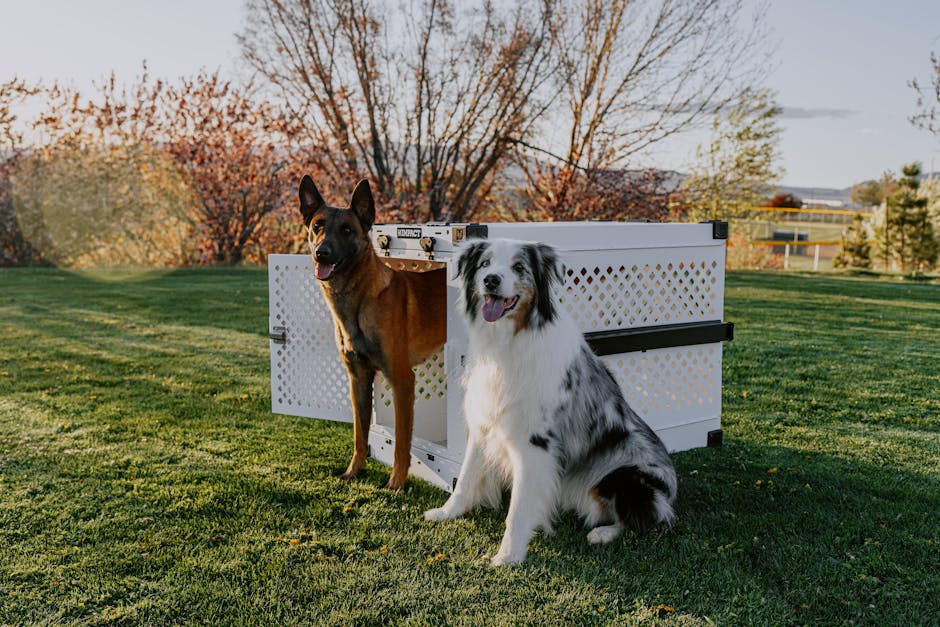
If you’ve ever come home to chewed cords or a surprise “gift” on the carpet, you already know why people ask about crate training vs. playpen training. Both can stop bad habits, but they work differently. One is best for teaching calm and routine, and the other is best for safe “out of the way” space while you’re nearby.
Here’s the direct answer most owners need: if your goal is house training, calm naps, and preventing trouble when you’re out, crate training usually works best. If your goal is short-term management (especially for young puppies) and you want more room to move, a playpen can be the better first step. The safest results often come from using both, in the right order.
I’ll show you how to choose, what people get wrong, and a real-world transition plan you can follow. This is written for pet care and home life—so it’s practical, not theory.
Crate training vs. playpen training: the quick difference
Crate training uses a small, den-like space to teach your pet where to rest and how to hold it until you take them out. A crate is meant to be a cozy “home base,” not a punishment box.
Playpen training uses a fenced area so your pet can move around safely. It’s better for giving a puppy space to stretch, sit, and play while still keeping them from reaching cords, stairs, or doors you don’t want them exploring yet.
Both methods rely on management first and training second. You don’t “hope” your dog behaves—you set things up so the right behavior is the easiest option.
When crate training works best (and when it doesn’t)
Crate training shines when you want a routine and you need a reliable tool for calm time, house training, and safe confinement.
Top reasons crate training is usually the better long-term option
- House training support: dogs avoid soiling their resting area. When the crate is the right size, they learn to wait for a potty break.
- Predictable naps: many puppies rest better when they have a “go to sleep here” place.
- Safer alone time: in 2026, most safety-focused dog setups still recommend crate training as a core tool for times you can’t watch directly.
- Less “roaming practice”: a dog that rehearses chewing or digging keeps repeating the pattern. A crate stops the practice.
What most people get wrong with crate training
- Wrong size crate: If it’s too big, your dog can potty in one corner and sleep in another. That slows house training.
- Using it as punishment: If your dog thinks the crate means scary things, you’ll fight fear, barking, and stress.
- Jumping to long sessions: Start small. Your dog should learn the routine in days, not hours.
When crate training may not be the right first step
Crates aren’t always ideal for every home setup. If your dog has severe anxiety around enclosed spaces, or if you don’t have the time to supervise early steps, you’ll need a slower plan or professional help. Also, if your dog is not physically able to rest comfortably in a crate size you can keep consistent, you’ll want to adjust your approach.
For most puppies and many adult dogs, though, crate training is the fastest path to reliable routine.
When playpen training works best (and why it helps)

Playpen training works best for safe management during the “busy” part of training—when your eyes need to stay on your pet but you also need a safe boundary.
Great reasons to use a playpen right away
- More room for puppies: younger dogs need chances to move and play, not just lie down.
- Better for initial separation: if a crate causes panic, a playpen can be easier at first.
- Helps with “supervision gaps”: you can take a shower, grab laundry, or cook while still keeping the puppy in a safe zone.
- Faster setup in busy spaces: you can move a playpen around the house while you figure out traffic flow.
Common playpen mistakes I’ve seen in real homes
- Making it too fun: if you only leave toys and let them run wild, the playpen becomes their party spot. Then naps are harder.
- Letting potty confusion happen: if the pen has bedding in one spot and a potty area in another, your dog learns that accidents inside are “normal.”
- Using it as a long-term substitute: a playpen is still management. It’s not the same as teaching den-like resting and calm.
Playpen size guidance (simple and practical)
A playpen should be big enough for comfort but not huge. If it’s too large, your pet may wander and treat it like a little yard instead of a safe training zone. For many puppies, a pen that gives a few steps of room to turn around works well.
As a rule, set it up so your puppy can lie down, stand, and take a few steps without having “multiple zones” for sleeping and using the bathroom.
Which is better for house training?
If house training is your main goal, crate training usually has the edge. Here’s why: dogs hold it longer when the resting space feels like a den. Den training is the idea that your dog learns rest should be quiet and clean.
That said, you can absolutely house train with a playpen—especially in the early stage—if you set it up right. The key is to keep potty and rest separated.
Crate vs. playpen for potty training: compare the outcomes
| Goal | Crate training | Playpen training |
|---|---|---|
| Teaching “hold it” | Stronger, because resting area feels den-like | Works if pen is small and potty is kept separate |
| Naps | Often easier to enforce calm rest | Needs structure; can turn into playtime |
| Accident risk when you’re busy | Lowest with correct timing and crate size | Medium; depends on how you set it up |
| Stress during learning | Can be stressful if rushed or used as punishment | Often gentler for dogs who hate crates |
In my experience, the biggest improvement in house training comes from getting the timing right. That means frequent potty trips, watching for signals, and using the crate for “in-between” time.
Which is better for preventing chewing and destruction?
Crates and playpens both prevent chewing when you can’t supervise. The difference is how your dog experiences the time.
Crate training for chewers: why it works
When you crate your dog, you remove access to cords, shoes, and furniture edges. Your dog can chew appropriate items like a frozen Kong (for dogs that are ready for that stage) or a safe chew you rotate. Crates also reduce “practice time” for bad behavior.
Playpen training for chewers: when it’s the better choice
If a puppy is too young for crate naps or if the dog is not ready for crate calm yet, a playpen can still protect your home. Use a small chew zone with only safe toys. Keep tempting items out of reach and avoid giving them access to anything you don’t want them to learn is chewable.
One original insight: manage “energy level,” not just access
What helped me most wasn’t switching between crate and pen. It was watching energy level. If my puppy was wired—like after a long car ride or a late walk—confinement turned into frustration. When I added a short training session (like sit, touch, or loose-leash practice) and then a short rest routine, the crate or pen became calmer faster.
So yes, the barrier matters. But the schedule matters just as much.
How to transition safely from playpen to crate (step-by-step)
The safest transition is gradual, and it keeps your dog’s stress low. Don’t do a sudden switch where the dog goes from “lots of space” to “tiny box” in one day.
This plan is built around common home routines and what I’ve seen work well with puppies and many anxious dogs. If your dog has severe fear, use this as a starting point and go slower with professional guidance.
Before you start: set up both spaces correctly
- Choose the right crate size: your dog should stand up, turn around, and lie down comfortably. If your dog can potty in one corner and rest in another, it’s too big.
- Keep bedding simple: use a washable mat or thin blanket. Don’t overfill with items if your goal is house training.
- In the playpen, keep a “rest area” separate from potty: don’t place bedding next to the spot you want for bathroom breaks.
- Use positive cues: decide on a word like “crate” or “bedtime,” and use the same cue every time.
The 7-day transition schedule (practical and realistic)
You can stretch this timeline if your dog struggles. The rule is: progress only when your dog is calm.
- Day 1: Put the crate near the playpen. Leave the door open. Toss treats near the opening and inside the crate. Keep sessions short (2–3 minutes).
- Day 2: Add a chew or food puzzle in the crate door area. Close the door for 5 seconds, then open. Repeat 5–8 times.
- Day 3: Close the door for 15–20 seconds while you stand nearby. Stop before whining turns into panic. End on a calm moment.
- Day 4: Practice during naps. Put your puppy in the crate for short nap attempts, then take them out for potty right after they wake.
- Day 5: Add one “quiet time” block while you’re home. Crate stays closed for 30–45 minutes, then a potty break and reward for calm.
- Day 6: Switch the order: potty, then crate for a nap. Keep the playpen available for supervised play so the dog doesn’t feel trapped.
- Day 7: If your dog is calm, you can start longer crate naps or brief alone periods with a safe routine. Avoid going from “never” to “gone for hours” in one day.
I’ll be direct: most setbacks happen when people skip Day 1–3 and try to crate overnight too soon. That’s when whining turns into a habit.
How to transition safely from crate to playpen (when you need more room)
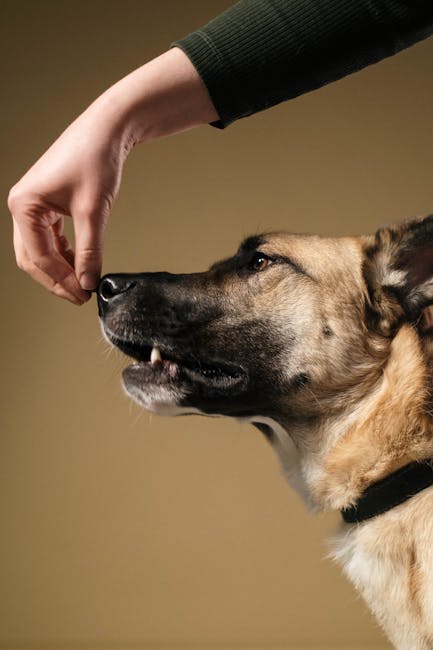
Sometimes the crate is too intense at first. If your dog hates the crate or you’re dealing with recovery (like after a medical issue), a playpen can be a helpful step.
Use this “step down” plan
- Keep the crate open for comfort: don’t remove it right away. Let your dog choose to enter.
- Move rest cues to the playpen: if you use a mat and a word like “settle,” place the mat in the pen.
- Reduce time in the crate gradually: shift from closed-door sessions to open-door sessions, then to mostly open playpen time.
- Still manage potty: keep rest and potty separated in the pen so house training doesn’t slip.
In other words, you’re not “quitting” training. You’re changing the environment while keeping the same routines.
People Also Ask: crate training vs playpen training
Can I use both a crate and a playpen for the same dog?
Yes—and many owners do. A common setup is: playpen for supervised time at home, crate for naps and nighttime, and potty breaks on a schedule. The goal is clear boundaries, not confusion.
If your dog gets stressed when switching, keep one area as the “rest” space and the other as the “safe supervised” space for a while.
How long should a puppy stay in a crate?
As a starting point, use the age-based rule plus supervision. A common guideline is about one hour per month of age, up to a reasonable limit, plus potty timing. For example, a 4-month-old puppy often needs a potty break around every 4 hours while awake, and much sooner if they just ate or drank.
But don’t treat it like a law. If your puppy is whining hard or holding stress, shorten the time and build up slower.
Will a playpen stop my puppy from peeing inside?
It can, if you set it up correctly. A playpen helps when it limits access and keeps bedding away from the potty area. If the pen is large and cozy everywhere, your puppy may learn that accidents are okay.
For best results, take your puppy out often and keep the “potty spot” separate from the “sleeping spot” inside the pen.
Is crate training cruel?
No, not when it’s done right. Crate training is only kind when the crate is safe, the dog isn’t left for inappropriate lengths of time, and the dog learns positive associations. A crate is like a tool—used properly, it reduces stress and keeps your dog safe.
If your dog shows signs of ongoing panic, or you hear frantic barking that doesn’t improve over time, pause and get help from a qualified trainer or behavior professional.
Tools and setup tips that make a real difference
The right setup makes training easier than the “perfect” plan. Here are concrete tools and home tips that help in day-to-day life.
Crate setup checklist
- Crate mat: choose something washable and comfy, not thick and bouncy like a mattress if potty accidents are still happening.
- Cover or no cover: some dogs relax with a partial cover. Others do better with airflow and visibility. Use what keeps the dog calm.
- Feeding in the crate: start with open-door feeding. Move gradually toward closed-door feeding only when calm.
- Chew options: use safe chews and rotate them. A popular example is a Kong-style toy with frozen treats once your dog is ready.
Playpen setup checklist
- Non-slip base: puppies slip and get stressed. A stable floor helps with calm rest.
- One water spot: keep water available, but avoid constant “water wandering” that leads to messy accidents right where bedding is.
- Toilet plan: choose where bathroom breaks happen in the pen (often a puppy pad area). Keep bedding away from it.
- Safe toy limit: a couple of good toys, not a toy mountain that turns every minute into play.
My quick “real home” schedule that cuts accidents
Here’s what worked for my friend’s new puppy when we had a busy week. The schedule was simple: potty, short play, training (3–5 minutes), snack, then enforced rest. Accidents dropped because the routine removed “surprise downtime” when the puppy got bored and acted out.
You can apply that with a crate or playpen. The point is rest after stimulation.
When to get professional help
Get help early if you see extreme fear, self-injury, or training panic. That includes repeated frantic chewing on crate bars, nonstop screaming for long stretches, or signs your dog is shutting down.
Also, if house training doesn’t improve after a couple of weeks of consistent timing, double-check the basics: potty schedule, crate size, and whether your dog is getting enough exercise and mental work.
If you want extra reading for the training part, you might also like our guides under Pet Training, including tips on building calm routines and teaching leash manners (great for lowering overall stress at home).
You can start with:
- dog training routines for everyday life
- daily pet care checklist for new pets
- stress and anxiety signs to watch for
Conclusion: pick the right tool, then transition calmly
Crate training vs. playpen training doesn’t have to be a battle. In most homes, crate training wins for long-term routine, house training support, and preventing trouble when you can’t watch. Playpen training wins for gentle early management and giving puppies safe space while you’re teaching.
If you’re not sure where to start, do this: begin with the playpen if the crate feels too stressful, then transition using the 7-day plan. If your dog accepts the crate, lean on it for naps and nighttime right away.
Your takeaway is simple: use management first, build positive associations second, and transition slowly so your pet stays calm. That’s how you get safety at home without creating new problems.
Featured image alt text suggestion (for your CMS): Crate training vs playpen training setup for a puppy with safe rest space