

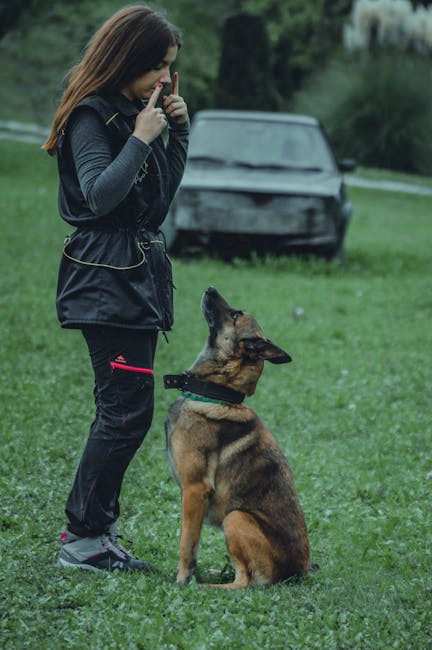
A surprise fact that changes everything: cats don’t “learn by obedience” the way most dogs do. Dogs often train through repetition and clear cues; cats train through choice, comfort, and smart timing. If you’ve ever tried to train a cat like a dog—same tone, same treats, same “sit!”—you’ve probably seen the results: either nothing happens, or your cat looks at you like you’ve asked them to do taxes.
Here’s the good news. Cat vs. dog training styles make sense once you know how each animal thinks. In this guide, I’ll show you what works, what doesn’t, and why, with practical steps you can use at home in 2026.
Cat vs. dog training styles start with one big difference: motivation
The core difference is motivation. Dogs are social learners that often want to connect with people; cats are more independent and decide what’s worth their effort. That doesn’t mean cats can’t learn. It means the “why” behind the behavior has to match their world.
For dogs, training often works best when the goal is clear and the reward comes right after the action. For cats, training works best when the reward feels like their idea—safe, predictable, and worth the energy it takes.
Quick example from real life: I’ve seen two households try to stop the same problem. One household used a strict “no” for a cat knocking items off a shelf. The cat learned to avoid the room. The other household used training with targeted treats and a ground rule: “You get rewards for using the cat tree and scratching post.” The knocking dropped because the cat got a better alternative.
What works for dogs: structure, repetition, and fast feedback
Dogs learn best when you give clear cues and repeat them often. Think “short lessons,” not long sessions. A good rule I use with families: 3 to 5 minutes at a time, 1 to 2 times per day, for a week.
In dog training, “fast feedback” matters. That means you reward within about 1 second of the correct behavior. If you wait 10 seconds, many dogs still connect the reward with something else (often you moving, standing up, or the next moment in the room).
Dog training cues that actually stick
Use one cue per behavior, and keep it the same every time. For example, “sit” should sound the same whether you’re calm or tired. If you say “sit” one day and “take a seat” the next, you slow learning.
Also, keep distractions realistic at first. If your dog can’t sit when the doorbell rings, don’t start with the doorbell. Start at home where it’s easy, then slowly add distractions.
Common dog mistakes that make training fail
- Training too long: A dog can “power through” for a bit, but then attention drops.
- Using punishment: It can create fear, which often makes behaviors worse. Fear changes the learning.
- Rewarding the wrong moment: If the treat comes after you say the cue (not after the behavior), your dog learns timing that you don’t want.
- Expecting instant results: Most basic cues take 1 to 3 weeks with consistent practice.
What works for cats: choice, safety, and target-based training

Cat training is less about forcing the “right” thing and more about showing the cat what gets them a win. Cats often learn faster when you shape a behavior with a target and reward the steps.
In cat behavior terms, shaping means rewarding small steps toward the final behavior. It sounds fancy, but it’s simple: you reward the first version, then the next version gets rewarded, until you get the full behavior.
The cat training tool that’s changed everything: a target stick
A target stick is exactly what it sounds like: a small stick or wand your cat touches with their nose or paw. You can buy one, or you can use a small stick with a dot of tape on the end. The point is consistent contact with the same spot.
Here’s a step-by-step example for a beginner goal: teaching a cat to go to a specific spot.
- Day 1-2: Offer the target stick near the cat’s face. Reward immediately when they touch it with their nose.
- Day 3-4: Move the target stick a few inches. Reward the moment they follow and touch again.
- Day 5-7: Gradually guide them to the spot (a mat by the door, a carrier-friendly area, etc.). Reward only when they land on the mat.
This style works because cats choose the behavior. You’re not trying to drag them into compliance; you’re offering a clear path to reward.
Cat mistakes that most people make
- Training when the cat is stressed: If your cat is hiding, swatting, or ears pinned back, don’t start. Wait until the cat is curious.
- Using loud, dog-like voice commands: Cats often shut down with harsh tones. Use calm, normal volume.
- Trying to train too fast: If the cat stops engaging, it’s usually not “stubbornness.” It’s too hard, too long, or timing is off.
- Rewarding the wrong behavior: Cats are good at getting treats. If you reward them for moving in the wrong direction, that becomes the new plan.
Where cat and dog training overlap (and where it doesn’t)
There are shared principles. Both animals learn from consequences. Both learn better with clear timing and consistent rules. Both respond to rewards when the reward shows up quickly.
But the “delivery” is different. Dogs often tolerate more physical closeness during training. Cats usually need more space and a slower pace.
Simple comparison: what’s safe and what’s risky
| Training goal | Dog approach | Cat approach | What doesn’t work well |
|---|---|---|---|
| Recall (come when called) | Practice with long line, high-value treats | Use target + short recall games indoors | “Calling and scolding” after they don’t come |
| Crate/carrier training | Gradual crate sessions, calm routine | Target to carrier, treats inside, no chase | Forcing the animal inside |
| Leash manners | Loose leash cues and frequent rewards | Not recommended for most cats on leash | Pulling a cat to “teach” the leash |
| Reducing jumping/clawing | Redirect + reward for calm behavior | Redirect to scratching posts + reward use | Punishment after the fact |
One original point I like to repeat: cats don’t just learn the behavior—they learn the context. If training happens during chaos, they attach the stress to the behavior. So keep cat lessons in the same calm space whenever possible.
“Why does my cat ignore me?” and “Why does my dog overreact?”
These are two sides of the same coin: the animal is telling you their current needs aren’t met.
Why your cat ignores you
If your cat doesn’t respond to cues, check these causes in order:
- Timing: Are you rewarding within 1 second of the behavior you want?
- Difficulty: Is the cue too hard right now?
- Reward value: Is the treat worth the effort? For many cats, a “generic kibble” reward isn’t enough.
- Stress level: If the cat is on edge, learning slows down fast.
I’ve trained cats that only responded to warm, soft treats (think: fresh fish-based treats). Once that reward was right, the same cat became easy to guide with a target stick.
Why your dog seems “too excited” during training
Dogs often look like they’re “not listening” when they’re over threshold. Threshold means the point where the dog can’t process what you’re asking because emotions are too high.
If your dog lunges, barks, or can’t settle, shorten the training session and move farther from the trigger. Start with distance you can win. Then reduce distance over days.
For both cats and dogs, the goal isn’t perfection. It’s consistency without overwhelm.
People Also Ask: cat vs. dog training questions
Can you train a cat like a dog?
You can teach cats many behaviors, but you can’t train them the same way as dogs and expect the same results. Dogs often respond to repeated cues and reward timing. Cats respond better to choice-based learning, calm handling, and shaping steps.
Try this “hybrid” rule: use rewards and clear timing for both animals, but for cats rely on targets and short sessions. For dogs, rely on cues, repetition, and fast feedback.
Are cats easier to train than dogs?
It depends on what you mean by “easy.” Dogs often learn obedience cues (sit, stay, down) faster because they’re built for social learning with humans. Cats can learn just as well, but they usually choose when to cooperate and what’s worth their effort.
In my experience, a cat can learn a specific routine (like going to a mat) very quickly once you use a target and the reward is high value. A dog may learn that routine slower, but it’s more likely to generalize across more situations.
What treats work best for training cats and dogs?
For cats, soft treats often win because they’re easy to eat during fast lessons. For dogs, small, high-value treats work best because you can give many reps without overfeeding.
Important safety note: if your pet has allergies, diabetes, or a sensitive stomach, choose treats that match their health needs. And for both species, keep treats small. Training isn’t a meal replacement.
Why does my cat act worse after training?
If a cat gets more aggressive or withdrawn, the training is usually too intense or too confusing. Common causes include chasing, loud voice, long sessions, or pushing into areas the cat avoids.
Fix it by ending the session early, restarting with easier steps, and making the “win” happen sooner. Aim for at least 70% success during early lessons.
A practical 14-day plan for mixed households (cat + dog)

If you have both animals, you need a plan that prevents competition for treats and attention. In 2026, the best home setup is still simple: separate training zones, short sessions, and reward rules everyone follows.
Here’s a plan I recommend to families with one cat and one dog. It focuses on two high-impact goals: calmer behavior during greetings and safer carrier/crate experiences.
Days 1-3: set up training rules
- Dog: Practice “sit” and “look at me” with 5 reps per session, 1-2 sessions/day.
- Cat: Practice target touches for 60-90 seconds total. Stop while the cat still seems interested.
- Home rule: Use baby gates or separate rooms so one animal doesn’t steal rewards during the other’s session.
Days 4-7: build the routine
- Dog: Add “stay” for 1-3 seconds while you move one step away. Return and reward.
- Cat: Guide the cat to a mat by the door (or a calm landing spot) using the target. Reward only on the mat.
- Carrier/crate: Don’t force. Do short “look and treat” sessions instead.
Days 8-10: add mild distractions
- Dog: Repeat “sit” with a mild distraction (a person walking past or quiet TV volume).
- Cat: Repeat target to mat with the room slightly busier, like a family member moving in the background.
Days 11-14: move toward real-life use
- Dog: Practice “sit” before door openings and calm greetings.
- Cat: Practice mat time right before you do the boring real-life thing (like turning on a light, grabbing a leash, or opening a door briefly).
By day 14, you should see less chaos and fewer “training meltdowns.” If you don’t, it’s not failure. It’s a sign the steps are too big. Go back 1-2 days and rebuild.
When to stop DIY training and call a pro (for health and safety)
Sometimes training issues are really health issues. Pain can look like “bad behavior.” Fear can look like “stubbornness.” If a behavior changes suddenly, check the basics and talk to a vet.
For cats, litter box changes are a big red flag for medical problems. For dogs, sudden aggression or intense fear can also have health causes. If you notice vomiting, weight loss, limping, or constant hiding, don’t wait.
Health and stress signs that mean “get help”
- Cats: litter box refusal, increased hiding, sudden aggression, crying during handling.
- Dogs: new snapping, intense trembling, refusal to eat, or changes in bowel habits.
If you need professional help, look for a trainer who understands both species and uses reward-based methods. For cat behavior, ask about desensitization (slow exposure to something scary while staying calm) and play-based engagement.
Gear and supplies that make training easier (no fancy stuff required)
You don’t need a lot of equipment. You need the right basics used the right way.
For cats
- Target stick: simple and consistent.
- High-value treats: small, soft, and smelly enough that your cat cares.
- Mat or small rug: helps you teach a “place” behavior.
For dogs
- Treat pouch or pockets: so rewards are instant.
- Long line: for safe recall practice in enclosed areas.
- Clicker (optional): helps timing. You can also use a consistent verbal marker like “yes.”
If you want a deeper look at treat choices and feeding during training, check out our guide on healthy treats for training without upsetting digestion (internal link placeholder).
My bottom line: train the animal you have, not the animal you imagined
Here’s what I’ve learned after working with pets that live together: people usually don’t fail because they’re “bad at training.” They fail because they copy the wrong style.
Use dog-style structure (clear cues, repetition, and fast rewards) for dogs. Use cat-style choice (targets, shaping, and calm timing) for cats. If you do that, you’ll stop fighting your pets and start building trust.
Actionable takeaway for this week: Pick one behavior for each pet—something small and real. For the dog: practice “sit” before one daily routine (like putting on shoes). For the cat: use a target to teach one “mat time” moment. Keep sessions short, reward fast, and end while both animals still look engaged.
If you’re also working on calming routines at home, you’ll probably like our post on how to create a calm space for pets (internal link placeholder). For dog-specific basics, see house training steps for beginners (internal link placeholder). These fit naturally with the cat vs. dog training styles covered here.
Train with the right style, and you’ll get results faster. More importantly, your pets will feel safer doing the behaviors you want.
Featured image alt text suggestion: “Cat vs. dog training styles using a target stick and treat rewards at home”