

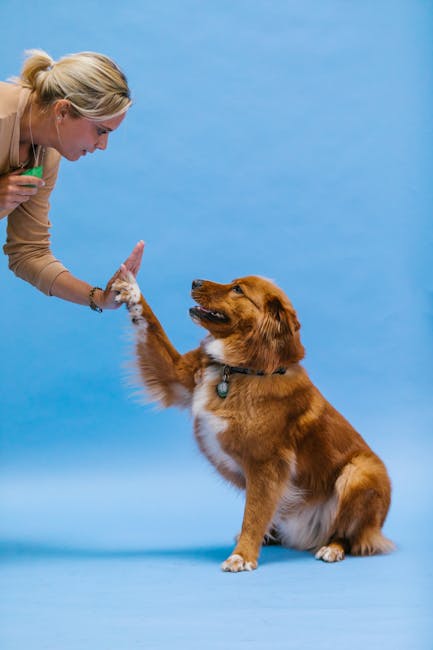
Picture this: you’re trying to teach your dog to “sit,” but every time you guess what you want, your pet guesses something else. Then you switch to clicker training vs. positive reinforcement and suddenly it clicks—literally for some pets. The weird part is that “clicker training” isn’t a totally different style from “positive reinforcement.” It’s usually one specific way to do positive training.
Here’s the quick answer: Positive reinforcement is the big idea (reward the behavior you want), while clicker training is a tool and timing method (mark the exact moment with a click). In most homes, clicker training works best for fast, clear communication—especially with dogs, and also with cats that enjoy structured play.
Clicker training vs. positive reinforcement: the key difference (plain and simple)
The simplest way to tell them apart: positive reinforcement is the reward strategy, and clicker training is the communication tool. Clicker training uses a small device that makes a consistent sound so your pet understands, “That right thing just happened.”
Positive reinforcement refers to training that increases a behavior by adding something your pet likes right after the behavior. That “something” can be treats, toys, petting, or even access to a favorite spot on the couch—if your pet really values it.
Clicker training is built on top of positive reinforcement. A click is not a reward by itself (though some pets learn to like it). In training, the click means “reward coming now,” and the reward follows right after.
What is positive reinforcement training, really?
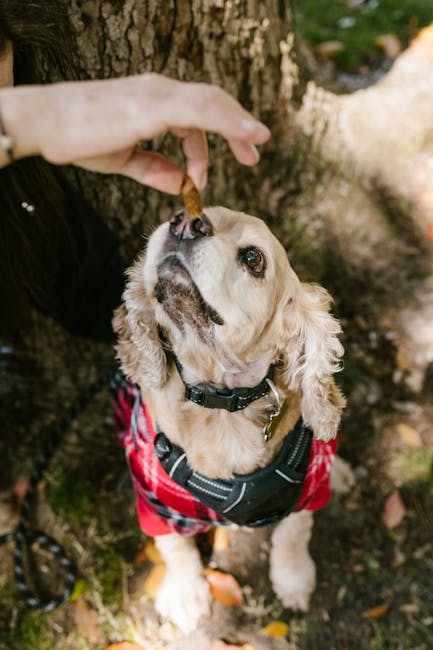
Positive reinforcement training means you reward the behavior you want, at the right time, so it repeats. In plain terms, you’re teaching your pet what gets them good things.
Positive reinforcement is not just giving treats randomly. The timing matters. If the treat shows up 5 seconds after the behavior, many pets won’t connect it to what you wanted.
When I started training with family dogs, the biggest mistake I saw was treating like a “bribe.” People handed treats before the dog did anything and hoped the dog would guess the pattern. With positive reinforcement, the treat comes after the behavior—not before.
Common examples of positive reinforcement
- Sit: Dog sits, you say “yes,” then give a small treat.
- Loose leash walking: When your dog’s leash goes slack, you reward that moment.
- Coming when called: Dog runs to you, you reward right away, then let them enjoy a quick game.
- Calm behavior: Cat stays relaxed near the carrier, you reward with a treat and end the session on a good note.
Why positive reinforcement works (and when it doesn’t)
It works because pets naturally repeat things that lead to good outcomes. It also keeps training stress low, which helps your pet learn faster.
It doesn’t work well when the “reward” isn’t valuable enough. If your dog is too excited to care about kibble, you need higher-value treats or a different motivator. I learned this the hard way during a winter training session when we used small boring treats—nothing changed until we switched to tiny pieces of cheese and worked in shorter bursts.
What is clicker training, and why the click matters?
Clicker training is positive reinforcement with a clear timing cue. The click (or marker word like “yes”) tells your pet exactly when you’re paying attention to the behavior.
A clicker is a small handheld tool that makes a consistent sound. Many trainers in 2026 use a clicker, but you can also use a marker word if it stays consistent. The click is just the easiest option for most people.
Clicker training often helps when your pet is smart but your timing is a little off. The click acts like a timestamp.
How clicker training works step-by-step (the “charge the click” part)
Before you ask for new behaviors, you teach the pet what the click means. This step is called “charging the marker.” It means the click predicts a reward.
- Get a bag of tiny treats (you should be able to do 20–50 clicks in a row).
- Click once.
- Immediately give a treat.
- Repeat until your pet starts to look for the treat when they hear the click.
For many dogs, this takes 1–3 short sessions. For cats, I usually expect a bit longer—often because you have to make the treats appealing and the session calm.
Real-world example: teaching “touch” with a clicker
One of the easiest early cues is “touch,” where your pet taps a target with their nose or paw. I use this for dogs and cats because it gives them something clear to do.
- Hold the target (often your finger or a small target stick).
- Wait for the pet to move toward it.
- Click the exact moment of contact.
- Reward right after the click.
- Repeat for 3–5 minutes.
Within a few days, many pets learn that target touch is the fastest way to earn treats. Then you can shape the behavior toward more useful things like hand checks at the vet or quick redirection when they’re bored.
Clicker training vs. positive reinforcement: pros, cons, and best-fit pets
This comparison helps you pick based on your pet’s personality, not just training trends. In my experience, the “best” method is the one you’ll do consistently—because consistency beats perfection.
| Approach | What you’re really doing | Best for | What can go wrong | Time to see progress |
|---|---|---|---|---|
| Positive reinforcement | Reward the behavior you want | Most pets; great for basic manners | Rewarding too late or using low-value rewards | Often 1–7 days |
| Clicker training | Mark the exact moment + reward | Pets that need clearer timing; shy or easily confused pets | Clicking at the wrong moment or skipping the treat after the click | Often 2–5 sessions |
What people get wrong most often
- Clicking too late: If you click after the pet looks away, they’ll learn a different behavior.
- Clicking with no reward: If you click and then don’t treat right away, you break the whole system.
- Using punishment by accident: “Positive” training doesn’t mean ignore problems. It means you don’t punish the pet for learning. Avoid yelling right after the mistake. That adds fear and shuts down learning.
- Training only when it’s quiet: Your dog’s “sit” in the living room isn’t the same as “sit” at the front door. Plan for gradual distractions.
Which works best for your pet? Use this quick decision guide
If you want a straight answer, use this guide based on what’s happening in your home right now.
If your pet is eager and food-motivated
Positive reinforcement alone often works fast. You can use a simple marker word like “yes” or “good,” followed by a small treat. If your timing is shaky, add a clicker for clearer communication.
My recommendation: Start with clicker training if you want faster clarity, especially for new skills like crate training or calm greetings.
If your pet is easily confused or you’re getting mixed results
Clicker training tends to help because the click gives your pet a consistent “that moment” signal. Confused pets can learn faster when your timing is made easier.
My recommendation: Use the clicker for shaping (building behavior step-by-step), then add the verbal cue later.
If your pet is anxious or reactive
Positive reinforcement is still the foundation because you want safety and confidence. Clicker training can be helpful too, but you must keep sessions short and avoid overwhelming triggers.
For reactive dogs, the “best” plan is often counterconditioning (teaching a new association with the scary thing) plus positive reinforcement. A click helps you mark calm moments during real-life exposure.
If you want help with common Pet Training goals
In most homes, you’ll use clicker training or positive reinforcement for:
- Crate training and calm resting
- House training routines
- Walking manners (loose leash)
- Recall games (“come” as fun, not as trouble)
- Teaching “leave it” and “drop it” safely
If you’re also focused on health and stress reduction, check our related guide on pet stress and behavior for practical signs to watch at home.
Beginner-friendly training plan: 10 days to better behavior
Here’s a simple plan you can start today. It’s built for real schedules and real pets who get bored.
Rule of thumb for 2026 best practice: Keep sessions short. Aim for 2–5 minutes at a time, 1–3 times per day. End before your pet gets frustrated.
Day 1–2: charge the marker (clicker) or set your marker word
- Click once → treat once, repeat.
- If you’re using a marker word, use it the exact same way every time.
- Stop after 20–40 repeats.
You should see your pet pause and then look toward you for the reward.
Day 3–4: teach one easy behavior
Pick something your pet naturally does.
- Dog: sit, look at you, or touch your hand
- Cat: touch a target, step into a towel, or approach you calmly
Click or say the marker at the exact right moment, then reward.
Day 5–7: add a cue word
Once your pet does the behavior most times, add a cue. For example: say “touch” right before the pet taps the target, then click and treat when they do it.
Keep the cue consistent. Don’t change it every day. That’s how pets get stuck.
Day 8–10: practice with distractions (the part everyone skips)
Train in two places. Start in your living room, then repeat near the hallway or by the door. For cats, try a second room with the same setup.
When your pet makes mistakes, don’t punish them. Go back a step, reduce the distraction, and reward the smaller win.
If you’re building routines that also support daily wellbeing, you may like our post on pet care routines for a calmer home.
People Also Ask: Clicker training vs. positive reinforcement
Is clicker training better than positive reinforcement?
Clicker training isn’t “better” in a magic way. It’s more precise. Positive reinforcement is the core method. Clicker training helps you mark the exact moment, which makes learning faster for many pets—especially if your timing isn’t perfect yet.
Can I use positive reinforcement without a clicker?
Yes. You can use a marker word like “yes” or “good,” as long as you say it at the exact right time and follow it with a treat. A clicker is just a tool that makes the marker consistent.
What’s the difference between a clicker and treats?
A treat is the reward your pet wants. A clicker is the signal that tells your pet which moment leads to the reward. In learning terms, the click is information; the treat is value.
How long does it take to see results?
Some pets show changes in a single training session, especially with easy behaviors like “touch.” For more complex skills like loose leash walking, plan for about 1–3 weeks of short, repeated practice. In my experience, the fastest progress comes when the family also uses the skill in daily life.
Do I have to buy a clicker?
No. If you’re careful with your timing, a marker word works. Still, if you want the cleanest training signal, a simple clicker is cheap and easy. Many pet stores sell basic models, and you can also find phone apps that make a click sound—just make sure it stays consistent.
Practical product and setup tips for 2026 (so you don’t waste time)
Training fails more often because of setup than because of “the method.” Here are a few things I recommend after helping friends and neighbors troubleshoot at home.
Choose the right treats
Your treat should be small enough to eat fast. If a treat takes 10 seconds to chew, you’ll lose timing. Aim for bites that you can hand over in under 1 second.
- Dogs: tiny pieces of chicken, cheese, or training treats
- Cats: warmed wet food “pips” or freeze-dried treats you can break small
Also check portion size. If you train 10 minutes a day, you can end up feeding a lot of treats. Keep regular meals steady and adjust if needed.
Control the environment
If your dog is barking at a window, train somewhere else for a few days. If your cat keeps running past the target, try a smaller space or a calmer time of day.
Think of it like coaching a kid during a test. If the room is too loud, the test results don’t show their real skill.
Use short sessions and end on success
I like to stop while the pet is still doing well. You want them to finish thinking, “That was easy and rewarding.” That alone helps motivation.
If you’re working on animal health and stress, this matters too: fewer long sessions means less frustration and fewer stress signals. For more on keeping pets comfortable, you can read stress signs and what to do next.
My clear take: what I’d choose for most families
If you’re not sure where to start, here’s what I do when helping people decide. I recommend learning clicker training vs. positive reinforcement as a combo plan: use positive reinforcement as the foundation, then choose clicker training when you want quicker clarity.
For most dogs and many cats, the best results come from:
- Positive reinforcement (reward the desired behavior)
- A clear marker (clicker or consistent word)
- Short practice that fits your life
- Gradual difficulty (more distractions over time)
One original insight I’ve noticed across homes: people get stuck because they treat training like a one-time event. The pets who learn fastest are the ones whose owners reward the behavior in daily moments—like calm waiting before a leash goes on or gentle behavior while you clip a nail. Training is really a bunch of tiny moments, not one big class.
Conclusion: pick the method you’ll use consistently
Clicker training and positive reinforcement aren’t enemies. Positive reinforcement is the strategy. Clicker training is the timing tool that makes that strategy easier to do well.
If you want the fastest learning with the clearest communication, start clicker training with a proper “charge the click” step and keep sessions short. If you’d rather keep it simple, use positive reinforcement with a consistent marker word. Either way, reward on time, choose high-value treats, and practice in real life—right where your pet actually behaves.
Action you can do today: Pick one behavior your pet already does (like “sit” or “touch”), set a 2–3 minute session, and use a marker + treat at the exact moment. That’s the heart of both clicker training and positive reinforcement—and it works.
Featured image alt text: Clicker training vs. positive reinforcement dog learning with a clicker and treats in a home setting.