

Here’s a quick moment most pet owners run into: you think your dog is “excited,” but their tail is wagging in a weird way—and your cat looks like they’re about to bolt. That mismatch happens all the time because “tail wagging” or “upright ears” can mean very different things depending on the rest of the body.
Decoding pet behavior is really about reading patterns. Tail position, ear angle, and body posture tell you if your pet is happy, curious, worried, or ready to act out. If you learn the basics, you’ll avoid a lot of scares and you’ll train faster because you’ll know when your pet is actually ready to learn.
Decoding pet behavior: the 3-part rule (tail + ears + body)
Decoding pet behavior works best when you don’t look at one sign alone. A tail can look “friendly” while the ears and body say “back off.” I use a simple 3-part check: tail position, ear position, and how tense the body feels.
This rule matters for dogs and cats. It also helps with training and home safety—like when you’re working on leash manners or teaching kids how to greet pets.
What tail position really means
Tail position is your first clue about mood and intent. But it’s the whole picture that counts. A high tail can be confidence in one moment and nervous over-stimulation in another.
What ear position really means
Ears are like mood lights. They move fast, so they often show stress before you notice it in the tail. Think of ears as “the microphone” for emotion.
What body language really means
Body language tells you the “motor state.” Is your pet loose and wiggly, or tight and frozen? A tense body means your pet may not be able to learn, even if they’re not growling.
Dog tail position and tail movement: happy, nervous, or warning?
Dog tail signals are not universal. The same tail wag can mean “I’m thrilled” or “I’m nervous and trying to manage you.” In 2026, modern behavior advice still points to the same thing: watch the whole body and the tail speed.
High, still tail vs. high, wiggly tail
A tail held high usually means your dog is alert. If it’s also loose and moving with the body, that’s often confidence or interest. If it’s high and stiff, it can signal tension.
Real-life example: during a neighbor’s backyard visit, my client’s dog held their tail high and wagged in short bursts. The dog didn’t bark, but their legs stayed locked and their lips were pulled tight. It looked like excitement. It was stress.
Mid-height tail and “slow wag”
A tail that sits around mid-height often matches neutral or cautious curiosity. A slower wag can mean your dog is thinking. A fast wag with a soft body can mean friendliness.
What most people get wrong: they assume “fast wag = friendly.” Speed alone isn’t enough. Fast wagging with stiff posture is not the same as a loose, bouncy greeting.
Low tail, tucked tail, and “whale tail” (fast bottom wag)
A low tail can be mild worry or uncertainty. A tucked tail (tail tucked between legs) is stronger fear. Some dogs show “whale tail” wagging when they’re highly aroused but not comfortable—usually paired with lip licking, yawning, or frozen stillness.
If your dog is wagging low and doing “polite appeasement” signals, back up a step. Give them space and lower the intensity. That one change can stop a spiral.
Tail movement with tight body = stop and reset
If the tail moves but the body is stiff, stop interacting for a moment. I like a simple reset routine: step sideways, stop talking, and let your dog look away for 5–10 seconds. Then you can try again at a lower level.
Dog ear positions and what they tell you in real time
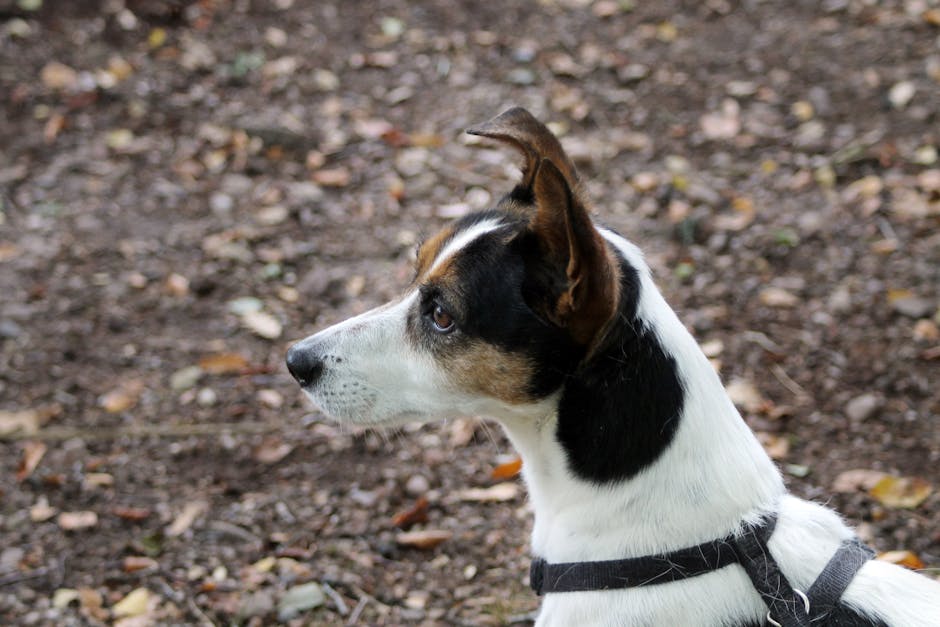
Ear position is one of the fastest ways to read fear or excitement. Dogs can move their ears like a radar system, often before they bark or growl.
Ears forward (neutral alert vs. focused threat)
Ears forward often means your dog is paying attention. If the rest of the body is loose and the mouth is soft, it’s usually interest. If the eyes get hard, the body gets still, and the dog leans in, it’s a different story.
One ear back vs. both ears back
One ear back can be a “mixed message” or just sound tracking. Both ears back (especially flat to the head) usually means fear or discomfort.
In training, I treat both-ears-back as a “learning is hard right now” sign. When you push then, you teach stress, not skills.
Half-pricked ears with soft face
Half-pricked ears with a soft face can mean curiosity. You might see a loose tail, soft eyes, and gentle body movement. This is a great time for short training reps.
Dog body language cues: what “freeze,” “lip lick,” and “paws” really mean
Body language gives away the feelings behind the tail and ears. A dog can look calm and still be emotionally overloaded.
“Freeze” (sudden stillness) means arousal jumped
When a dog freezes, it’s often a moment of decision. They may be about to approach, but they may also be about to retreat or react. If you see freeze, lower your distance.
Try this at home: pause movement, breathe out slowly, and turn your body slightly away. If your dog relaxes within 5–20 seconds, you’ve reduced pressure.
Lip licking, yawning, and nose sniffing as stress signals
Frequent lip licking, yawning, or “random” nose work can show stress. These signals are not “I’m hungry.” They can mean your dog is trying to calm themselves.
Example: on a walk, a dog repeatedly yawns and avoids eye contact when passing a certain house. Their tail might wag, but the body stays tense. That’s a stress cue, not a boredom cue.
Paw lift and “weight shift”
A paw lift can be nervous or it can be a polite interruption. Watch what happens next. If the dog freezes right after lifting the paw, worry is likely part of it.
What I do: I wait for the paw to plant again and I offer a calm cue like “find it” with a treat toss to create a new focus.
Play bow vs. threat posture
A play bow is a front-down, rear-up posture with loose movement. A threat posture often includes forward lean, stiff legs, and a locked gaze. If the play bow comes with tense eyes and no body wiggle, it’s not “safe play.”
Cat body language: tail twitching, ear angles, and why cats “look slow”
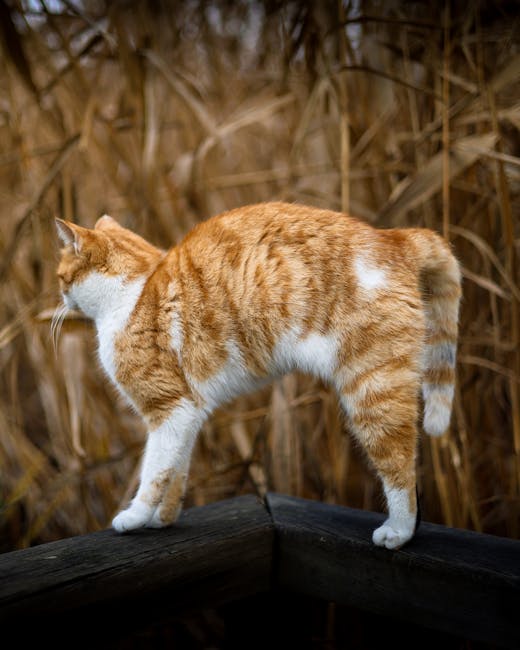
Cats aren’t silent emotionally. Their signals can look subtle because they move differently than dogs. Still, the patterns are clear once you learn them.
Cat tail position: relaxed curl vs. straight “flag”
A relaxed tail with a gentle curve can be contentment. A straight tail held up can be social interest in many situations. A tail that’s twitching fast often means irritation or hunting-style focus.
Important: if a cat has a straight tail and their body is tight, don’t pet. That’s a “stop now” moment more than a “good kitty” moment.
Tail swish near the face = agitation
If a cat swishes the tail near their body while staring at you or the thing you’re holding, it usually means they’re building irritation. Back away slowly and give them a choice.
At my home, I use a “two-step rule.” I take two steps back, then I stop moving. Cats often reset quickly when they can control the distance.
Cat ear positions: neutral, sideways, and flat
Cat ears can rotate like satellites. Sideways ears can mean curiosity. Ears flattened back usually means fear, pain, or defensive irritation.
If you’re unsure, watch the eyes. Wide pupils and flattened ears together are a strong stress signal.
Body cues: crouch, loaf, flank pushing, and tail wrapping
A crouch with stillness can mean stalking or fear. A loaf can mean resting, but also watch the rest—loaf with tail twitching can mean “I’m not relaxed.”
Tail wrapping around the body can mean comfort. Tail tucked but body tense can mean fear.
People Also Ask: quick answers to the most common questions
What does it mean when a dog’s tail is wagging but they seem scared?
It usually means the tail wag is not the same as happiness. A scared dog often has stiff posture, half-closed eyes, ears back, lip licking, or a “freeze.” The tail can wag because it’s trying to manage the moment.
Action step: reduce distance and intensity. Stop greetings, ask for calm, and help your dog earn safety by moving away until their body softens.
Why do cats twitch their tail when you pet them?
Tail twitching during petting is often irritation. It can mean they’ve had enough contact or the touch isn’t comfortable in that spot.
Action step: pet shorter and slower, then pause after 3–5 seconds. Watch ears and body. If ears flatten or the body tightens, stop and offer an alternate comfort like sitting nearby.
How can I tell the difference between curiosity and fear in body language?
Curiosity is usually paired with movement you can “read.” A curious dog will sniff and shift their body, and the ears stay active. Fear shows up as stillness, avoidance, and signs like lowered tail, tucked body, or flattened ears.
A fast test: if you increase the distance by one step and your pet relaxes within 10–20 seconds, you were dealing with fear or stress.
Is tail wagging always good for dog training?
No. Tail wagging can happen during frustration or fear. In training, your dog’s goal is to feel safe enough to think. If the tail is wagging but the body is stiff, your dog may be too stressed to learn.
Action step: shorten sessions to 30–60 seconds, lower distractions, and reward calm body positions.
How to use tail, ears, and body language for training (without guessing)
The goal of pet training isn’t just obedience. It’s confidence. That’s why reading tail position and ear angles matters so much.
Step-by-step: create a “calm check” before every session
- Look at the tail. Is it neutral, low, or stiff?
- Check the ears. Are they relaxed, sideways, or pinned back?
- Watch the body. Is your pet loose or frozen?
- Decide your difficulty. If stress cues show up, lower distractions or increase distance.
- Start with easy wins. Reward fast for neutral behavior.
When I coach people, this is where the biggest “aha” happens. Most training fails because the pet was never in a learnable state.
Use the right tools for safety (and sanity)
For leash work with dogs, I like a well-fitted harness that doesn’t rub and a leash long enough for management. Common options many pet owners use include the Ruffwear Webmaster (for front control) or a Y-shaped harness, depending on your dog’s size.
For cats, the best “tool” is usually distance and timing. A soft blanket on the floor, a treat pouch, and a cat wand used for play on the pet’s schedule all help reduce stress.
Important limitation: if your pet shows pain signs (yowling, limping, sudden aggression, hiding that doesn’t stop), behavior reading won’t replace a vet visit.
How long should you work before stopping?
In real life, most sessions work best in short blocks. For dogs, try 2–5 minutes of training followed by a break. If stress cues appear, end the session early. For cats, do even shorter rounds—30–90 seconds—then stop while they still seem engaged.
Common misunderstandings that cause behavior problems
Here are the mistakes I see most often in homes and at playdates. None of them are “bad owners.” They’re just normal misunderstandings.
Mistake 1: “They’re wagging/approaching, so it’s fine”
Approaching isn’t the same as comfort. Some animals come closer when they’re unsure because they’re trying to read you.
Fix: judge by relaxation. Look for a soft face, loose body, and ears that aren’t pinned back.
Mistake 2: Correcting right when stress starts
If you correct at the first stress cue, you often add more stress. I teach people to “manage first, train second.” Management means distance, barriers, and timing.
Fix: when you see stress, reduce the trigger and reward calm. Then later, work on the skill when your pet is settled.
Mistake 3: Letting kids interpret tail and ear cues the same way every time
Kids mean well, but pets don’t always react the same way. A tail wag can be a warning. Ears can flatten in tolerance, not just fear.
Fix: teach a simple rule for kids—no hands when ears go back and tail goes stiff. Quiet distance is a kindness.
Body language by scenario: what to do in the moment
This section is the “what now?” part. When you’re staring at your pet, you need a fast plan.
Scenario: your dog meets another dog and freezes
Freezing is a decision point. Your job is to lower the pressure so the dog can recover.
- Turn your body slightly so you’re not facing head-on.
- Increase distance by 1–3 steps.
- Use a calm marker like “yes” and reward for looking away or stepping toward you.
If your dog can’t take treats, that’s a clear sign stress is too high. Don’t force it. Leave the area and try later.
Scenario: your cat is purring but tail twitches
Purring can mean comfort, but it can also mean “I’m overstimulated.” Tail twitching during petting often means stop contact.
- Pause the petting for 10 seconds.
- Offer a treat on the floor to redirect.
- Try petting a different spot later (often the cheek or chin is better than the belly).
Scenario: your dog has ears back but wants to come closer
This is a mixed message. They may want reassurance, but they’re still nervous.
Use a soft approach: lower your body a bit, turn your head away, and let them choose the distance. If they keep coming, reward calm steps. If they freeze, increase distance immediately.
Linking behavior to health and comfort (when “behavior” isn’t just behavior)
Some body language changes are health signals. Pain can make ears go back or tails drop even if nothing stressful happened.
Signs that you should talk to a vet
- Sudden aggression that wasn’t there before
- Hiding that changes quickly and stays
- New limping, stiffness, or yelping
- Eating changes paired with irritability
- Excessive licking of one area
If you see these alongside body language changes, treat it as a health question first. I’ve seen “misread fear” turn into a joint issue within days.
If you want more on how to spot issues early, check out our Animal Health posts, especially the articles on stress signs and early behavior changes.
Make it easier at home: simple changes that improve body language
Your home setup can change how safe your pet feels. That’s not fluff. It’s a practical factor.
For dogs: manage space and sound
If your dog gets tense when the doorbell rings, set them up with a safe spot and a routine. I recommend a “place” station with a mat and a chew that lasts 5–10 minutes.
Then practice doorbell sounds at low intensity. This supports pet training without pushing your dog into panic.
For cats: give vertical choices and escape routes
Cats often calm down when they have a higher lookout point. A cat tree, a window perch, or even a sturdy shelf helps.
If you live with other pets, create a way for your cat to leave without passing through the dog’s path.
For both: reduce “forced interaction”
Some homes accidentally create pressure by always asking pets to interact. You can flip it by offering calm choices. Let them come to you.
When you read tail position and ear angles, you’ll also know when to stop asking.
Conclusion: your best training habit is reading the first stress cue
Decoding pet behavior comes down to one thing: you’re watching for patterns, not just moments. Tail position and ear position give fast clues, but body language shows whether your pet is actually comfortable enough to learn.
Here’s your actionable takeaway for this week: before you train, do a 10-second “calm check.” If you see ears pinned back, a stiff body, or stress signs like lip licking or freeze, lower the pressure and reset. That habit prevents blow-ups and makes training feel fair—for you and your pet.
If you want to build on this, you’ll likely enjoy our Pet Training guides (especially the posts on step-by-step desensitization) and our Pet Care tips for daily comfort routines. And if you have new questions after observing your pet, bring them to our community discussions in the Pets & Home Lifestyle section so you can compare notes with real owners.
Image SEO alt text (for your featured image): Decoding pet behavior with tail position and ear cues in a calm dog and cat interaction.