

If your dog ignores you when the leash comes off, you’re not alone. Most people think “recall” is one skill, but it’s really a mix of timing, cues, environment control, and what your dog learns is worth doing. In 2026, the best training plans focus on building recall in steps—so your dog comes because it’s rewarding, not because it’s afraid.
How to train a reliable recall is simple to explain and hard to do perfectly. The good news: you can make it easier with the right techniques, the right rewards, and realistic practice. Below are 7 methods I’ve used with my own dogs, plus exactly how I set up indoor and outdoor sessions so you get results faster.
Start with the goal: a recall that works in real life (not just in the living room)
A reliable recall is when your dog comes to you quickly and calmly when you say one cue—even with distractions. It’s not “they come sometimes.” I want a response you trust, because that trust keeps your dog safer around doors, kids, bikes, and squirrels.
Here’s the definition I use: Recall cue + quick movement toward you + soft body language when they arrive. If your dog runs to you and then immediately bolts again, your recall isn’t finished yet. You’re only training the approach part.
What most people get wrong is they practice recall only when they’re already holding the leash. That trains the dog to come when there’s an easy path back. When the leash is gone and the world is exciting, the old lesson stops working.
Technique 1: Pick one cue and make it special (indoors first, then outdoors)
Your recall cue should be one clean word or phrase you never change. Mine is “here.” Some people use “come.” Either works, but pick one and stick to it for months.
Important rule: never use your recall cue to do something your dog dislikes. No “come here” to clip nails, scold, or go back inside for a boring nap. If you do, your dog learns that the cue predicts an ending they don’t like.
Set up a quick indoor win. Get 10–20 tiny treats (pea-sized pieces of chicken or freeze-dried treats are great). Stand on a kitchen floor or hallway. Say the cue once, then reward if your dog takes even a few steps toward you.
After 3–5 reps, pause. End the session while it still feels easy. Short practice beats long practice.
How to train a reliable recall cue without accidentally ruining it
Here’s what I do to keep the cue “clean.” I separate recall from daily life. If I need my dog to move for grooming or bedtime, I use a different word like “crate” or “inside.” That way the recall cue stays linked to good things only.
Another trick: write the cue on a sticky note by your door. When you’re excited outside, it’s easy to say the wrong phrase. Consistency matters more than people think.
Technique 2: Use “fail-safe” setups so your dog can succeed 9 out of 10 times
Success is the fastest teacher. When your dog fails too often, recall becomes a “sometimes” behavior instead of a reliable one. So you must set up practice so they can win.
For indoor training, use a leash (or a long line) even if you don’t think you need it. For outdoor training, use a long line for the early stages. A long line is a lightweight leash that’s usually 15–30 feet so your dog can move while still staying safe.
I like to think of it like this: the line doesn’t train your dog to depend on you. It prevents you from accidentally practicing failure.
Indoor and outdoor recall practice setups (what I use)
- Indoor: 6–10 ft leash in a hallway, or a baby gate area so you control distance.
- Outdoor: 20 ft long line in a quiet park or backyard, with you positioned where your dog can see distractions coming.
- Break between reps: 20–60 seconds so your dog doesn’t get tired or overstimulated.
If your dog ignores the cue and keeps going, you lower difficulty. Don’t repeat the cue five times. One cue means one chance. If they don’t come, you guide them with the leash and then reward when they’re back.
Technique 3: Train with movement—reward what happens after they hear “recall”
Movement training helps because recall is partly a “come closer” game. If your dog hears the cue and only later decides what to do, your timing is too slow.
Here’s a method I use in my own home: step back while saying the cue. Then reward the instant they move toward me. I don’t wait until they reach my feet every time during early practice.
After a few sessions, I raise the bar. Next, I reward when they’re within 3 feet, then within 1 foot, then right at my side. This builds speed gradually, which is how you get a quick return outdoors.
Use “high-value” treats when distractions increase. Many dogs will take boring kibble and still wander. When squirrels show up, you want treats that your dog actually gets excited about—like cheese bits, cooked chicken, or freeze-dried liver.
What speed should you aim for?
I don’t use a stopwatch at first, but I do judge by behavior. A good sign is when your dog changes direction within 1–2 seconds after the cue during training. In outdoor practice, you want them to turn and travel toward you quickly, not slowly stroll like it’s optional.
If it’s too slow, shorten the distance, reduce distractions, or increase reward value. Don’t blame the dog.
Technique 4: Build a “stay and deliver” landing so they don’t run back out
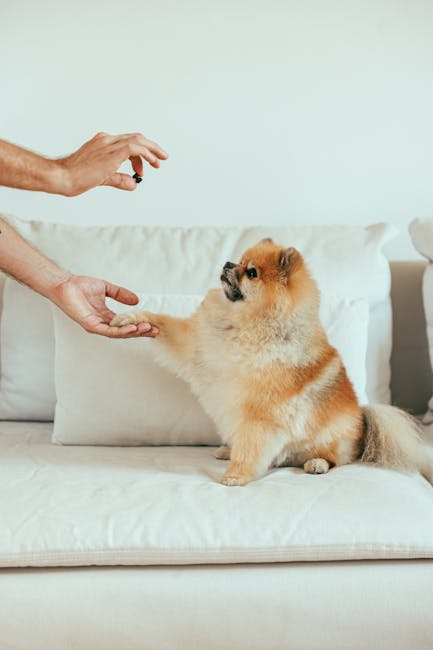
Recall isn’t just “come.” It’s also what happens when your dog arrives. If your dog bursts in and immediately goes back to the fun thing, you trained an unfinished behavior.
This technique teaches your dog that coming means you’re in charge of the next minute. It keeps your dog close long enough to get a leash on, check the surroundings, or calmly move on.
Practice arrival rewards first. The moment they reach you, reward. Then add tiny steps: one second of eye contact, two seconds, then three. Keep it easy at first.
Quick steps for recall-to-you (then calm)
- Say your recall cue once.
- Reward for any forward movement toward you.
- As your dog improves, reward only when they’re within 1–2 feet.
- Next, reward when they stand still for 1–3 seconds.
- After that, add a hand target (optional) or “sit” if your dog knows it.
- Use a release word like “okay” to let them re-explore.
That “release” part matters. Without it, many dogs feel stuck and jittery. With it, they learn that you’ll let them go after the recall job is done.
Technique 5: Practice outdoors in layers—distance, distractions, and time
Outdoor recall fails when the environment is too big too fast. So you build recall in layers like a video game: start with low difficulty, then increase one factor at a time.
Here’s a simple outdoor ladder I use. Start in a quiet spot with minimal distractions, then step up.
| Level | Distance from you | Distractions | Dog status | Long-line? |
|---|---|---|---|---|
| 1 | 5–10 ft | None | Calm, curious | Yes (for safety) |
| 2 | 10–20 ft | Light smells, squirrels far away | Engaged but not frantic | Yes |
| 3 | 20–30 ft | People walking, bikes in the distance | Moderate excitement | Yes |
| 4 | 30–40 ft | Dogs visible but controlled | High focus needed | Yes |
At each level, you need clear wins. I use a target of 8 successful recalls out of 10 before I raise difficulty. If you only get 5 out of 10, you’re rushing.
Real-world scenario: the backyard squirrel problem
One of my clients had a dog who listened great inside, but in the yard it was like a switch flipped when squirrels showed up. We trained in layers: first, recall with squirrels behind a fence line (low engagement). Then we practiced when the squirrels were visible but moving slowly. Only after that did we try times when the squirrels were active.
The key change wasn’t “more yelling.” It was making the reward value higher and using a long line so we never practiced ignoring. By the second week, the dog turned toward the handler faster because “coming” was the best option.
Technique 6: Add distractions using a simple game (and avoid the “chase” trap)
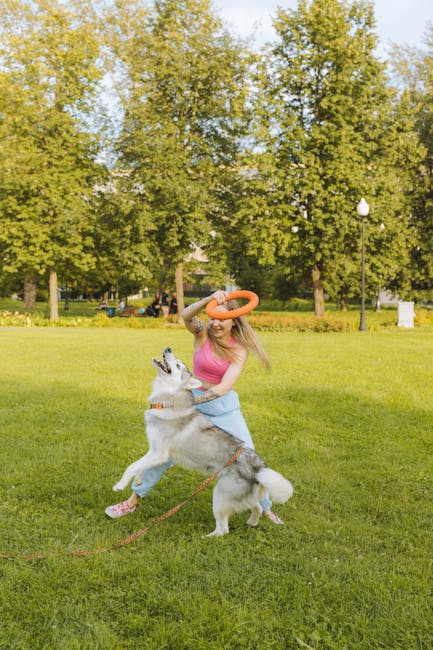
If you want your recall to work during excitement, you need controlled distractions. The best part is you can start with a game that feels fun to the dog.
Try this: Recall + move to a “new location”. After your dog comes, you step sideways or backwards to a new spot and reward again. This prevents your dog from treating your arrival as the end of the mission.
Also, avoid the chase trap. What do many people do when the dog runs away? They start running too. It turns into a game of “catch me,” and your dog thinks you’re part of the fun.
What to do if your dog blows off the cue outdoors
Stay calm. You don’t punish or shout. If you’re using a long line, calmly reel them in using gentle pressure. Then reward immediately once you have control and your dog returns to your side.
After that, you restart at an easier level. Then you end the session before your dog gets too frustrated or your timing gets messy.
Technique 7: Keep training “fresh” with short daily reps and planned upgrades
Recall training isn’t a one-time project. It’s a skill that needs touch-ups, especially because outdoor smells and sounds keep changing.
As a rule, I do 3–5 short recall reps per day, not one big training block. On busy weeks, even 60 seconds counts if it’s done right.
In 2026, I also recommend planning upgrades based on your dog’s maturity. Puppies and adolescent dogs often learn fast, then forget when hormones and new smells take over. That doesn’t mean you failed—it means you need a step-down and then a step-up again.
How long does it take to get a reliable recall?
It depends on the dog and the environment. For many pets, you’ll see improvement in 7–14 days with daily short sessions. Full reliability in high-distraction areas can take 6–12 weeks.
One “tell” that you’re on track: your dog starts checking in with you more often during walks. That’s not just obedience. It’s trust.
People Also Ask: indoor vs outdoor recall questions
How do I train recall for an indoor dog?
Indoor recall is easiest when the space is predictable. Start with a hallway or living room, then add one new variable at a time—another room, another person, or a new toy.
Use a leash at first so you can guide success. Aim for quick rewards and stop early. If your dog runs away indoors, you’re asking for too much freedom too soon.
What’s the best way to train recall outdoors?
Use a long line and practice in levels of distraction. Start when your dog is interested in you but still aware of the world. Then increase distance and distractions slowly.
I also like to match training time to the dog’s energy level. If your dog is exhausted, recall gets harder. If your dog is bouncing off the walls, you’re asking for focus too early. Mid-energy is best for the first sessions.
Should I say my dog’s name before the recall cue?
Some dogs respond well to a name check, but it can slow you down if the dog only comes after hearing multiple words. If you want a fast recall, keep it simple: name (optional) then cue once.
If your dog is already strongly bonded to your voice, you may not need the name at all. You can test this indoors first.
Why does my dog come when I call, then turn and run away?
This usually means recall arrival isn’t valuable enough yet, or “coming” doesn’t predict a calm next step. Teach a recall landing: reward them for staying close for 1–3 seconds, then release.
Also check whether they hear a “better event” after they arrive—like someone opening a door or another dog calling. Sometimes your house is teaching a stronger cue than your recall.
Common recall mistakes (and the fix for each)
These mistakes are so common that I’ve seen them in homes with well-meaning, loving owners. The fix is usually simple, but you have to be consistent.
- Repeating the cue multiple times: Fix it by pausing after the cue. If your dog doesn’t respond, lower difficulty and guide them.
- Calling the dog to end fun: Fix it by keeping recall separate from baths, nail trims, and “stop that” moments.
- Using the cue only when the dog is already far away: Fix it by practicing short-distance reps daily so the cue becomes automatic.
- Rewarding the wrong timing: Fix it by rewarding the moment they move toward you, not 10 seconds later.
- Chasing when the dog runs: Fix it by standing still and using the long line to gently regain control.
Tools and treats that actually help (examples you can copy)
You don’t need expensive equipment, but the right tools make practice easier and safer. In my opinion, the biggest win is using the right reward and the right training setup.
- Long line: Choose one that’s easy to handle and doesn’t tangle. 20–30 ft is a common range for outdoor recall.
- Treat pouch: It keeps your hands free. When treats are slow to reach, your timing gets worse.
- High-value treats: Freeze-dried meats, small cheese pieces, or cooked chicken.
- Target stick (optional): A simple hand target can guide your dog to move toward you more reliably.
If you’re curious about how reward timing connects to overall animal health and stress, you might also like our guide on reward-based training basics (it pairs well with recall practice).
Safety note for 2026: when you should not practice off-leash yet
Off-leash recall practice isn’t the “next step” for every dog. If your dog has a strong prey drive, isn’t food-motivated, or has a history of running into traffic, you need more time with safety tools.
Also consider leash laws in your area. Even when your training is going well, rules still apply and other people’s pets may react. Reliability means you can trust your dog, not just that you have hope.
My simple 14-day indoor + outdoor recall plan
If you want a clear plan, here’s one you can follow. It focuses on building confidence inside, then adding outdoor distractions in steps.
Days 1–5: indoor automatic recall
- Do 3 sessions per day, each with 5–8 reps.
- Reward for any movement toward you, then build to “arrive and pause.”
- Stop while your dog still looks eager.
Days 6–10: backyard or quiet outdoor long-line recall
- Practice once daily for 5–10 minutes total.
- Use a long line and start 10–20 ft away.
- Only increase distance when you hit 8/10 wins.
Days 11–14: add one distraction layer
- Keep the same cue and reward rules.
- Add a mild distraction (a person walking far away, light traffic noise, or another dog at distance).
- End each session with easy reps so your dog finishes strong.
For the best results, pair this plan with daily walk enrichment. If you want ideas for safe outdoor routines, check smart dog walk routines for home-friendly, low-stress setups.
Conclusion: make recall a daily habit, not an emergency plan
If you remember one thing, make it this: a reliable recall is built on lots of small wins, not big calls and hope. Choose a single cue, practice in safe setups, reward fast, and add outdoor distractions only when your dog earns the next level.
Train a reliable recall the way you would train a lifelong health habit—short sessions, clear rules, and consistency. Do that for 14 days, and you’ll feel the difference the next time you clip on a leash or open the door.
If you want to connect training with overall pet care, explore reducing stress in pets at home. A calmer dog learns recall faster, and a safer dog benefits from better routines.
Featured image alt text suggestion: “Dog practicing reliable recall with a handler outdoors using a long line and treats in 2026”